
Most travelers pack a phrasebook, a charger, and a decent pair of shoes. Few think about what their hands might say without permission. A casual wave or a cheerful signal can land very differently once you cross a border.
Body language feels universal, but a lot of it is learned locally. The gestures below are common ones, and each carries a different meaning depending on where you’re standing. Context and tone matter everywhere, so treat these as general patterns rather than fixed rules.
The Thumbs Up

In much of North America and Europe, a raised thumb means approval, agreement, or a quick thanks. It’s the easiest gesture to use without thinking. In parts of the Middle East and West Africa, though, it has been described by travel and cultural guides as rude or vulgar.
Some countries use it in a different way altogether. In Germany, for instance, a raised thumb often stands for the number one when counting on the fingers. If you’re unsure, a smile and a spoken thank you will never cause trouble.
The OK Sign
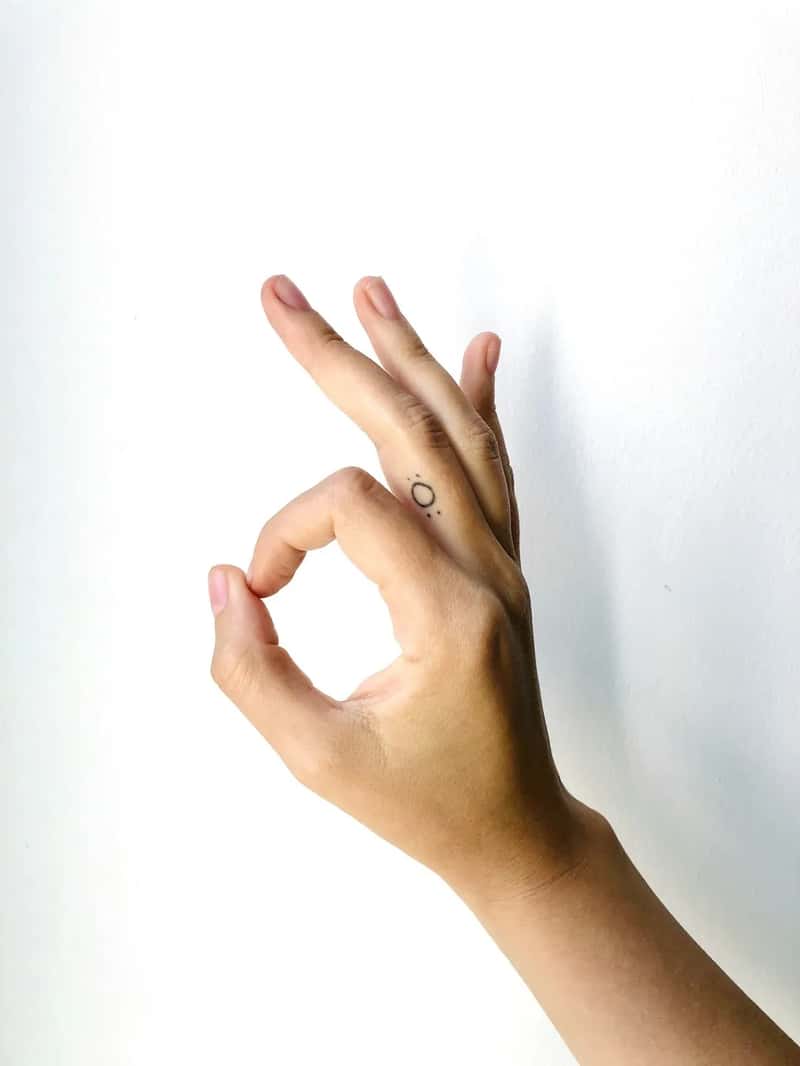
Touching thumb and forefinger into a circle tells an American waiter that everything is fine. In Brazil, Turkey, and parts of the Mediterranean, the same shape can be read as a crude insult. Travel etiquette guides repeatedly flag it as one to avoid there.
Elsewhere it carries other meanings entirely. In France, it can suggest that something is worth nothing, or zero. In Japan, the circle commonly points to money, since it resembles a coin.
The V Sign
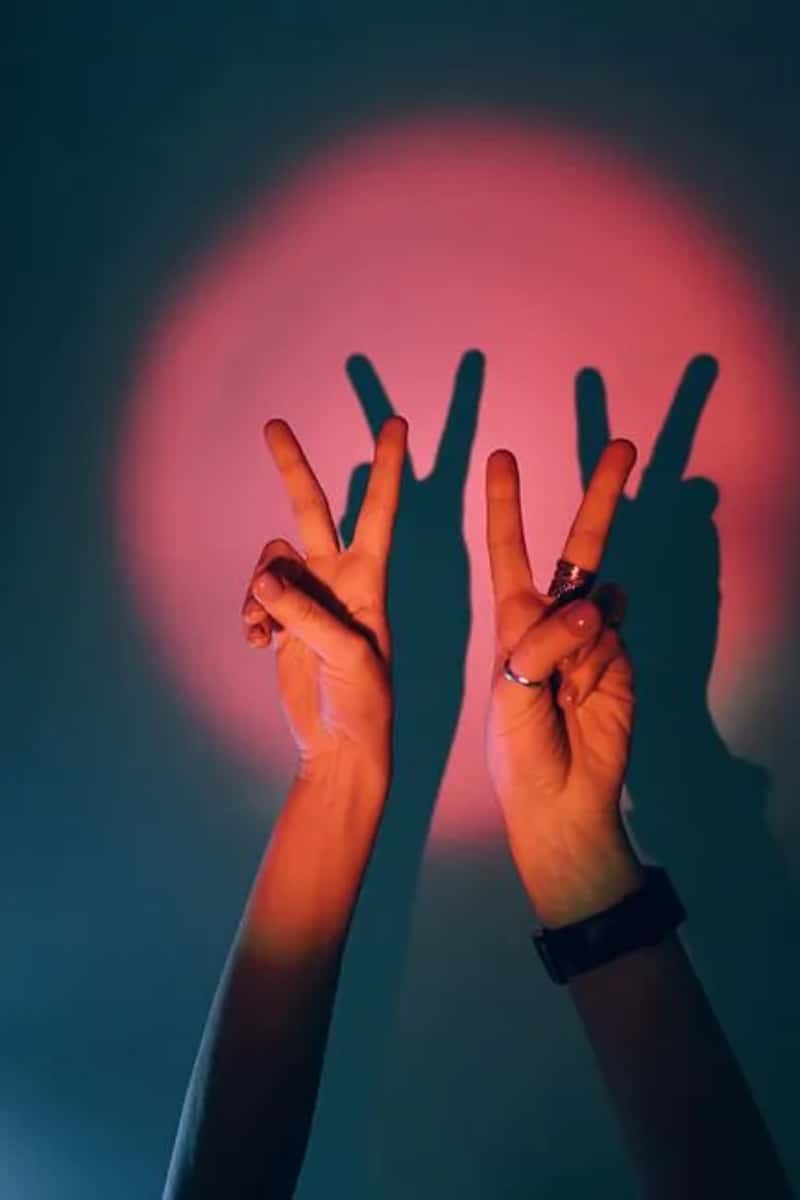
Palm facing outward, two raised fingers usually mean victory or peace. Turn your hand around so the palm faces you, and the meaning changes in the United Kingdom, Ireland, Australia, and New Zealand. There, it’s an offensive gesture, roughly equal to a rude insult.
The difference is easy to miss when you’re posing for a photo. Many tourists flash the sign for pictures without a second thought. Check your palm direction before you snap, particularly in those countries.
The Open Palm Push
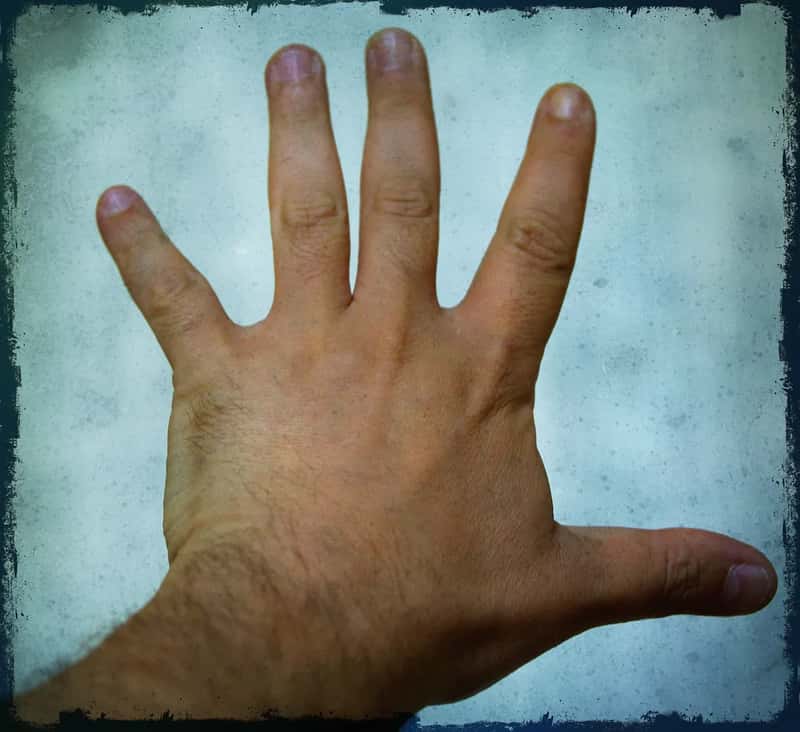
Holding your palm out flat toward someone seems like a simple way to say stop or wait. In Greece, that gesture is known as the moutza, and it’s a traditional insult. It’s often made with fingers spread and a thrust toward the other person’s face.
Context helps here, because a polite wave from across a street won’t usually be read the same way. Still, a sharp push of the palm during a disagreement can go badly. Keep your hand relaxed and at your side when you’re talking in Greece.
Beckoning With a Finger
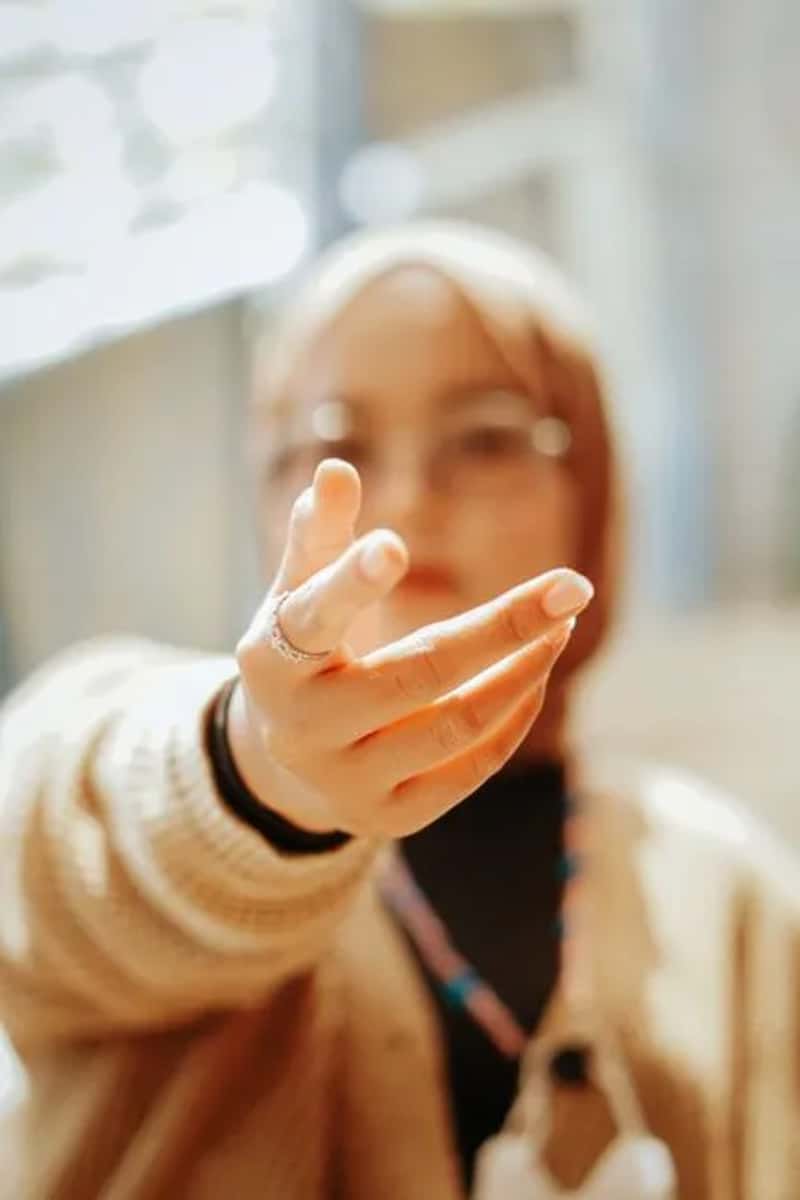
Curling one finger toward yourself to call someone over is normal in many Western settings. In the Philippines, it’s widely regarded as offensive because it’s associated with calling animals. Travel advisories and cultural guides warn visitors against it.
Different regions have their own way of calling someone. In Japan and China, people often wave the hand with the palm facing down, which looks like scooping the air. Copying that style is a safer choice across much of East Asia.
Pointing With the Index Finger

Pointing feels like the most natural thing in the world when you need directions or want to identify something. In many parts of Asia, Africa, and the Middle East, pointing at a person with one finger can be considered impolite. It can feel accusing or dismissive, especially when aimed at someone older.
A common alternative is using an open hand, palm up, to gesture toward an object or person. In some places, people gesture with the whole hand or a slight nod of the head. It’s a small adjustment, yet it tends to be noticed and appreciated.
The Fig Sign

This gesture tucks the thumb between the index and middle fingers of a closed fist. In Brazil and Portugal, it’s often used as a charm for good luck, and you’ll see it on keychains and souvenirs. In Turkey, Russia, and parts of Europe, the same shape can be a vulgar insult.
It also carries an old, rude meaning in several other countries. That double life makes it especially confusing for visitors who see it sold as a lucky charm. Buying one as a souvenir is fine, but flashing it at strangers is another matter.
Crossed Fingers
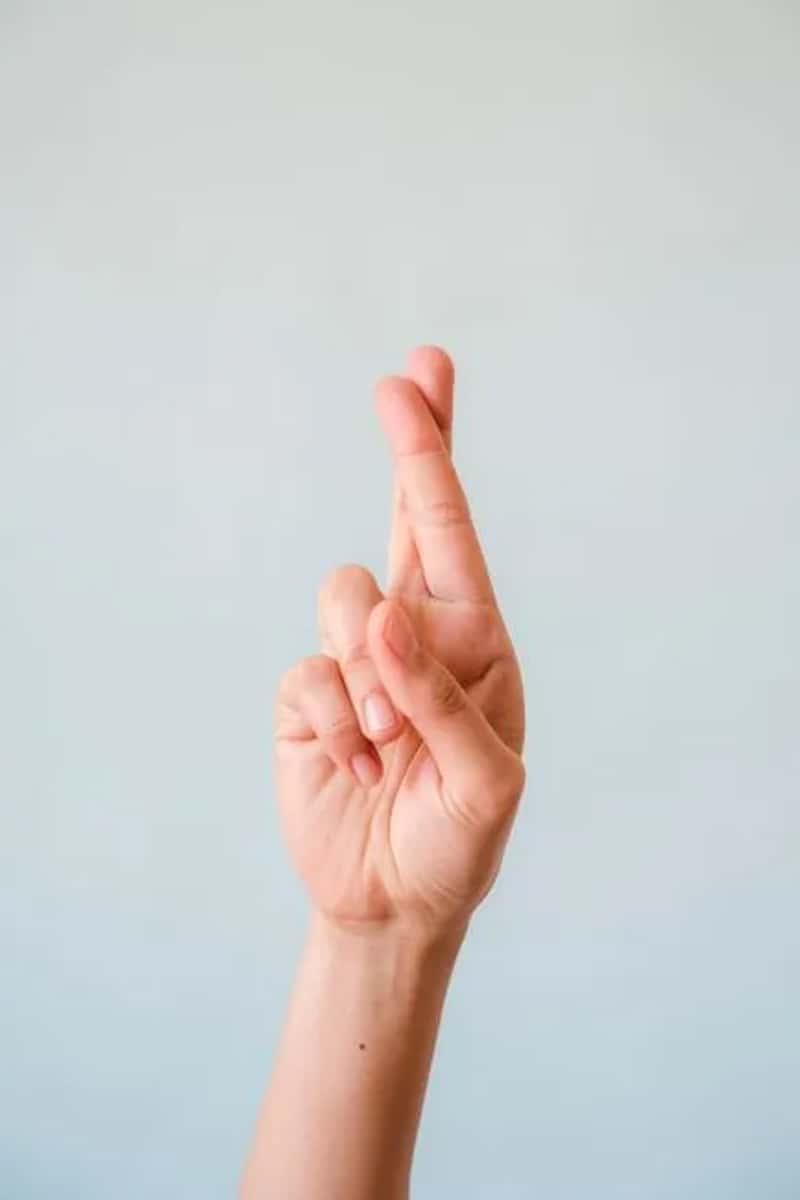
Many English speakers cross their index and middle fingers to wish for luck or to hide a small fib. That’s a friendly enough habit at home. In Vietnam, the gesture is regarded as offensive because it’s linked to an obscene meaning.
Travel etiquette guides commonly mention this one for visitors to Southeast Asia. The lucky meaning isn’t understood everywhere, so the gesture may simply cause puzzled looks. Saying good luck out loud is a better plan.
The Horns Sign
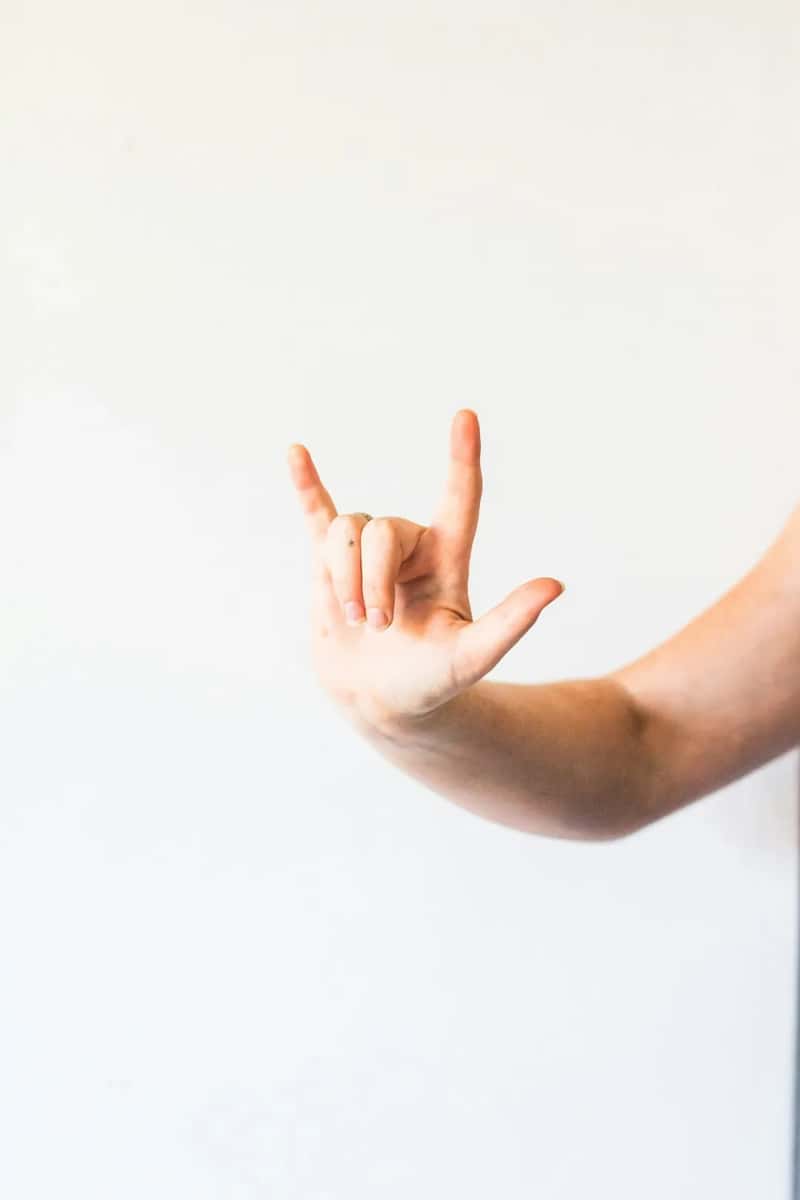
Raise the index and little fingers, fold the others down, and you have the rock and roll sign familiar from concerts. In Italy, Spain, Portugal, and Greece, that same shape traditionally suggests that someone’s partner is unfaithful. It’s usually meant as a mocking insult rather than a compliment.
In Italy, a version pointed downward is also used as a charm against bad luck. Fans at a concert will probably read it as music, though. Away from the stage, it’s wise to keep it in your pocket.
The Pinched Fingers
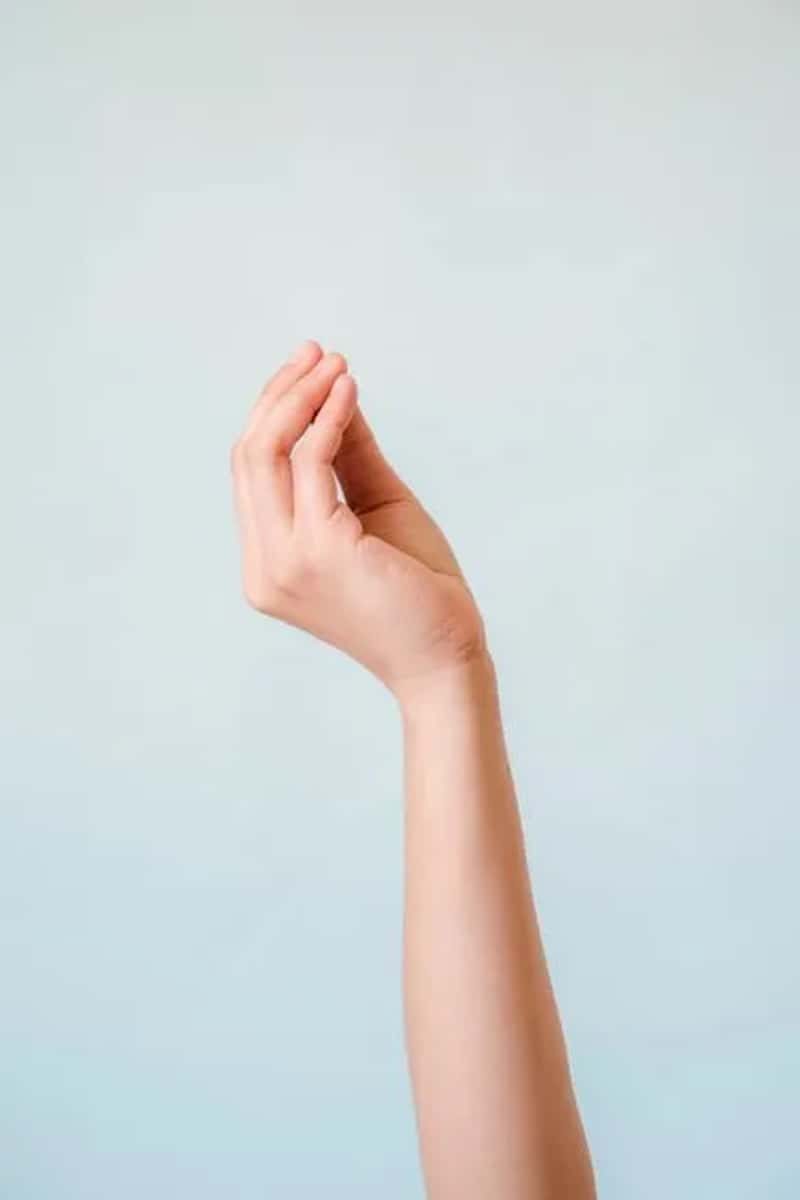
Bring all your fingertips together, point them upward, and gently shake your hand. In Italy, this is a well known gesture that roughly means asking what on earth someone is saying or wanting. It’s often used with a puzzled or impatient expression.
Visitors who don’t know it may wonder if the person is offering something or pinching the air. Italians use it in everyday conversation, so it’s rarely meant as a serious insult. Recognizing it helps you read the mood of the exchange, even when the words are in a language you don’t speak.