Most people assume the trouble at the border comes from big things, like contraband or undeclared cash. In practice, it’s often a carton of eggs, a bag of limes, or a bottle of vanilla that ends up in the seizure bin. The first $800 of goods you bring back generally carries no duty[1], yet that allowance says nothing about whether an item is allowed in at all.
Customs and agricultural rules shift with disease outbreaks and safety findings, so what follows reflects recent guidance from U.S. agencies and 2025 and 2026 reporting. Failing to declare agricultural products can lead to fines of up to $10,000.[2] Here are ten things worth leaving behind.
1. Raw Eggs
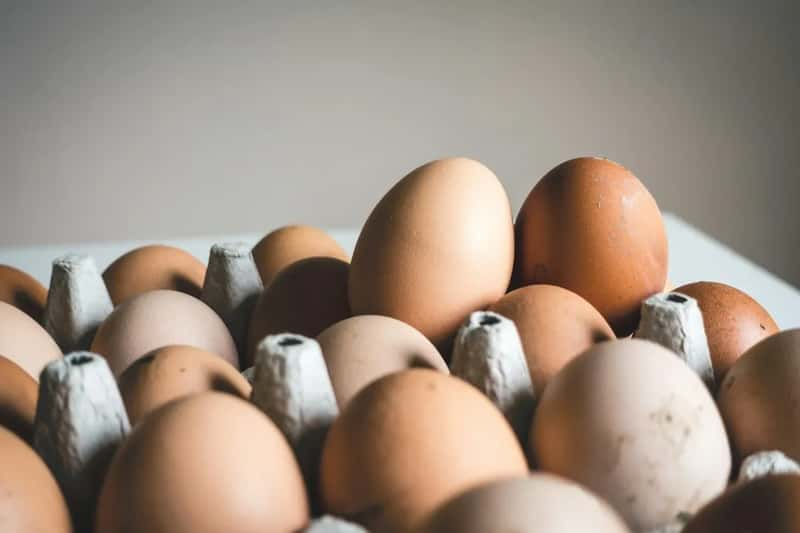
U.S. Customs and Border Protection (CBP) says travelers can’t bring fresh eggs, raw chicken, or live birds into the country from Mexico.[2] The rule has been in the headlines because egg prices pushed some shoppers to cross the border for cheaper cartons. CBP’s San Diego Field Office reported a 158 percent rise in egg interceptions between fiscal year 2024 and early 2025[3], which works out to more than two and a half times as many.
The concern is avian influenza. The CDC has said the outbreak affected more than 166 million poultry nationwide over three years.[3] Declaring the eggs won’t save them, though it can spare you a penalty.
2. Raw Chicken and Other Poultry
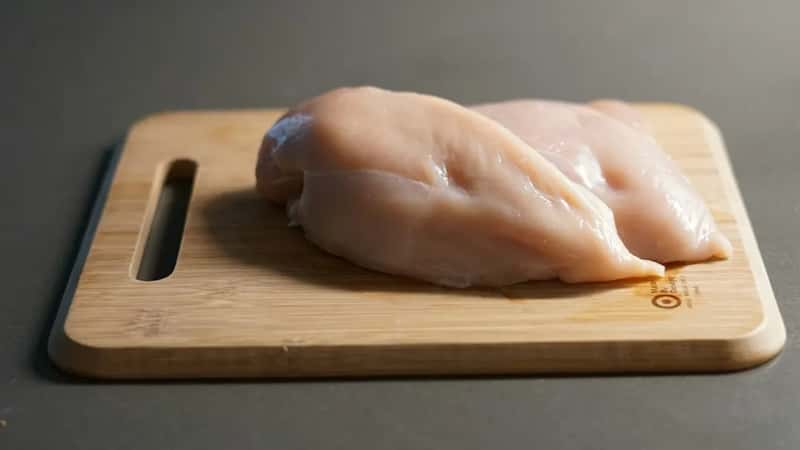
Raw poultry sits on the same prohibited list as eggs. CBP has said raw eggs and poultry from Mexico are prohibited and will be confiscated at the port.[4] That includes the tempting pre-marinated chicken from a local carnicería.
The ban is about more than the meat itself. CBP has noted that birds and avian products, such as used egg cartons or bird cages, can spread disease.[3] So even the packaging can draw a closer look from an agriculture specialist.
3. Citrus and Most Fresh Fruit
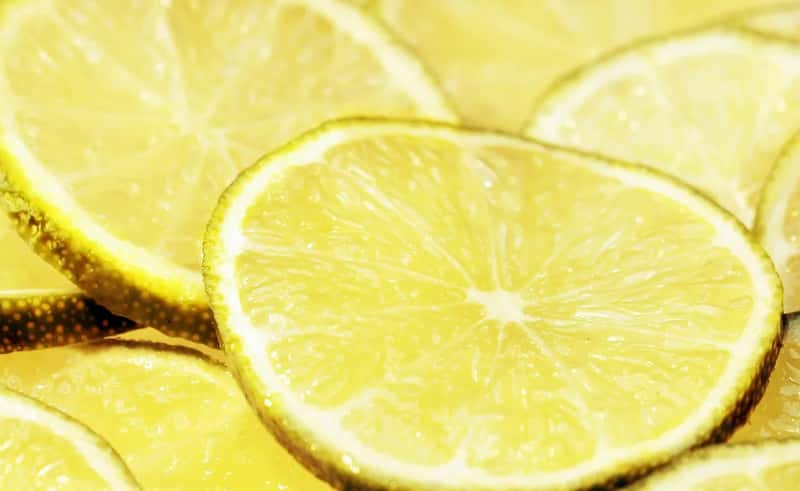
Fruit is where many travelers get caught off guard. CBP’s March 2026 reminder says many fruits and vegetables, especially citrus, are restricted or prohibited because of invasive pests and diseases.[5] A bag of Mexican limes is a classic example.
One 2026 border travel guide lists oranges, limes, mangos, avocados with seeds, guavas, and apples as prohibited[6]. That’s a traveler resource rather than an official CBP list, so check USDA guidance before you pack anything. Another guide notes that even cut pieces of prohibited whole fruits remain banned[7].
4. Pork and Many Other Meat Products
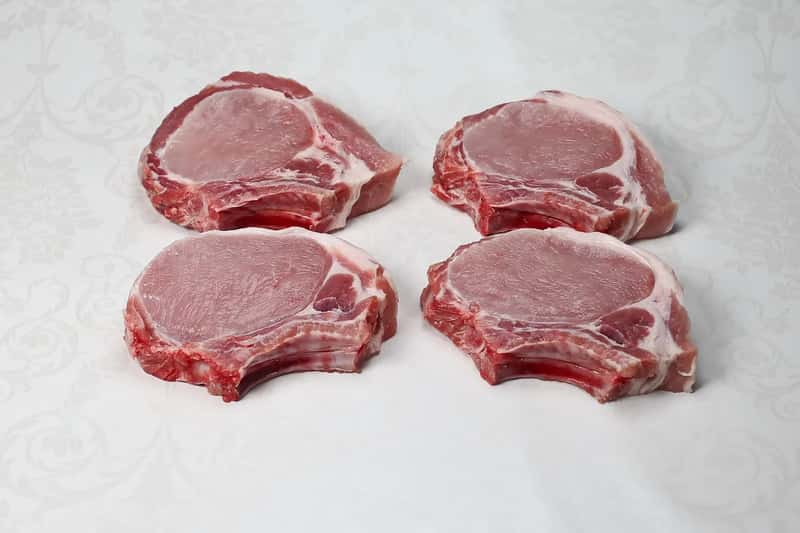
Meat rules are strict and a bit muddy. A 2026 traveler guide says all pork products are strictly prohibited[6], while another summary says almost anything containing meat products isn’t allowed, and rules change with disease outbreaks[7]. The safest reading is that meat from Mexico is unlikely to clear a passenger lane.
That covers chorizo, carnitas, and jerky from a friendly market stall. Shelf stable canned meat is sometimes treated differently. Even so, you’ll want an agriculture specialist to make that call at the booth, not a guess made in the parking lot.
5. Surprise Eggs With Toys Inside

This one has nothing to do with farms. CBP says surprise eggs with toys inside are prohibited from importation because they don’t meet U.S. safety standards.[5] Kids’ candy aisles in Mexico can look familiar, so it’s an easy mistake.
The same CBP reminder also covers decorated Easter eggs. Cascarones may be allowed if they are commercially prepared and free of raw egg residue.[5] Whenever there’s doubt, declare them and let the officer decide.
6. Ammunition

Ammunition is a sharper line than most travelers realize. One border guide lists it among the items that are never allowed, even a single loose round under a seat[1]. Cleaning out the car before you head north is a simple precaution.
Firearms and ammunition fall under federal control. The ATF regulates and restricts them and approves import transactions involving weapons and ammunition.[8] A souvenir bullet from a shooting range isn’t a harmless keepsake at the crossing.
7. Live Cattle, Horses and Other Livestock
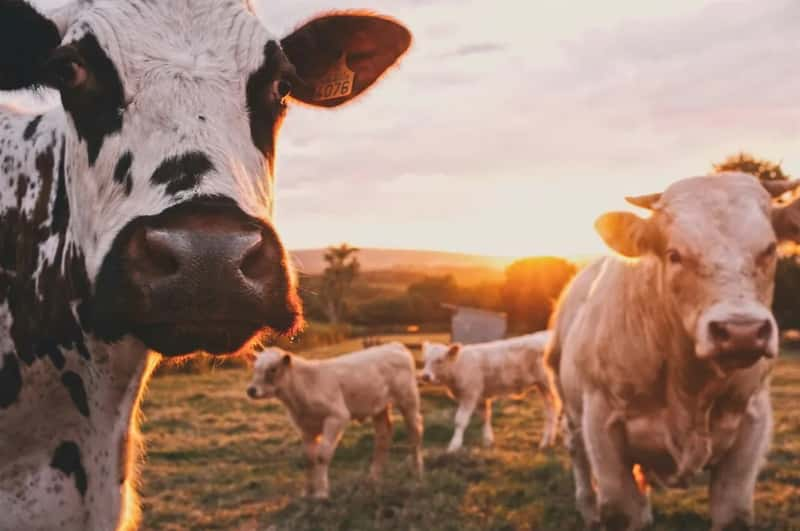
Livestock isn’t something a tourist usually carries, but the rules matter for anyone dealing with animals across the border. In May 2025, USDA suspended live cattle, horse, and bison imports through southern ports of entry because New World screwworm was spreading north through Mexico.[9] Mexico has been considered affected with screwworm since November 2024.[10]
USDA’s screwworm page, updated October 29, 2026, says pets and service animals arriving from affected countries must meet specific USDA and CDC import requirements[11]. Mexico is on that list of affected countries. If you’re bringing a dog home, check those requirements well before the trip.
8. Vanilla Made With Tonka Bean Extract
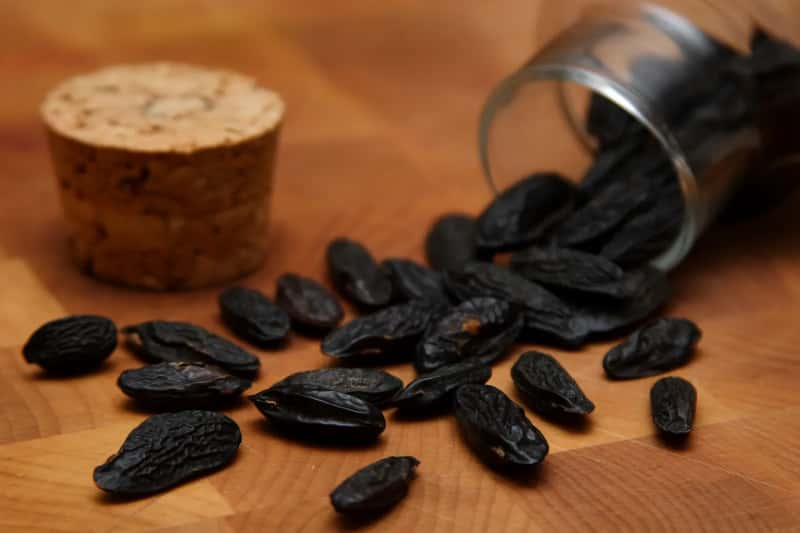
Bottles of Mexican vanilla are a popular souvenir, but not every bottle is real vanilla. Some is made from tonka tree beans, whose extract contains coumarin.[12] Coumarin has been banned from food products sold in the U.S. since 1954.[12]
The FDA’s long standing advice is to look for vanilla bean on the ingredient list, and skip anything listing tonka bean or giving a vague or missing list[13]. Coumarin may be risky for people taking blood thinners.[13] Genuine vanilla from Mexico isn’t the problem, but a cheap, unlabeled bottle might be.
9. Young Unpasteurized Cheese
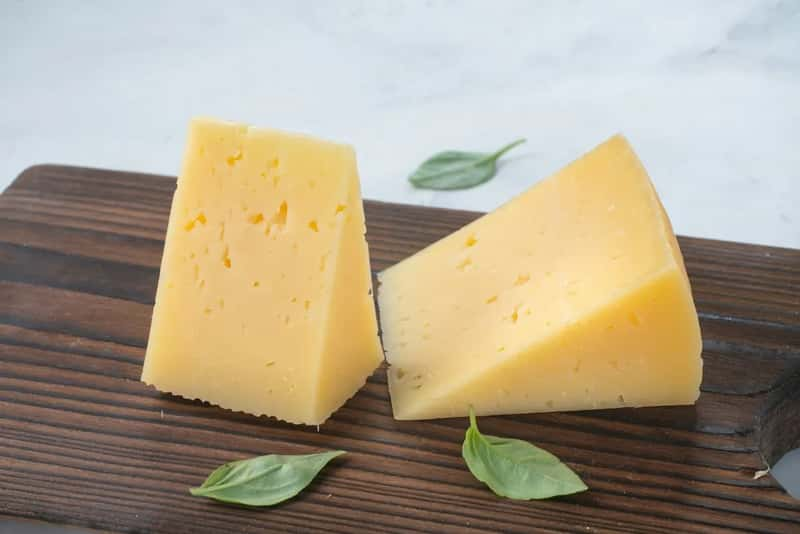
Fresh Mexican cheeses are tempting, particularly the soft ones made from raw milk. Under the FDA’s rule, cheese from unpasteurized milk can be imported only if it’s aged at least 60 days at a temperature of no less than 35°F.[14] Soft, young cheeses usually don’t meet that standard.
The 60 day rule is written around commercial imports, so how an officer treats a small personal wedge can vary. One guide warns that declared cheese that hasn’t met the aging requirement will be confiscated.[14] Pasteurized cheese is generally a safer bet, and declaring it is still wise.
10. Ancient Artifacts Without Export Permits
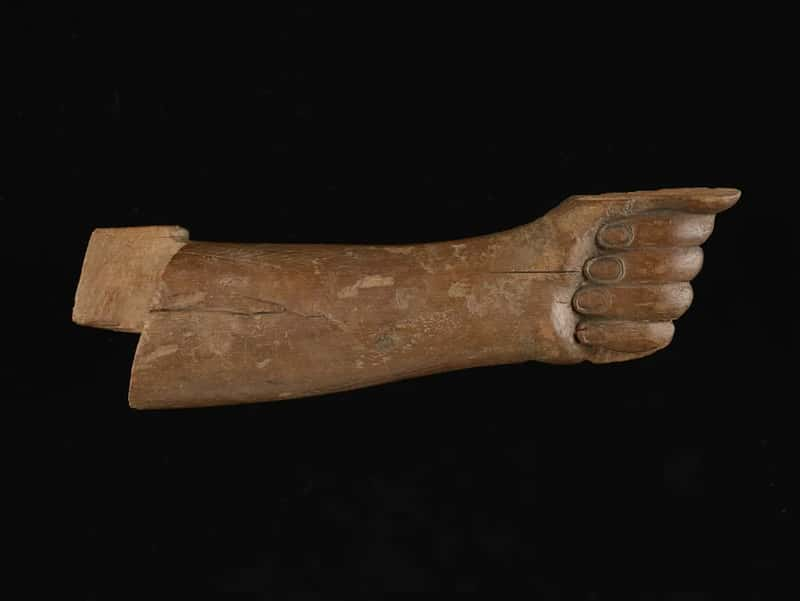
Mexico’s market stalls sometimes sell objects that look centuries old. Certain cultural artifacts without export permits are among the items prohibited from entering the U.S. from Mexico.[7] A convincing price tag doesn’t make the paperwork real.
The State Department also lists antiques, animal skins, religious artifacts, and ivory and other wildlife products among items you may need special permission to take out of a country[15]. Without that permission, an item can be seized at either border. Buying clearly labeled modern replicas from a reputable shop avoids the whole problem.