Most of us have heard the tales about Mount Everest. The world’s highest peak looms large in our collective imagination, shrouded in stories that range from inspiring to downright terrifying. Yet, many of the beliefs we hold about this legendary mountain don’t quite match reality. It’s fascinating how myths can take root and spread, especially when it comes to a place as remote and extreme as Everest. These misconceptions shape how we view the mountain and the people who dare to climb it.
Let’s be real, some of what we think we know is just plain wrong. Over the years, sensational headlines and dramatic films have blurred the line between fact and fiction. The truth is actually more nuanced than most realize. So let’s dive in and separate the myths from the mountain.
Myth 1: Everest Is the Tallest Mountain in the World
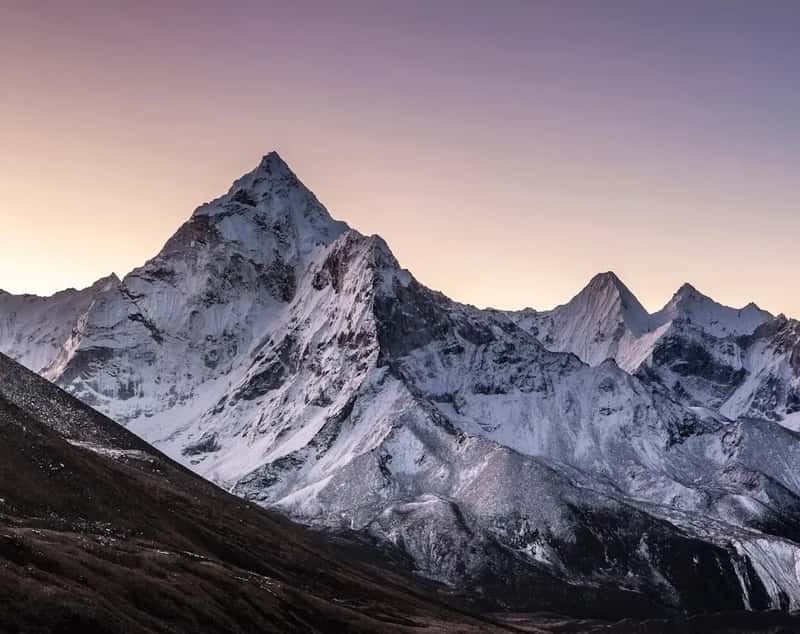
Mount Everest stands at 29,031 feet above sea level, making it the highest point on land. However, calling it the tallest mountain depends on how you measure. Mauna Kea in Hawaii measures 33,497 feet from base to peak, though most of that height is underwater. If you measured both mountains from their bases, Mauna Kea would actually tower over Everest.
Mount Chimborazo in Ecuador, though only 20,548 feet high, has the peak that sticks out farthest from Earth’s center. Thanks to being near the equator, Chimborazo gets a boost of around 20,000 feet from Earth’s bulge at the equator. It’s a matter of perspective, honestly. The designation of tallest versus highest reveals how our definitions matter more than we think.
Myth 2: Anyone Can Climb Everest If They Have Enough Money
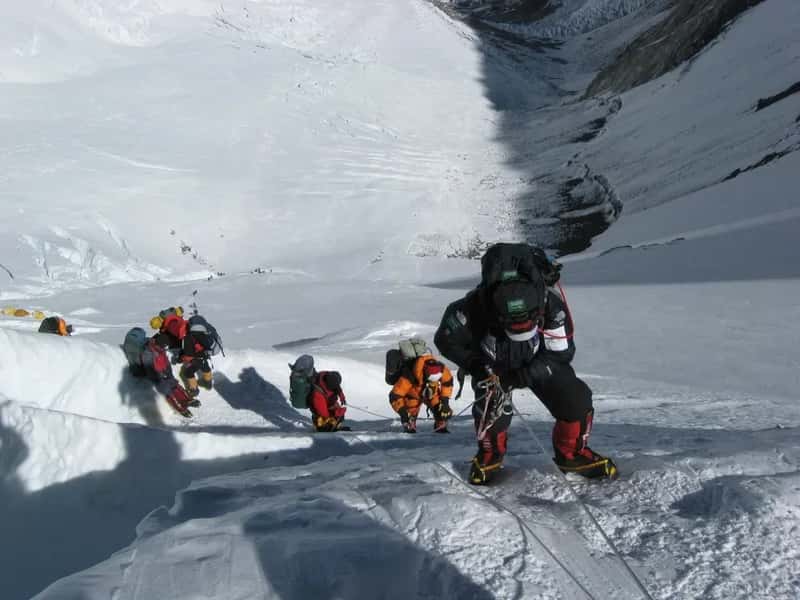
Climbing Everest costs between $35,000 to over $100,000, with permitting fees alone around $11,000 in Nepal. The idea that you can simply buy your way to the summit is misleading at best. Most commercial operators screen clients for experience and fitness, requiring climbers to have summited peaks above 6,000 or 7,000 meters, such as Aconcagua, Denali, or Cho Oyu.
Altitude sickness, crevasse falls, whiteouts, and exhaustion kill people every year. Operators with good reputations want their clients to come back down alive, so you can’t buy your way to 8,848.86 meters. Here’s the thing: money can get you a spot on an expedition, but it cannot replace experience, fitness, or mental toughness. The mountain doesn’t care about your bank account.
Myth 3: Everest Has an Extremely High Death Rate
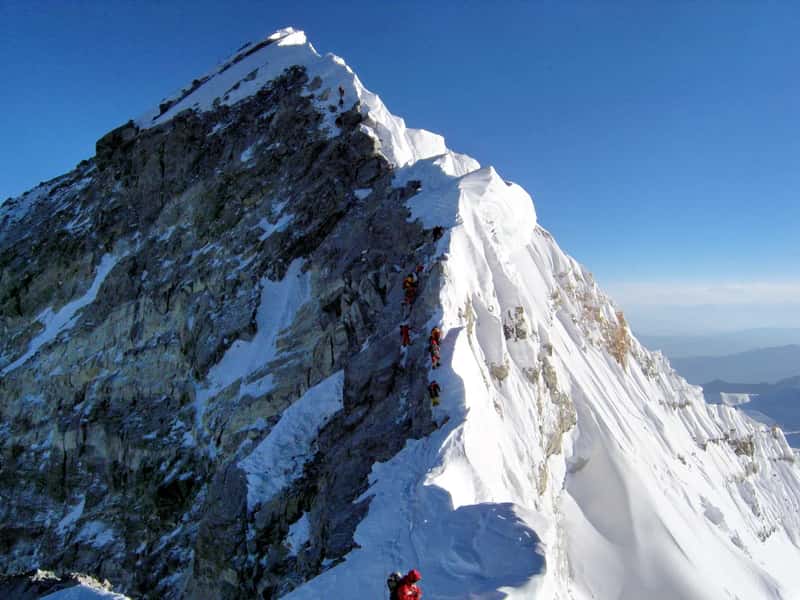
The death rate on Everest is around 1% to 1.2%, which is lower than many other 8,000m peaks. While any death is tragic, the mountain’s reputation as a death trap is somewhat exaggerated. As of 2024, over 11,000 summits have been recorded with around 330 fatalities since the first attempts. Compare that to peaks like K2 or Annapurna, which have significantly higher death rates.
The death rate for climbers has hovered unchanged at around 1% since 1990. From 1922 to 1999, 170 people died on Everest with 1,170 summits or 14.5%, but deaths drastically declined from 2000 to 2023, with 10,826 summits and 157 deaths or 1.4%. Better equipment, weather forecasting, and Sherpa support have made the climb statistically safer, though still incredibly dangerous.
Myth 4: Everest Is the Hardest Mountain to Climb
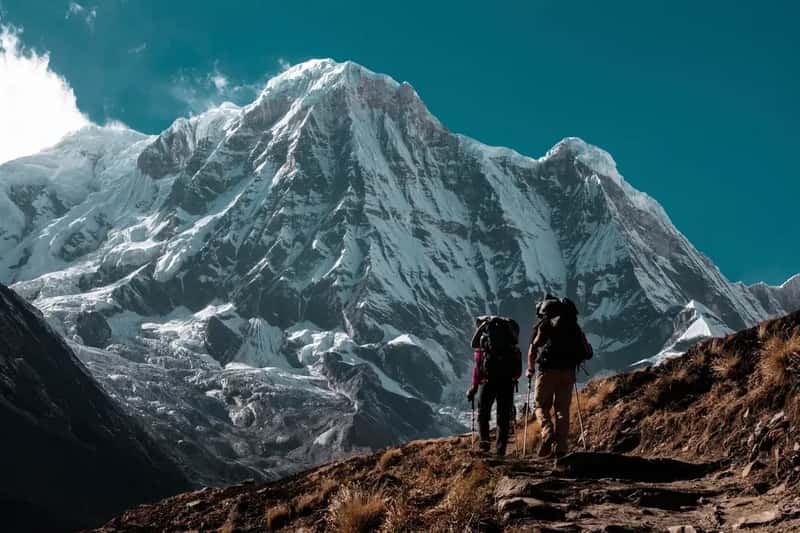
Climbers will tell you that peaks like K2, Annapurna, or Nanga Parbat are significantly more dangerous, with routes that are steeper, weather more volatile, and rescue options nearly nonexistent. Everest is tall, sure, but technically it’s not the most challenging. Everest’s South Col route from Nepal is well-established, with fixed ropes and Sherpa support.
Reaching Everest’s summit is definitely not an easy task, but it’s not actually the hardest peak to climb, with a few other mountains actually having a higher death rate. The perception that Everest is the ultimate climbing challenge comes from its height and fame, not necessarily its technical difficulty. I think people often confuse famous with difficult, which isn’t always the same thing.
Myth 5: No Life Exists on Everest’s Upper Slopes

The hostile environment of Everest’s upper reaches seems like it would be devoid of all life. Yet this isn’t entirely accurate. In 1924, explorer R.W.G. Hingston was climbing Everest and was surprised to see a small spider skittering across some rocks at a height of 22,000 feet.
The spider was officially named Euophrys omnisuperstes, which translates to “standing above all,” and is known as the Himalayan jumping spider, thought to feed on tiny flies and springtails blown up Everest’s slopes by wind. Even in the most extreme conditions on Earth, life finds a way. These tiny creatures are true survivors, reminding us that resilience exists in forms we’d never expect.
Myth 6: The Summit Success Rate Is Low
Summit success rates have essentially doubled from the first period to the second period, with two-thirds of climbers now reaching the summit versus one-third previously. In recent years, the odds of standing on top have improved dramatically. From 1990 to 2005, 32.8% of climbers reached the summit, but this figure doubled between 2006 and 2019, with 66.5% achieving the summit.
The improvement includes better weather forecasting, presence of fixed ropes, accumulated logistic experience, improved oxygen equipment, and shifts in oxygen use. As of December 2024, 7,269 people have successfully summited Everest. The mountain remains dangerous, but modern technology and experience have tipped the odds in climbers’ favor considerably.
Myth 7: Climbing Without Oxygen Is Impossible
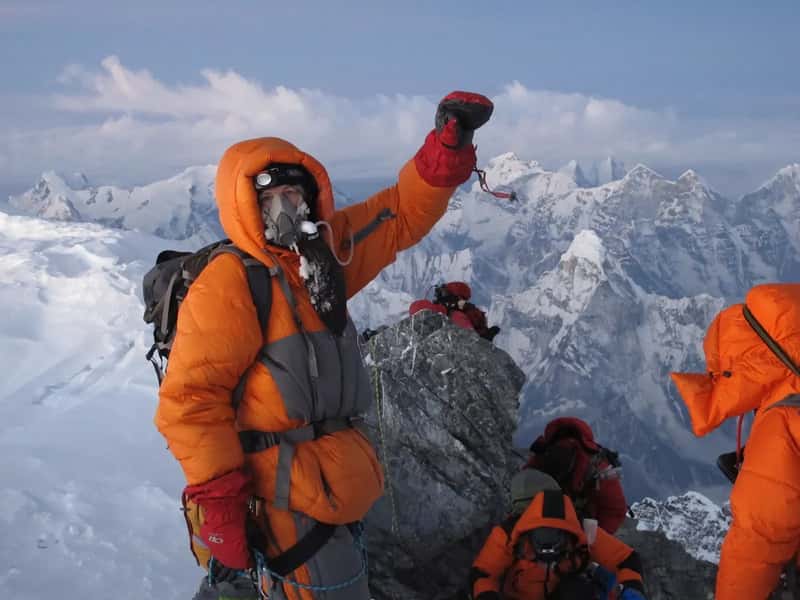
In 1978, Reinhold Messner and Peter Habeler made the first ascent of Mount Everest without supplemental oxygen. This shattered the belief that humans couldn’t survive at that altitude without bottled oxygen. Only very few elite climbers have successfully summited Everest without supplemental oxygen, and climbing without oxygen is extremely dangerous and requires exceptional genetic and physiological adaptation.
Only 229 climbers have summited without supplemental oxygen, representing a mere 1.7% of all ascents. The success rate is 15% without oxygen versus 80% with oxygen, and the death rate is 5% without oxygen versus 1.1% with oxygen. It’s hard to say for sure, but those numbers make it clear why most climbers choose to use supplemental oxygen.
Myth 8: Everest Is a Garbage-Filled Wasteland
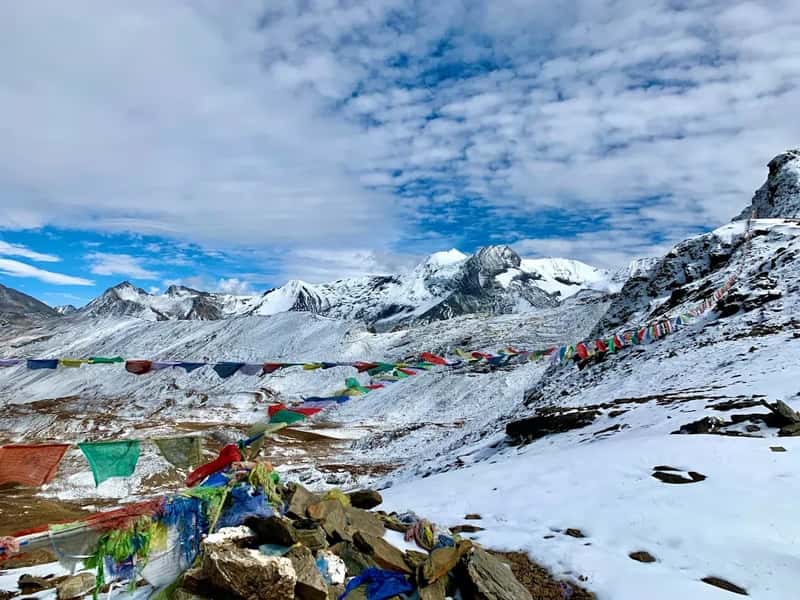
There is trash on Everest but not what would be termed a “garbage dump,” with a shredded tent here, an old rope there, and food wrappers flying by from time to time. Yes, waste has been an issue, but the situation has improved significantly. A bounty on used oxygen bottles cleared up the vast majority of abandoned bottles, and today all bottles are removed from Everest.
Nepal now requires a $4,000 garbage deposit and mandates that each climber bring down at least 8 kg of trash. A Nepal government-funded team of soldiers and Sherpas removed 11 tons of garbage, four dead bodies and a skeleton during the 2024 climbing season, though it’s estimated that 40 to 50 tons remain. Cleanup efforts continue, and while challenges remain, the mountain isn’t the dumpster some headlines suggest.
Myth 9: Weather Conditions Are Always Terrible During Climbing Season
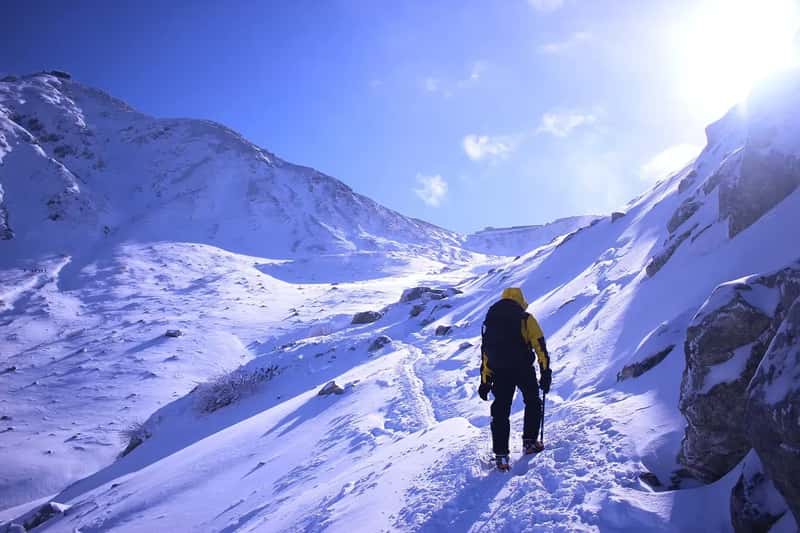
Spring from April to May provides relatively stable weather, with cold but stable conditions, clear skies and very little precipitation. The climbing season exists precisely because weather windows open up. During the spring climbing season, temperatures at the summit range between -20°C and -30°C, with more stable weather patterns making attempts possible.
One notable weather phenomenon during spring is the temporary northward movement of the jet stream. The jet stream lifts northward, winds decrease to “only” 80-100 kilometres per hour, and clear weather windows emerge more frequently. Weather is still harsh and unpredictable, but there are brief periods when the mountain becomes marginally more forgiving. Timing is everything.
Myth 10: Dead Bodies Cannot Be Removed From the Mountain
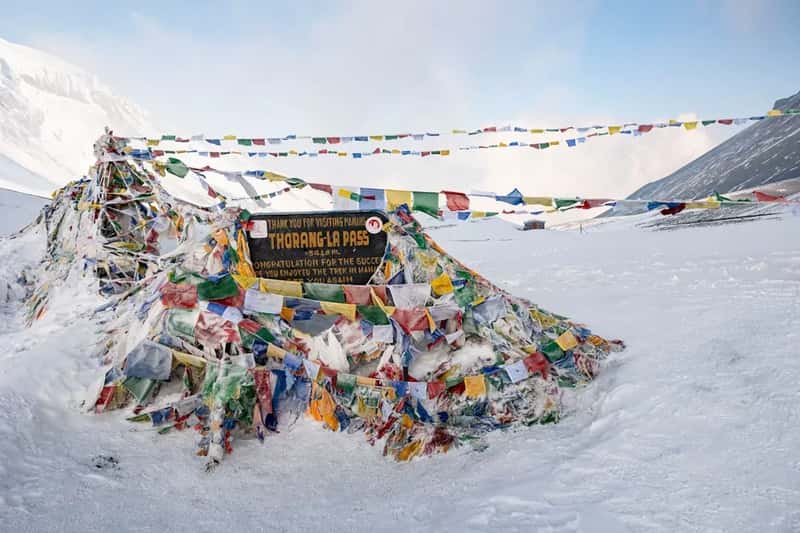
A 2015 study by the BBC placed the estimate at more than 200 bodies remaining on Mount Everest. For years, people believed these bodies were permanently frozen in place. The climbers who are part of recovery expeditions repeat the journey for each body, and the 2024 expedition aimed to recover five bodies.
The Nepal government-funded team removed 11 tons of garbage, four dead bodies and a skeleton from Everest during the 2024 climbing season. Recovery missions cost between $75,000 and $80,000 per body. Digging out one recovered body took two days, and moving a second one took 18 hours of work. Body recovery is incredibly difficult, dangerous, and expensive, but it is possible with sufficient resources and determination.
Conclusion
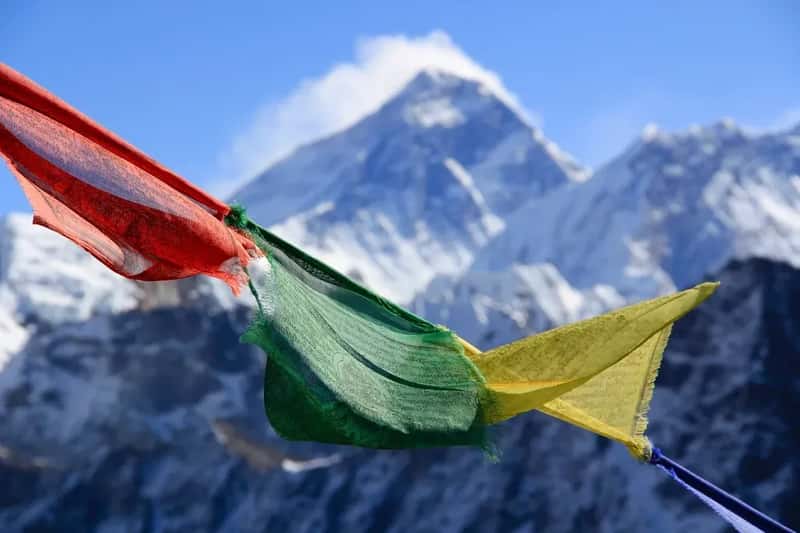
Mount Everest remains one of the most fascinating and misunderstood places on Earth. The myths surrounding it reveal how easily dramatic stories can overshadow facts. From its actual height measurements to the realities of death rates and climbing conditions, the truth is far more complex than most headlines suggest. Modern technology, better weather forecasting, and improved logistics have made the mountain safer, though it will never be easy or without risk.
The mountain continues to evolve as climate change reshapes its glaciers and routes. Mount Everest is still growing, and research shows that as the nearby river system cuts deeper, the loss of material is causing the mountain to spring further upwards. Understanding these realities helps us appreciate both the mountain’s majesty and the courage of those who attempt it. What surprised you most about these myths?