Imagine planning your dream vacation for months, only to walk off the plane and straight into a street demonstration where locals are pointing water guns at you. Sounds absurd, right? Yet for millions of travelers visiting the world’s most beloved destinations in 2024 and 2025, that has become a very real possibility.
As the number of people traveling for leisure has returned to pre-pandemic levels, places that always attracted a lot of visitors are experiencing “overtourism,” a tipping point beyond which daily life becomes unbearable for local people. The anger has moved well beyond grumbling. It is now organized, political, and in some cases, directed right at the tourists themselves. Let’s dive in.
1. Barcelona, Spain: The City That Sprayed Back
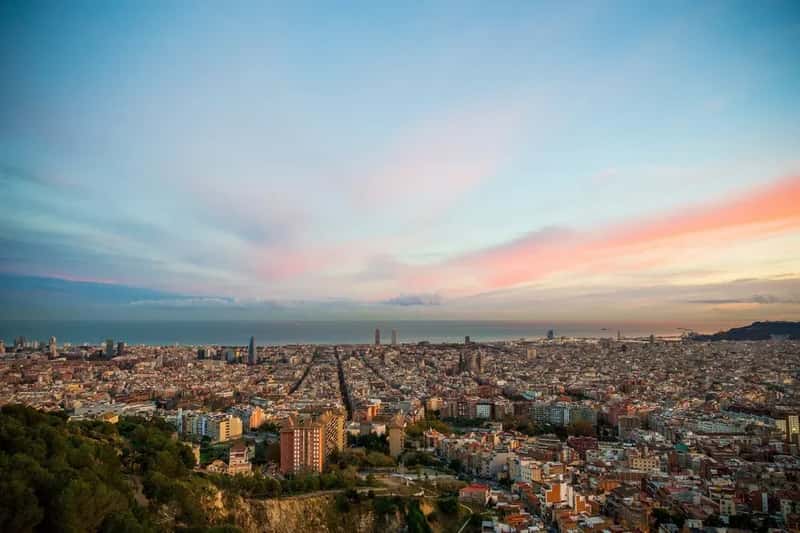
Honestly, Barcelona might be the undisputed capital of the overtourism protest movement right now. Barcelona received 26.1 million tourists in 2024, over 15 times its population of 1.7 million. That is not a statistic you can simply ignore. It is an occupation, at least in the eyes of many locals.
In July 2024, there was a protest in Barcelona of about 3,000 people. Some of the protesters used tape to seal hotel exits, cordoned off restaurants and other tourist services in public squares, and some sprayed tourists with water guns. The scenes went viral globally, and suddenly every travel blog in the world had an opinion on whether your Barcelona trip was still a good idea.
In June 2025, protests against overtourism and touristification spread across several Spanish cities as part of coordinated actions in southern Europe. Large demonstrations were reported in Barcelona, where thousands of residents marched through central neighbourhoods chanting slogans such as “Your holidays, my misery.” The city has promised action: in June 2024, Mayor Jaume Collboni said he would end short-term rentals in Barcelona by 2028, aiming to reduce the impact on the housing market. Whether that promise holds is another story entirely.
2. The Canary Islands, Spain: Paradise With a Breaking Point
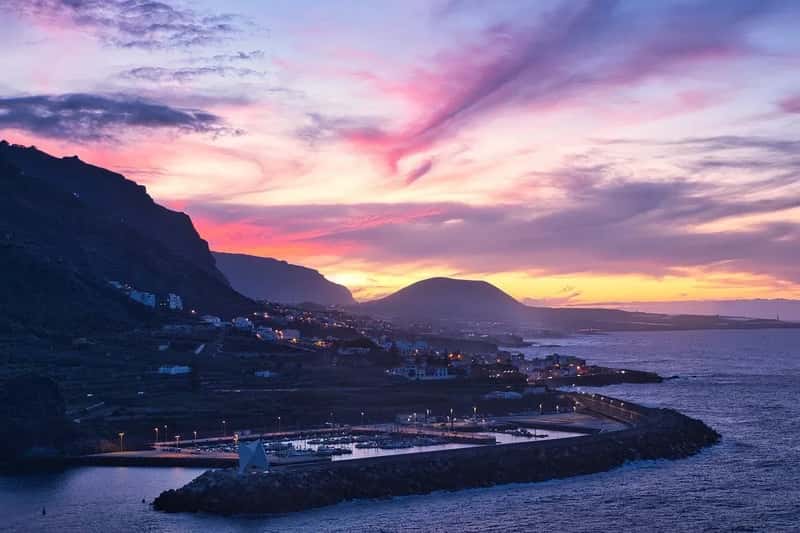
In April 2024, mass protests began in the Canary Islands, with residents calling for a temporary limit on tourism until legislation to combat the negative effects of overtourism could be introduced. Between 20,000 and 50,000 people across the islands took part in coordinated protests against excess tourism. Those are extraordinary numbers for a set of islands with a resident population of just 2.2 million.
In April 2024, around 60,000 people came out to protest under the banner Canarias tiene un límite (“The Canary Islands have a limit”), drawing attention to declining living conditions made worse by the islands’ high rates of poverty and poor health statistics. The protests were far from fringe. They were backed by environmental organisations including Greenpeace and the WWF.
In the Canary Islands in 2023, a third of residents were at risk of poverty. That context makes the tourist boom feel deeply contradictory. Tourism contributes something like 35% of regional GDP and provides approximately 40% of all jobs. The problem is that this heavy reliance has resulted in over-specialization, with tourism taking precedence over sectors like agriculture. As a result, the archipelago now imports almost 80% of its food.
3. Mallorca, Spain: When Locals Live in Their Cars
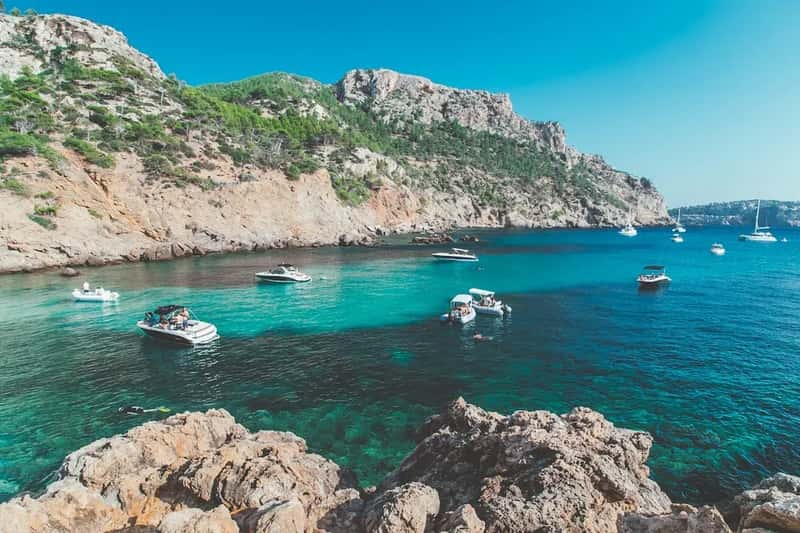
Mallorca is one of those places people dream about. Blue water, warm evenings, stunning architecture. Yet behind the postcard image is a housing crisis so extreme it is difficult to fully comprehend. By 2024, about 1,000 residents of Mallorca lived in their vehicles, as did an unspecified number of Ibiza residents. Let that sink in for a moment.
On 26 May 2024, about 10,000 people protested in Palma de Mallorca, the capital of the island of Mallorca, with other protests occurring on 25 May in Mallorca as well as the smaller Balearic islands of Menorca and Ibiza. Locals in Majorca have protested by stopping a tour bus, setting off flares and hanging a banner.
Protesters in Mallorca called on the government to prevent new residents from buying property and new tourist spots being opened. In Menorca, residents complained that the island government was ignoring local concerns even while promoting their streets to tourists, and on Ibiza there were specific concerns about the island becoming a party hot-spot. The grassroots organization Menys Turisme, Més Vida (“Less Tourism, More Life”) has vowed to intensify its efforts during every summer season going forward.
4. Venice, Italy: The City That Is Slowly Disappearing
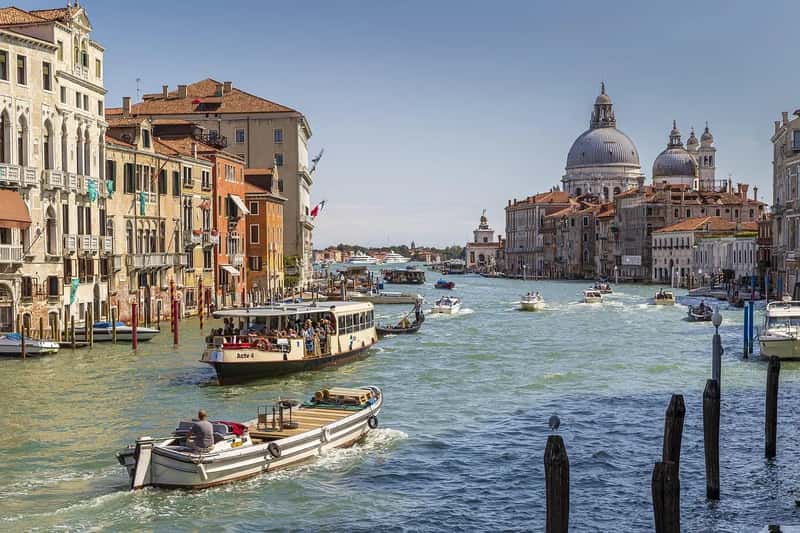
The main island of Venice is just two square miles and houses around 50,000 residents, but sees 20 million visitors a year. Think about that ratio. It is roughly the equivalent of the entire population of Australia trying to pass through a city the size of a small neighborhood. The math simply does not work.
In April 2024, Venice started charging day visitors five euros on 29 selected days, mainly weekends and holidays. This initiative, years in the making, was made to control the number of tourists and protect the city’s fragile ecosystem. Even the tourist tax itself became a protest flashpoint. On the program’s launch day, roughly a thousand protesters gathered in Piazzale Roma to oppose the measure, ultimately clashing with police in riot gear.
The most dramatic instance of overtourism tensions came in June 2025, when Jeff Bezos chose to celebrate his wedding along the Canal Grande. For several days, Venice’s historic center was transformed into a red zone: occupied by mega-yachts, patrolled by helicopters, and secured by private guards and law enforcement. Initially set to take place at the Scuola Grande della Misericordia, the wedding celebrations were moved to the Arsenale after protest threats and planned canal blockades.
5. Santorini, Greece: When 18,000 Arrive and 15,000 Live There
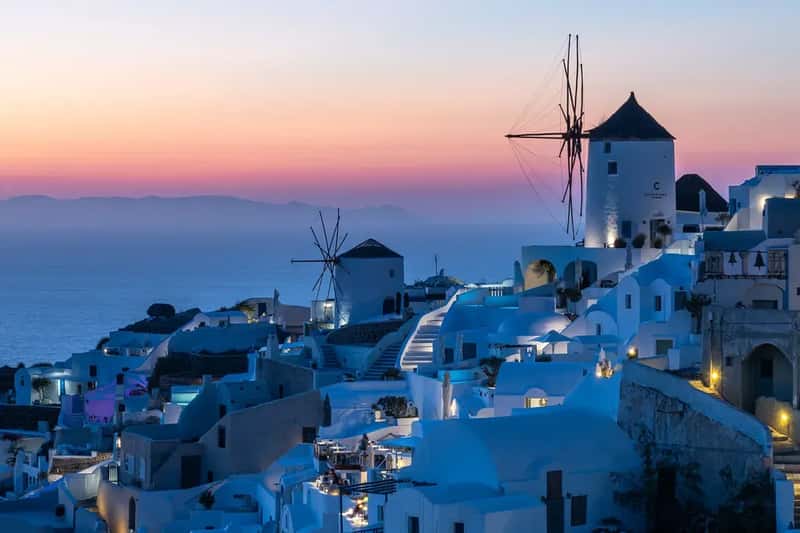
If you want a single number that captures the absurdity of modern overtourism, try this one. In 2024, Santorini reported up to 18,000 cruise passengers overwhelming the island daily, straining resources for its 15,000 permanent residents. There are days when tourists outnumber locals. Every single day.
Santorini attracted over 2 million visitors in 2024. Residents have staged protests to “send cruise ships home,” while the Greek government has introduced a twenty-euro-per-cruise-passenger fee, cruise docking limits, and sustainable tourism plans. Santorini now has an 8,000 per-day cruise visitor limit, and in 2025, a new twenty-euro cruise levy was introduced for Santorini and Mykonos during peak season.
Greece, which saw nearly four times as many tourists as its own population last year, has struggled with the strain on water, housing, and energy in the summer months, especially on popular islands such as Santorini, Mykonos, and others. On some of Greece’s most-visited islands, tourism has overlapped with water scarcity as drought grips the Mediterranean country.
6. Amsterdam, Netherlands: Europe’s Most Taxed Tourist City
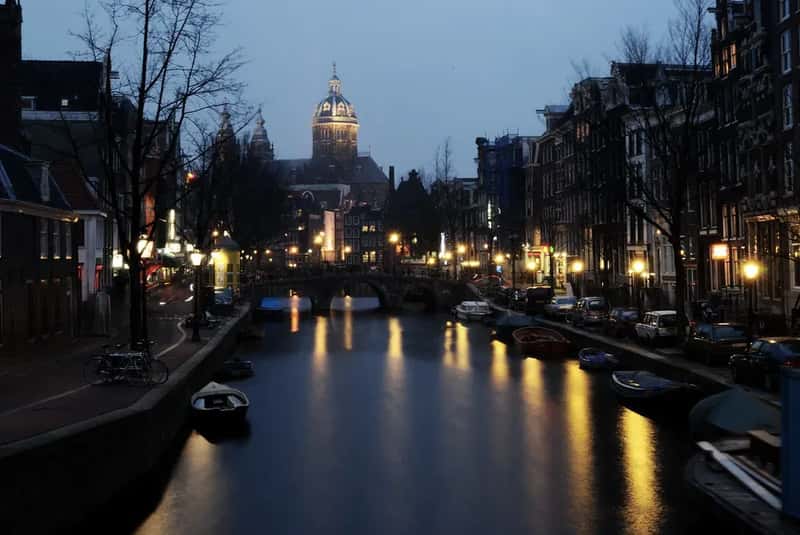
Amsterdam has arguably been fighting the overtourism battle longer and more creatively than almost anyone else. Amsterdam now has the highest tourist tax in Europe, at 12.5 percent. The city counted 22.9 million overnight stays in 2024, breaking its own ceiling of 20 million. That is a ceiling the city itself had set as a limit, which tells you everything.
Amsterdam city councillor Sofyan Mbarki has explained that over the past years, more than 75 measures have been implemented to combat the negative effects of overtourism, from rules to regulate the capacity of B&Bs and vacation rentals to relocating and reducing sea and river cruises and banning coaches in the city centre. The city even launched a famous “Stay Away” campaign targeted specifically at rowdy tourists coming for drugs and parties.
To further manage the problem, Amsterdam will cut the number of sea-cruise calls to 100 per year by 2026. Authorities fear that historic canals and neighbourhoods are being damaged by endless parties and uncontrolled flows of tourists. For visitors, all of this means Amsterdam is increasingly a city you need to navigate carefully, with rising costs and a local population that has run out of patience.
7. Lisbon, Portugal: A Hidden Gem Overwhelmed
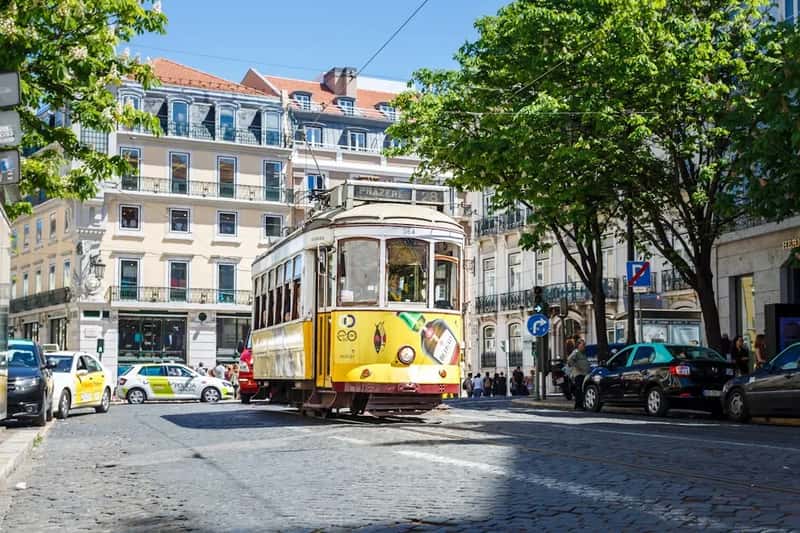
Not long ago, Lisbon was the “secret” city every travel magazine whispered about. That era is completely over. Portugal saw a 26 percent increase in arrivals in 2024, and its popularity shows no signs of waning, as the country continues to rank high on lists of best countries to visit. That kind of growth would test any city’s infrastructure.
Thousands rallied in Mallorca as the biggest gathering of protest day, while hundreds more gathered in other Spanish cities, as well as in Venice, Italy, and Portugal’s capital, Lisbon. Hundreds protested in other Spanish cities including Barcelona and Granada, and dozens of people joined in Lisbon, Portugal. Portugal’s protests have been growing steadily since 2024 and show no sign of stopping.
Lisbon doubled its tourist tax to four euros in late 2024, while Porto increased its levy to three euros. These changes are part of a wider Iberian effort to fund infrastructure and balance the impact of rising crowds. Lisbon also announced plans to halve the number of tuk-tuks allowed to ferry tourists through the city and built more parking spaces for them after residents complained that they are blocking traffic.
8. Japan: Fuji Barriers and Geisha Alley Bans

Japan’s post-pandemic tourism boom has been extraordinary, and not always in a good way. In May 2024, a temporary barrier was erected to block the view of a popular Mount Fuji photo spot, near a convenience store in the town of Fujikawaguchiko in Japan’s Yamanashi prefecture. That barrier, a giant black screen basically telling tourists to go away, became one of the most recognizable symbols of the global overtourism crisis.
In Fujikawaguchiko, leaders erected a large black screen in a parking lot to deter tourists from overcrowding the site. The tourists apparently struck back by cutting holes in the screen at eye level. That small act of defiance says a lot about how some travelers respond to local frustrations. It is hard to read that and feel good about it.
Japanese officials introduced a mandatory 2,000-yen climbing fee in 2024 on Mount Fuji’s popular Yoshida Trail and capped daily access to 4,000 hikers. In Okinawa, UNESCO-protected Iriomote Island now limits daily tourists to 1,200, while Kyoto has banned tourists from entering private alleys in the Geisha district due to overtourism protests from residents. As international tourism to Japan grows, approximately three-quarters of overnight stays are concentrated in just five prefectures, highlighting a significant geographic imbalance.
9. Bali, Indonesia: Sacred Mountains and a Tourist Levy
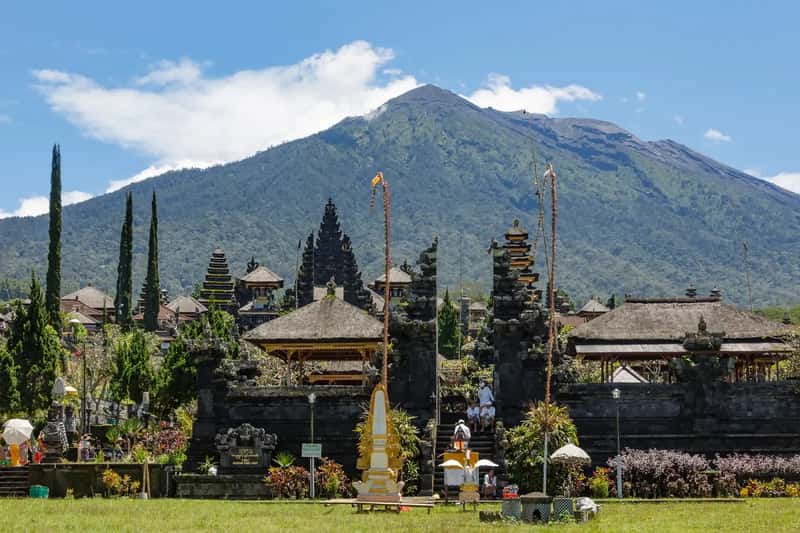
Bali has long been the world’s poster destination for a spiritual escape. The reality in 2024 and 2025 is considerably messier. The once-idyllic island saw approximately 6 million international visitors in 2024, sparking heavy backlash. Locals and grassroots activists are protesting the disappearance of sacred paddy fields, illegal construction of resorts, and untreated plastic pollution on beaches.
Outgoing Governor Koster issued new guidelines in 2023 for Bali’s development over 2025 to 2125, focusing on protecting nature, culture, and local people. In 2023, the government also announced a ban on tourist activities on all 22 of Bali’s sacred mountains. That is a ban on 22 sacred mountains. The scale of the problem being addressed here is enormous.
The government has responded with a ten-dollar visitor levy, expanded eco-tourism initiatives, and bans on single-use plastics and tourist motorbike rentals. The goal is to attract higher-spending, longer-staying tourists who respect the culture and promote quality, sustainable tourism. Whether budget platforms and cheap flights will allow that shift to happen is the real question.
10. Mexico City, Roma Norte: “Gringos Leave”
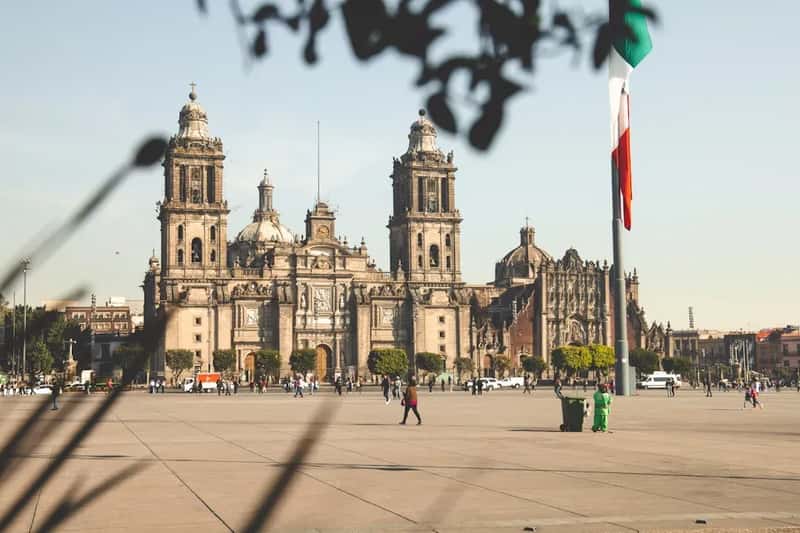
This one surprised a lot of people. Mexico City’s trendy Roma Norte neighborhood, long beloved by digital nomads and American expats, became a flashpoint for some of the most confrontational overtourism protests outside Europe. One traveler at a rehearsal dinner in Roma Norte described hearing a “rumbling” outside, then seeing from the restaurant’s second story a large group of people moving through the streets, some holding placards, shouting “Gringos leave.”
Demonstrators smashed restaurant windows and damaged vehicles, including the new car of a local wedding planner, a resident of the neighborhood. Mirrors were ripped off, the side was spray-painted, and windows were smashed. It was, by all accounts, genuinely ugly. This is not the squirt-gun theater of Barcelona. Mexico City’s protests have carried a sharper, more volatile edge.
The underlying issue is the same as everywhere else on this list. Residents’ reactions tend to evolve as overtourism intensifies. They may tolerate it at first, then voice concerns, sometimes turn confrontational, and ultimately search for ways to adapt and push for constructive change. Following protests throughout Spain in 2024, tourist arrivals actually increased by 4.1 percent in the first seven months of 2025, according to Spain’s National Statistics Institute. Protests, it seems, have yet to stop the wave.
Conclusion: The Welcome Mat Is Being Pulled Back
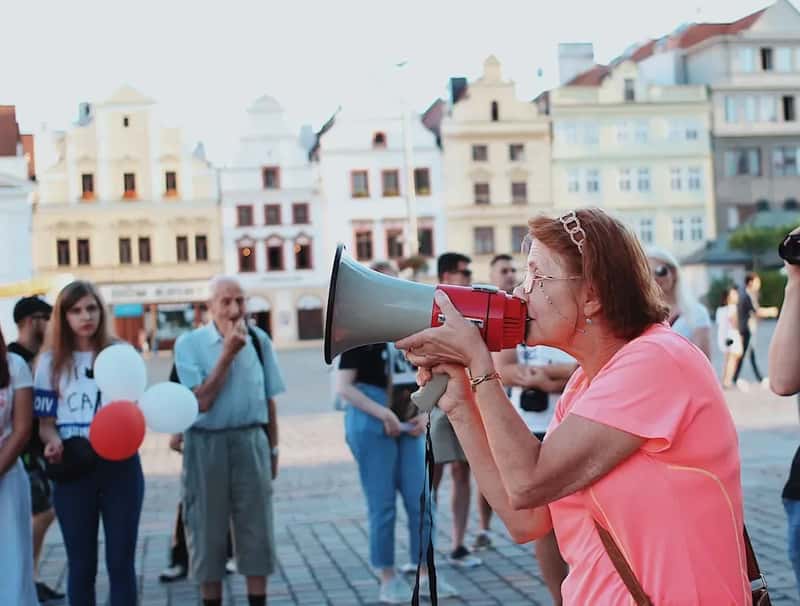
There is a pattern running through every single destination on this list. European countries hosted an estimated 756 million tourists in 2024, 46 million more than in the preceding year. The numbers are staggering, and the infrastructure, the housing, the culture, and the patience of locals simply cannot keep up.
I think the honest truth here is that travelers carry more responsibility than the tourism industry has ever told them. Choosing when to visit, where to stay, and how to behave are not just personal preferences. They are decisions that shape someone else’s neighborhood, rent price, and daily life. Local voices are often missing from critical discussions, which hurts destinations in the long run.
With protests now expanding into multiple countries and cities, there is growing speculation that these movements could evolve into a pan-European push for tourism reform. The destinations that figure out how to balance visitor numbers with the quality of life of their residents will thrive. Those that don’t are heading toward a slow collapse of the very thing that drew people there in the first place. What kind of traveler do you want to be?