Hawaii has spent decades as the gold standard for the American dream vacation, the place people save years to visit. Lately, though, the numbers tell a more complicated story. Fewer mainland travelers are booking trips even as the islands remain as beautiful as ever, and the reasons behind that shift are less about the scenery and more about money, policy, and mood.
1. The overall cost of a trip has climbed sharply
A Hawaii vacation has always carried a premium price tag, but recent numbers show that premium getting steeper. Industry cost breakdowns for 2026 put a mid-range week for a couple at roughly $1,750 to $2,800, not counting the extras that tend to surprise first-time visitors. Hawaii Tourism Authority’s 2025 visitor statistics show the average daily hotel rate across the state hit $342 in 2025.[1]
That figure varies a lot by island. Maui and the Big Island’s resort areas run higher, while Oahu outside Waikiki and Kauai’s south shore tend to run lower.[1] For families comparing options, that kind of spread makes budgeting a Hawaii trip feel more like a financial planning exercise than a simple getaway decision.
2. A new Green Fee and higher lodging taxes took effect in 2026
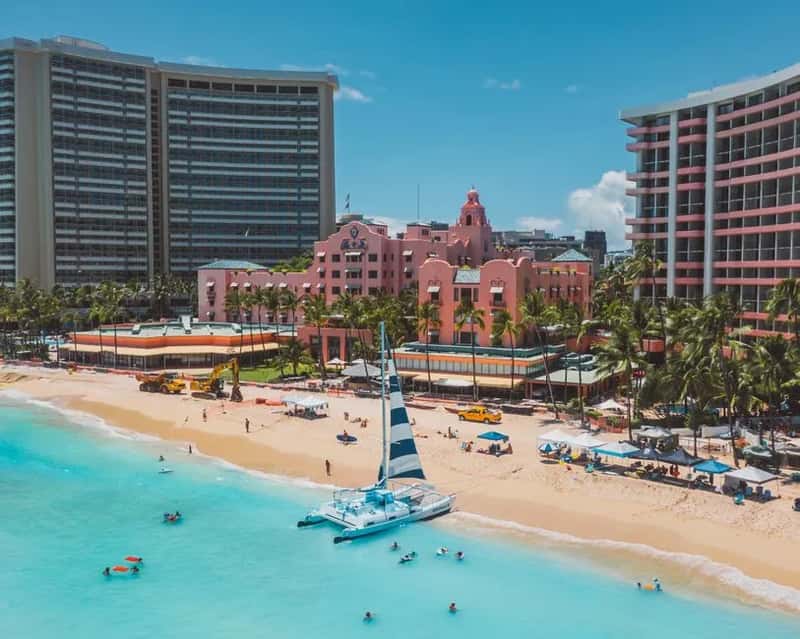
Starting January 1, 2026, Hawaii introduced something no other U.S. state has tried before. Hawaii introduced the nation’s first climate impact fee, known as the Green Fee, which raised the state Transient Accommodations Tax from 10.25% to 11%.[2] Once county surcharges and the general excise tax are added in, the total tax burden on a hotel bill becomes substantial.
Add the county surcharge of up to 3% and the 4 to 4.5% general excise tax, and total lodging taxes can reach nearly 19% of a hotel bill, meaning roughly $85 a night in taxes alone on a $450 room.[3] Cruise passengers are not exempt either. Starting January 1, 2026, cruises are taxed based on time docked in Hawaiian ports, with Norwegian Cruise Line estimating this adds $350 per person to typical Hawaii cruises.[4] For travelers already stretched thin, that extra line item on the final bill lands as one more reason to look elsewhere.
3. Hawaii’s image has tilted toward luxury, pushing out mid-range travelers
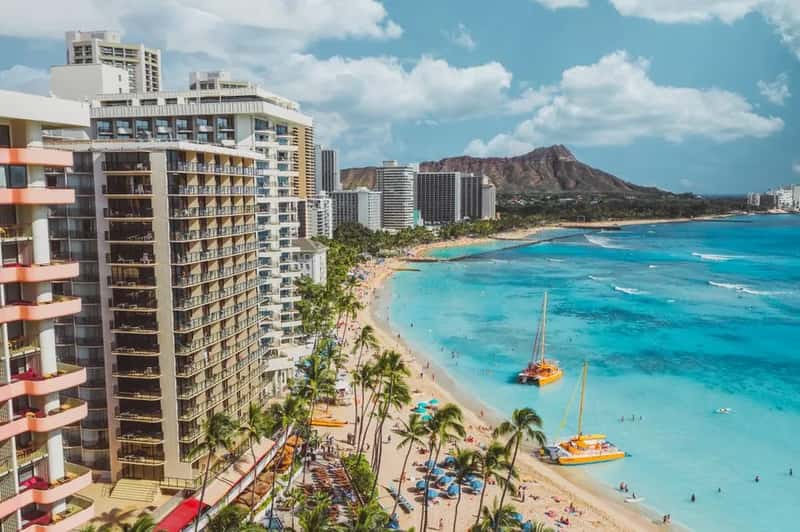
Tourism officials themselves have acknowledged a shift in positioning that is not accidental. During a Spring Tourism Update, Hawaii’s former interim HTA president and CEO Daniel Nahoopii said Hawaii’s image has increasingly become associated with luxury and premium offers.[5] That branding helps attract big spenders, but it comes at a cost.
He noted plainly that while this appeals to some travelers, it can create a distance between the islands and a more mid-range traveler, an important segment for the long-term sustainability of the tourism industry.[5] Families who once considered Hawaii an aspirational but achievable trip are increasingly finding themselves priced out of the conversation entirely.
4. Fewer flights are making the mainland connection harder
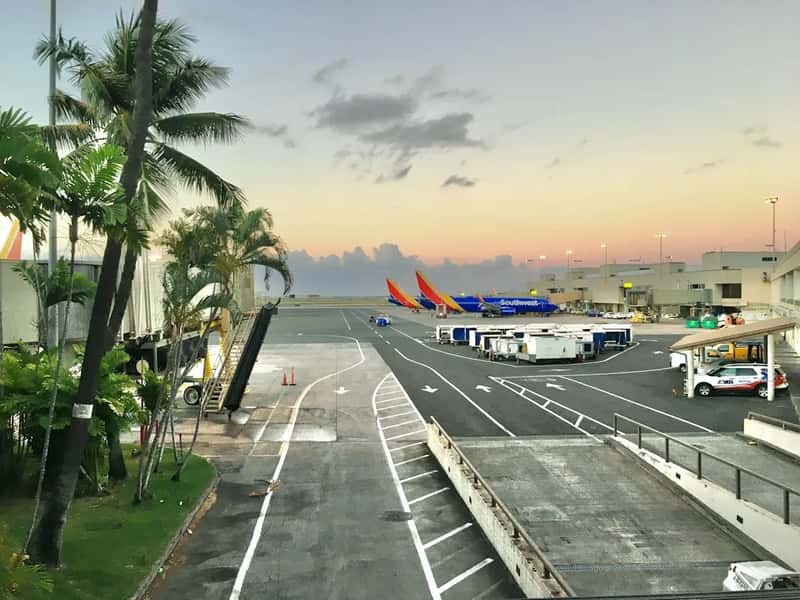
Getting to the islands has become less convenient, not more. DBEDT forecast that just over 7 million U.S. travelers would visit Hawaii in 2025, a decline of 2.7% from the prior year, while total transpacific U.S. air seats were projected to dip 1.7% year over year to 10.4 million.[5] That is not a small technical detail for airlines; it directly limits how many people can even get a seat to the islands in the first place.
The seat count has been trending down for a while now. That figure was off more than 4% from the total number of domestic air seats to Hawaii in 2023.[5] Reduced airlift means higher fares and fewer convenient departure times, both of which quietly discourage travelers who might otherwise book a trip.
5. Vacation rental crackdowns are shrinking lodging options
Housing policy on Maui has become a genuine factor in trip planning. Maui signed Bill 9 into law in late 2025, phasing out roughly 7,000 apartment zoned vacation rentals known as Minatoya List properties, with West Maui units required to stop operating by January 1, 2029 and the rest of Maui County following by 2031.[2] Owners are not waiting until the deadline to react.
Nothing disappears overnight in 2026 or 2027, but owners are already pulling listings, so travelers booking a Maui vacation rental need to confirm it is legally zoned before paying a deposit.[2] On top of that, the Big Island introduced its own registration law, Bill 47, which took effect in July 2026,[2] adding another layer of uncertainty for anyone trying to book a condo instead of a hotel.
6. Lingering effects of the Maui wildfires still shape traveler decisions
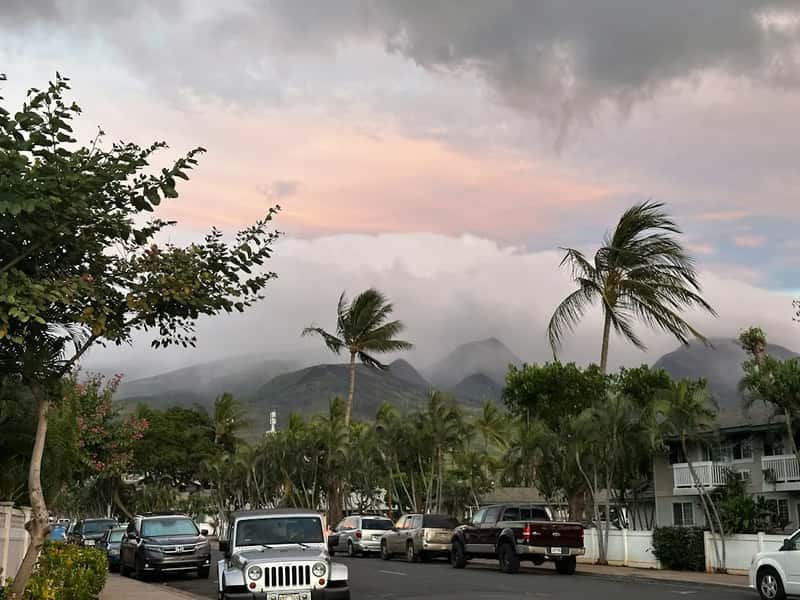
More than two years after the Lahaina fire, its aftermath continues to color how some Americans feel about visiting. In the months following the disaster, tension between economic necessity and community grief became a defining feature of Maui tourism. Tensions peaked over the lack of long-term, affordable housing for wildfire evacuees, with dozens camping out in protest at a popular tourist beach and hundreds marching between hotels waving signs reading “We need housing now!” and “Short-term rentals gotta go!”[6]
That friction has not fully faded from public memory. Some travelers, wary of intruding on a place still rebuilding, have simply chosen to wait or vacation elsewhere instead, even as officials continue encouraging visits to unaffected areas of the islands.
7. A broader anti-tourism mood has reached the islands

Hawaii is not alone in facing pushback from residents who feel overwhelmed by visitor numbers, but the sentiment has clearly taken root locally too. Anti-tourism sentiment has been rising not only in Hawaii but around the world, echoing demonstrations elsewhere against overtourism.[7] Some longtime visitors are reconsidering their own role in that dynamic.
One San Francisco writer who has traveled to Hawaii for two decades described a genuine shift in thinking. She started questioning whether her presence was inflicting more harm than good after reading articles during the pandemic about how tourism has contributed to pollution and harm to the environment.[7] That kind of quiet self-reflection, multiplied across thousands of would-be travelers, adds up to fewer bookings even without any formal boycott or campaign.
8. More reservation requirements are making trips feel less spontaneous

Part of what made Hawaii appealing was the ability to simply show up at a beach or trail and enjoy it. That is changing. More attractions require reservations than ever before,[2] a shift meant to manage crowding and protect fragile natural sites but one that also adds friction for casual travelers.
Popular spots like Haleakala sunrise viewing and certain snorkeling beaches now require advance booking, sometimes weeks ahead. For visitors used to flexible, walk-up island days, the extra planning step turns a relaxing trip into something closer to a logistics project, and not everyone finds that trade-off worth it.
9. Americans are favoring shorter, regional trips over long-haul flights

Travel habits among U.S. residents have shifted in ways that work against Hawaii specifically. Changing travel behavior among U.S. residents has contributed to the decline, as more Americans opt for regional trips and short-haul flights instead of long-haul vacations like those to Hawaii.[8] That preference makes sense given rising costs everywhere and a general fatigue with long flights.
A five or six hour flight to Hawaii simply asks more of a traveler’s time and budget than a quick weekend drive or a short domestic hop. When money is tight, that extra travel burden becomes an easy category to cut when planning a year of trips.
10. Cheaper tropical alternatives are pulling travelers away
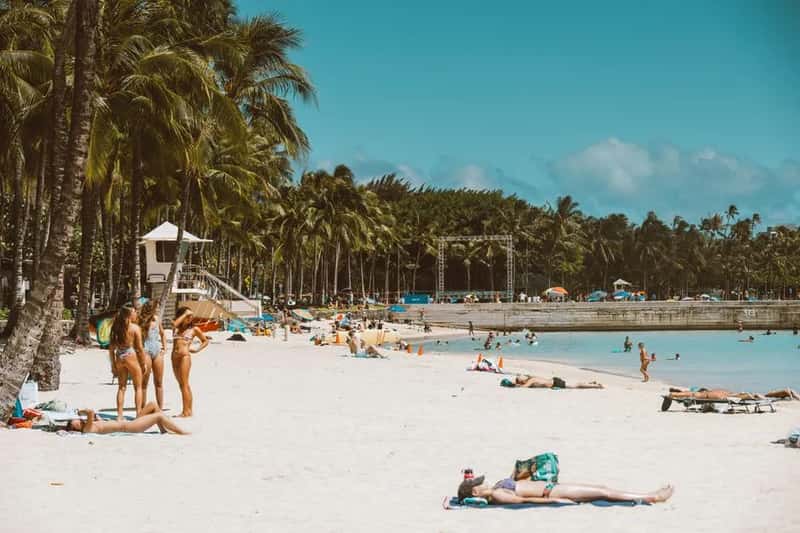
Mexico and the Caribbean have become the default comparison point for anyone pricing out a Hawaii trip, and the math often favors the alternatives. A 7-night Caribbean all-inclusive for a family of four costs $4,000 to $7,000 in 2026, while a comparable Hawaii trip runs $7,500 to $9,500, making the Caribbean typically $2,000 to $4,000 cheaper.[9] For East Coast families in particular, the flight savings compound the difference even further.
Mexico offers its own version of the same value pitch. Cancun receives direct service from more than 40 US airports, while most Caribbean destinations have direct flights from only 8 to 15 US cities, meaning fewer direct routes translate to connections, longer travel days, and higher fares for many families.[10] Puerto Rico adds another wrinkle to the comparison since it requires no passport at all for American travelers, giving budget conscious vacationers a tropical option that feels just as accessible as Hawaii without the same price tag.
None of this means Hawaii has lost its appeal entirely. The islands still draw millions of visitors every year, and spending from those who do go has actually risen even as total visitor counts soften. What has changed is the calculation travelers make before booking, weighing rising costs, new fees, shrinking lodging options, and a shifting cultural mood against a growing list of cheaper, easier alternatives. For a certain kind of traveler, that math no longer adds up the way it once did.