For decades, a Hawaii vacation was the default answer to “where should we go this year.” Warm water, no passport required, direct flights from nearly every major mainland hub. That default is getting a second look lately, and not because the beaches got worse.
A mix of new taxes, weather disruption, lingering wildfire recovery, and a broader shift in who travels where has changed the math for a lot of would be visitors. None of it means Hawaii has stopped being beautiful. It just means the decision to go isn’t quite as automatic as it used to be.
1. The lodging tax stack has climbed toward 19 percent
Starting January 1, 2026, Hawaii added a new layer to its hotel bill known as the Green Fee, a climate impact fee charged to visitors, raising the state tax on hotels, vacation rentals, and timeshares[1]. On its own the increase looks small. It amounts to an extra 0.75 percent, raising the statewide Transient Accommodations Tax from 10.25 percent to 11 percent, which works out to about three dollars a night on a 400 dollar room.[2]
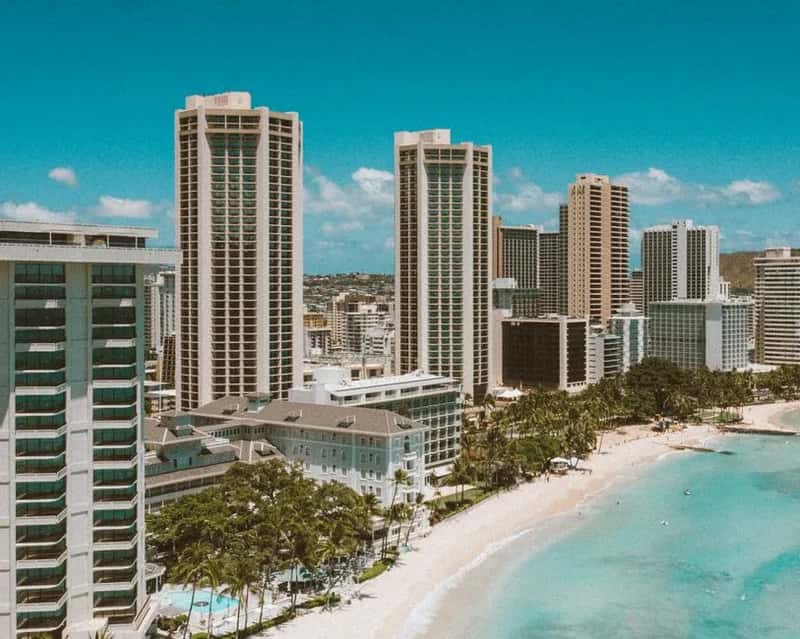
The real sticker shock comes from stacking that fee on top of everything else already on the bill. Add the general excise tax, which hotels routinely pass to guests at roughly 4 to 4.5 percent, and a breakdown of the new lodging taxes puts the total on a visitor stay close to 19 percent.[1] For a family booking a week in a mid range Waikiki hotel, that tax load alone can rival the cost of a couple of extra nights elsewhere.
2. Everyday costs on the ground keep climbing
Taxes are only part of the story. Accommodation, dining, and activity prices have surged, challenging tourists to balance their budgets while enjoying all the islands have to offer.[3] Museum tickets, luaus, snorkel charters and rental gear have all crept upward faster than wages have for most visitors back home.
Travel writers tracking the islands closely have started putting real numbers on a typical trip. Stack accommodation, car rental, food, and activities together, and a mid range trip runs about 3,500 dollars per person, while a luxury trip can run 7,000 dollars or more.[4] That’s a meaningful jump from what many families budgeted for a Hawaii trip just a few years back, and it’s pushing some to compare notes with other beach destinations before committing.
3. Airfares have gotten less predictable
Getting to Hawaii used to be the easy part of the trip. That’s shifted in 2026, largely because of fuel costs tied to global oil disruptions. Instability in the Strait of Hormuz has created serious risk in global oil markets and driven up jet fuel costs, with Alaska Air Group’s April earnings report showing fuel costs jumping to 4.75 dollars per gallon, up from a first quarter average of 2.98 dollars.[5]
Airlines have passed a good chunk of that along to passengers. Airlines are passing that cost along through higher fares, and reduced competition on some routes is keeping prices elevated, with summer economy roundtrips from the West Coast running 800 to 1,329 dollars.[5] Booking early and avoiding peak weekend departures still helps, but the cushion for last minute deals has largely disappeared.
4. Storms have disrupted spring and summer trips
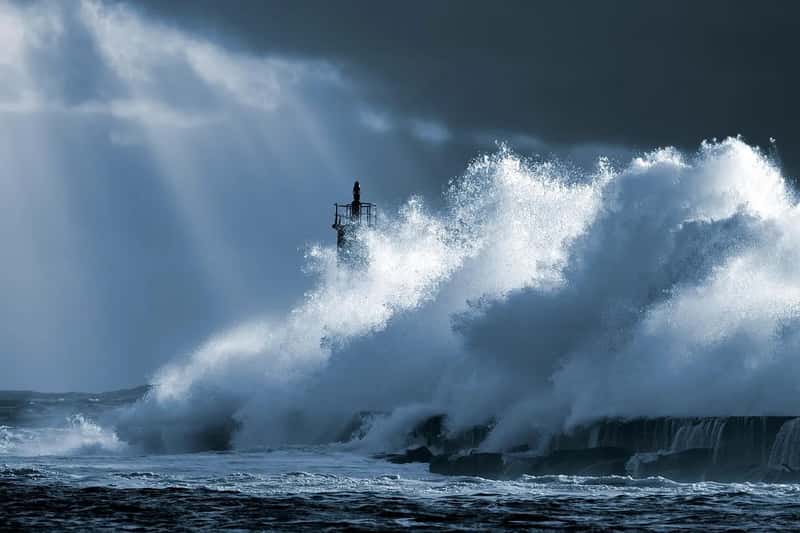
Weather has become an unusually large factor in Hawaii trip planning this year. A series of Kona Low storms hit the islands in March 2026, arriving right when spring break crowds usually show up and causing a significant reduction in arrivals.[6] Flights were delayed and several popular attractions closed their doors for days at a stretch.
The financial toll was substantial and well documented by state officials. Hawaii was still recovering from two back to back Kona Low storms that pounded the islands in mid March, which an official release from the Governor’s office and DBEDT estimated caused 300 million dollars in lost tourism revenue in March alone.[5] For travelers who had trips booked around that window, the uncertainty alone was enough to make some reconsider timing their next visit for a calmer season.
5. Lahaina is still very much a work in progress
More than two years after the August 2023 wildfire, West Maui is open, but the historic heart of Lahaina is not what visitors remember. Resorts and restaurants in West Maui are running normally, while the historic core of town, including most of Front Street, is still closed and under construction.[7] A meaningful reopening milestone came in August 2026, when a stretch of Front Street reopened to vehicles for the first time since the fire.
Rebuilding is measurable but slow, and it colors how some travelers feel about visiting at all. As of July 1, 2026, Maui County had issued 572 rebuilding permits, with 234 homes fully completed, 310 under active construction, and 349 permits still in process, according to FEMA’s monthly recovery fact sheet.[7] Some visitors choose to skip West Maui entirely out of respect for a community still rebuilding homes, while others simply wait for the harbor and Front Street to feel less like a construction zone.
6. Crowding has worn down the trails and coastline

Hawaii’s natural attractions were never built for the volume they’ve absorbed over the past decade. Prior to the pandemic, Hawaii welcomed over 10 million visitors annually on islands home to only about 1.4 million residents, roughly the equivalent of inviting seven guests into every household for an entire year.[8] That kind of traffic leaves a mark on fragile terrain.
Hiking paths in particular have taken visible damage from sheer foot traffic. Hawaii’s hiking trails are gorgeous but fragile, and when thousands of extra feet tromp over muddy paths, the soil erodes faster than local agencies can repair it.[8] For travelers who picture quiet, untouched nature when they think of Hawaii, the reality of packed trailheads and roped off viewpoints can be a letdown worth planning around.
7. Housing pressure has fueled local frustration with tourism

Short term vacation rentals have become a flashpoint in the islands, especially on Maui. Researchers who study tourism’s impact note that staying in hotels rather than Airbnbs helps avoid contributing to Hawaii’s housing crisis, since as one longtime resident put it, a normal person can’t buy a home there anymore.[9] That tension has spilled into public meetings and protest signs.
Maui’s government has started responding directly. Maui County’s vacation rental phaseout law, Bill 9, signed in late 2025, targets apartment zoned short term rentals, with West Maui properties set to transition by January 2029.[10] Travelers who’ve read about the housing squeeze sometimes come away feeling like their visit adds strain to a community already stretched thin, even if that wasn’t their intention.
8. International visitors are staying away in larger numbers
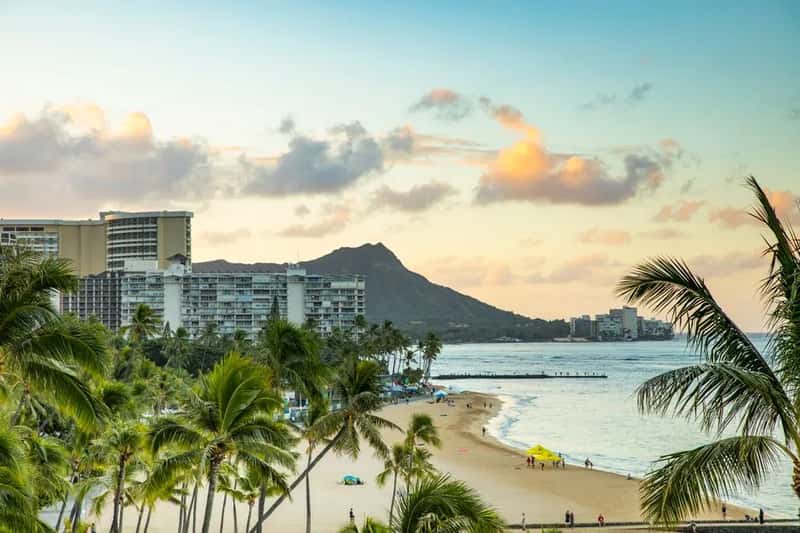
Hawaii’s international arrivals have thinned out noticeably compared to a few years ago. Neighbor island airports are expected to outperform Honolulu in 2026, reflecting continued strength in domestic travel and dampening in international demand, with international capacity at Daniel K. Inouye International Airport projected to drop 8 to 13 percent from July through October.[11] That’s a steep pullback for a destination that once relied heavily on visitors from Japan, Canada, and Australia.
The result is a tourism economy leaning almost entirely on one source market. With international visitor rates at an alarming all time low, the weight of Hawaii’s tourism industry is being carried almost exclusively by mainland visitors on the East and West Coasts.[12] That imbalance makes the islands more vulnerable to shifts in mainland travel habits, and it’s changed the mix of people you’ll actually run into on a typical trip.
9. The islands are increasingly built for high spenders
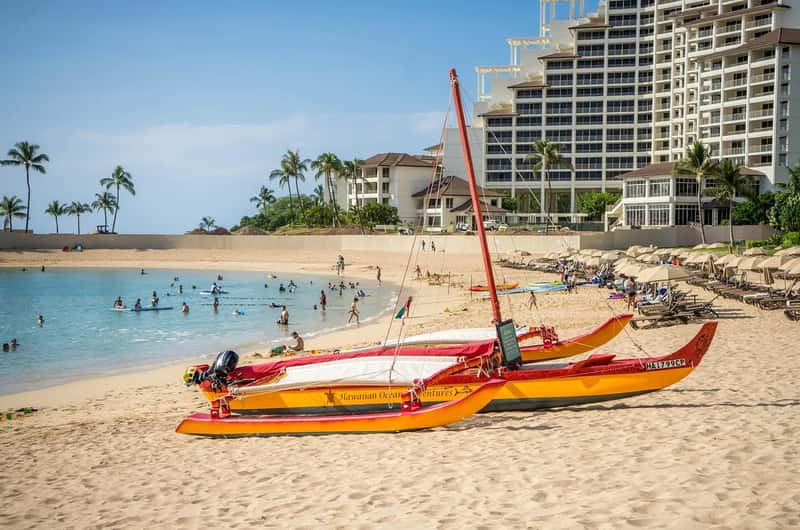
A broader shift in American travel spending is reshaping who Hawaii feels designed for. A national travel industry study tracking affluent Americans since 2007 found that the top 10 percent of U.S. households now account for more than half of all leisure travel spending, projected at 544 billion dollars annually, and take an average of 4.3 trips per year while the top 1 percent take six.[13] Those travelers barely notice a tax hike or a pricier resort rate.
For everyone else, the gap is widening fast. Per trip spending among the top 10 percent has climbed to 7,900 dollars, up from 5,100 dollars just three years ago, compared with about 3,700 dollars for the average American traveler.[13] Middle income families who used to treat Hawaii as an attainable splurge are finding the resorts, restaurants, and even the beach cabanas increasingly priced toward a different kind of traveler.
10. Competing destinations are looking more attractive by comparison
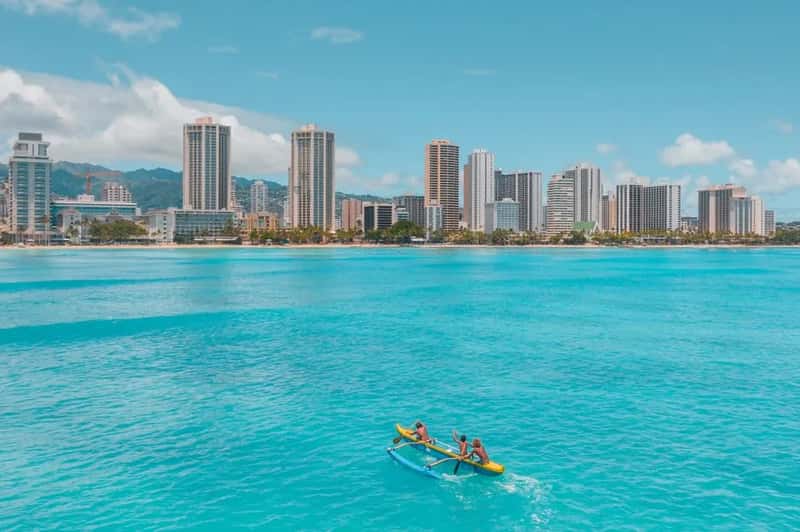
Hawaii isn’t the only warm weather option anymore, and travelers are noticing the alternatives. Hawaii’s status as one of the best places to travel has changed in the last few years, with the islands’ popularity taking something of a hit as Hawaii loses ground to competing destinations.[6] Trips to the Caribbean, Mexico, or domestic beach towns often come with a lower total cost and fewer logistical headaches.
State officials are aware of the shift and are trying to counter it. Officials warn that without stronger, clearer marketing and messaging, particularly after major storms, Hawaii risks losing ground to competing destinations at a time when visitor confidence is fragile.[11] Whether that messaging turns hesitant travelers back around remains an open question heading into the rest of 2026.
For now, none of this adds up to Hawaii falling out of favor entirely. Mainland arrivals are still projected to grow modestly, and plenty of travelers report feeling perfectly welcomed and happy with their trips despite the higher price tag. What’s changed is the calculus: more people are weighing the cost, the timing, and the state of recovery before they book, rather than assuming Hawaii is simply the obvious choice it once was.