You can usually spot them before they even open their mouth. They move through airports with a kind of quiet efficiency that newer travelers just don’t have yet, and there’s rarely any fumbling at security or frantic gate-checking of bags. It’s not about designer luggage or a passport stuffed with stamps either. The real signs are smaller, stranger, and honestly a lot more telling than most people assume.
1. They pack absurdly light, and it’s intentional
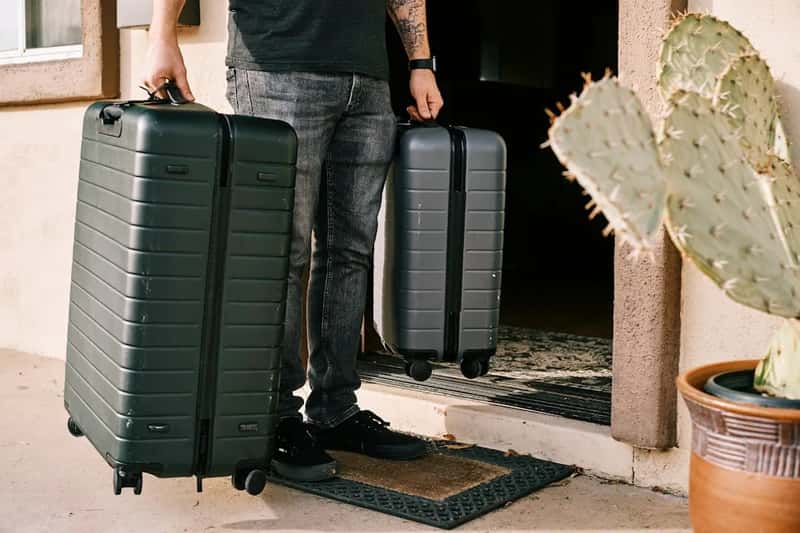
Ask a seasoned traveler how long they’re gone for, and the answer often doesn’t match the size of their bag at all. A person heading out for three weeks with only a carry-on isn’t showing off. They’ve simply learned, usually the hard way, that hauling a giant suitcase through cobblestone streets or up four flights of stairs in a walk-up rental is its own kind of punishment.
This habit tends to come from repetition rather than any packing hack video. Frequent flyers know which fabrics wrinkle, which shoes double for hiking and dinner, and how laundry in a sink solves ninety percent of wardrobe problems. It’s less about minimalism as a philosophy and more about not wanting to fight a suitcase down a train platform ever again.
2. They treat travel insurance and documentation as non-negotiable

Newer travelers sometimes skip insurance, betting on nothing going wrong. Experienced travelers rarely make that bet twice. According to the U.S. Travel Insurance Association, interest in travel protection has climbed steadily as more people report unexpected trip disruptions from weather, medical issues, or cancellations.
They also tend to keep digital and physical copies of passports, visas, and vaccination records separated across devices and bags. It’s not paranoia so much as pattern recognition. Anyone who has lost a passport in a foreign city once tends to build redundancy into every trip afterward.
3. They know the difference between a tourist trap and a genuine local spot

A well-traveled person doesn’t automatically avoid busy restaurants, but they’ve developed a sharper instinct for reading a menu, a crowd, or a price tag. If a place near a major landmark has a photo menu in six languages and no locals eating there, that’s usually a quiet red flag they’ve learned to notice.
This instinct isn’t mystical. It comes from comparing enough good and bad meals across enough cities that patterns start to emerge. They’ll often walk two or three blocks further than a casual visitor would, simply because experience has taught them that distance from a tourist center tends to correlate with better food and fairer prices.
4. They understand time zones, jet lag, and layovers better than most

Frequent flyers rarely book the tightest possible layover, even when the app suggests it. They’ve been burned by delayed flights enough times to build in buffer time instinctively. Groups like the Sleep Foundation note that adjusting sleep schedules gradually before long-haul flights can meaningfully reduce jet lag symptoms, and seasoned travelers often apply this without even thinking about it as a “technique.”
They also tend to know which airports have brutal walks between terminals and which ones don’t. This kind of geographic memory builds up slowly, flight by flight, until it becomes almost automatic. It’s a quiet form of expertise that only shows up when something goes wrong and they don’t panic.
5. They rarely over-plan every single hour
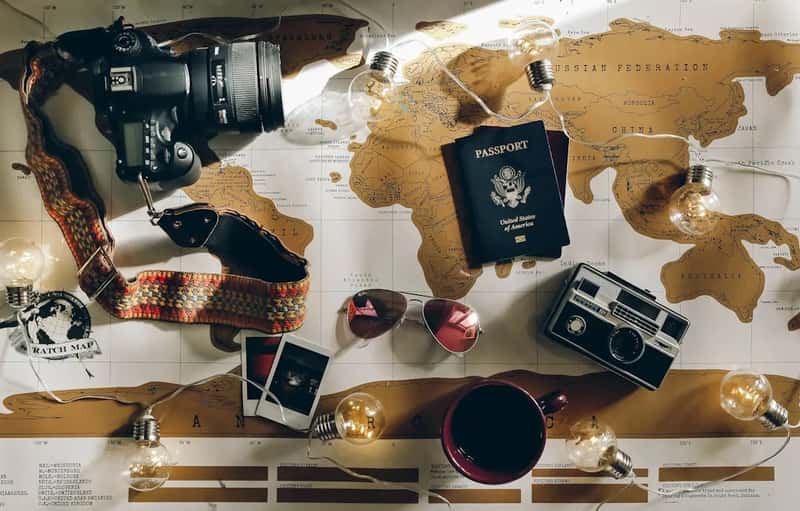
New travelers often build detailed itineraries down to the hour, terrified of “wasting” a day. Experienced travelers tend to loosen that grip. They’ve learned that some of the best travel memories happen in the unplanned hour between two scheduled stops, not during the stops themselves.
This doesn’t mean no planning at all. It means the itinerary becomes a rough skeleton rather than a rigid script. Flexibility, more than knowledge, tends to be the real marker of someone who has traveled enough to trust that things usually work out.
6. They budget in a way that avoids both overspending and needless suffering
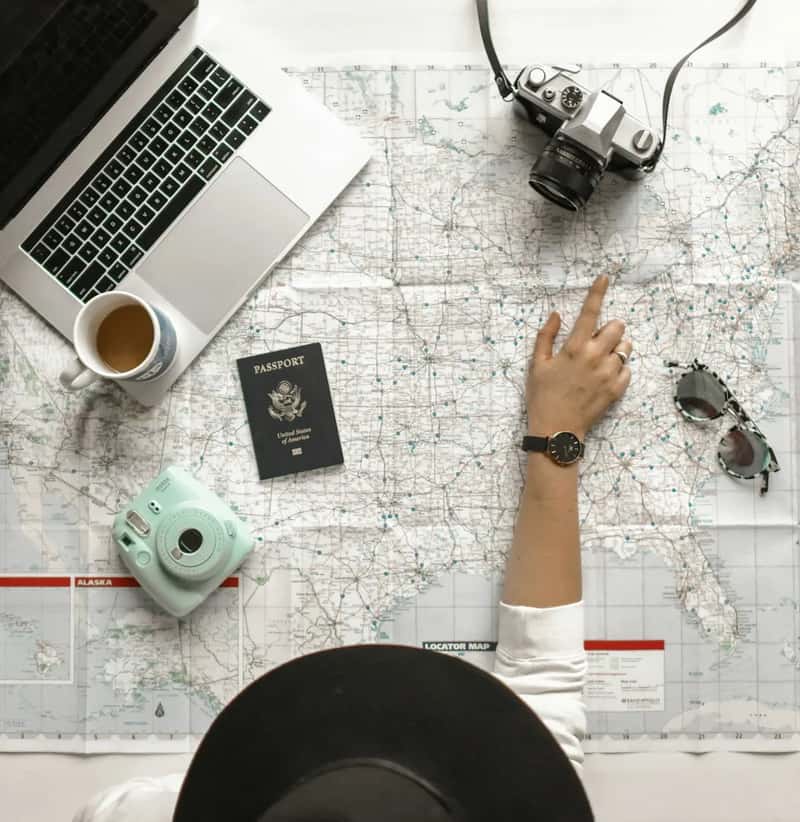
There’s a common myth that experienced travelers are always cheap, chasing the lowest price no matter what. In reality, most of them have learned where spending more actually improves the trip and where it doesn’t matter at all. They’ll happily pay extra for a better located hotel but skip the pricey guided tour they could easily do on their own.
This balance usually comes from trial and error rather than any single budgeting rule. They’ve overpaid for things that didn’t matter and underpaid for things that mattered a lot, and adjusted from there. The result looks like discipline, but it’s really just accumulated data from past trips.
7. They stay calm when plans fall apart

Missed connections, canceled trains, sudden strikes. None of these are rare occurrences in global travel, and anyone who has been on the road long enough has hit at least one of them. What separates an experienced traveler isn’t avoiding these situations, but reacting to them without spiraling.
They tend to have a mental backup plan running quietly in the background at all times. This isn’t anxiety, it’s more like low-level readiness built from repetition. A canceled flight to someone new can feel like a crisis, while to a frequent traveler it’s often just an annoying but familiar inconvenience.
8. They respect local customs without being performative about it

Experienced travelers tend to research basic etiquette before arriving somewhere new, not to appear impressive, but because they’ve seen how much smoother interactions go when locals feel respected. Small things like appropriate dress at religious sites, tipping norms, or greeting customs get quiet attention rather than public announcement.
This awareness usually builds from actual mistakes made early in their travels. Nearly every seasoned traveler has a slightly embarrassing story about a cultural misstep from their earlier trips. That memory tends to stick, and it shapes behavior far more effectively than any guidebook warning ever could.
9. They know how to communicate even without shared language

Fluency in multiple languages isn’t actually common among frequent travelers, despite the stereotype. What is common is comfort with communicating through gestures, translation apps, simple phrases, and patience. They don’t panic when language barriers show up because they’ve navigated them successfully many times before.
Apps like Google Translate have made this dramatically easier in the last few years, and experienced travelers tend to use them fluidly rather than awkwardly. They also tend to learn a handful of essential local phrases before any trip, not out of obligation, but because it consistently makes small interactions warmer and easier.
10. They travel with a noticeably lower level of anxiety about the unknown

Perhaps the clearest sign of real experience is emotional rather than practical. New environments, unfamiliar transit systems, or unclear signage don’t trigger the same stress response in someone who has done this dozens of times before. They’ve learned, through repetition, that confusion is temporary and almost always solvable.
This calmness isn’t fearlessness, and it isn’t recklessness either. It’s closer to trust, built slowly across enough trips that uncertainty stops feeling like danger. That shift, more than any packing skill or insider tip, tends to be the truest marker of someone who has genuinely spent a lot of time on the road.
None of these signs require luxury travel or an impressive passport stamp count. They’re built from repetition, mistakes, and the quiet lessons that only show up after enough time spent away from home.