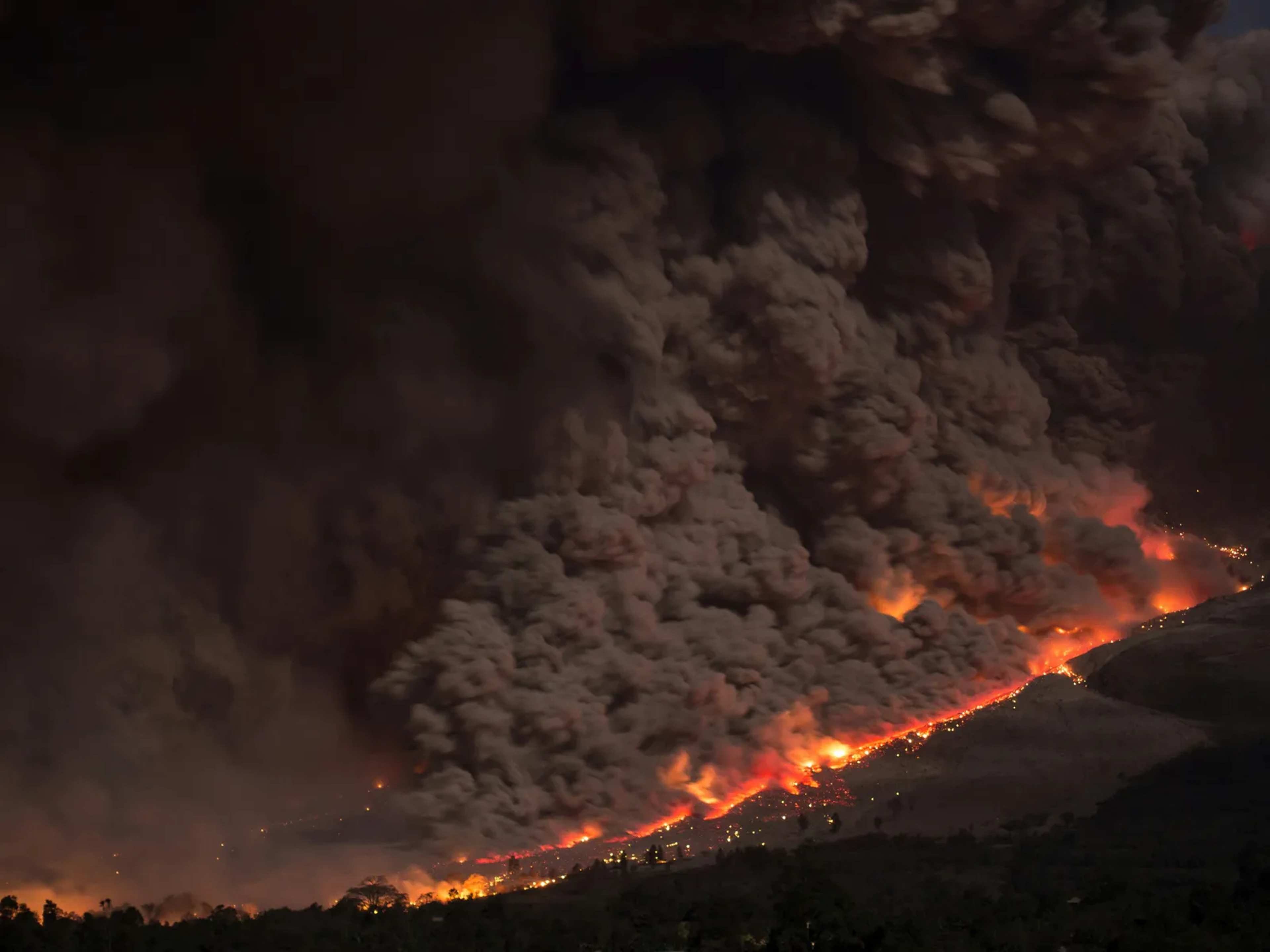
Balikpapan, Indonesia – Thick smoke from wildfires blanketed the city in early October and sent a 20-month-old girl to the hospital with pneumonia. Her case is one of several that have drawn fresh attention to the health effects of the haze across East Kalimantan. Air quality readings reached unhealthy levels, prompting families to keep children indoors while experts highlight concerns that extend well beyond the immediate respiratory symptoms.
Smoke Reaches Homes and Hospitals
The haze arrived quickly and settled over Balikpapan, the capital of East Kalimantan province. Michael, the father of the affected toddler, described how his daughter developed a cough and struggled to breathe. Doctors at a private hospital identified an infiltrate in the upper part of her left lung and noted that the smoke was a likely contributing factor. The family restricted her time outside once the air quality index climbed into the unhealthy range. Roughly 100 kilometers away in Samarinda, another family faced a far more devastating outcome. A 14-month-old girl named Yazlyn Syanindita suddenly developed severe shortness of breath and died. Her grandfather and mother reported no prior illnesses, and they linked the sudden episode directly to the thick smog that covered the city at the time. The mother later urged officials to recognize the scale of suffering among young children rather than minimize the fires’ impact.
Immediate Effects on Young Lungs
Acute respiratory infections have risen sharply in the affected areas. Parents and medical staff have observed multiple toddlers struggling with breathing difficulties in hospital wards. The pattern aligns with the timing of the haze, which began in early October and persisted in several East Kalimantan cities. Limited outdoor exposure has become a common precaution for families with infants and young children. Health authorities have not released comprehensive daily case counts tied specifically to the smoke, yet the individual stories point to a clear trend. The combination of fine particulate matter and prolonged exposure appears to overwhelm developing respiratory systems. Families in both Balikpapan and Samarinda described rapid onset of symptoms once the haze thickened.
Longer-Term Concerns From Experts
Medical specialists warn that the damage may not end when the smoke clears. Repeated exposure to wildfire haze has been linked to chronic respiratory conditions, reduced lung function, and heightened vulnerability to future infections. Children are considered especially susceptible because their lungs are still developing and they breathe at a higher rate relative to body size. The risks also extend to firefighters and other responders working directly in the smoke. Prolonged shifts without adequate protection can lead to lasting inflammation and cardiovascular strain. Public health researchers continue to track these outcomes in regions that experience seasonal burning, noting that early-life exposure can influence health trajectories for years.
What Matters Now
The current episode underscores the need for stronger prevention and response measures. Officials have been called on to treat the haze as a serious public health issue rather than a temporary inconvenience. Improved air-quality monitoring, timely public alerts, and support for affected families could reduce the immediate toll while longer-term strategies address the underlying fires. Communities in East Kalimantan are already adapting by limiting outdoor activities and seeking medical care sooner. The stories of the two young children illustrate how quickly the haze can affect daily life and why sustained attention remains essential.