Walk past a market stall in Phnom Penh or a convenience store shelf in Tokyo, and your idea of a normal snack gets quietly tested. What looks strange to one person is often an ordinary afternoon bite to someone else. Much of the world’s most unusual snacking started with practical needs like preserving food, using every available protein source, or celebrating a region’s specialty.
This guide treats each snack like a small exhibit. You’ll find where it comes from, how it’s made, and what to expect when you try it. Some of these snacks are centuries old, and a few are novelties from this very year.
Hákarl, Iceland’s Fermented Shark

Fresh Greenland shark is a poor candidate for a snack, since its meat is poisonous when fresh due to high levels of urea and trimethylamine oxide[1]. Icelanders worked around that with curing. The shark ferments for six to twelve weeks depending on the season, then gets cut into strips and hung to dry for several months.[1]
Traditionally the shark was buried in gravel or sand, but today it is usually fermented in containers[2]. The result is pale, chewy cubes with a sharp ammonia smell, traditionally eaten on toothpicks and chased with a shot of brennivín[3]. A 2026 study of commercial hákarl[3] suggests the smell comes mostly from trimethylamine, which forms as the shark’s compounds break down during fermentation.
Chapulines, Oaxaca’s Toasted Grasshoppers
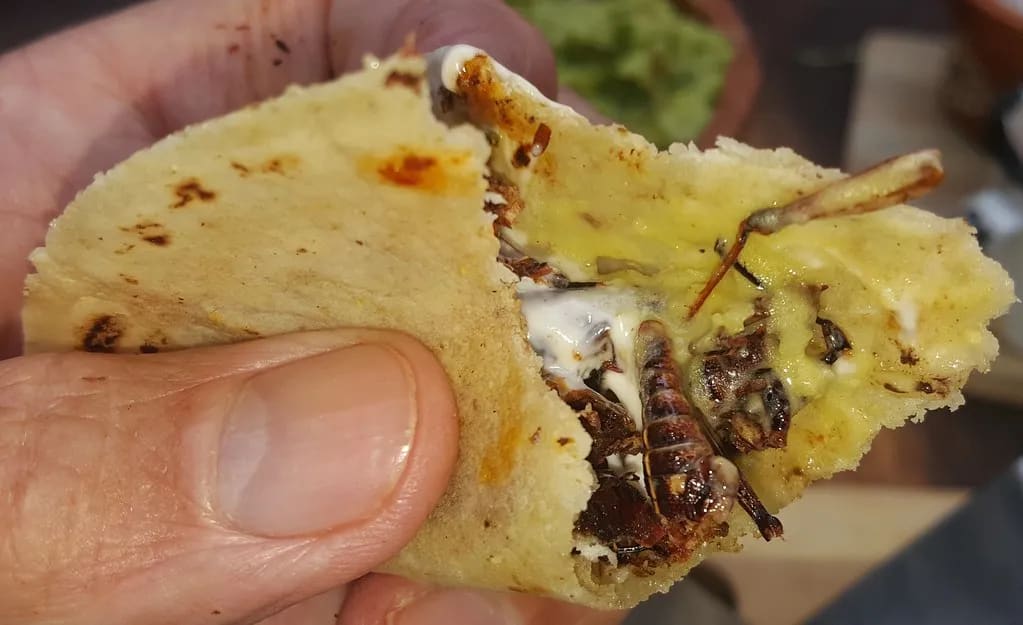
In Oaxaca, grasshoppers are a snack with a long record. Chapulines have been a staple food for thousands of years.[4] Cooks dip them in boiling water until they turn a deep red, then toss them on a comal with garlic, lemon, chile and sal de gusano, a mix of ground agave worms and salt[4].
You can eat them by the handful, or pile them onto tacos. First timers should know the legs, antennae and wings can tickle the throat.[5] The snack has even traveled north, as the Seattle Mariners introduced chapulines as a novelty snack at their 2017 home games[6].
Fried Tarantulas in Cambodia
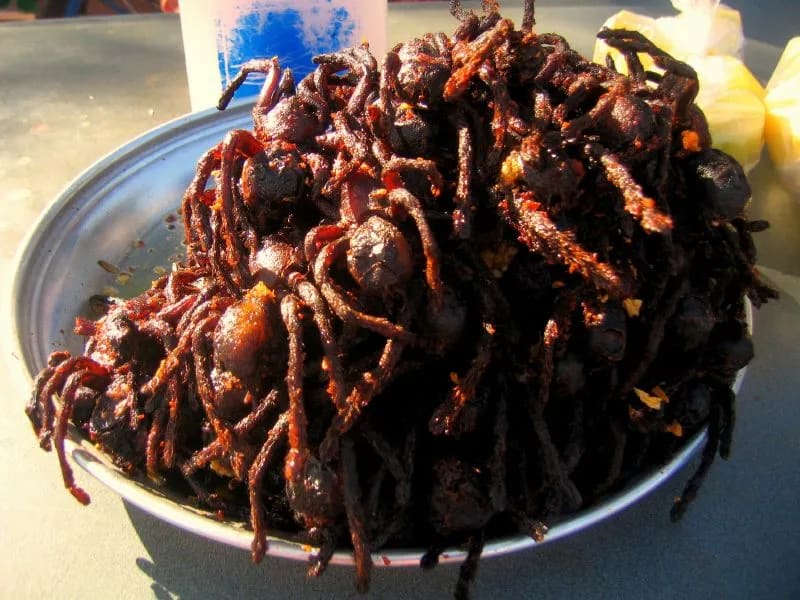
The spiders look dramatic, but the preparation is simple. In Cambodia, fried tarantulas are a popular street snack, often seasoned with garlic and salt.[7] They have a crunchy exterior and a chewy interior.[7]
One food roundup says locals compare the flavor to a mix of crab and chicken, though that’s anecdotal. Travel writers often point first timers toward street snacks like fried spider when they want something unusual to try.[8] It’s a snack that tends to be more about the nerve than the taste.
Balut, the Philippines’ Late Night Egg
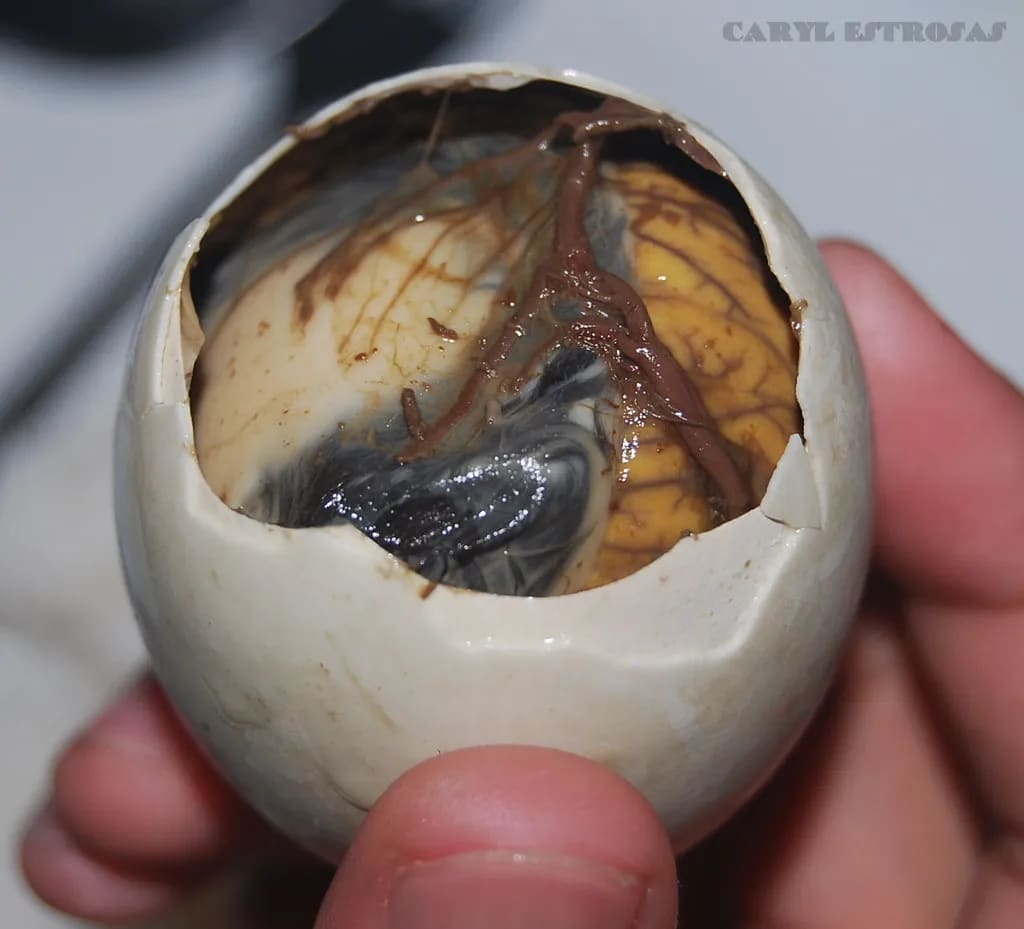
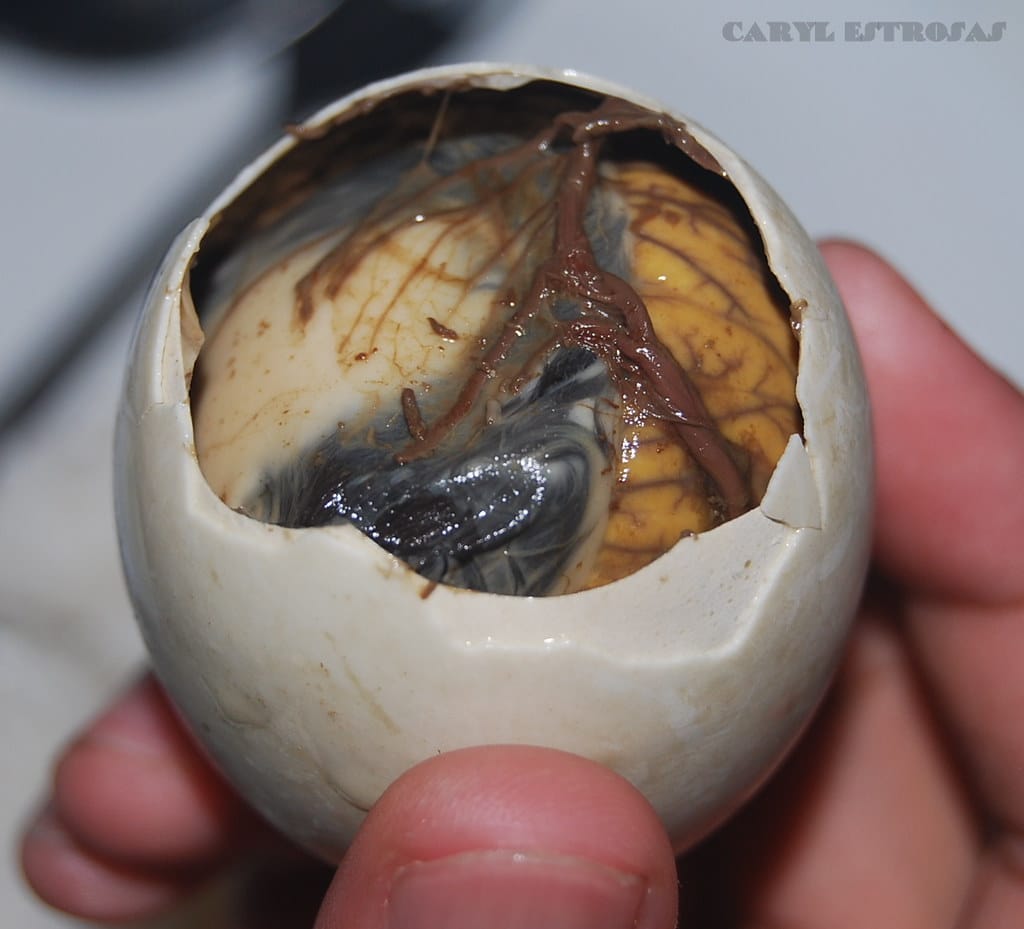
Balut challenges the usual line between an egg and a meal. It’s a fertilized duck egg with a partially developed embryo inside, commonly eaten right from the shell with a sprinkle of salt or a splash of vinegar.[9] The idea alone is enough to stop many travelers.
For plenty of people in the Philippines, though, it’s an everyday comfort. Many see it as both a delicacy and a comforting late night street food.[9] Texture is what surprises most first timers, so go in expecting something quite different from a boiled egg.
Beondegi, South Korea’s Silkworm Pupae
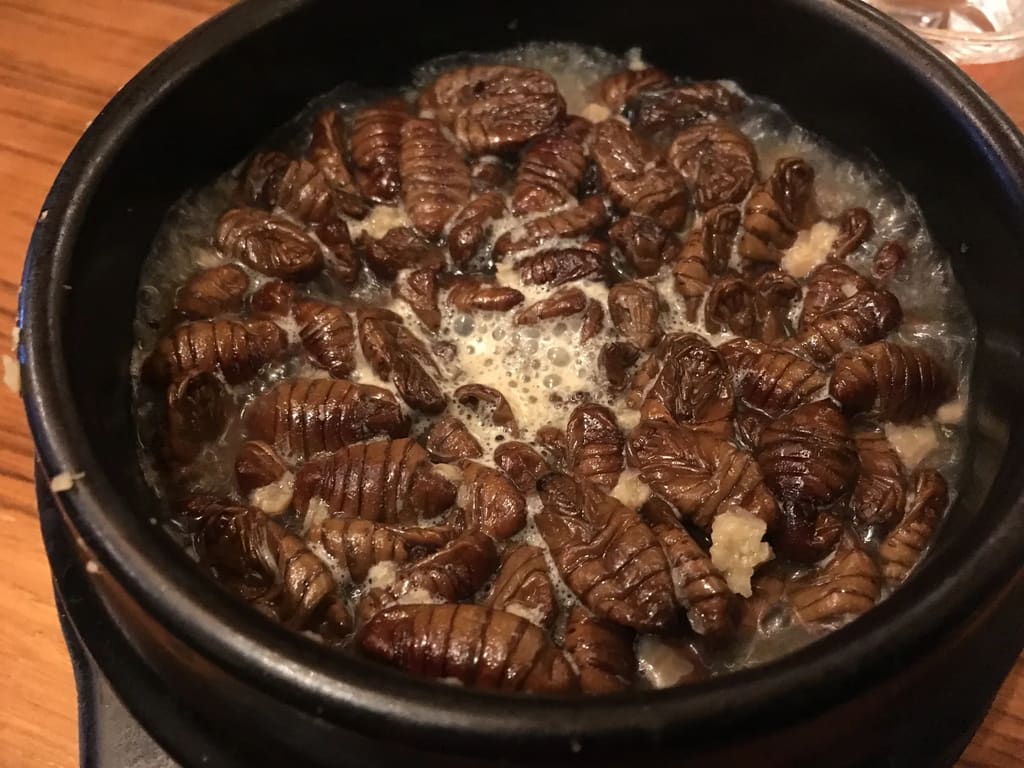
Walk through a Korean street market and you may smell beondegi before you see it. Simply boiled or steamed and lightly seasoned, it’s a popular snack all over Korea, usually sold by street vendors.[8] The portions are typically served in paper cups with toothpicks.
The silkworm pupae are the same insects used in making silk, which gives the snack a handy local logic. One travel roundup notes that insect snacks like cricket flour products have been appearing in Western supermarkets[10], so the idea is slowly becoming less foreign abroad too.
Wasp Crackers From Japan
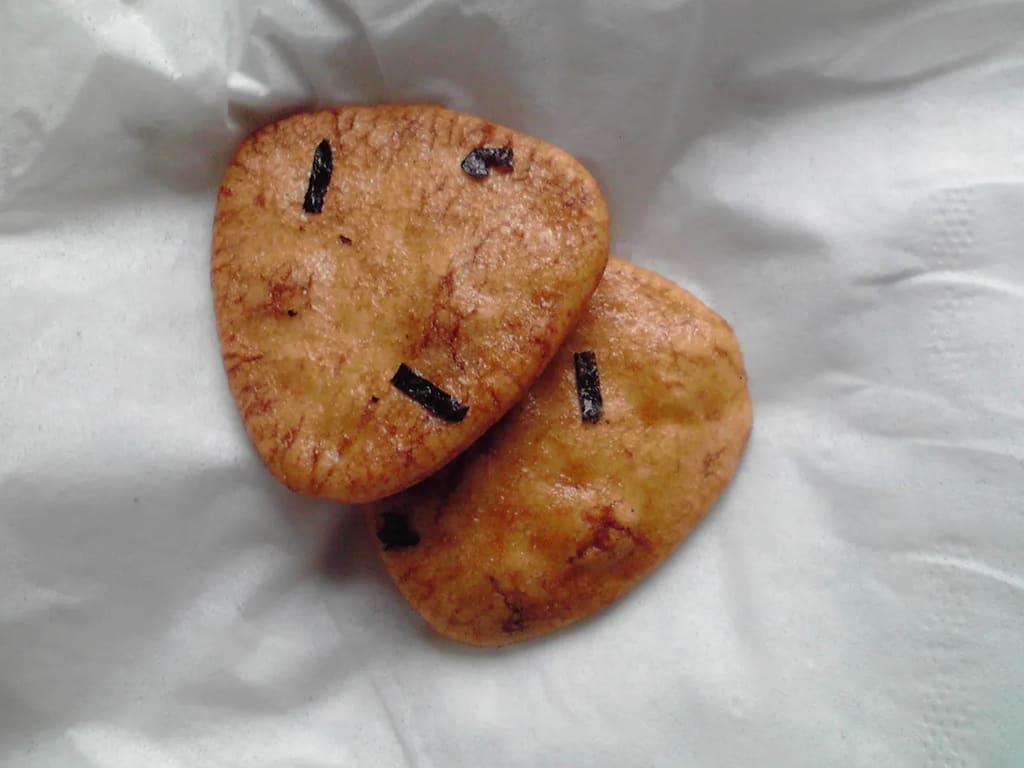
Jibachi senbei is a rice cracker with wasps baked into it. The wasps are usually included in the cracker in either the larvae or fully grown state.[11] Think of them as the crunchy inclusions in a cookie.
The wasps in question are digger wasps, and the species has a mean sting, though it’s well and truly cooked by the time it reaches your mouth[8]. It’s a regional specialty rather than a nationwide staple, so you’ll need to look for it rather than expect to find it at any convenience store.
Escamoles, Mexico’s Insect Caviar
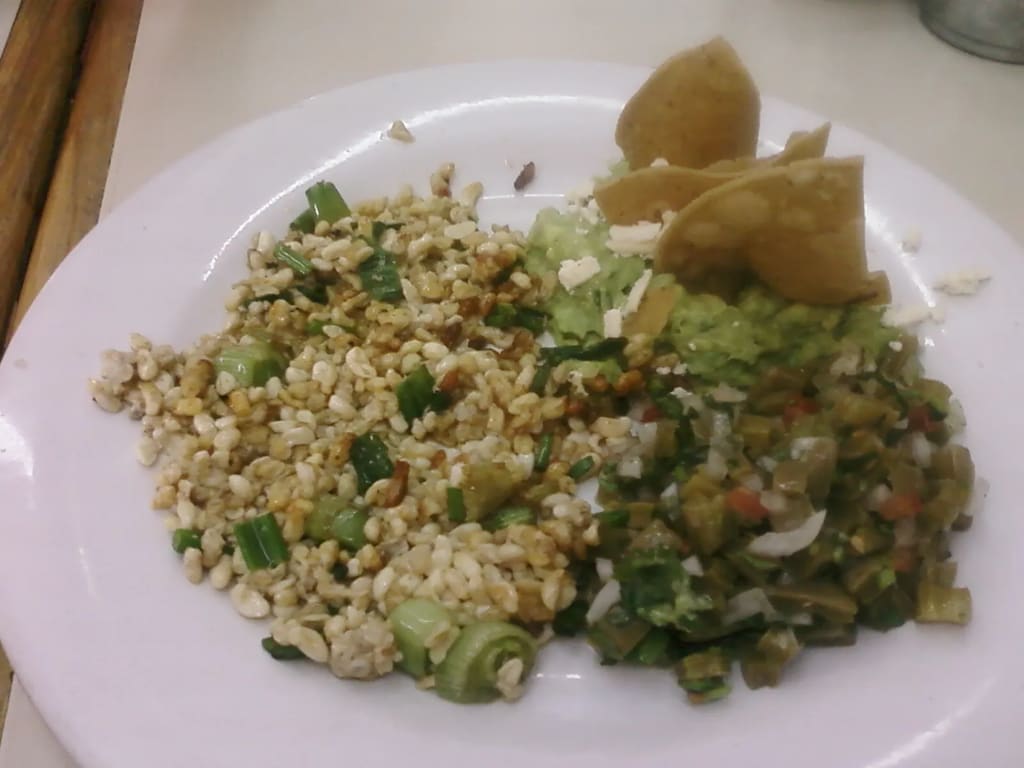
Escamoles have a reputation as one of Mexico’s more refined insect dishes. They’re known as insect caviar, the larvae of ants harvested from agave or maguey plants[7]. Harvesting them is seasonal work, which helps explain why they’re seen as a treat.
They’re usually served cooked, often tucked into tacos or eaten with a bit of butter and spice. The texture is soft and slightly nutty, a gentler experience than the crunch of chapulines. For hesitant eaters, they may be the easier entry point into Mexican insect cuisine.
Related Stories From Travelbinger


Japan’s Offbeat Kit Kat Flavors
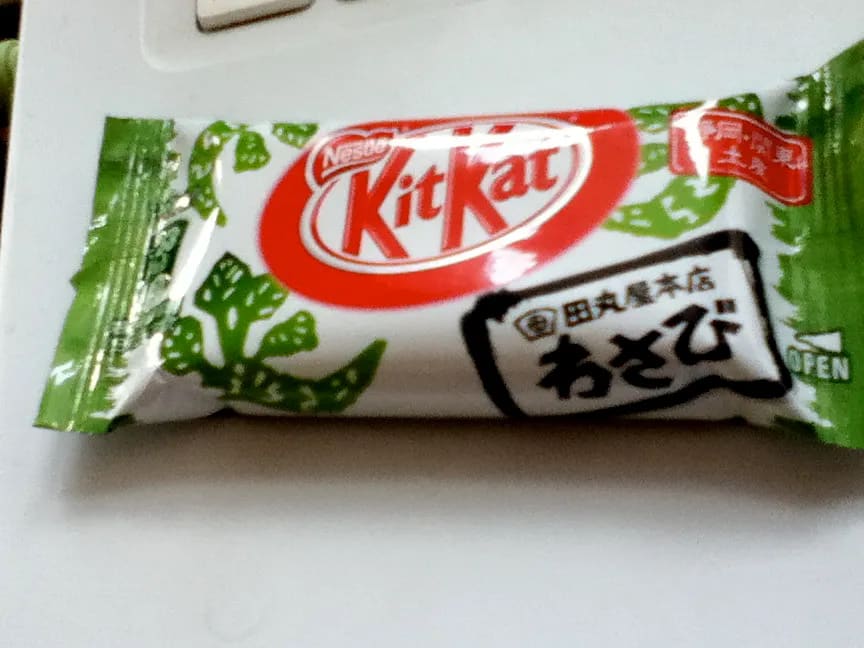
Not every weird snack involves insects or fermentation. In Japan, a chocolate wafer bar becomes a canvas for local ingredients. One wasabi version came from a partnership with Tamaruya Honten, a wasabi shop that has been in business for 140 years in Shizuoka, and is made with white chocolate, horseradish and wasabi.[12]
The lineup moves with the seasons. For spring 2026, Japan has limited edition flavors like Matcha Latte, Salt Caramel and Banana.[13] Odder ones have included a cough drop version with a little over two percent throat lozenge powder[14] and a soy sauce bar that reads as surprisingly sweet and salty, closer to caramel or butterscotch[15].
This Year’s Novelty Snacks in the United States
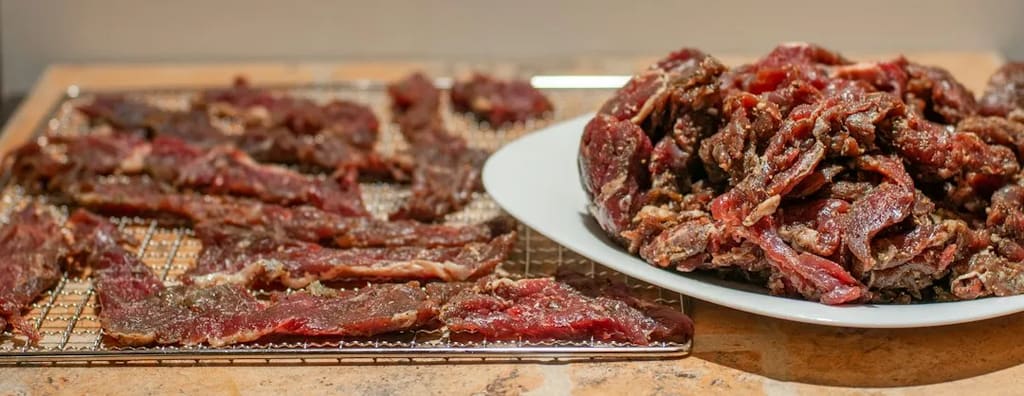
Weird snacking isn’t only a story of old traditions, since brands keep inventing new ones. In March, Cinnabon and Wicked Cutz announced a partnership that produced Cinnabon flavored bacon jerky[16]. Each piece is rolled in sweet cinnamon sugar for a salty, spicy, sweet bite.[16]
Another 2026 oddity arrived in May, when Bush’s released wild baked bean flavors, including a rocket pop flavor that combines the frozen treat with legumes[16]. Around Halloween, Nissin launched limited edition Vampire Noodles, bright red noodles in a Hot Garlic Chicken broth[17]. These novelty items come and go quickly, so availability may be brief.
Where to Start Your Tasting List
If you’re picking a first bite, one travel guide suggests starting with street snacks like fried spider in Cambodia, jing leed in Thailand or beondegi in South Korea, and leaving cruel and banned dishes alone[8]. For something milder, a Japanese Kit Kat or a bag of toasted chapulines is a gentle first step. Hákarl is better saved for when you’ve built up some confidence.