
Ask ten travelers for the best street market on earth and you’ll probably get ten different answers. Some want a maze of bargains, others want a plate of something hot and unfamiliar. A few just want to watch a city go about its day.
The lists don’t agree either, partly because they measure different things. Time Out’s street food ranking draws on a survey of 24,000 urbanites who rate their own city’s food scene.[1] Forbes covered a travel company analysis that counted online searches, which put Bangkok’s Chatuchak at the top.[2] Here are eight markets that keep turning up for good reasons, with the evidence behind each.
Chatuchak Weekend Market, Bangkok
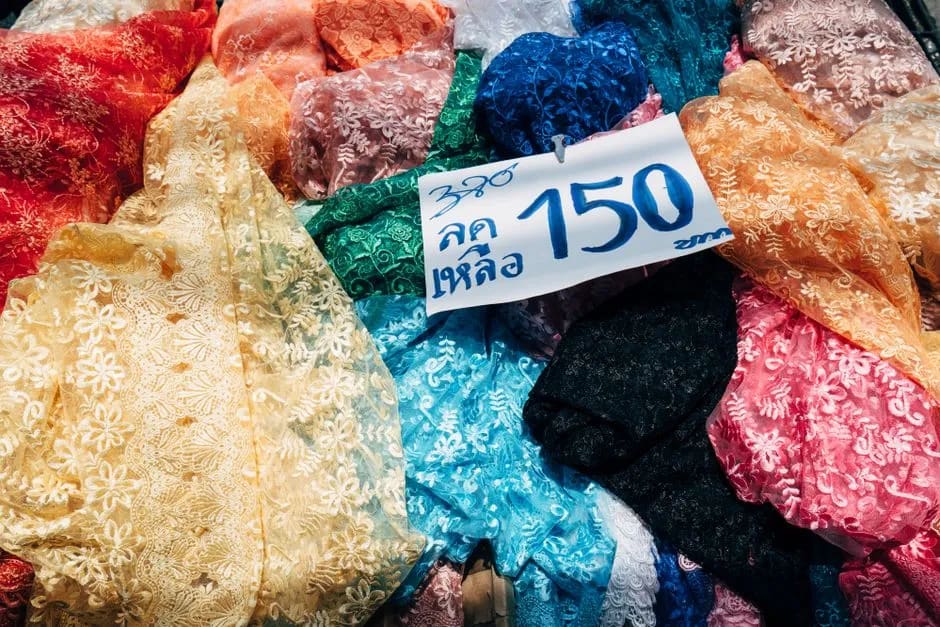
Chatuchak spans 35 acres and holds over fifteen thousand stalls, selling everything from food and art to antiques and fashion.[3] It’s billed as the largest weekend market in the world. In the Forbes study it was the most searched market, with more than 4.4 million searches a year.[2]
The main market is free to enter and opens Saturdays and Sundays from 9am to 6pm.[4] One guide recommends arriving between 9 and 11 in the morning, before the heat peaks and the crowds thicken.[5] Carry small bills, since most stalls take cash only.[6]
Jemaa el Fna, Marrakech
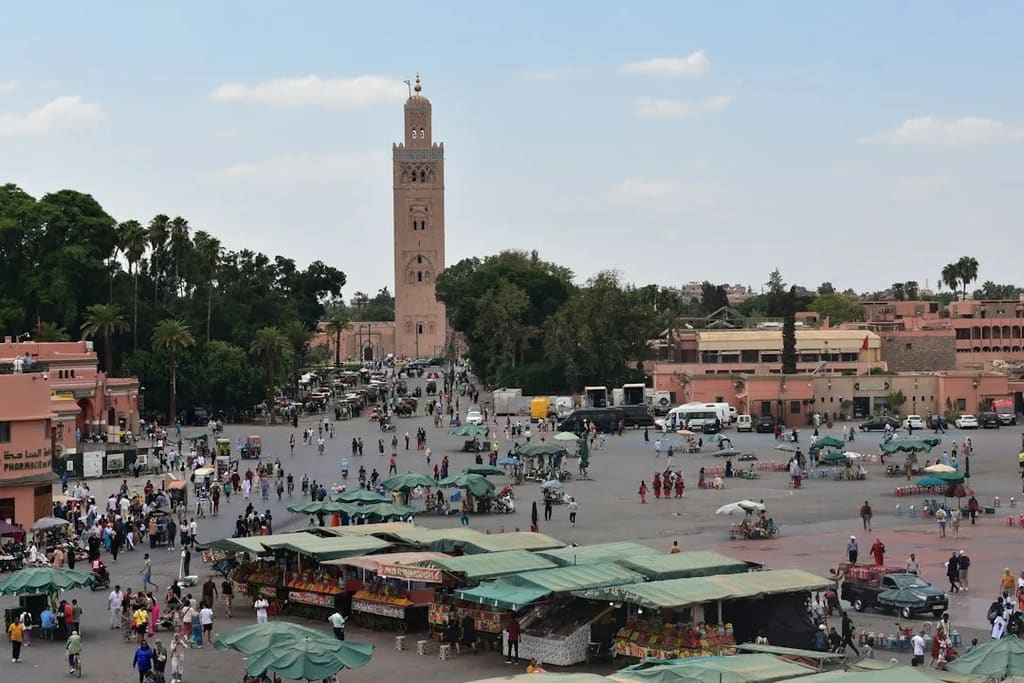
By day, this central square in the Marrakech medina is a calm spread of juice carts and souvenir sellers. Then the evening shift arrives. The first food stalls roll into place around 5:30 p.m., more than a hundred stand by 6:30, and the energy peaks between roughly 8 and 11 p.m.[7]
UNESCO recognizes the square as an Intangible Heritage of Humanity, so it counts as a cultural space as well as a market.[8] Visitor guides describe it as busy and well lit until late, with tourist police on patrol.[9] Expect to be pitched by stall touts, and expect it to be loud.
Borough Market, London
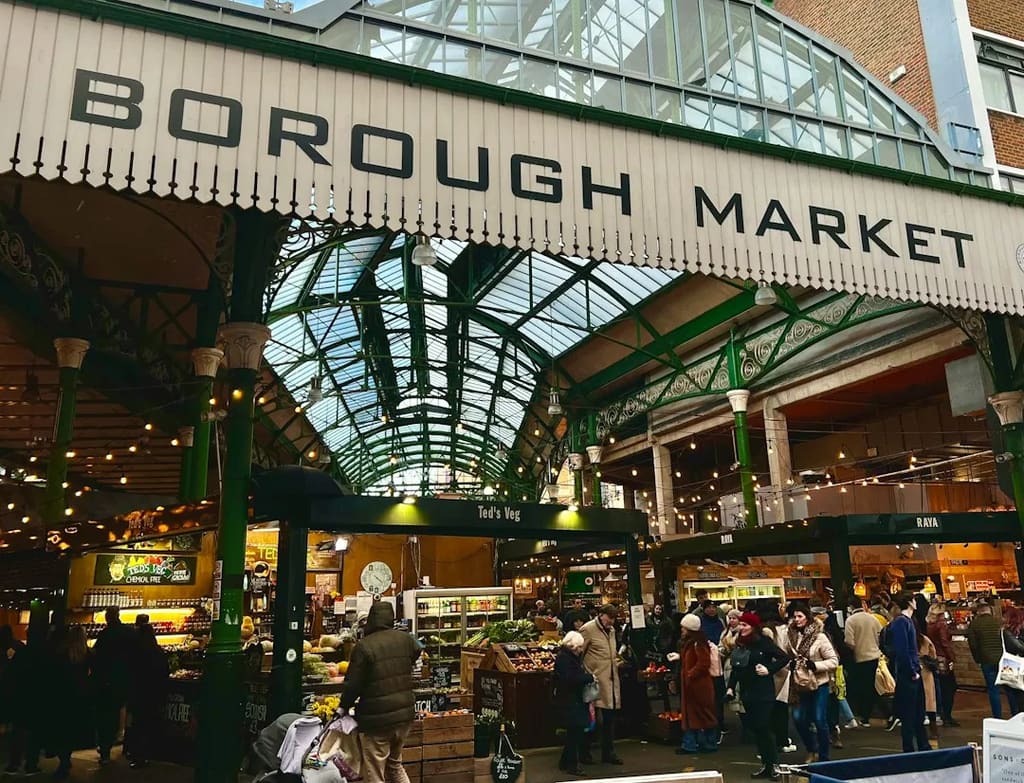
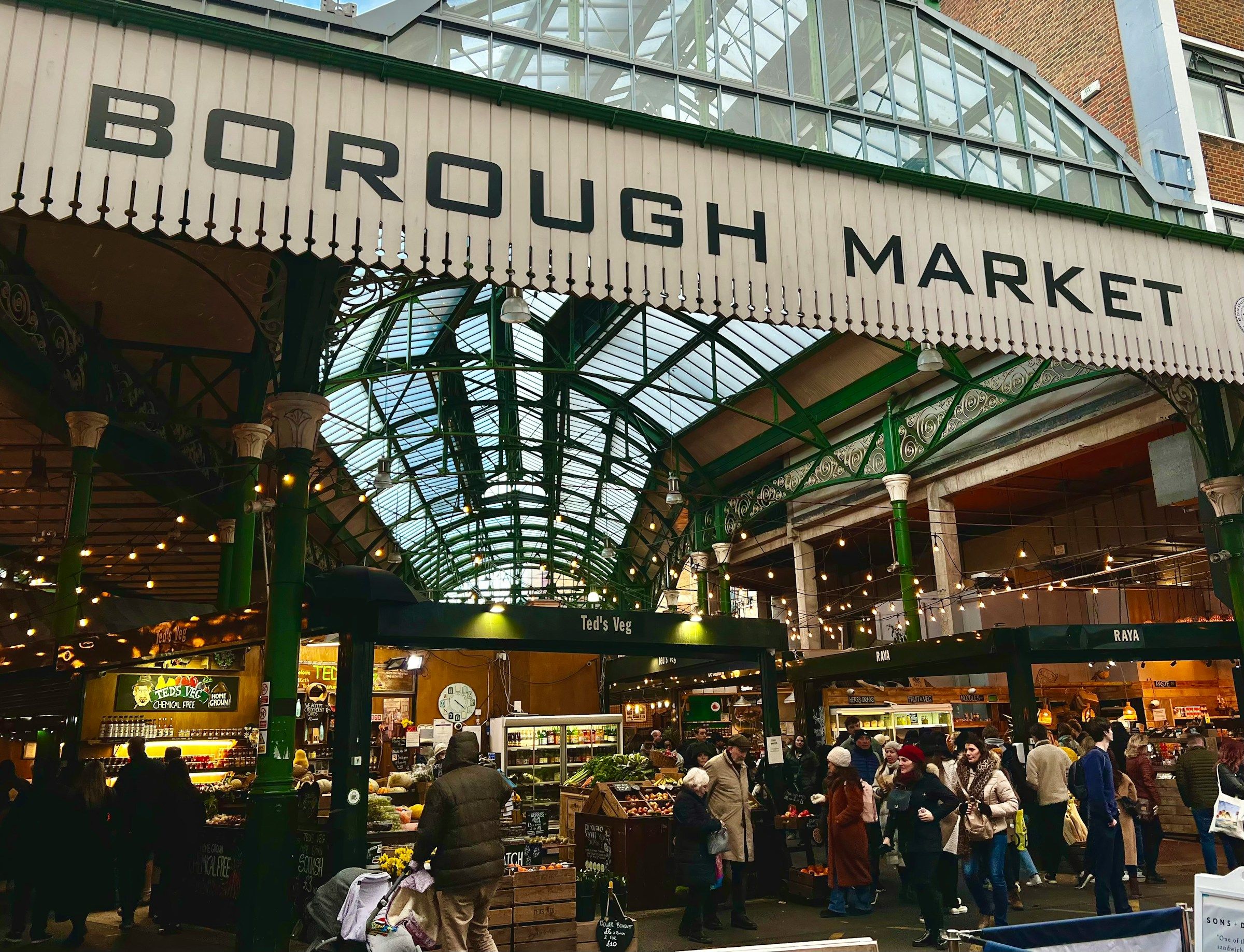
Borough Market has a long and slightly disputed pedigree. The earliest written record dates to 1276, though it probably existed earlier.[10] It has stood on its current site since 1756.[11] Some guides push the origins back to 1014, so treat the exact starting date with caution.
The market has three main areas: Three Crown Square for larger producers, Green Market for small specialist traders, and Borough Market Kitchen for street food.[12] It opens Tuesday to Friday from 10am to 5pm, Saturday from 9am to 5pm and Sunday from 10am to 4pm, and it closes on Mondays.[12] Saturday afternoons draw the biggest crowds.[12]
Shilin Night Market, Taipei
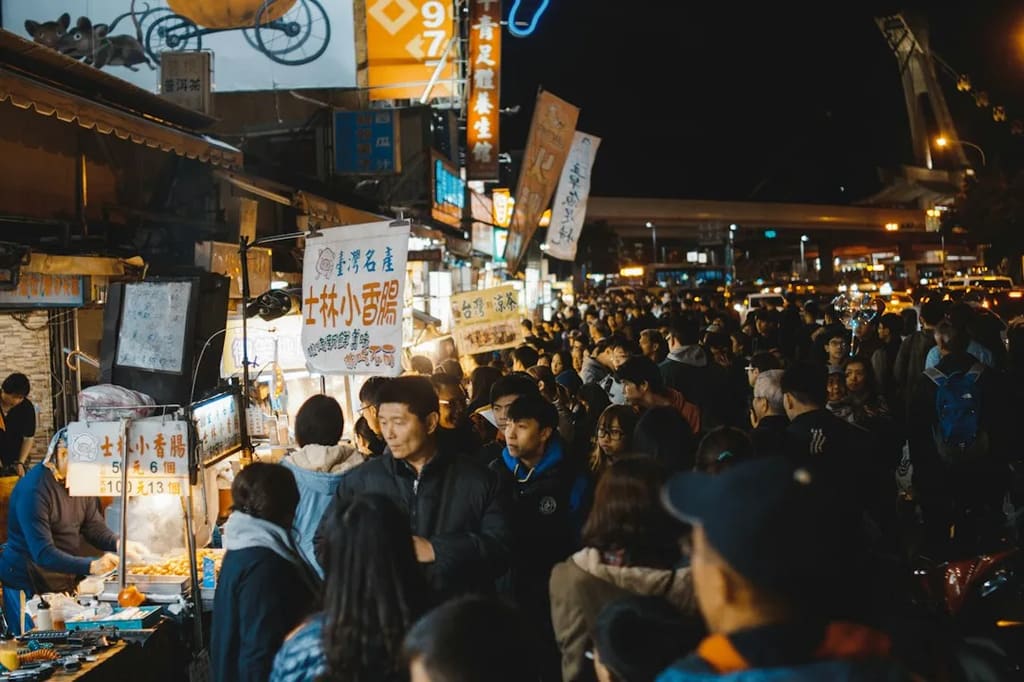
Taipei has a strong claim to being the night market capital of the world. In Time Out’s 2026 street food ranking, Taipei tied with Jakarta for third place, each with an approval rating of fifty nine percent.[1] Time Out calls the city’s neon night markets, with Shilin chief among them, a rite of passage.[1]
Travelbag’s ranking of top night market destinations placed Shilin fifth, behind Chatuchak and Jodd Fairs among others.[13] Rankings like that lean on online popularity, so they say more about fame than flavor. Shilin’s fame is hard to argue with, though. Go hungry and go after dark.
Tsukiji Outer Market, Tokyo
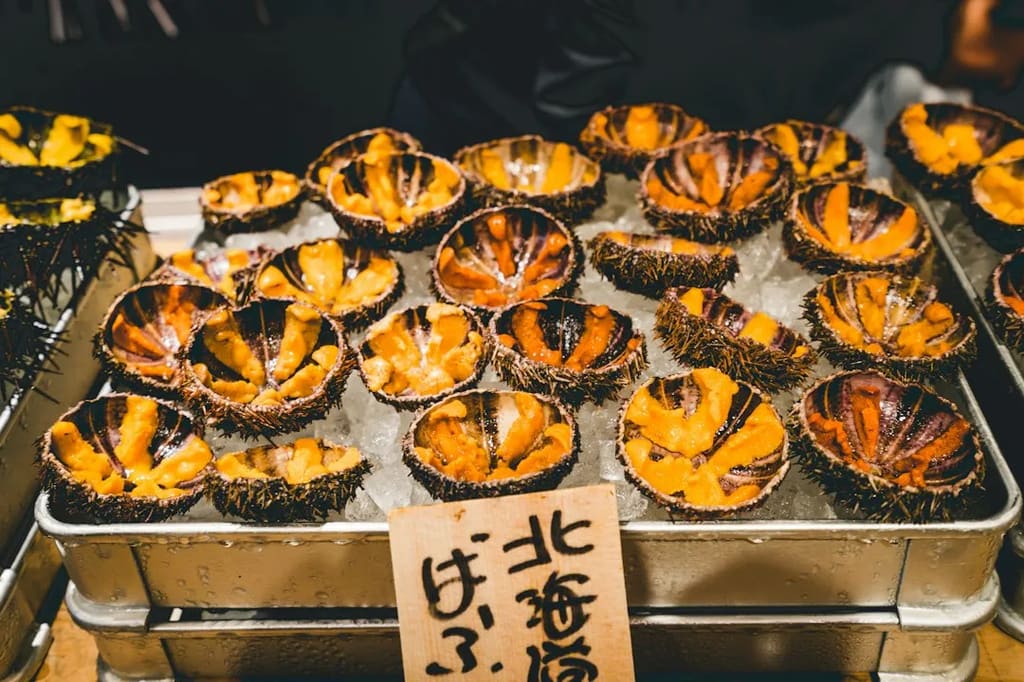
Tsukiji changed in 2018, when the famous wholesale auctions moved to Toyosu. The outer market, a tight grid of food stalls and small shops, stayed put. It’s now a place to eat rather than a place to watch fish being sold.
One 2026 roundup of international food markets sums it up as sushi breakfasts and the freshest seafood.[14] The same roundup says seafood lovers should aim for Tsukiji.[14] Arriving early makes sense, since a seafood breakfast is the whole point.
Temple Street Night Market, Hong Kong
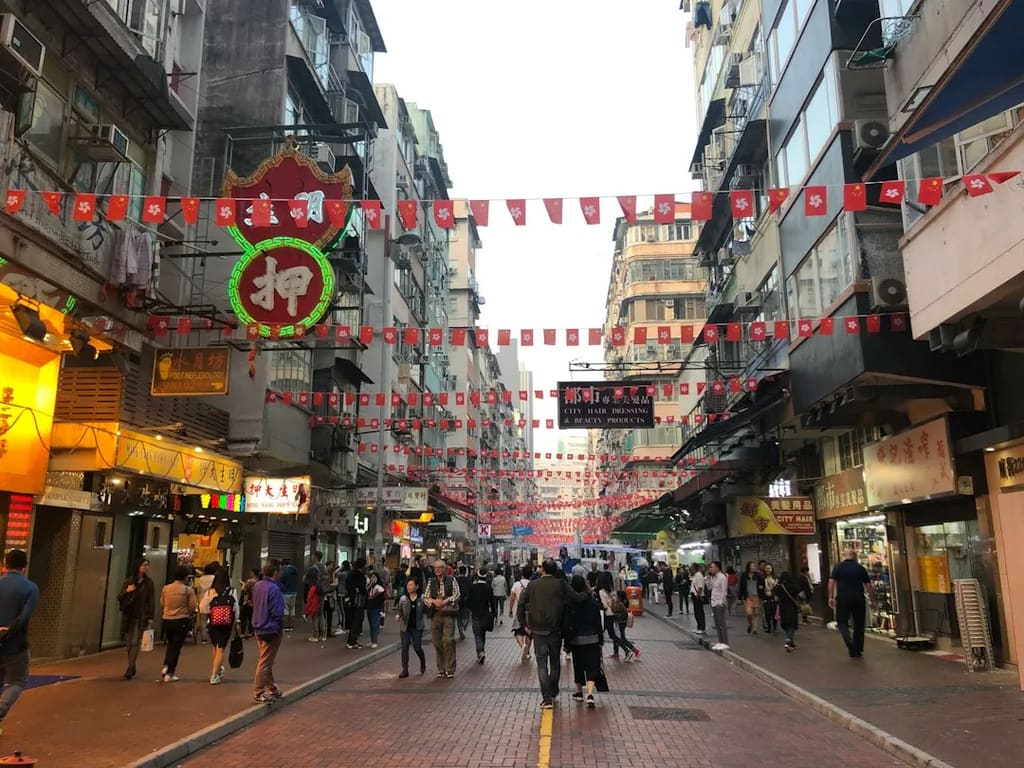
Temple Street is built for evenings. One 2026 guide to Asian markets recommends it for its evening atmosphere, and also for snacks and street food.[15] The same guide calls it the clearest night market pick on its list.[15]
It also shows up in longer lists of famous street markets worldwide, alongside Borough Market and Chatuchak. The mix is typical Hong Kong: cheap goods, small tables and a lot of people in a narrow space. Wander first, eat second, and bring a little patience for the crowds.
Testaccio Market, Rome
Rome has grander tourist draws, yet Testaccio gets praise for being ordinary in the best sense. One 2026 roundup describes it as authentic and local, with superb value street food, and rarely overrun by tourists.[14] That’s a useful trait in a city where many popular spots feel built for visitors.
Related Stories From Travelbinger

The roundup’s don’t miss bite is the Mordi e Vai sandwich.[14] It’s a good reminder that a great market meal doesn’t have to be elaborate. Go around lunchtime, when the stalls are busiest with local shoppers.
Queen Victoria Market, Melbourne
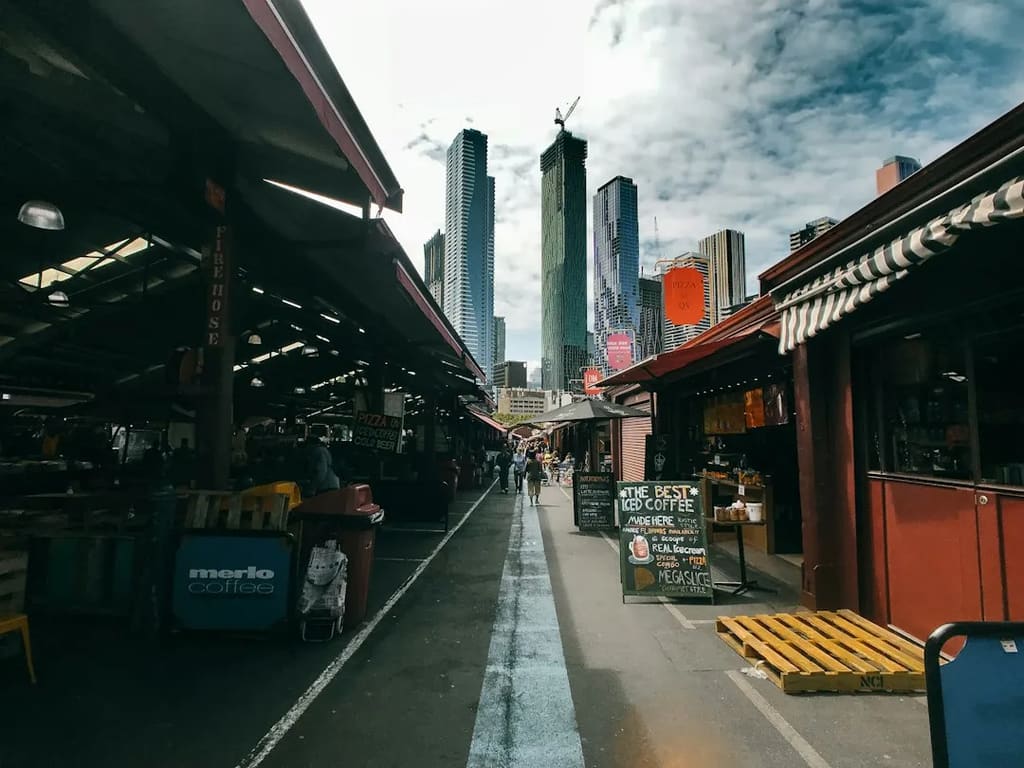
Melbourne’s best known market is a mix of daily shopping and weekend wandering. One 2026 guide points to its deli halls and summer night markets as the main draws.[14] Evidence for this one is thinner than for the others, so check the current trading calendar before you plan around it.
The summer evening events fall in the Southern Hemisphere’s warm months, roughly December to February. The deli halls are the easier part to build a visit around, since they suit a relaxed grazing lunch. Pair the market with a walk through the surrounding city and you’ll have a full day.
Planning Your Market Day
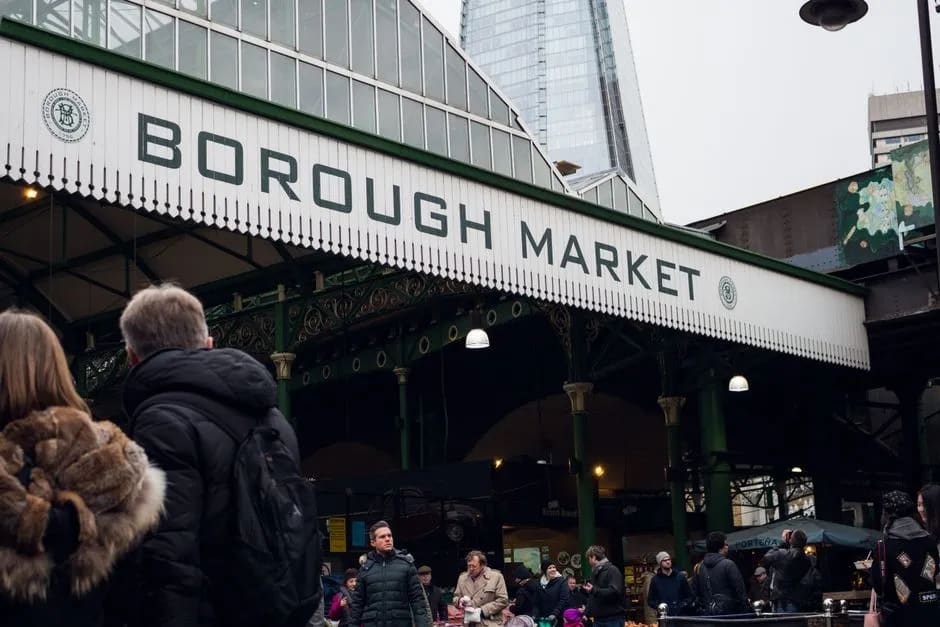
Timing matters more than most travelers expect. One Borough Market guide suggests mid morning on weekdays, especially Tuesday to Thursday, for thinner crowds.[16] At Chatuchak, an early start beats the heat, and at Jemaa el Fna the evening is the show.
Opening times at Borough Market change during the festive period and on bank holidays, so confirm hours before you go.[12] The same advice applies to every market here, because hours and stall lineups shift. Bring cash, come hungry and keep your bag zipped.