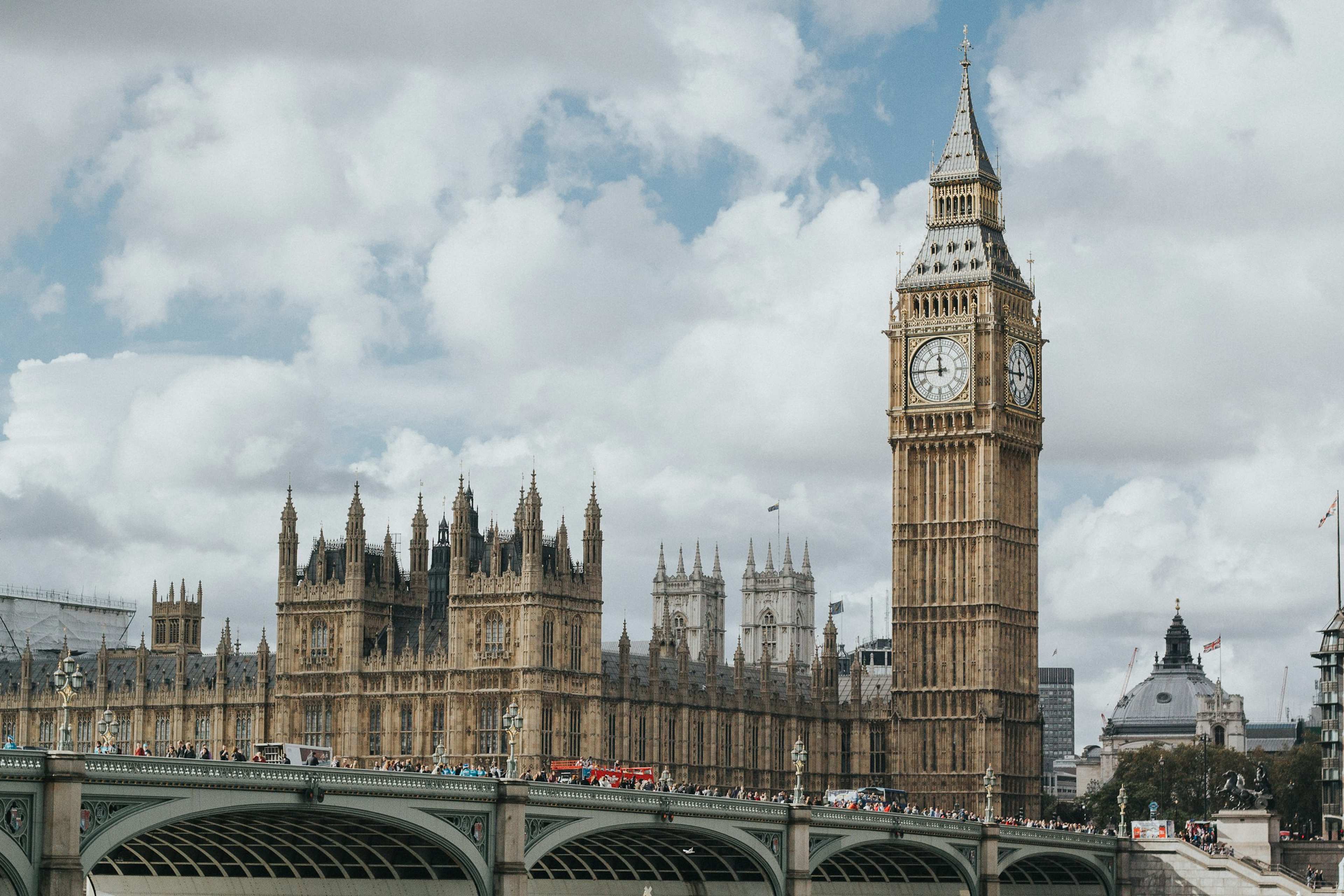

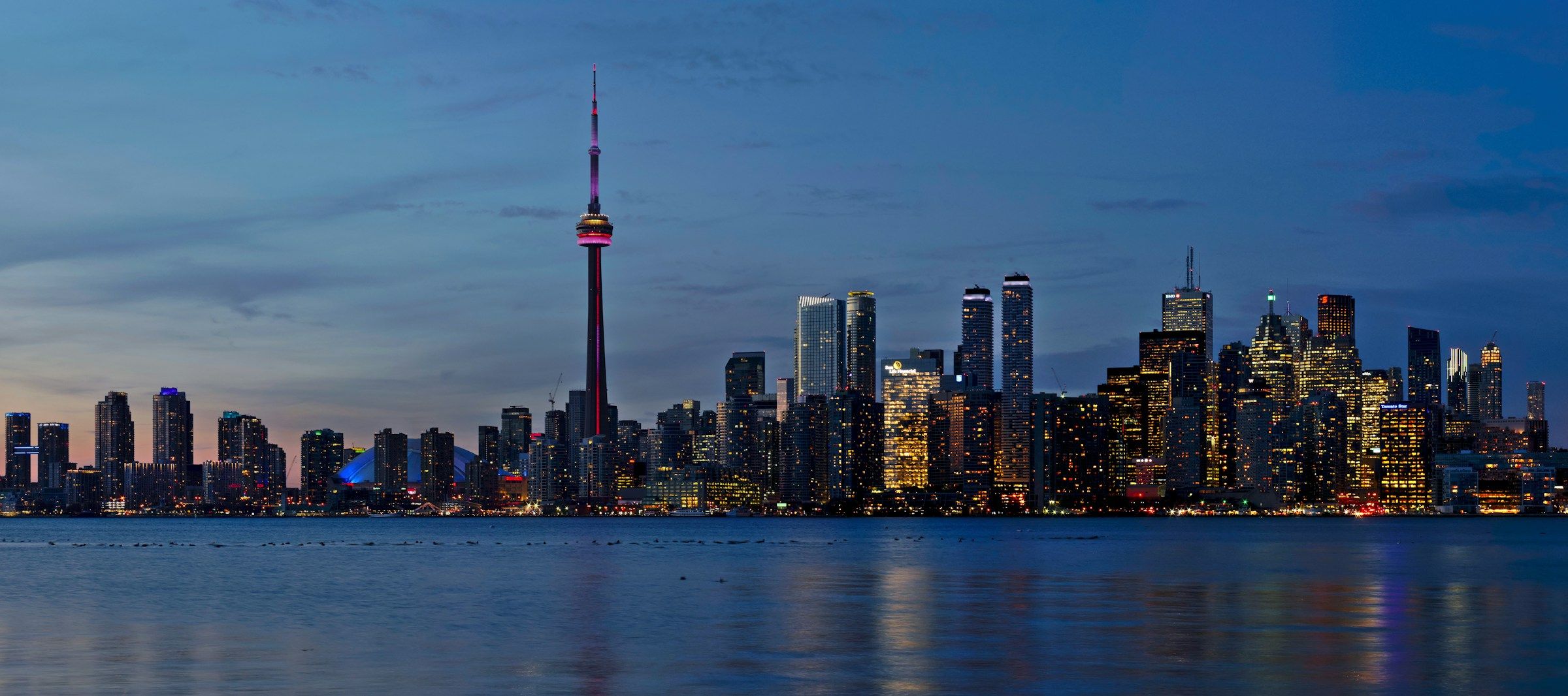
Every July, the same pictures circulate: packed Mediterranean beaches, and European city squares where the afternoon sun turns sightseeing into a chore. Travellers have noticed. According to European Travel Commission data, 28 percent of European travellers are now actively seeking cooler-climate destinations to avoid extreme summer heat.[1]
That habit now has a name, the coolcation, and a growing list of places to go. Canada keeps showing up near the top of those lists. It’s worth looking at why, and at where in such a big country the cool weather actually lives.
Why Travellers Are Chasing Cooler Weather

Trip.com Group reported that searches for coolcation destinations rose 74 percent year over year since the start of 2026.[2] The same data showed searches for cooler destinations jumped 237 percent between June and August of 2025 compared with 2024.[2] Those are search numbers, not bookings, so they show curiosity more than spending.
Heat isn’t the only motive. Extreme temperatures often line up with peak season and crowds.[3] Travellers are also looking for experiences tied to nature, such as fjord cruises, glacier hikes and high altitude landscapes.[2] Canada has plenty of all of that.
A Breakout Year for Canada
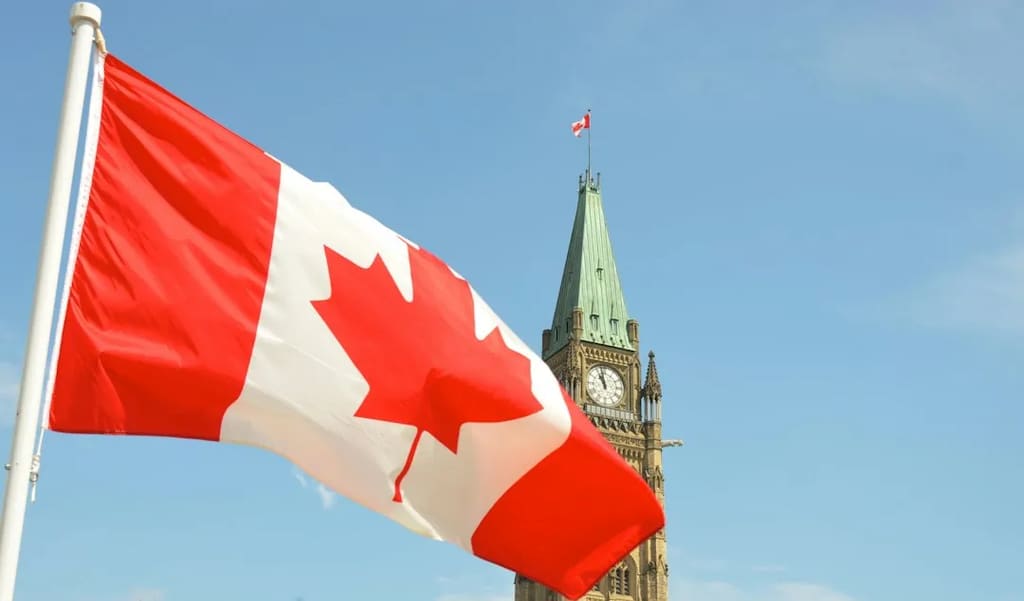
Fora’s booking data says Canada has cracked its top ten most booked international countries, with bookings up 119 percent year over year.[4] Vancouver, Toronto and Banff were each up by more than 100 percent.[4] The report was published in June 2026, so it reflects the summer season now behind us.
Destination Canada projects overall travel spending of C$140.9 billion across 2026, a 6 percent increase over 2025.[5] UN Tourism data show a 4.2 percent rise in international tourist arrivals to Canada from January to June 2026.[6] The rebound is fairly recent, though. One tally says April 2026 was the first annual increase in total international arrivals since January 2025.[7]
Banff and the Canadian Rockies
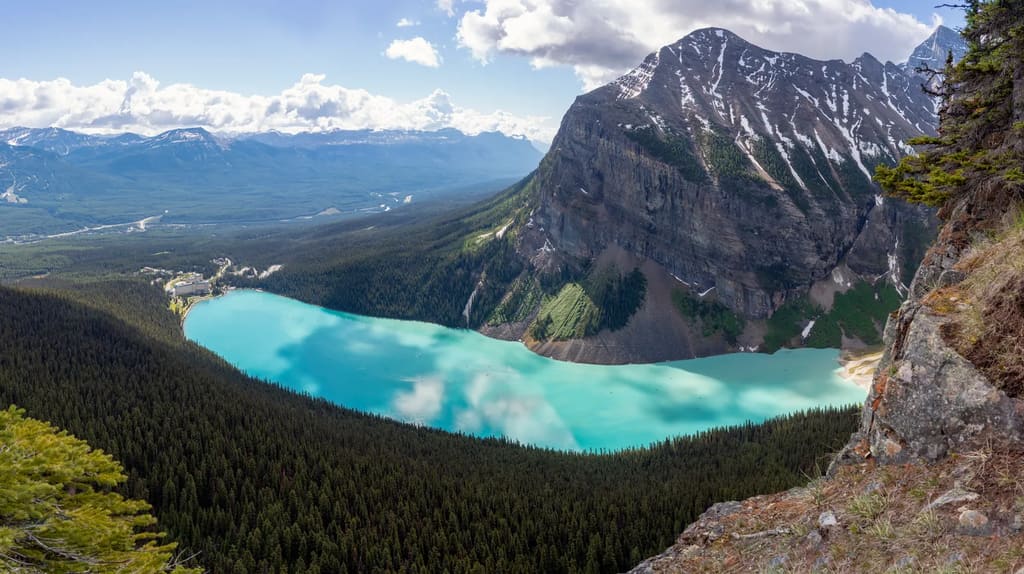
Banff is one of the biggest coolcation draws, thanks to mountain scenery, turquoise lakes and summer temperatures that feel far more comfortable than much of the US.[8] Lake Louise and Moraine Lake in Alberta stay refreshingly cool even in summer.[9] Glacier-fed water and high elevation do most of the work here.
Travel And Tour World placed Canada second on its 2026 coolcation list, just behind Switzerland.[10] That’s one trade outlet’s ranking rather than a measurement, so treat it as a signal of popularity. Banff is hardly a secret, either, given the Fora numbers above.
Vancouver, Victoria and the Pacific Coast

The average July temperature in Vancouver is about 64 degrees Fahrenheit.[11] British Columbia pairs that Pacific Northwest coolness with mountain scenery, Indigenous cultural experiences and a strong food scene.[11] In Victoria, the Inner Harbor district offers walkable culture and whale watching tours that leave from downtown.[11]
Trend reports for 2026 specifically call out the Pacific Northwest as a coolcation corridor for North American travellers.[10] Vancouver also serves as a launching pad for Alaskan cruises.[12] The city was one of two Canadian World Cup hosts this year, and Toronto and Vancouver shared 13 matches between them.[8]
Newfoundland, Where Icebergs Still Drift By
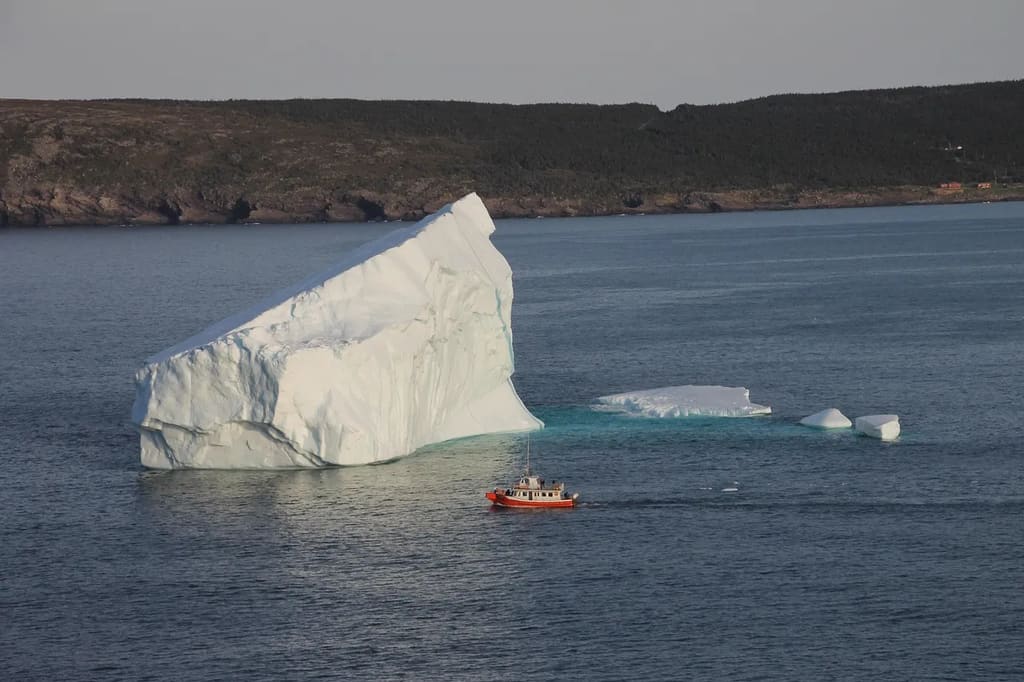
Summer highs in Newfoundland sit around 68 degrees Fahrenheit, or 20 Celsius.[13] On the northeast coast, icebergs still drift past in early July, while whales feed off Witless Bay.[14] Puffins gather on the coastal cliffs in summer.[14]
The island is also known for colourful fishing villages, many with Gaelic and Irish roots still visible in local life.[13] Flights from Boston or New York reach St. John’s in roughly four to five hours, typically via Halifax.[13] That makes it a long trip for a weekend, but a reasonable one for a week.
The Maritimes and the Cabot Trail
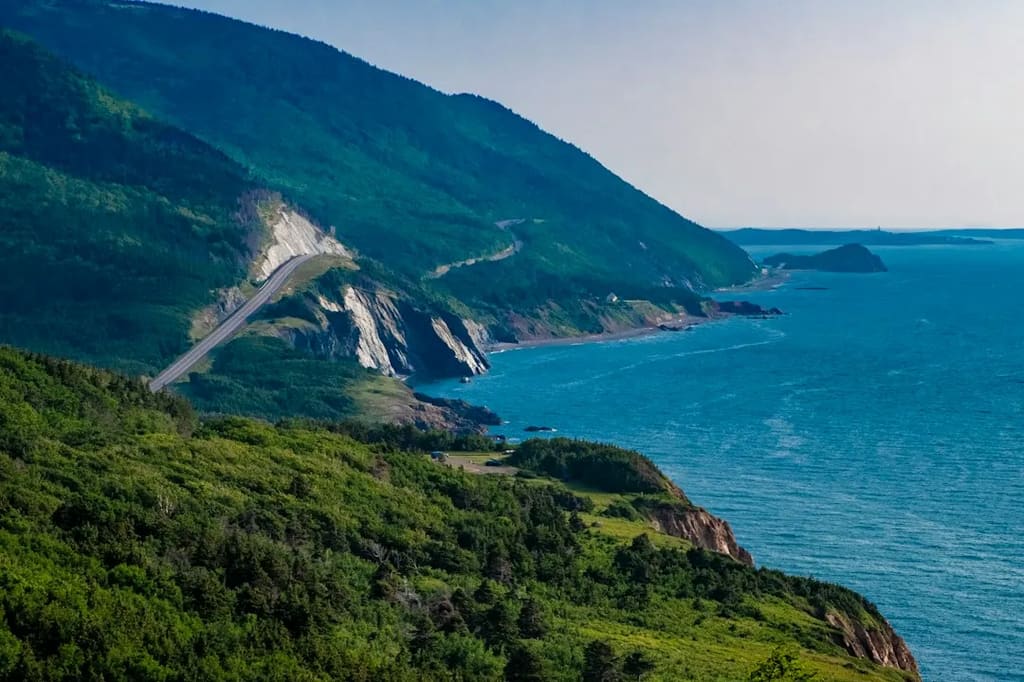
Nova Scotia, Prince Edward Island and Newfoundland deliver coastal cool, roughly 15 to 22 degrees Celsius through the summer.[15] In Cape Breton Highlands on the northern tip of Nova Scotia, the Cabot Trail winds past cliffs, coves and highland plateaus.[14] It’s a drive that rewards going slowly.
You can also explore the Bay of Fundy in New Brunswick, or spend a few days on PEI’s beaches, red cliffs and local food.[16] Indigenous tourism experiences with Mi’kmaq communities add cultural depth to the region.[15] None of it feels like a heat escape in the dramatic sense, which is part of the charm.
Canada’s North for Something Different
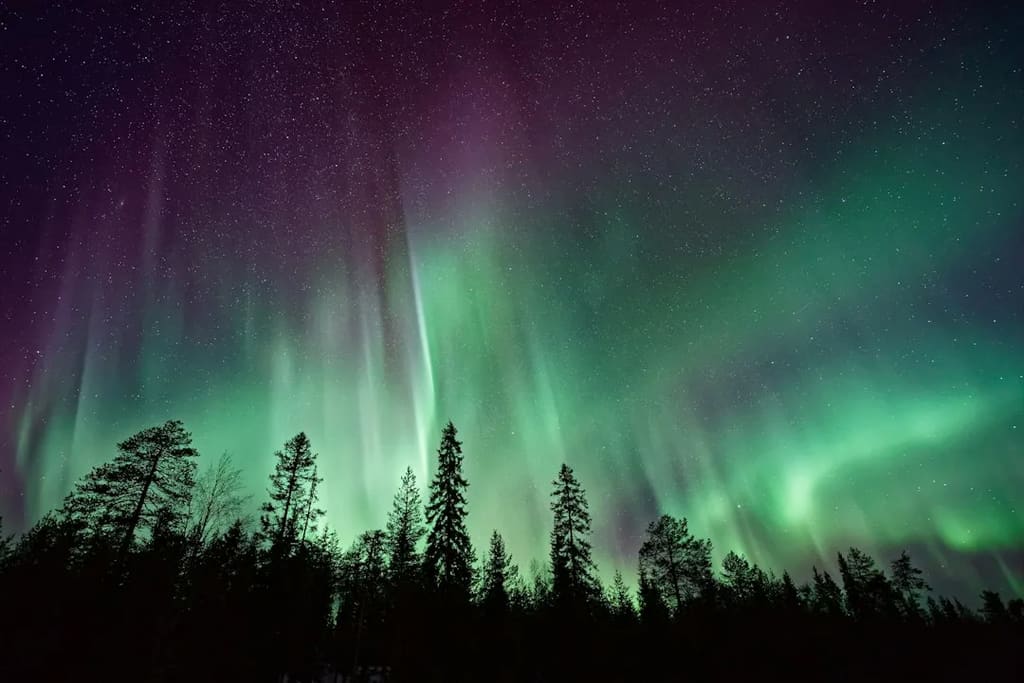
The Globe and Mail noted in March 2026 that cold-weather enthusiasts can catch the Northern Lights at Wood Buffalo National Park, which spans the Alberta and Northwest Territories border.[1] The same piece listed Kraus Hot Springs in Nahanni National Park among three Canadian coolcation experiences to try.[1] Soaking in a hot spring in the wilderness is a different idea of cool than a lakeside patio.
Related Stories From Travelbinger



Other northern draws include polar bear spotting in Churchill, Manitoba, and iceberg viewing in Newfoundland.[12] A tourism professor quoted in the piece links the interest to a desire for unique and authentic experiences.[1] Remote trips usually take more planning than a Rockies weekend, so give yourself time to organise them.
Cities That Stay Pleasant
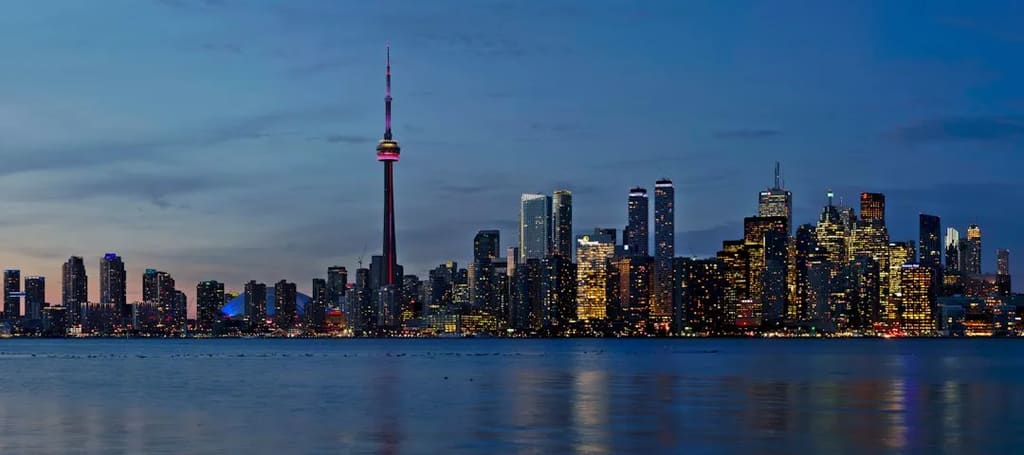
Not every coolcation needs a trailhead. Fora reported Québec City bookings up 400 percent year over year and Ottawa up 208 percent, with average trips to Montreal doubling from five to ten days.[4] Toronto stays rose from six to nine days.[4]
The visitor mix is shifting too. As of 2024, Ontario received 41.8 percent of visitors from abroad, British Columbia 26.7 percent and Quebec 14.8 percent.[17] Destination Canada’s wider goal is to spread international visitors across more communities rather than concentrating them in Toronto, Vancouver and Montreal.[18] That’s good news if you’d rather avoid the busiest spots.
Before You Book
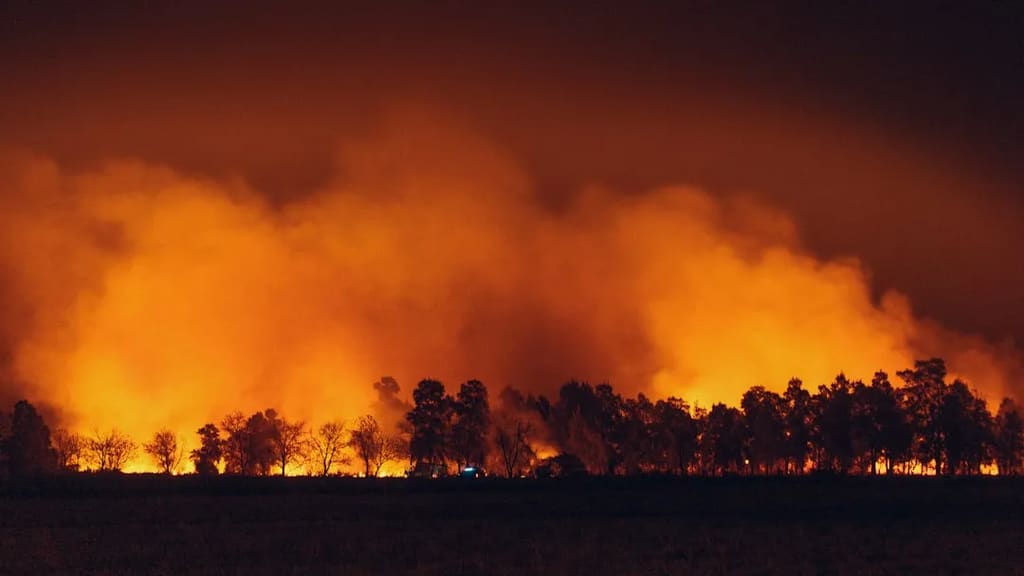
Cool isn’t guaranteed. The 2025 Canadian wildfire season burned about 8.78 million hectares as of mid-September, and Atlantic Canada faced heat waves and extreme fire conditions in early August.[19] Check forecasts, air quality and park alerts before you commit, and keep your plans flexible.
Toronto Pearson, Vancouver International, Montréal-Trudeau and Calgary International are the main gateways.[5] Limited hotel supply is also creating challenges as demand grows,[18] so booking early makes sense for popular summer dates. Entry rules vary by nationality, so confirm them on the official Government of Canada website before you travel.