On Aoshima, a small island in Japan’s Ehime Prefecture, the human population was recorded at four people in 2024. Cats have long outnumbered them, with reports putting the feline count between 120 and 130 in the years up to 2018. It’s an extreme case, but it hints at something real about travel in a world where many places are quietly emptying out.
Most of us picture crowds when we plan a trip. Yet a growing list of countries now has fewer residents than it once did, and the effect shows up in train timetables, village shops, school buildings and hotel staffing. Knowing what that looks like on the ground makes for a calmer, better planned visit.
Why So Many Countries Are Shrinking at Once
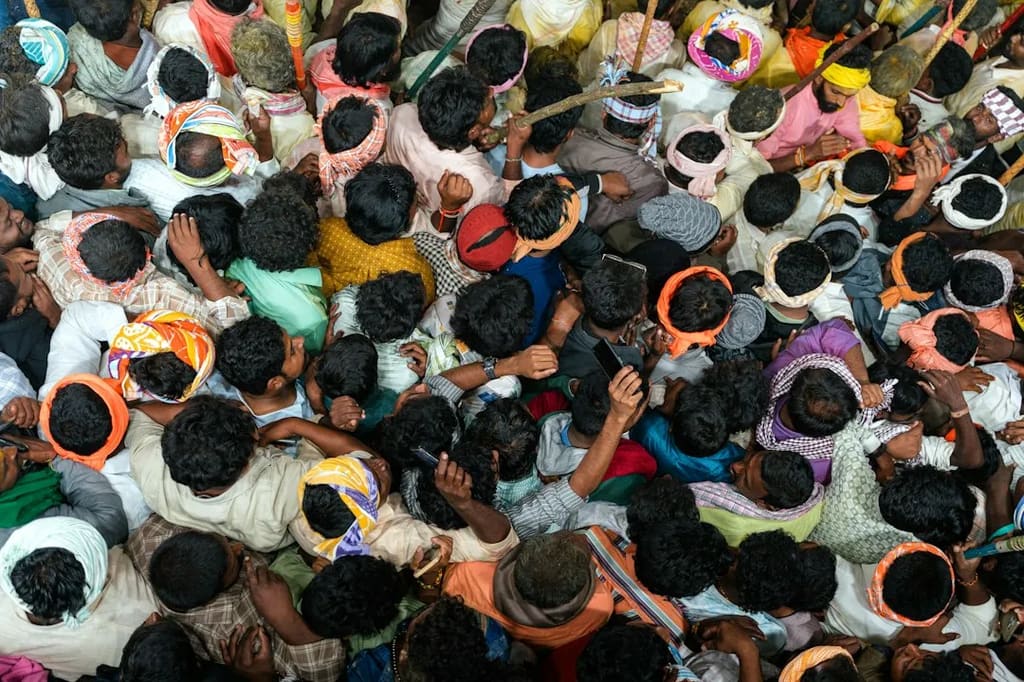
According to the UN World Population Prospects 2024, 63 countries and areas, home to 28 percent of the world’s population, had already passed their peak population size[1]. These include China, Germany, Italy, Japan, South Korea, Russia, Spain and Thailand.[2] So the trend isn’t limited to one corner of the map.
More are on the way. A further 48 countries, including Brazil, Iran, Turkey and Vietnam, are projected to peak sometime between 2025 and 2054.[1] Decline isn’t uniform, though. Lithuania, Czechia and Estonia had been shrinking for years but actually grew between 2020 and 2025 because they took in Ukrainian refugees.[3]
Japan: Empty Houses and Very Quiet Villages
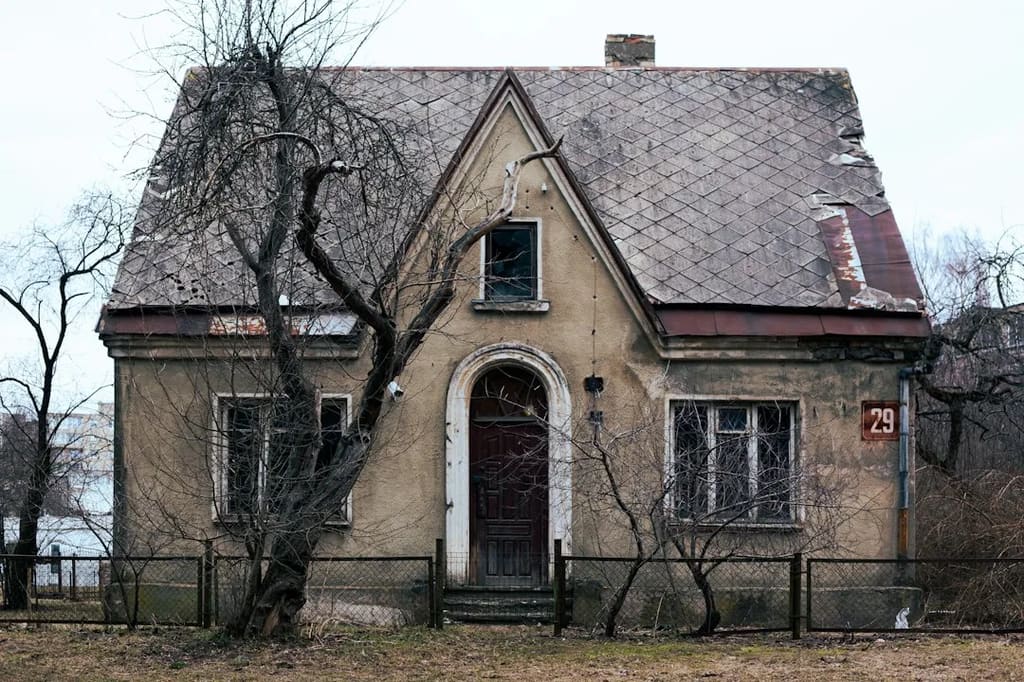
Japan’s population peaked at 128 million in 2008 and entered decline[4]. The most visible sign for visitors is the akiya, or vacant house. The Ministry of Internal Affairs and Communications counts roughly 9 million of them, about 14 percent of the nation’s housing stock.[5] Some municipalities now run akiya banks, searchable databases of abandoned homes offered at heavy discounts.[5]
Some places have turned emptiness into an attraction. In Nagoro, a remote village in Tokushima Prefecture, the population has dipped from more than 300 to fewer than 30, and residents have placed hundreds of dolls in front of abandoned homes to make the village feel less empty[6]. It’s memorable, and a little eerie, so go with the right frame of mind.
South Korea: Falling Births and Closing Schools
South Korea has the lowest fertility rate in the world. The national statistics agency put the 2024 rate at 0.748, well below the 2.1 needed to replace the population.[7] One recent analysis reports a slight rise to 0.80 in 2025[8], which is encouraging but still far from stable.
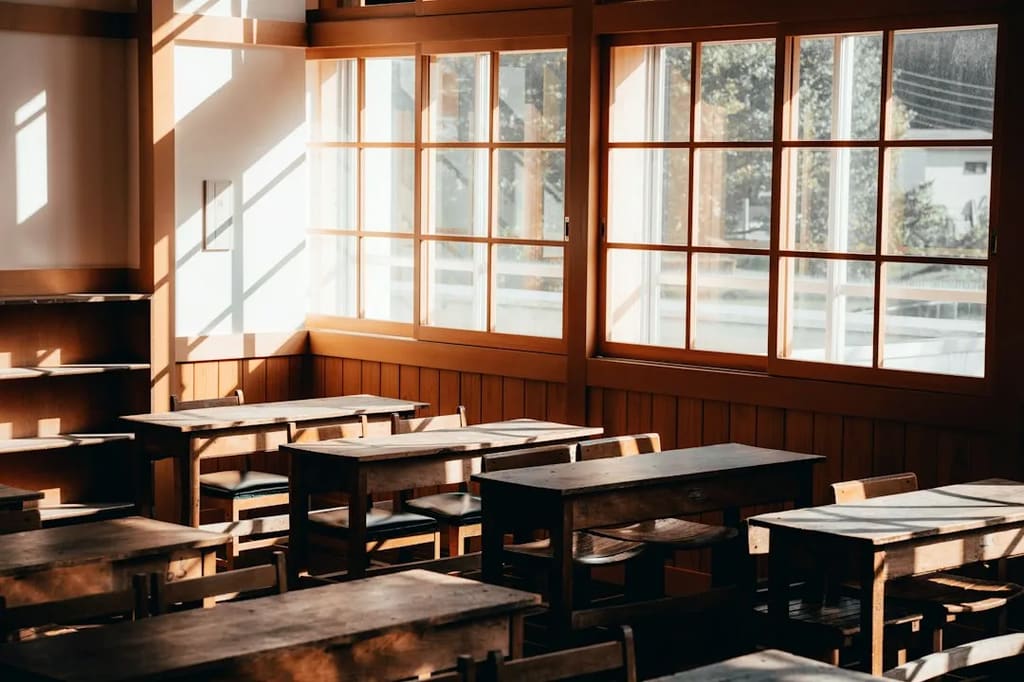
The effects are sharpest outside the big cities. The education ministry said 49 elementary, middle and high schools would shut down in 2025[9], and 88 percent of those were in rural areas[9]. Since 1980, 4,008 schools have closed across the country, according to the Korea Times.[10] Travelers heading to the countryside should expect quieter towns than guidebooks from a decade ago might suggest.
Bulgaria: A Country of Villages, Fewer Residents
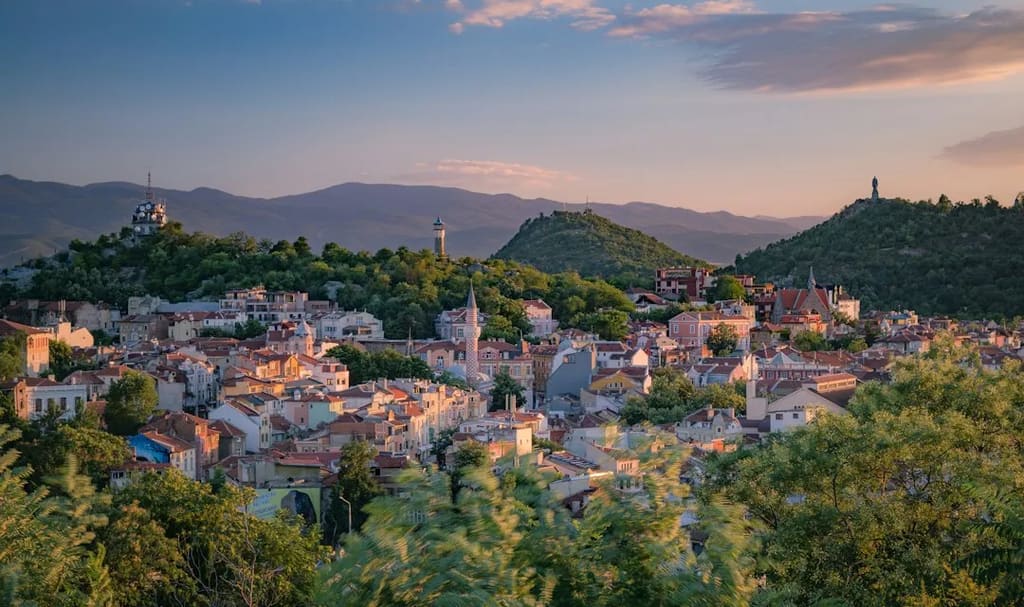
Bulgaria has one of the steepest long term declines in the European Union. Eurostat reports a 17 percent drop over two decades, second only to Latvia.[11] In 2025 the country recorded 50,241 births and 99,479 deaths.[12]
The country is also getting older. About 1.56 million people were aged 65 or older, accounting for 24.3 percent of the total population.[12] Bulgaria has 4,999 villages[12], while nearly three quarters of residents, 73.9 percent, live in urban areas[12]. For a visitor, that usually means lively cities and much thinner rural communities.
The Baltics: Latvia and Lithuania
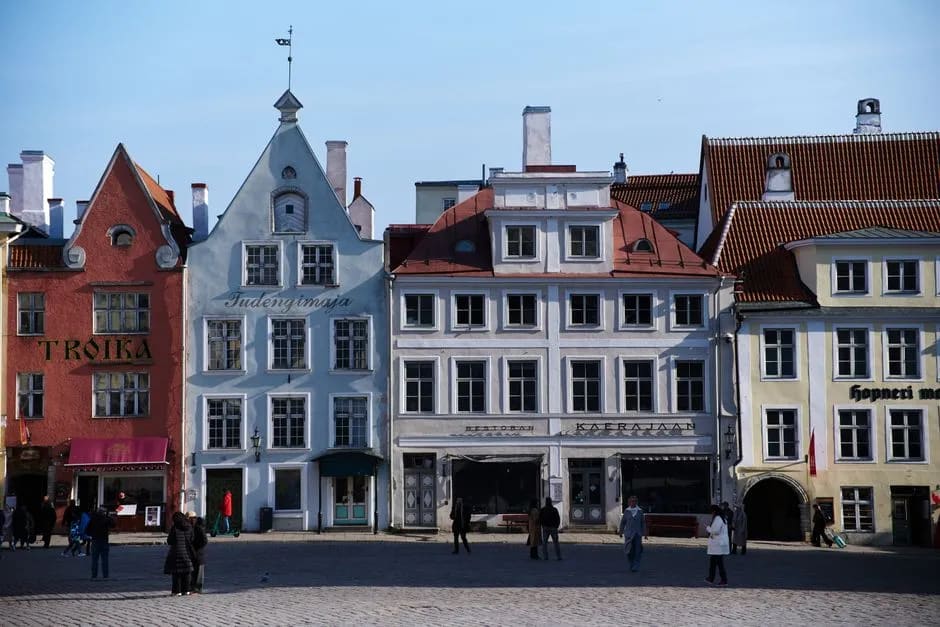
Latvia has lost more of its people than any other EU country in recent decades. Eurostat shows Latvia down 18 percent and Lithuania down 15 percent over the period.[11] Latvia has lost about one fifth of its population since joining the European Union in May 2004.[13]
Lithuania shows how quickly the picture can shift. It grew by about 3.5 percent between 2020 and 2025 because of immigration from Ukraine.[3] National averages hide a lot, so a busy capital can sit alongside a countryside that feels noticeably sparser.
Romania and the Western Balkans
Romania lost a large number of people in absolute terms. Eurostat lists Romania’s decrease at 2.5 million, with Poland at 1.6 million and Bulgaria at 1.3 million.[11] Poland, Romania, Bulgaria, Albania and Greece have all seen many people leave to find work elsewhere.[14]
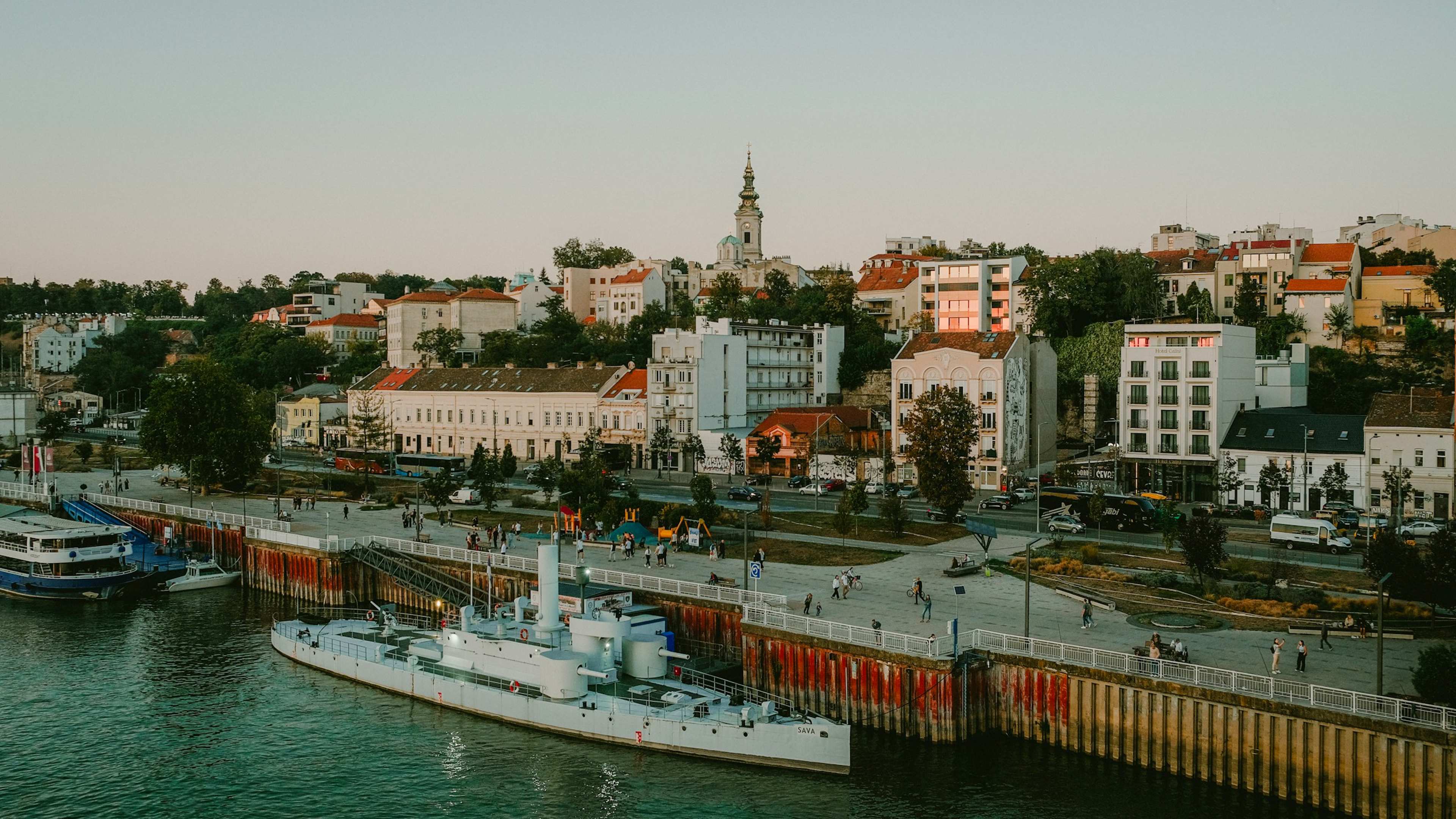
Between 2020 and 2025, WorldAtlas lists Moldova at minus 8.5 percent, Bulgaria at minus 7.4 percent and Bosnia and Herzegovina at minus 5.0 percent[3], with Serbia at minus 4.7 percent[3]. These are modest yearly changes, but they add up. Rural guesthouses and small town services may run on thinner staffing than they once did.
Italy and Greece: Popular Destinations With Aging Populations

Italy is on the UN’s list of countries that have already peaked. One 2026 compilation estimates it is losing residents at about a third of a percent a year, due to aging, low fertility and limited immigration[15]. Tourism hasn’t collapsed, so the main change travelers see is in smaller communities rather than famous cities.
Related Stories From Travelbinger



Greece faces similar pressure. One projection has its population falling about 8.8 percent between 2025 and 2050, with a fertility rate of 1.4 births per woman.[16] Eurostat commentary notes Greece is dealing with pressures from an aging population and fewer births.[17] Island and mountain villages are the places most likely to feel it.
When Decline Comes From Conflict or Crisis

Not every shrinking country is shrinking for the same reason. Ukraine is the most extreme example, as its population peaked above 52 million in 1993 and stood at roughly 32.9 million in 2025[3]. That loss reflects war and displacement as well as long term demographic trends.
Venezuela follows a different pattern. Its decline is driven almost entirely by emigration, and the UN Refugee Agency reported in December 2025 that more than 7.9 million Venezuelans had left since 2014.[3] Travel to places like these calls for official government advisories rather than demographic curiosity.
Practical Planning Notes for Rural Stops
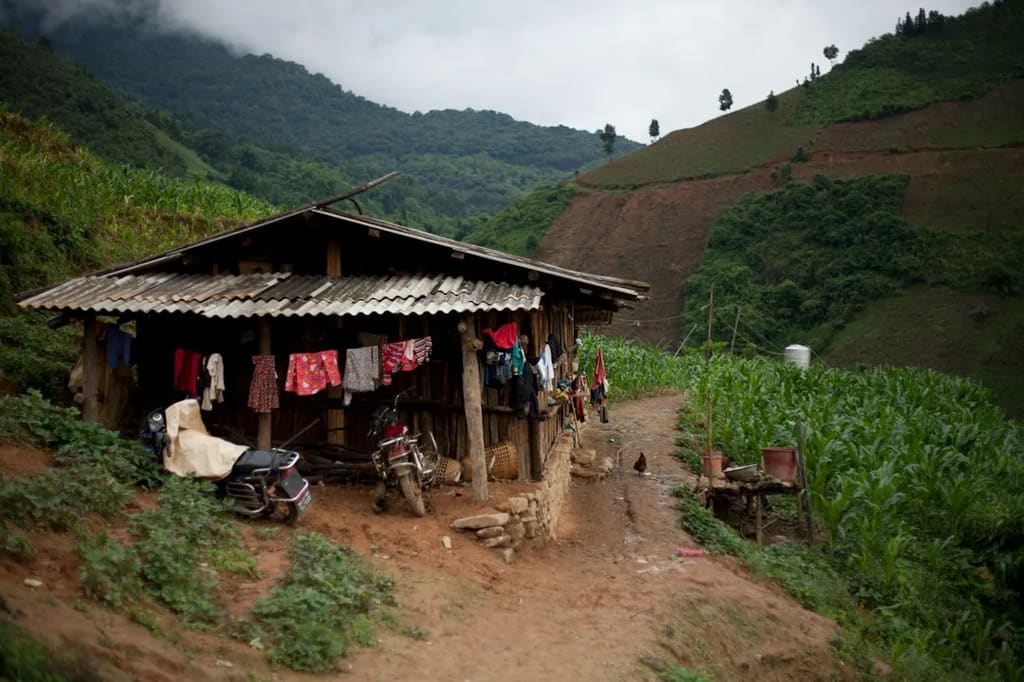
Where populations fall, services tend to follow. Schools, shops and community centers close, creating a ripple effect that accelerates a town’s decline.[18] In South Korea, local businesses are shuttering and municipal governments are losing the tax base needed to maintain basic services[8]. Confirm opening hours, transport links and where you’ll eat before heading into small communities.
There’s an upside for travelers too. Abandoned homes in some Japanese towns are being repurposed into guesthouses, art spaces and small businesses.[18] Staying in one supports a local economy that needs visitors, and it often gives a closer look at the region than a big hotel would.