
A cheap packet of noodles can be a better travel companion than a guidebook. Worldwide consumption reached 124.21 billion servings in 2025, up about 0.7 percent from the year before[1], so wherever you land, someone nearby is probably stirring a pot.
Each country has its own idea of what a good bowl looks like. Some give you a museum, some a riverside cooking machine, and some a flavor you won’t find at home. Here are nine stops that show how differently the same simple food can travel.
Where the World Slurps the Most
Start with the map. China and Hong Kong consumed 43.27 billion servings in 2025[2], which keeps them well ahead of everyone else. The five biggest markets are China and Hong Kong, Indonesia, India, Vietnam and Japan.[2]
That ranking is a handy way to build an itinerary. Big markets tend to mean more variety on the shelves, from regional flavors to limited editions. Keep in mind that the totals reflect population as much as appetite, so a country’s rank only tells part of the story.
Yokohama and Osaka: Design Your Own Cup
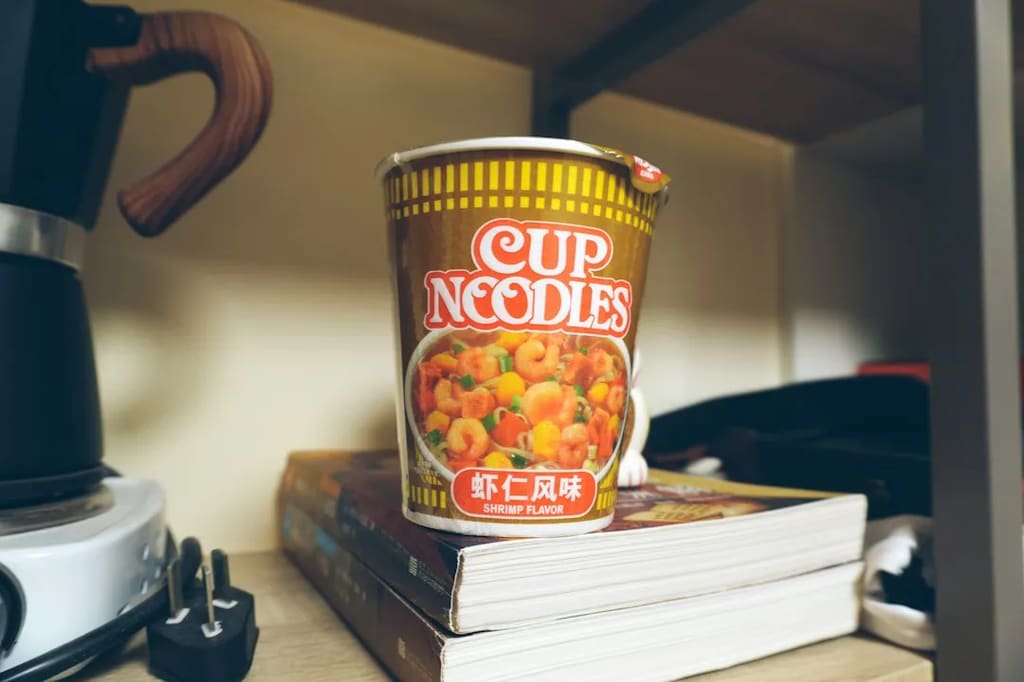
Japan is where the story began, and two museums keep it alive. The Cup Noodles Museum in Yokohama’s Minato Mirai district traces the history of instant ramen with exhibits and hands on workshops.[3] Adult admission is 500 yen, and high school age children and younger get in free.[4]
The headline activity is the same at both locations. You design the cup, choose one of four soups, and pick four of twelve toppings.[5] At Yokohama it costs 500 yen per cup.[4] The best before date is one month after you make it.[6]
The Osaka Ikeda museum works a little differently. Numbered tickets are issued on the day, there is no advance booking, and Yokohama tickets are not valid in Ikeda.[7] Entry there is free, and the museum closes on Tuesdays.[7] Budget one to two hours for a visit.[8]
Seoul: Ramyeon by the Han River
South Korea has turned noodle eating into a riverside ritual. Convenience stores at parks along the Han River, including Yeouido, Banpo, Mangwon and Ttukseom, sell packets you cook in a special machine and carry outside to eat.[9] Some guides stress that the machines cook real packet ramen, not just cup noodles.[10]
The process is simple enough for a first timer. You pick up a cup, pay at the counter, set it in the well at the nearby station, and hot water fills it automatically.[11] One guide puts a ramyeon and bowl set at roughly 3,500 to 4,000 won.[12] The locals clearly know what they’re doing, since South Koreans eat about 79 servings a year per person, second only to Vietnam.[13]
Vietnam: The Per Person Champion
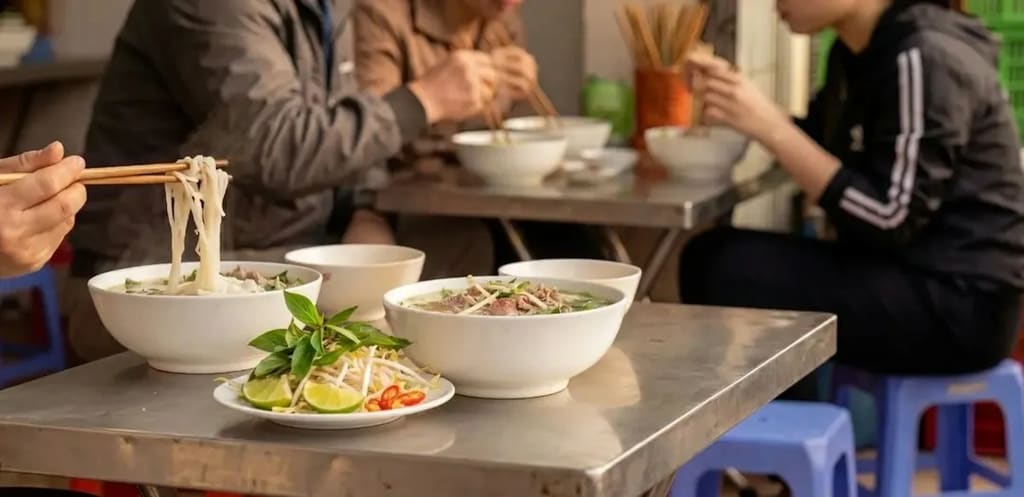
If you want to see instant noodles woven into daily life, Vietnam is a strong candidate. It ranked fourth with 8.2 billion servings, and led the world in consumption per person at 81 servings.[14] That’s more than one packet every five days for every resident.
The flavors are distinctive too. A mixture of shrimp and lime is the most popular, and Vietnamese consumers prefer noodles with elasticity.[14] Many products also use pho rice noodles, which are unique to Vietnam.[14] Browsing a supermarket aisle here doubles as a quick lesson in local taste.
Indonesia: Mie Goreng Country
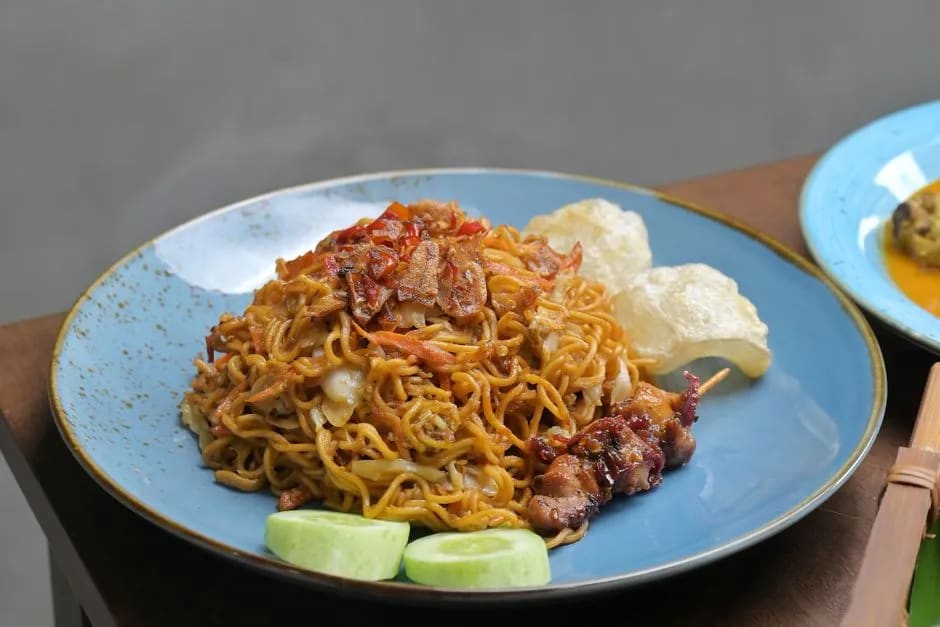
Indonesia is the second largest market on earth, and fried noodles are the main reason. Mie goreng is the most popular type among Indonesian consumers.[14] Chicken, shrimp, vegetable and chili flavors are all widely eaten.[1]
Indomie is the name you’ll see everywhere. It was first produced in June 1972.[15] The range includes fried noodles served without soup, versions with soup, and a spicy line.[15]
The market isn’t immune to economics. Demand dropped almost one percent to 14.54 billion servings in 2025, the first decline in five years, which the association tied to reduced purchasing power.[2] Cup noodles have continued to expand there.[2]
Nigeria: Indomie Far From Home
A brand born in Indonesia has become a household staple in West Africa. Indomie reached Nigeria in 1988 through exports from Indonesia.[15] In 1995 it opened a production factory there with Dufil Prima Foods, described as the largest of its kind in Africa.[15]
Nigeria now sits among the world’s biggest markets. It rounded out the top ten with 3.1 billion servings.[14] For a traveler, that means a bowl topped with egg or vegetables is an easy, affordable meal in many neighborhoods.
India: Masala and Chicken Tikka Flavors
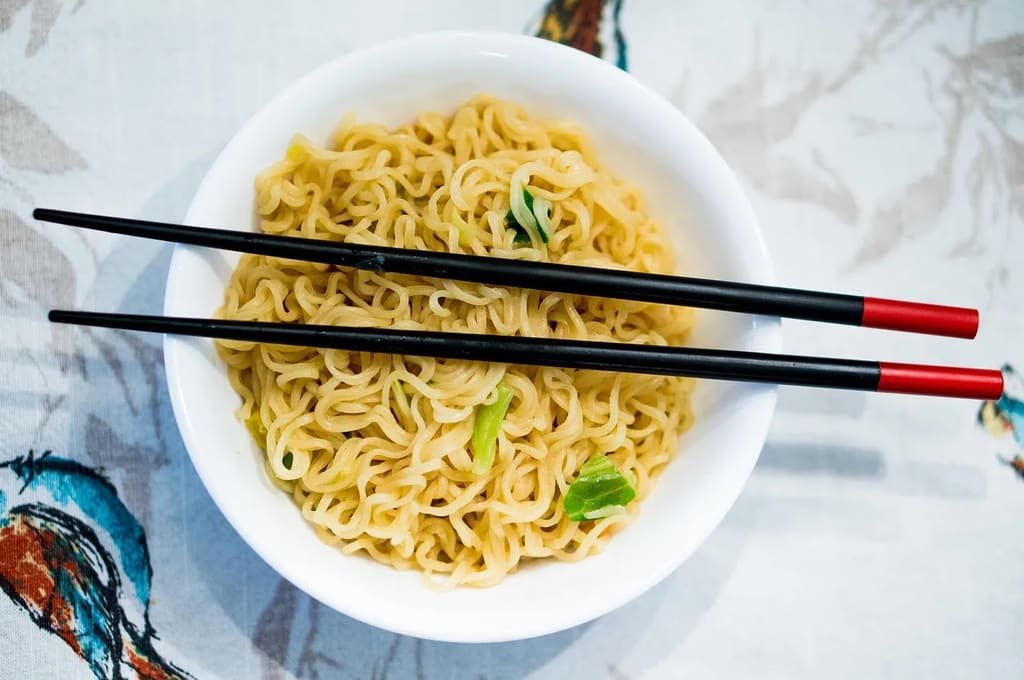
India is the fastest riser on the list. Its demand grew from 8.82 billion to 9.60 billion servings[1], according to the latest World Instant Noodles Association figures. That puts it comfortably third worldwide.
Related Stories From Travelbinger


The flavors lean toward the local pantry. Masala curry and chicken tikka are among the most popular, while vegetable and tomato varieties are also common.[1] Maggi is one of the best known brands across India and several neighboring countries.[16] Look for it at tea stalls and roadside stops.
The United States: Spicy and Asian Inspired
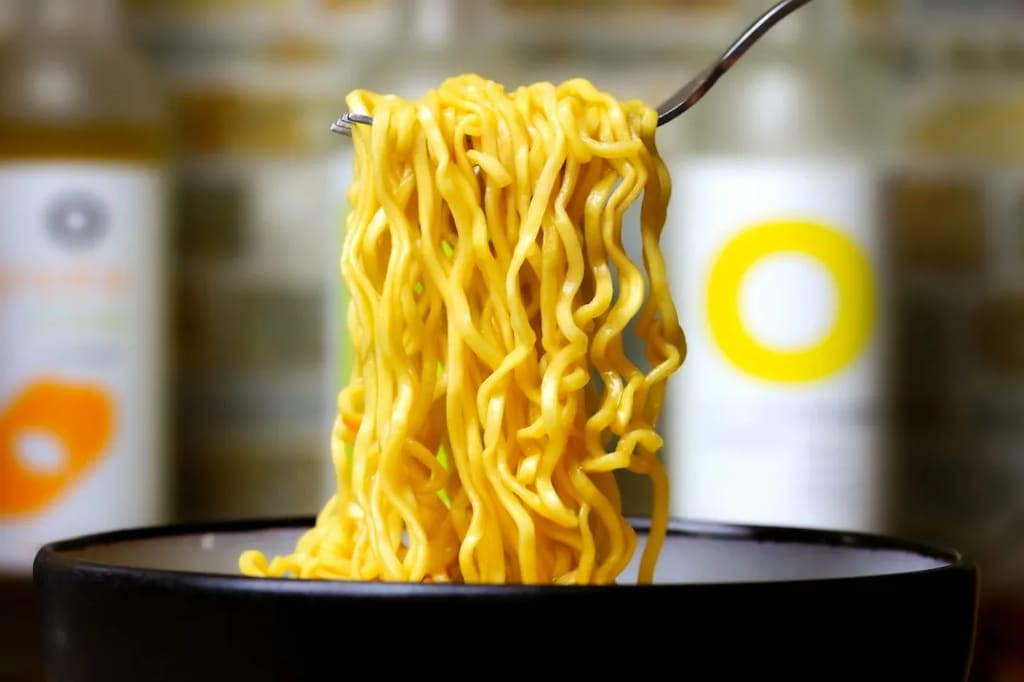
Even if you never leave home, the noodle aisle is changing. The US market reached 5.15 billion servings in 2024, making it the sixth largest in the world, as demand for Asian inspired and spicy flavors grows.[13] That makes it a decent testing ground for imports from the countries above.
The connection to Japan goes back decades. Nissin’s first overseas factory was opened in Pennsylvania.[13] Today you can find Korean and Indonesian brands on mainstream shelves, which is handy for comparing them before a trip.
Before You Go: Practical Notes
Check details locally, because they shift. Machine instructions, store hours and available toppings vary by location at Han River stores.[9] The Cup Noodles museum also lists allergen information for its workshop cups, so read it before you choose toppings.[6]
Prices may move as well. The association said the industry faces a tougher cost environment and expects those pressures to continue this year.[1] Budget a little extra, and keep your custom cup in your bag, since it should be eaten within a month.