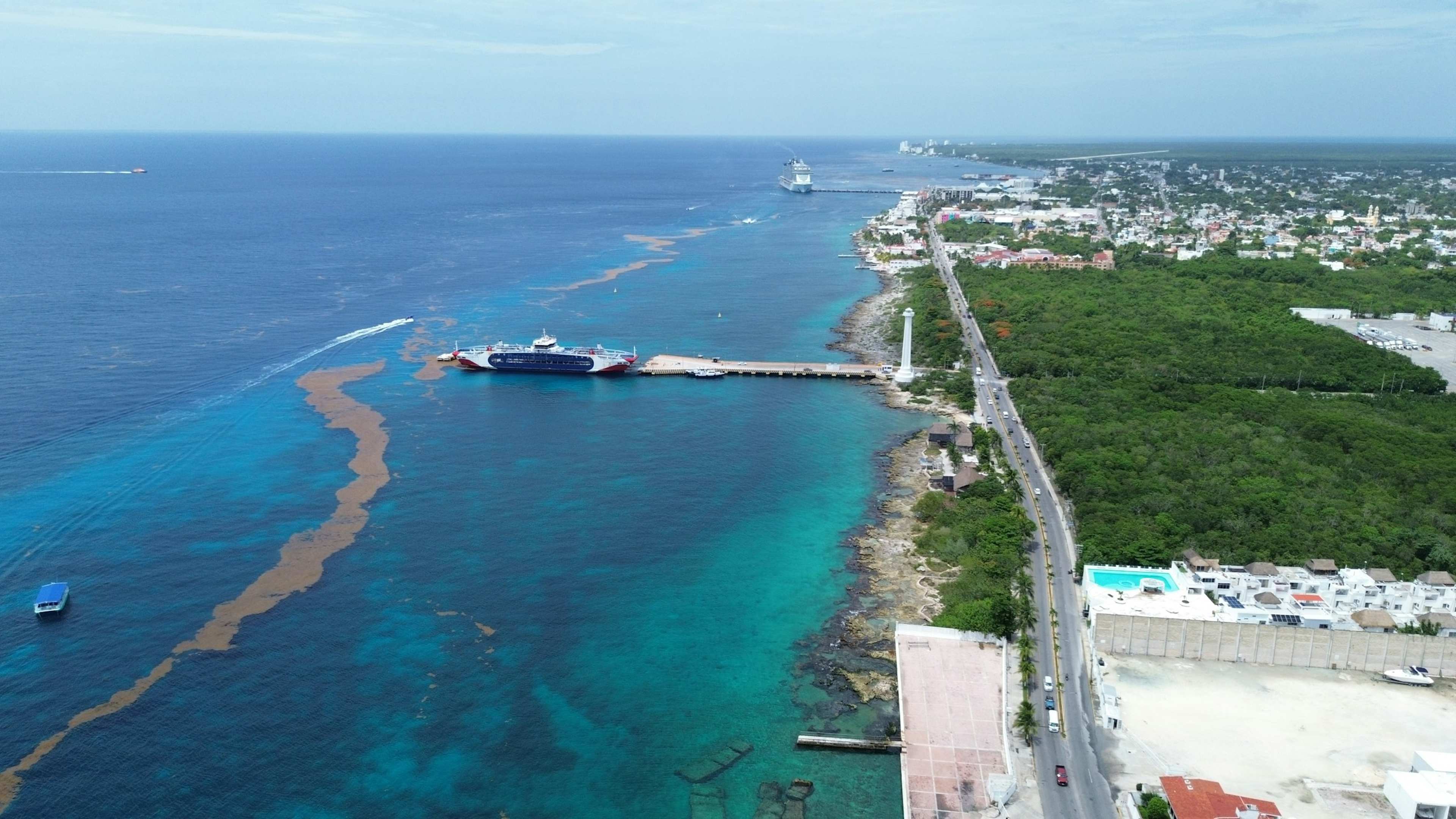
Life expectancy tables look dry on paper. Yet they quietly show where people tend to stay healthy well into old age, and that can shape a surprisingly good travel list. A trip built around longevity means long lunches, hilly walks, fresh local food and towns where older residents are part of daily life.
The ten countries below were picked using recent figures from roughly 2024 to 2026, along with a few well studied regions inside them. Sources differ slightly in their decimals, so treat each number as a close estimate. The aim is to give you places worth visiting and a clear reason for each one.
Japan: The World’s Centenarian Capital

Japan’s health ministry counted a record 99,763 centenarians[1] in September 2025, and the figure rose 4,644 from a year earlier, a new high for the 55th year in a row[1]. Women make up about 88% of that total[1], which is typical of most countries. UN based projections put Japan’s life expectancy at 84.8 years[2].
For a visit, look beyond Tokyo. Shimane in western Japan has the highest ratio of centenarians per 100,000 residents, ranking first for the 13th year running[3]. It’s a quiet region, so expect slow mornings rather than neon.
Italy: Sardinia’s Hills and the Long Lunch

Italy sits near the top of the big country rankings, with a life expectancy of 83.9 years[2]. Its best known longevity pocket is the Ogliastra region of Sardinia[4], one of the original blue zones. The island is the place where the term itself began, drawn from a 2004 demographic study of Sardinia[5].
Part of the explanation is simply the terrain. In Sardinia, daily life involves walking up and down hills[6], so exercise comes built into errands. Plan a few days in the mountain villages, and pack sturdy shoes.
Greece: Island Time on Ikaria

Greece’s national life expectancy is solid, at about 81.8 years[7] by recent World Bank figures. The headline attraction is Ikaria, an Aegean island that invites visitors to embrace a slower, more intentional pace of life[8]. Researchers credit its traditional eating, which follows the Mediterranean diet built on fresh, local foods[9].
Ikaria isn’t a resort island in the usual sense, so that’s part of its charm. Come for the village life, local produce and long evenings. A 2025 review of long lived populations treated Ikaria as one of four validated regions[5], though other analysts rate its evidence as less complete.
Costa Rica: Pura Vida on the Nicoya Peninsula

Costa Rica’s life expectancy is about 81.0 years[2], which is higher than the United States, which ranks behind Costa Rica in one 2025 comparison[10]. Its blue zone is the Nicoya Peninsula, a seventy five mile long stretch of coast[11]. Visitors find beaches and rainforest, along with a local philosophy of Pura Vida, meaning pure life[8].
The traditional Nicoya table is simple. Staples include beans, corn and plantains[9]. Eat where locals eat, and you’ll get a decent taste of it.
Spain: Mediterranean Living at Scale

Spain consistently appears near the top of European rankings. One 2025 projection lists it at 84.0 years, citing high survival at older ages and broad access to healthcare[12]. World Bank data for 2024 gives a close figure of 83.9 years[13].
Women in Spain do especially well, with a 2025 dataset showing 86.5 years for women against 81.4 for men[14]. For travelers, that means plenty of cities where multigenerational life is visible in plazas and markets. Walk, linger over meals, and take your time like everyone else does.
Switzerland: Mountains, Order and Long Lives
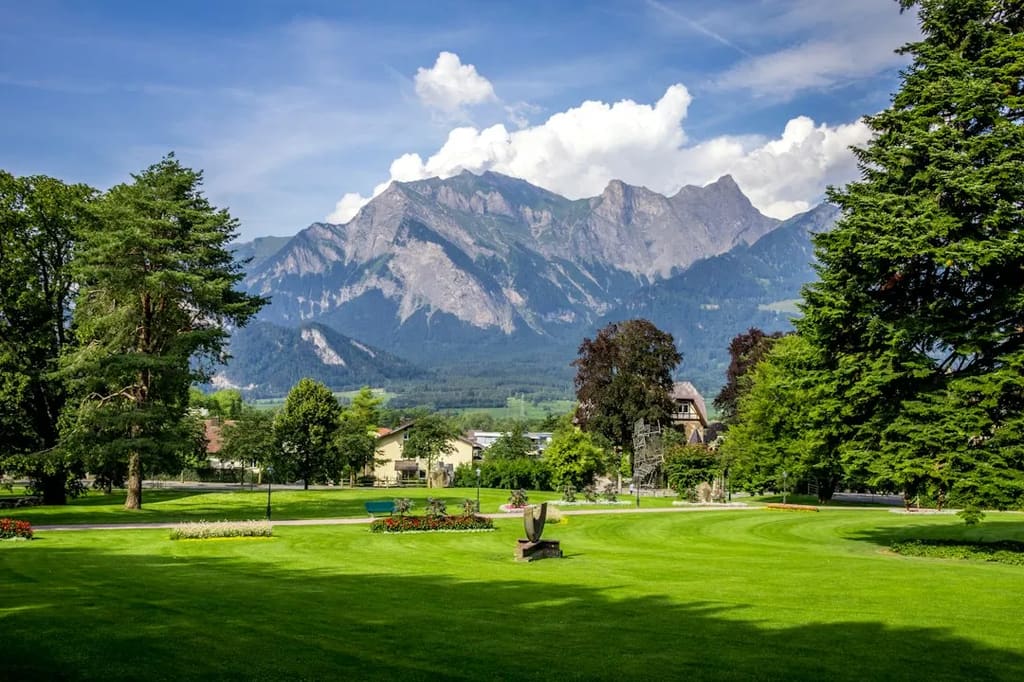
Switzerland holds a life expectancy of 84.1 years[15], placing it seventh in a 2025 ranking of countries and territories. Analysts link high income countries like it to low crime rates and high quality of life[15]. It isn’t a traditional longevity culture, yet the results are hard to ignore.
The country suits active travelers. Alpine towns offer steep walks, clean air and efficient public transport. Costs are high, so budget accordingly.
South Korea: Fast Gains in Longevity
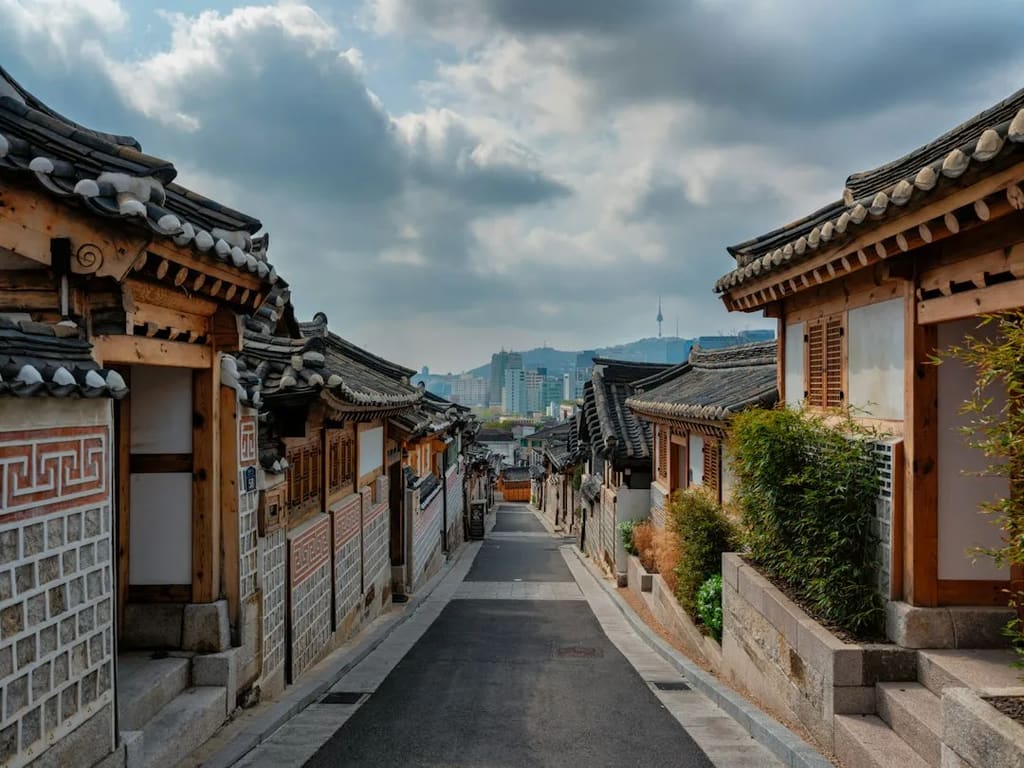
South Korea’s life expectancy stands at 84.4 years[2], among the highest of any major economy. One analysis describes rapid improvement in survival over several decades[12]. The country has about 8,891 centenarians as of 2025[16].
That’s far fewer than Japan, in part because the country’s longevity boom is more recent. Visitors can still sample the cuisine, which is heavy on vegetables and fermented side dishes. Seoul and the countryside both reward walkers.
Singapore: A Compact City With Big Numbers

Singapore’s life expectancy is around 84.0 years[12] in a 2025 projection, with strong survival and low preventable mortality[12]. A 2025 dataset lists 81.2 years for men and 85.6 years for women[14]. Not bad for a city state with few hills and a hot climate.
It’s an easy stop for a short trip. Hawker centres serve affordable local dishes, and parks and waterfront paths make daily walking easy. The city shows that longevity can also be urban.
Related Stories From Travelbinger



Australia: The Outlier Outside Europe and Asia

Australia is notable because it is the only country outside Europe and Asia to crack the top 10, at 84.1 years[15]. It also counted 7,345 centenarians in 2025[16]. Coastal living, outdoor habits and a strong health system probably help, though no single cause explains it.
Visitors can match the local routine with ocean swims, beach walks and long trails. Choose a coastal city for the easiest start. Distances are large, so pick one region rather than trying to cover everything.
Monaco: The Longest Average Life on Earth

Monaco tops UN based rankings, with residents living an average of 86.5 years and women living more than 88 years[15]. It’s a micronation, and most of the top 10 are similarly small territories or countries[17]. Wealth and healthcare clearly play a role.
The place is expensive, compact and easy to cover on foot. Spend a day on the hillside streets and harbour, then head to nearby French or Italian towns for cheaper meals. Keep in mind that its figures reflect a very small, affluent population.
Reading the Numbers Before You Go

Life expectancy at birth is an average based on current death rates for a given period[17], so it describes a newborn’s expected lifespan rather than any one person’s. It’s best seen as a forecast. Different sources also vary by a few tenths of a year.
The blue zone idea has critics too. The concept is commonly challenged as unproven, based on a lack of scientific evidence[18]. A 2025 review by one of the original Sardinian researchers validated Okinawa, Sardinia, Nicoya and Ikaria[5].