There is something almost magical about that one person in every social circle who gets invited back everywhere. You know the type. They leave a dinner party and the host is already thinking about the next invitation. They stay for a weekend and the house somehow feels better for it. What’s their secret? Honestly, it’s rarely anything grand.
It comes down to small, repeatable habits. Things that take almost no effort but communicate something deep about your character. At its core, good etiquette is the oil that keeps society running smoothly, and nowhere is that more true than when you’re a guest in someone else’s space. So let’s get into it.
1. Always Communicate Your Arrival and Departure Plans

Think of showing up unannounced at someone’s home like sending a 200-page document with zero warning and expecting an instant response. It throws everything off. Do not show up unannounced or without a plan. Always communicate with your host in advance about when you plan to arrive and leave and make sure it works for them.
Giving proper advance notice is a sign that you value your host’s time and schedule. Give your host at least three weeks’ notice for an overnight stay, and always be prepared for the answer to be no. Don’t automatically assume they can host you just because you asked. Make sure you’re prepared for the answer to be yes or no, and accept and respect whatever answer they give you.
2. Bring a Thoughtful Host Gift

Arriving empty-handed is one of those moves that people notice more than you’d think. It doesn’t need to be expensive. It just needs to show that you were thinking about your host before you walked through the door. Hosting can be hard and involves a lot of work. So it’s always important to bring a small host gift to show appreciation for being invited.
The correct etiquette is to present the gift upon entering the home, not as you leave. It’s always a special idea to give something you know your host will love. If you’re unsure, a bottle of wine is perfectly fine, but you should know your audience before gifting booze. It’s embarrassing to give a bottle of alcohol to a recovering alcoholic. If you’re unsure of the hosts’ imbibing status, opt for something non-offensive like a basket of pastas and sauces or a sampler of jams.
3. Respect the House Rules Without Being Told

Every household runs differently. Some people take their shoes off at the door. Others have a no-phones-at-dinner policy. The best guests pick up on these cues quickly, and they adapt without making it a big deal. To avoid offending your hosts, ask about general policies and rules. Should the door be locked when you leave? Is it OK to put silverware in the dishwasher? Would you like me to let the dog out if you’re not home? Most people have certain ways they like and do things, so it’s best to ask before you step on any toes.
Research published in the journal PMC found that conflicts arise when rules of engagement, territorial boundaries and communication are not clear between hosts and guests. Despite the host demarcating areas of home as either private or shared, guests do not always respect such boundaries. Being the guest who respects those invisible lines without needing to be told? That makes you truly unforgettable.
4. Keep Your Space Tidy at All Times

Here’s the thing: nobody expects you to scrub the baseboards. Your host doesn’t want a professional cleaner. They want someone who treats their home with basic respect. Make your bed and clean up after yourself. Keep your bathroom clean: wipe up any ring in the tub, shaving cream residue in the basin, hair on any object or surface, or dirt on soap.
There’s a huge difference between staying in someone’s guest room and staying in a hotel. Don’t conflate the two. Be mindful of the mess and noise you make, and always practice being considerate. When you leave a space looking just as it did when you arrived, it sends a quiet message that you genuinely care.
5. Offer to Help Without Waiting to Be Asked
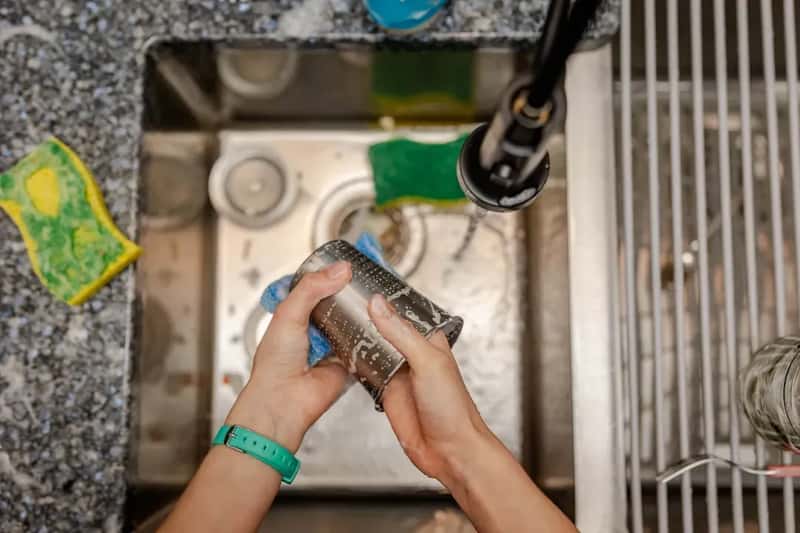
Sitting on a couch while your host scrambles to get dinner ready is, I think, one of the most tone-deaf things a guest can do. It’s not intentionally rude. People just forget. Offer to help out, especially in the kitchen, unless your host objects. Most hosts will appreciate even the offer itself.
Help clear the table, empty the dishwasher, perhaps mop the kitchen floor if it is messy, and definitely do not sit idle while your hosts are doing the dishes after a dinner they made for you. Insist on helping as some cultures may consider it rude to ask for help. Think of it this way: if you were staying at a close friend’s home, you wouldn’t just sit there while they cooked and cleaned for you solo. Step up.
6. Be Genuinely Flexible and Adaptable
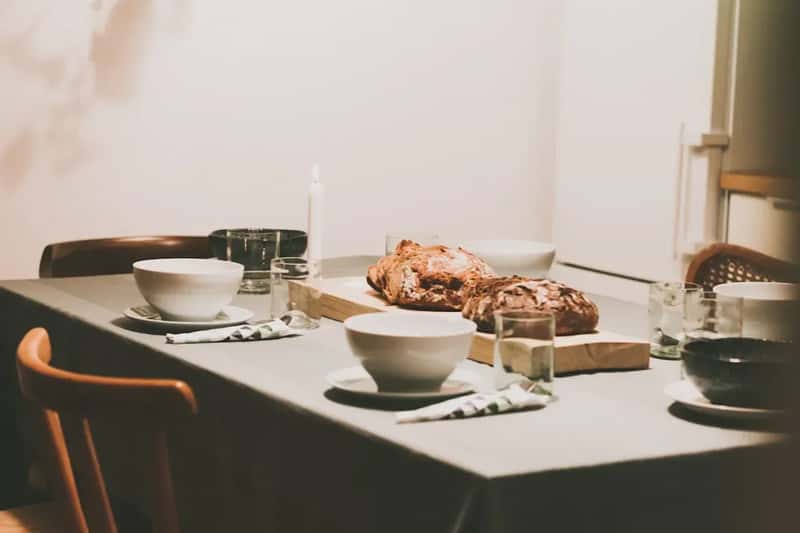
Few things drain a host faster than a guest who needs everything to go exactly their way. The schedule isn’t right, the food isn’t what they usually eat, the bedroom is too warm. Let’s be real: if you wanted everything tailored to your preferences, you’d stay in a hotel. Be adaptable. Be ready for anything, or for nothing. Show that you’re enjoying yourself.
Practice flexibility and do not be demanding. While a really great host will likely have extra toiletries, snacks, and a list of travel recommendations, don’t expect it. If you have a specific brand you prefer, you’ll bring it yourself and not complain if your host doesn’t have it on hand. Flexibility is honestly one of the most underrated social skills there is.
7. Give Your Host Space and Alone Time

Even when the visit is going great, your host needs breathing room. Imagine having someone follow you from room to room for three days. It’s exhausting, even if that person is your best friend. While your hosts are happy to see you, they don’t want to spend every minute of every day with you. Respect that. Ask them all about their lovely city, but plan to do most things by yourself or with whom you’re traveling.
Being a considerate guest starts by simply respecting someone else’s space, no matter how comfortable you may feel with them. The best guests are the ones who make themselves at home without making the host feel as though they’ve lost their own home. It’s a balance, and the people who get it right always get invited back.
8. Don’t Overstay Your Welcome

There is an old saying that fish and houseguests start to smell after three days. It’s blunt, but it contains real wisdom. Make your visit short and sweet. Generally keep your visit to no more than three nights. Short stays leave people wanting more. Long stays leave people counting down the days.
Don’t extend your stay without consulting your host. Research alternate accommodations in case they can’t host you longer, or don’t offer. Please do not take their “no” personally. They may have reasons that they don’t wish to share with you. Reading that room correctly is a social skill worth mastering.
9. Respect Their Lifestyle Without Offering Your Opinion

People live differently. Different diets, different political views, different parenting styles, different sleeping schedules. When you step into someone else’s home, you step into their world. Don’t lecture your host on their lifestyle, political beliefs, eating habits or parenting style. This is the quickest way to find yourself checking into the nearest hotel.
Etiquette is about people, not policies. Good manners are all about helping people, including yourself, feel comfortable no matter the situation. A guest who makes everyone feel seen and respected, regardless of differences, is a genuinely rare and valuable person to have around. That kind of social grace is hard to teach, but it starts with simply keeping your unsolicited opinions to yourself.
10. Send a Heartfelt Thank You After You Leave

This one habit alone could completely transform how you’re remembered as a guest. Most people never do it. They leave, they go home, they get back to their lives. The host is left cleaning the sheets and wondering if it even meant anything. Even if they were pleased to have you, a thank you card will certainly be appreciated once you get home, especially if they went out of their way to accommodate you or took time off work to show you around.
The ultimate act of etiquette is to be thankful and grateful. A grateful heart carries power that will affect the behavior of others. We all want to be around people who are grateful and who live lives of servanthood. Whether it’s a handwritten note or a warm, thoughtful message, this small gesture wraps up the entire visit with a bow. Expressing gratitude to someone who has hosted you is a wonderful way to acknowledge their hospitality and effort. Whether it’s for a weekend stay, dinner party, or special occasion, a sincere thank you message can strengthen relationships and show your appreciation.
The Bigger Picture

Here’s something that gives these habits real weight. A sizable share of Americans say they regularly see rude behavior in their daily lives. About a third of adults say they almost always or often see people behaving rudely when they go out in public, while another 46% see this sometimes. In a world where basic consideration has become genuinely rare, the person who shows up with warmth, tidiness, and gratitude stands out immediately.
How others view and treat you is influenced by social etiquette. It can assist you in making long-lasting impressions that foster trust and reliance. Good social etiquette not only aids in the development of long-term relationships but also aids in the creation of lucrative chances. These ten habits aren’t just about getting re-invited to dinner parties. They’re about the kind of person you choose to show up as, everywhere you go.
So, which of these habits do you already practice without thinking, and which ones made you pause? Tell us in the comments.