The Federal Trade Commission has opened an inquiry into whether major companies, including three large U.S. airlines, use personal data to set different prices for different customers. The move has renewed long-standing questions about how ticket prices are determined and whether individual travelers see fares shaped by their own information. Details of the announcement appeared this week in reporting from The Points Guy. ([1])
Scope of the FTC Inquiry
The agency is examining nine companies across several industries. Three airlines sit at the center of the review: Delta Air Lines, United Airlines, and JetBlue. Ride-hailing services Uber and Lyft, retailers Walmart and Target, and delivery platforms DoorDash and Instacart are also included.
Companies must provide information on whether prices can shift based on personal factors such as loyalty-program membership or browsing history. The focus is not on the practice of personalized pricing itself but on whether it occurs without clear disclosure to consumers.
Airline Industry Response
Airlines for America, the trade group representing major carriers, stated that its members do not engage in personalized pricing. The group said carriers continue to set fares according to marketplace conditions and consumer demand, the same approach used for years.
Delta has faced earlier questions after executives disclosed use of a third-party AI tool for pricing decisions. The airline maintained that the tool does not incorporate private customer data. JetBlue encountered similar scrutiny last spring after a social-media comment suggested clearing cookies or using incognito mode for lower fares; the post was later deleted.
Consumer Concerns and Pricing Practices
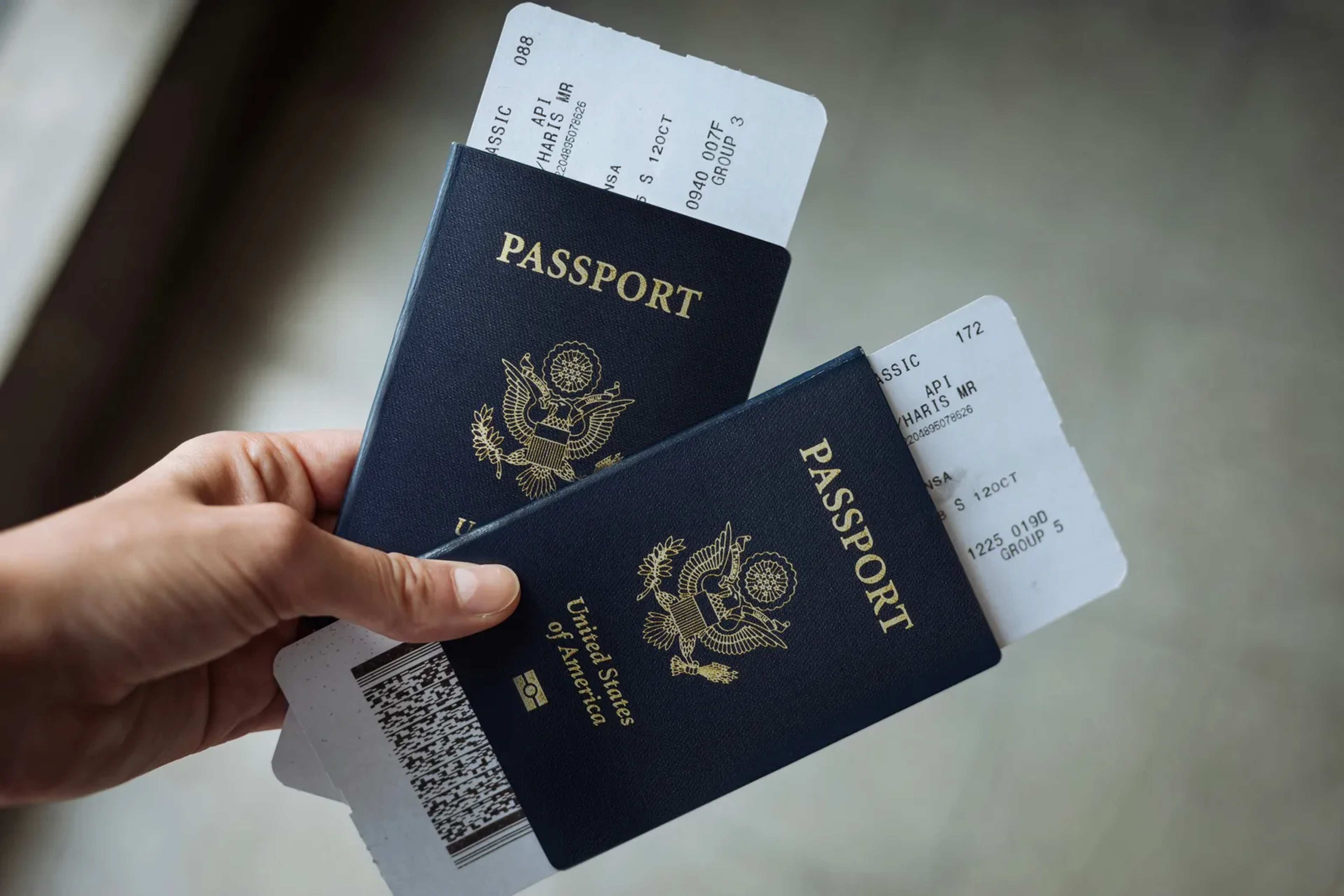
Travelers have grown more aware of how much information airlines collect through bookings and loyalty programs. Security rules already require names, dates of birth, and other details, while frequent-flyer accounts add further layers of personal data.
Dynamic pricing, which adjusts fares in real time as seats sell, remains a standard industry tool. Economists note that rapid price changes can leave passengers wondering whether their own search behavior triggered the shift. University of Mississippi economist Garrett Scott has observed that consumers often assume the worst, though he has expressed doubt that individual behavior alone drives every fluctuation.
Expert Views on the Blurred Lines
Some analysts argue that certain common practices already resemble personalized pricing in practice. University of Nevada, Las Vegas pricing expert Mark Tremblay has suggested that carriers could raise holiday fares during periods when data show higher-income travelers typically book, then label the change as ordinary dynamic pricing.
Targeted offers such as credit-card discounts on award tickets or upgrade prices shown only to recent bookers are openly advertised. These tactics can benefit consumers when demand is soft, yet they illustrate how different customers may see different options on the same flight.
What Matters Now
The FTC inquiry is still in its early stages and centers on information requests rather than enforcement actions. Airlines continue to insist they do not use surveillance-style methods to set individual fares.
Travelers can monitor prices across multiple devices or incognito windows and compare offers through third-party tools. The outcome of the probe will determine whether greater transparency rules are needed or whether existing market practices already provide sufficient safeguards.