


Most of what makes a trip enjoyable gets decided long before the suitcase comes out. Seniors who like to travel often say the difference between a good trip and a draining one comes down to preparation and pacing, not budget or destination.
The habits below come from public health guidance and advice from groups that work with older adults. None of them are complicated. Together they can take a lot of friction out of the journey.
Talk to Your Doctor Before You Book Anything

Health guidance for older travelers tends to start in the same place. The CDC recommends consulting a healthcare provider well before departure to review medications, vaccination requirements, and travel fitness.[1] That visit is also a good moment to ask how time zone changes might affect when you take your medications.
It helps to be specific about the trip. Tell your doctor the duration, purpose, accommodations, destination, and activities.[2] A week of walking tours at altitude calls for different advice than a week by a pool.
If you’re going abroad, the CDC’s destination pages are worth a look too. Make sure you’re up to date on routine vaccinations[3] while you’re at it.
Pack Medications Like They’re the Most Important Item

They probably are. Pack medication in your carry on bag, where you can reach it easily and the airline can’t lose it.[4] The vast majority of older adults take at least one medication, so this habit applies to almost everyone.
Bring more than you think you’ll need. Carry enough for the whole trip plus extra in case of delays, and keep prescriptions in their original labeled containers.[1] A printed list of medications, dosages, conditions, and emergency contacts is also a smart addition.
Pill organizers are tempting, but one source advises against it. Don’t move pills into a single travel container.[5] Going abroad? Some countries treat certain drugs or injected medications, such as insulin, as controlled substances[6], so check the rules for your destination first.
Ask for Help Early and Without Apology
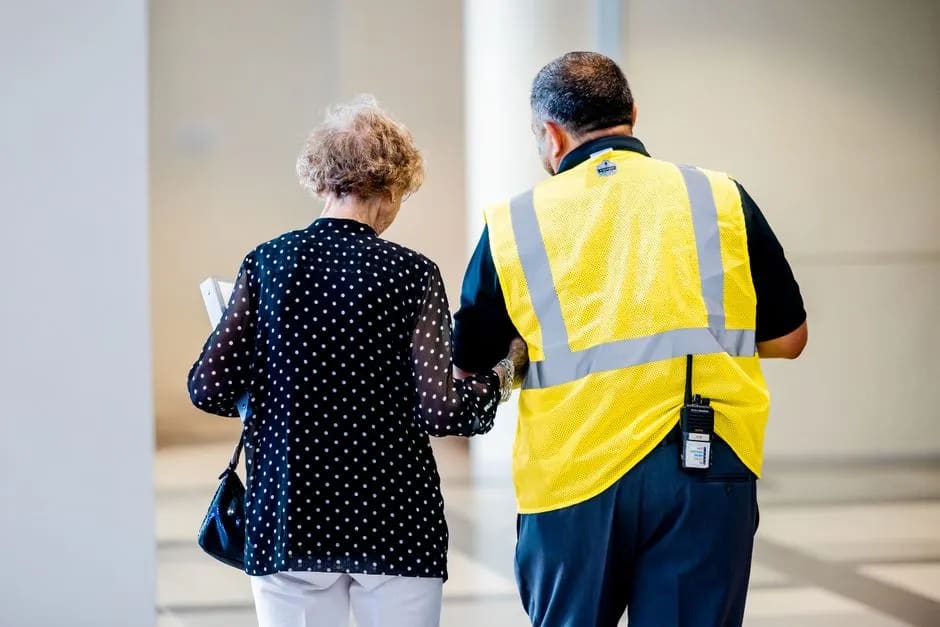
Airports can be tiring, and support exists for exactly that reason. In the United States, TSA Cares offers help during screening for travelers with disabilities and medical conditions.[1] The number is 855-787-2227, and it’s suggested you call 72 hours before travel.[7]
Age can bring a few perks, too. Travelers 75 or older are usually allowed through the security pre check line, so shoes and light items can stay on.[4] Younger travelers who dislike long lines can look into TSA PreCheck instead.
One paperwork reminder: since May 2025, you need a REAL ID to travel domestically.[4] Check your license well before the trip, not at the airport.
Pick Lodging and a Pace That Fit Your Body

A great hotel on paper can be a poor fit in practice. If you have physical impairments, look for features like grab bars and accessibility, and request a ground floor room to avoid stairs.[8] It’s a small request that can change how rested you feel each morning.
Pacing matters just as much. Fewer stops, longer stays, and a free afternoon built into each day usually beat a packed itinerary. Rushing is what turns sightseeing into an endurance test.
At the airport, arriving about two hours before your flight is generally best.[2] Hurrying through a terminal is stressful for anyone, and it’s harder on tired legs.
Keep Moving and Keep Drinking Water

Long travel days are hard on circulation. Deep vein thrombosis, where blood clots in a vein and blocks flow, happens more often in older adults.[6] It’s worth asking your doctor about your personal risk before a long flight or drive.
The everyday precautions are simple. Drink water, move during flights, and maintain basic hygiene to reduce health risks.[5] Standing up and walking the aisle, or stopping every so often on a road trip, goes a long way.
Food and water safety deserve attention abroad as well. The CDC’s travel pages cover it in detail.
Buy Travel Insurance With Medical Coverage

This is the habit people most often skip, and it’s the one they most regret skipping. Medicare and Medicaid don’t cover your health care if you travel outside the United States.[7] A hospital stay overseas without coverage can get expensive quickly.
Related Stories From Travelbinger



Compare policies carefully. Look at medical coverage, evacuation, and how pre existing conditions are handled, since those details vary by plan. Reading the fine print before you pay is a lot easier than reading it from a hospital bed.
Protect Your Valuables and Share Your Plans
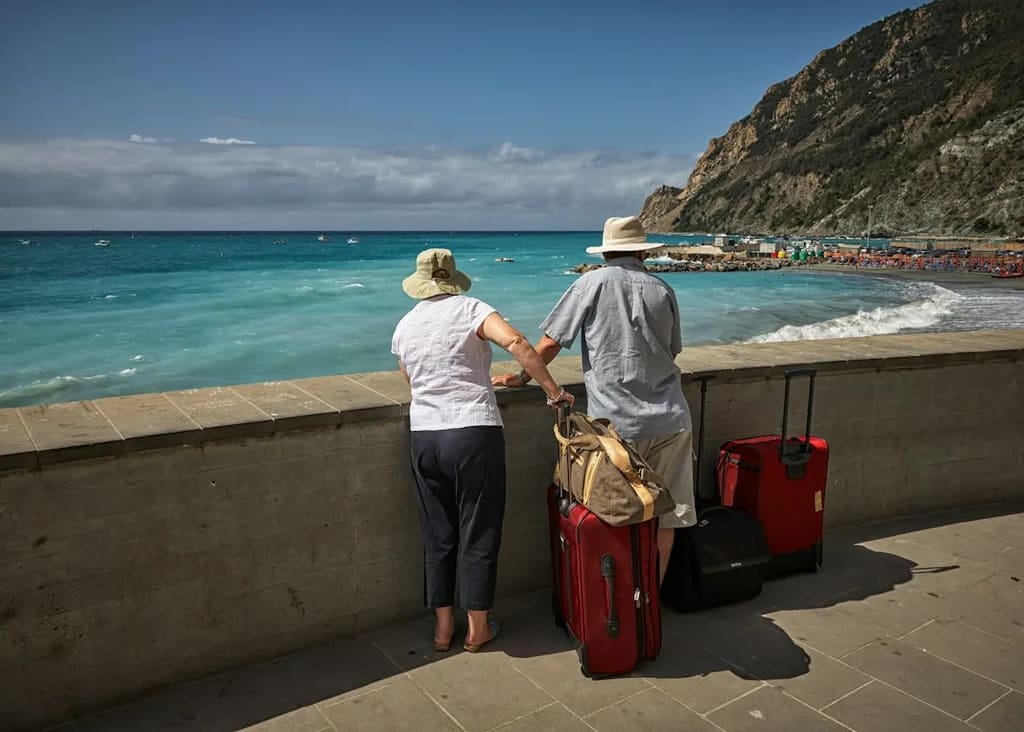
Basic security habits pay off. Older travelers can be seen as easy targets, so a travel wallet worn under your clothing is a sensible investment.[3] Keep a copy of your passport and important numbers somewhere separate from the originals.
Tell someone at home where you’ll be. Share your hotel and daily plan with a family safety contact.[9] In a medical emergency, responders will need to know your emergency contact and a health care provider back home[4], so keep that information on you.
Be careful what you post, too. Don’t overshare travel plans on social media.[5] Photos can wait until you’re home.
Final Thoughts

None of these habits asks you to travel less or want less from a trip. They just move the effort to the front, so the days away can be spent on the things you actually came for.
Start with the doctor’s visit and the medication plan, then add the rest as they fit your trip. Even a few of these will make the journey smoother.