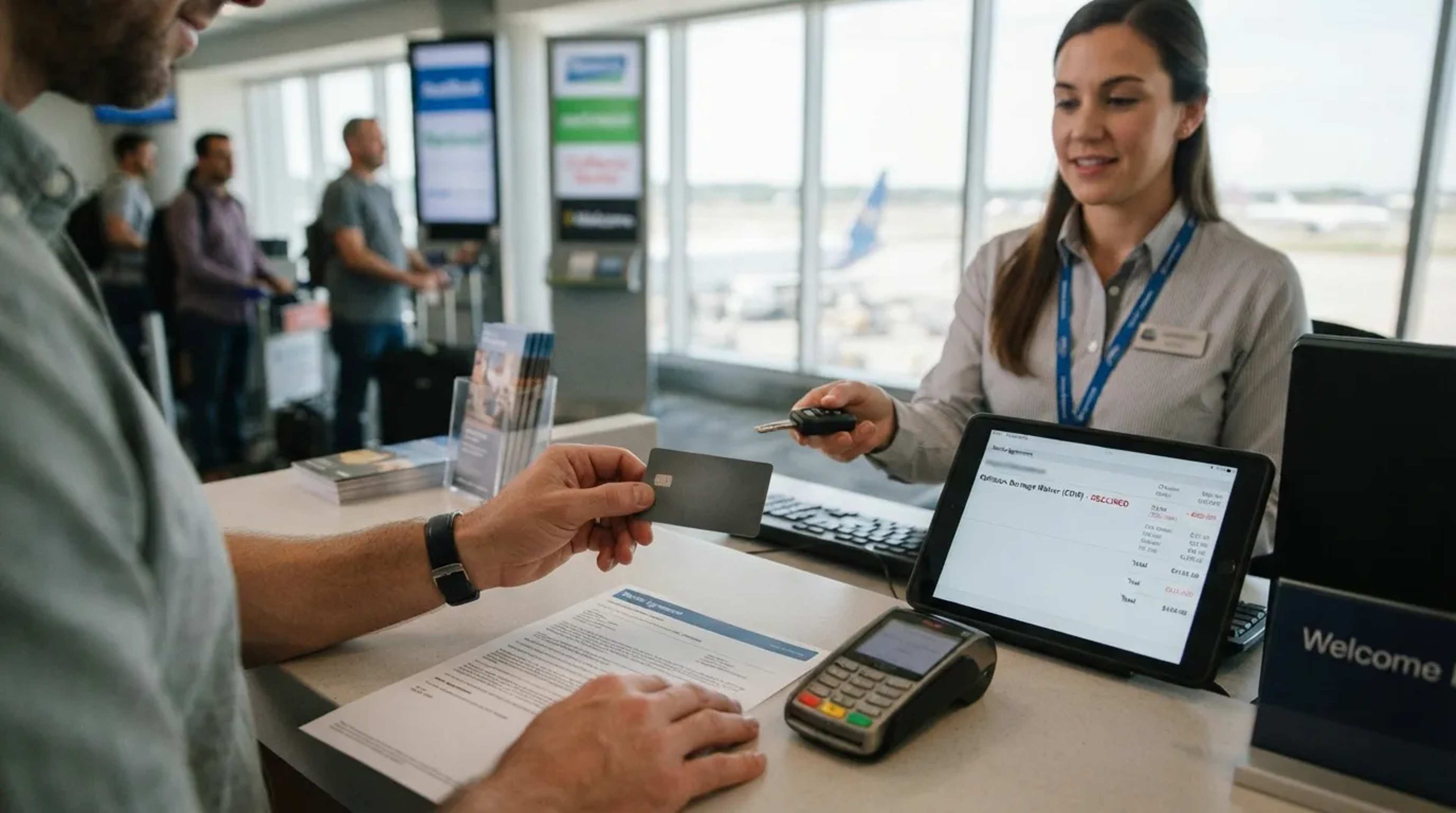
Travelers now lean on AI to sketch itineraries, decode restaurant menus and work through points redemptions in minutes. The same capabilities are prompting airlines and banks to set firmer limits on what these tools can do with a traveler’s accounts. A recent piece from The Points Guy ([1]) separates the tasks where AI earns its place from those that call for caution. For anyone whose money, bookings or personal data are on the line, that distinction matters.
Airlines and Banks Are Drawing Lines
Some of the companies that hold travelers’ rewards and cash are now pushing back on automated access. United Airlines recently announced restrictions on unauthorized third-party AI agents, citing concerns about unauthorized purchases, MileagePlus redemptions and automated check-in. American Airlines explicitly prohibits “automated re-shopping,” and Marriott bars automated tools from monitoring or retrieving website information without written permission.
Banking rules follow a similar pattern. Chase updated its digital services agreement last month to prohibit third parties, including AI agents, from using customers’ login credentials to access accounts. Bank of America has also warned customers not to share their banking usernames or passwords with AI assistants, cautioning that they could be responsible for activity that results from that access.
The message is not that AI is off limits. Some companies allow customers to connect accounts to approved services through secure connections that do not require passwords. Whether a tool is permitted depends on the provider, so checking that policy comes before any connection is made.
Where AI Earns Its Keep
Research and planning sit at the low-risk end of AI use. Travelers can ask for destination ideas based on budget, interests and dates, or request itineraries that account for opening hours and preferred transportation. AI can also surface local events during a visit, compare neighborhoods and hotel locations, and explain visa or entry requirements. Because a traveler can supply context without handing over personal details, these tasks rarely require sensitive information.
Points and miles offer a similar opportunity. AI can suggest ways to stack earnings, identify the best card for a planned purchase and work through calculations that often trip people up. Those include comparing cash and points bookings, estimating redemption values, weighing whether a points transfer makes sense and assessing elite status benefits. The Points Guy’s example of checking whether 25,000 Hyatt points are worth more than paying $600 shows how a question like this can be answered without giving the tool access to any account.
Checking the Output Before Acting
AI can be confidently wrong, and the cost of an error depends on the decision it influences. A slightly off landmark detail or a closed restaurant on a walking tour is a small inconvenience. A wrong driving time, an incorrect entry rule or a hotel without the needed amenities can derail a trip. The Points Guy recommends verifying these details directly with reliable sources before booking.
Redemption advice deserves the same scrutiny. Any “sweet spot” an AI identifies should be checked to confirm that it still exists at the stated rate and that award space is available on at least some dates. The author also noted that AI tends toward overly cautious guidance, such as recommending arrival three to four hours before a flight even when the bag drop opens two hours before departure. Information that would cause real trouble if it were wrong deserves a second look.
| Type of AI use | Relative risk | What to check |
|---|---|---|
| Asking for advice, such as itineraries or destination ideas | Lower | Routes, opening hours, entry requirements |
| Sharing documents or connecting accounts | Moderate | What data is kept, used or removed before upload |
| Letting AI take actions, such as booking or redeeming | Highest | Provider permission, approval for each step, revoke options |
Protecting Passwords and Personal Data
Passwords, security codes and full credit card numbers should stay out of AI conversations. Sharing those details can put accounts at risk if the information is exposed or misused. Information shared with an AI tool may also be stored or used beyond the current chat, and the traveler may have little control over that process once it happens.
Sharing is not always off limits. Uploading a flight itinerary or hotel reservation can help an assistant plan a trip, but confirmation numbers, account numbers and other identifiers should be removed first. If a password has already been shared, the advice is to change it immediately and review the account for unauthorized activity.
Privacy settings also matter. Some services may use conversations to train their models, and some may keep information after a conversation is deleted. ChatGPT, for example, lets users opt out of model training and offers temporary chats that do not appear in history, although those chats may still be retained for safety or legal purposes. Using an AI tool through another platform, such as WhatsApp, or connecting a third-party service can add more companies to the list of those with access.
Related Stories From Travelbinger



Keeping Final Say Over Purchases
The author’s own experience offers a useful caution. While using Instinct AI to research clothing for a trip, the responses repeatedly stated, “Nothing has been ordered.” That reassurance was welcome, but it also raised the question of what would happen if the tool were allowed to buy without permission. The concern is practical, since an agent acting without approval could book a nonrefundable hotel instead of a refundable one, redeem miles through the wrong program, cancel the wrong reservation or select a basic economy fare with restrictions.
For that reason, the author prefers that AI flag potential price drops or award availability rather than act on them. The traveler then verifies the information and decides whether to proceed. Even when an agent is permitted to make changes, requiring explicit approval for each step keeps the traveler in control.
AI can save time and money on trip planning and points strategy, and the author says the tools have become a regular part of his own travel routine. The safest path is to start with research and comparisons, then extend trust gradually as the tools prove reliable. Each new permission should come with a clear understanding of what is being authorized and how to take it back.