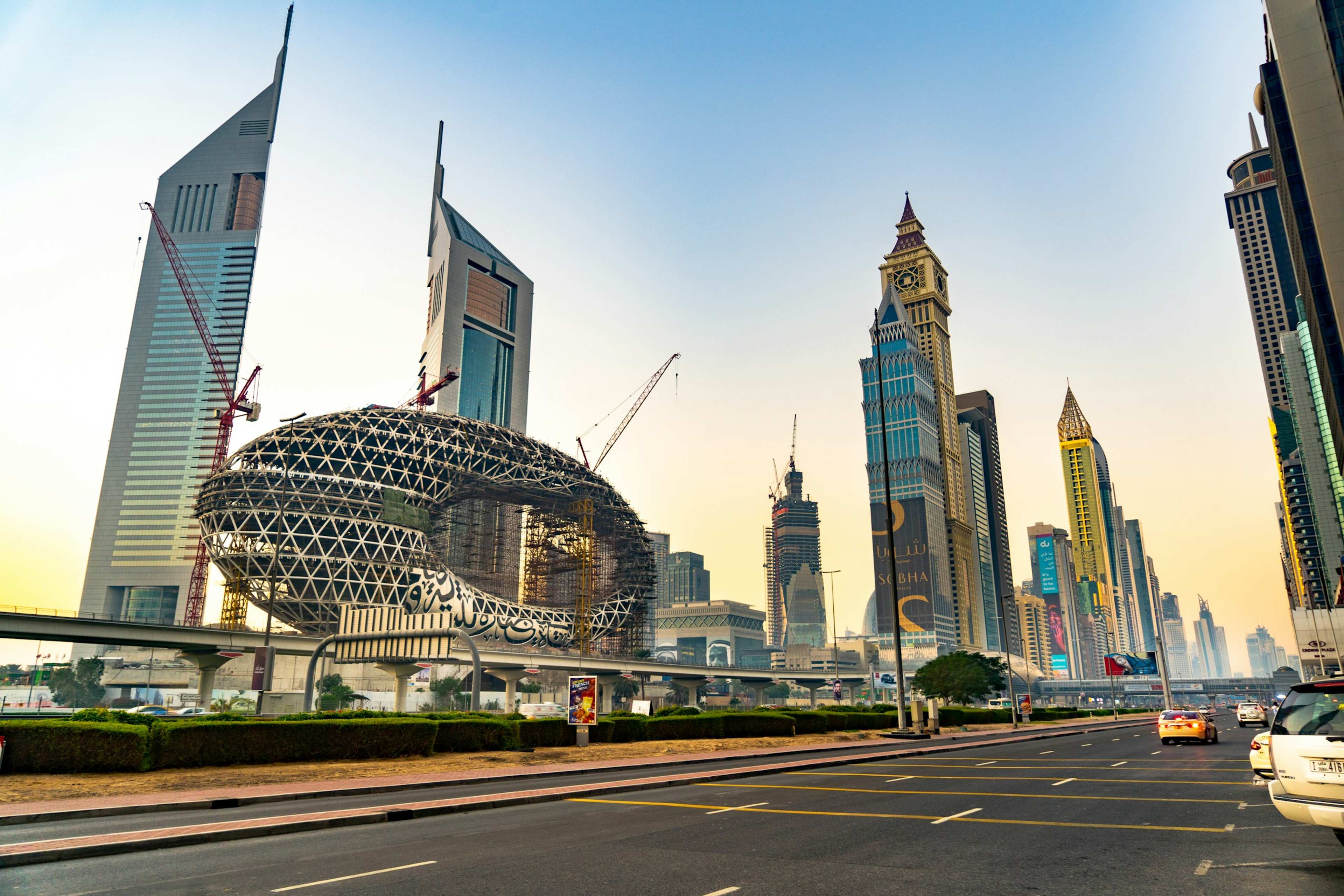

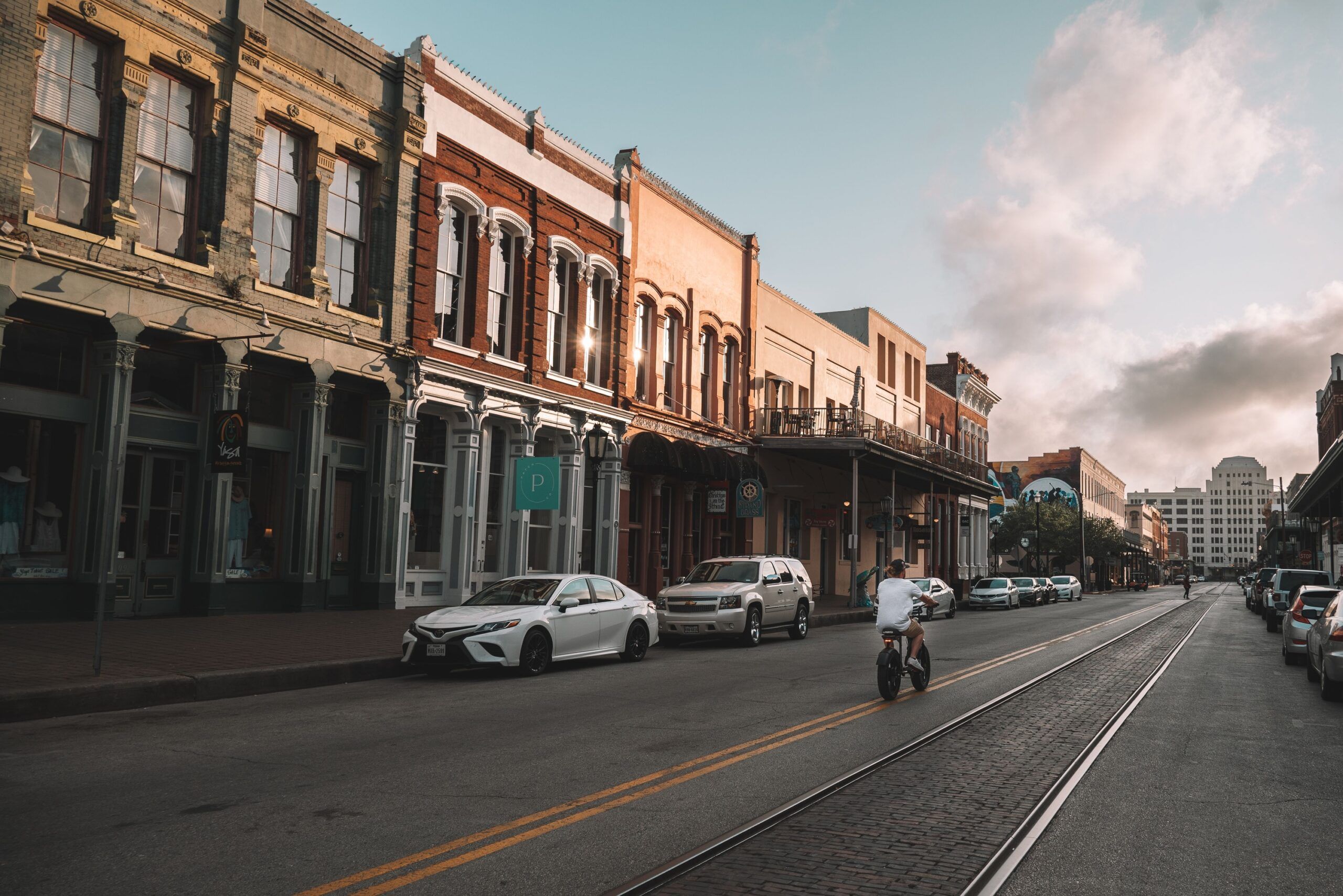
You don’t always need a passport to hear a polka band, smell a bakery full of Danish pastry, or walk under timber gables that look lifted from the Alps. A handful of American towns were built by immigrants who recreated home on purpose. A few others reinvented themselves later, when the local economy needed a new idea.
The seven places below come from both camps. Some are old and authentic, others are carefully staged, and most are a bit of each. Dates and event details reflect what’s been published for 2025 and 2026, so check local calendars before you plan a trip.
Solvang, California
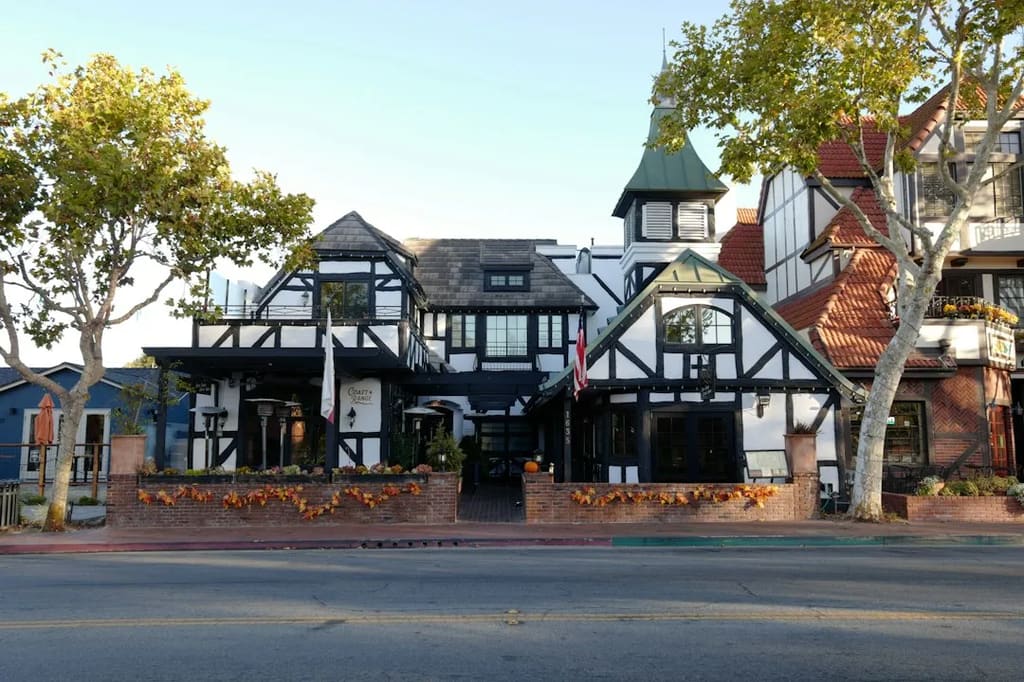
Tucked into the Santa Ynez Valley in Santa Barbara County, Solvang calls itself the Danish Capital of America. On January 12, 1911, a group of Danish American educators bought 9,000 acres of valley land and named the colony Solvang, Danish for sunny field.[1] Its builders used the bindingsværk timber frame style common in rural Denmark, and later generations kept to that standard.[2]
The look is the main draw. Visitors find flower lined streets, windmills, bakeries, a replica of Copenhagen’s Little Mermaid and a statue of Hans Christian Andersen.[3] The population was 6,126 at the 2020 census[4], yet the town reportedly gets over one million visitors a year.[3] The calendar leans Danish too, with Danish Days each September and Julefest, a month long holiday celebration that ran from November 28, 2025 through January 4, 2026.[5]
Leavenworth, Washington
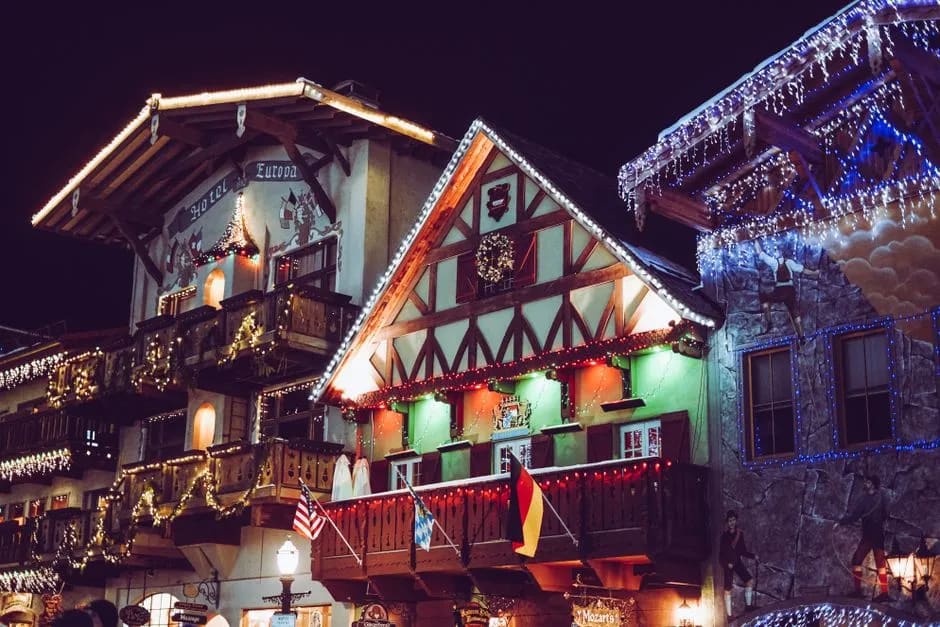
Leavenworth sits in the Cascade Mountains, and its Bavarian look is younger than most visitors assume. The town adopted that style in the 1960s as a complete makeover to attract visitors after years of decline.[6] It had been a logging town before it reinvented itself.[7]
The bet paid off. Today it draws about two million visitors a year with European style buildings and festivals like Oktoberfest and the Christmas market.[6] The 2026 Oktoberfest is set for October 2 to 3, 9 to 10, and 16 to 17.[8] Downtown’s park stage showcases traditional Bavarian music with accordions, yodelers and alphorns.[8]
Helen, Georgia
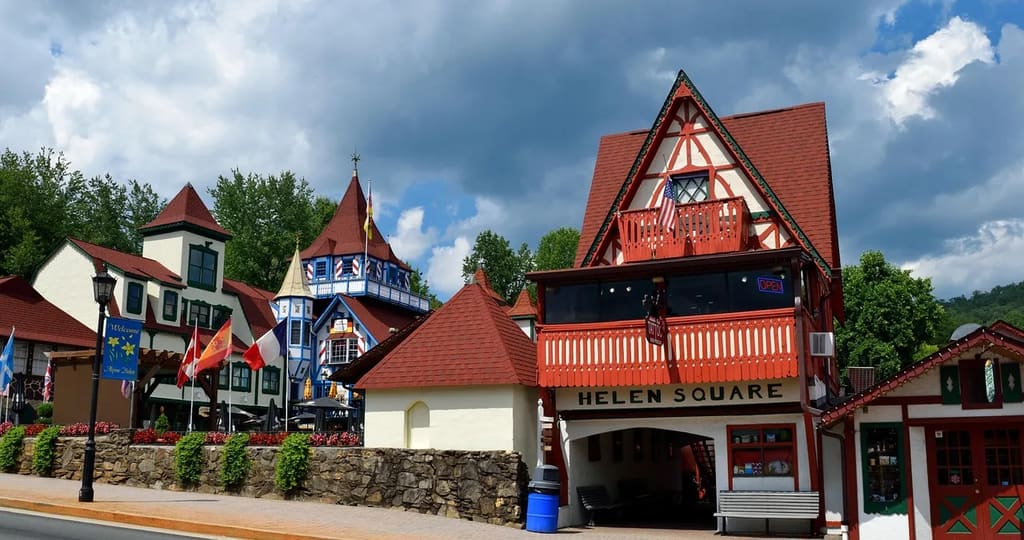
Helen sits along the Chattahoochee River in the Blue Ridge foothills of north Georgia. It’s a re-creation of an alpine village, with Bavarian style buildings, cobblestone alleys, old world towers and gingerbread trim.[9] The area is often compared to Bavaria, which inspired its architecture.[10]
Oktoberfest is the main event, and it’s an old one. The Helen Festhalle hosts the 56th annual celebration, billed as the nation’s longest running Oktoberfest.[11] The 2026 festivities run from September 10 through November 1.[11] The parade on September 12 featured costumed marchers and bands playing drums, alphorns, cowbells and accordions.[10]
New Glarus, Wisconsin
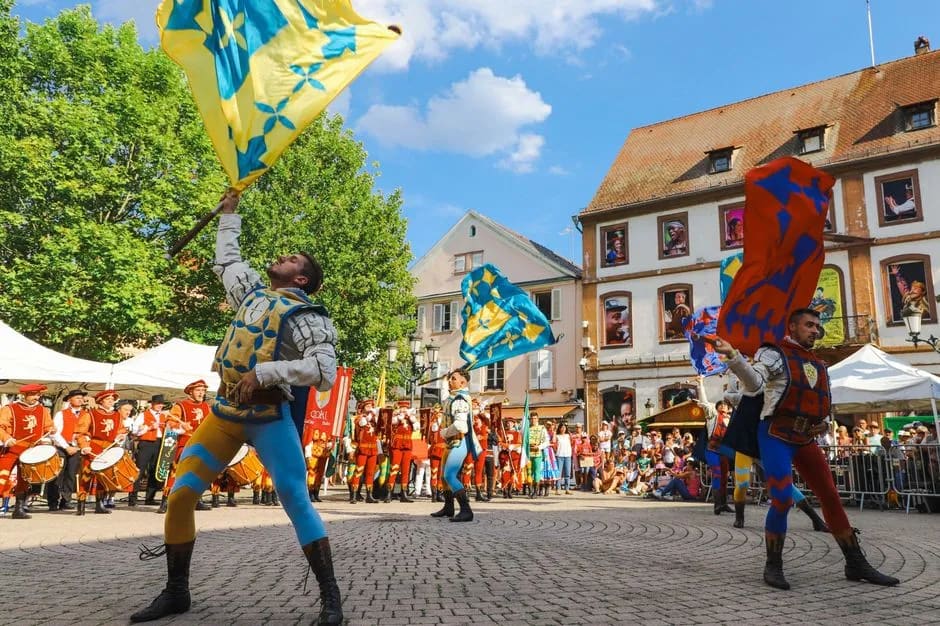
New Glarus is often called America’s Little Switzerland, and its Swiss identity runs deep in the festival calendar. The best known event is the Wilhelm Tell Festival, a live outdoor pageant based on Friedrich Schiller’s play about Swiss independence. The cast includes goats, cows and horses.[12]
The 2026 festival ran on August 22 and 23, and more than 200 local volunteers help bring each performance to life.[12] Swiss Independence Day brings yodeling, flag throwing, alphorn playing and accordion music.[13] The Chalet of the Golden Fleece, built in 1937 and 1938, now serves as a museum of Swiss culture.[14]
Frankenmuth, Michigan
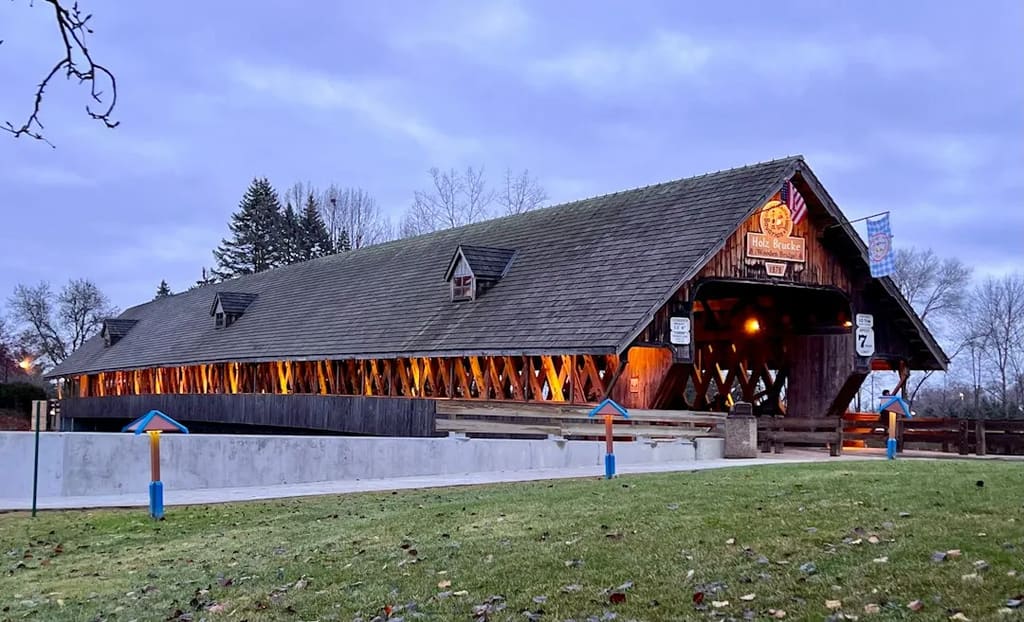
Frankenmuth is in Michigan’s Saginaw County, on the Cass River, and it bills itself as Little Bavaria. The town was founded in 1845 by Lutheran settlers from Franconia, a region of Bavaria. That German heritage shows up in the architecture, the restaurants and the festivals.
Its most famous stop is Bronner’s CHRISTmas Wonderland, a huge year round holiday store. Family style chicken dinners are another local tradition. Fall brings Oktoberfest, which one 2025 festival roundup described as taking over the town with Bavarian music, folk dancing and Hofbräu beer.[15]
Related Stories From Travelbinger



Fredericksburg, Texas
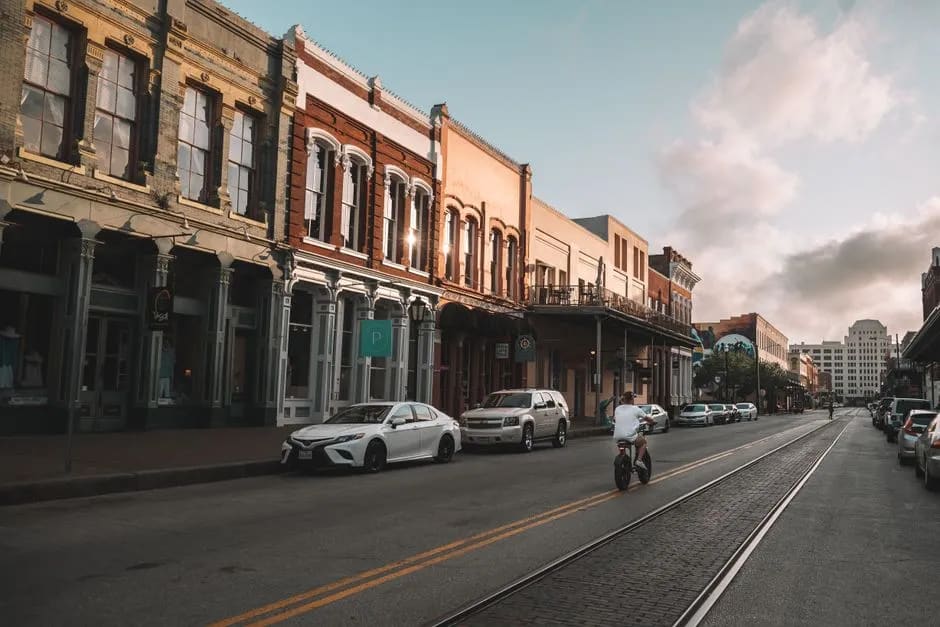
Fredericksburg, in the Texas Hill Country, was founded in 1846 by German immigrants and named for Prince Frederick of Prussia. Its wide Main Street is lined with limestone buildings, biergartens and bakeries that reflect that heritage. The town also has small Sunday houses, which were built by farm families who needed a place to stay when they came into town for church and shopping.
The town has a serious history draw too. Admiral Chester Nimitz was born here, and the National Museum of the Pacific War stands in his hometown. The German side stays lively through Oktoberfest, where Texas craft beers mingle with traditional Bavarian lagers, while local artisans and food vendors line the streets.[15]
St. Augustine, Florida
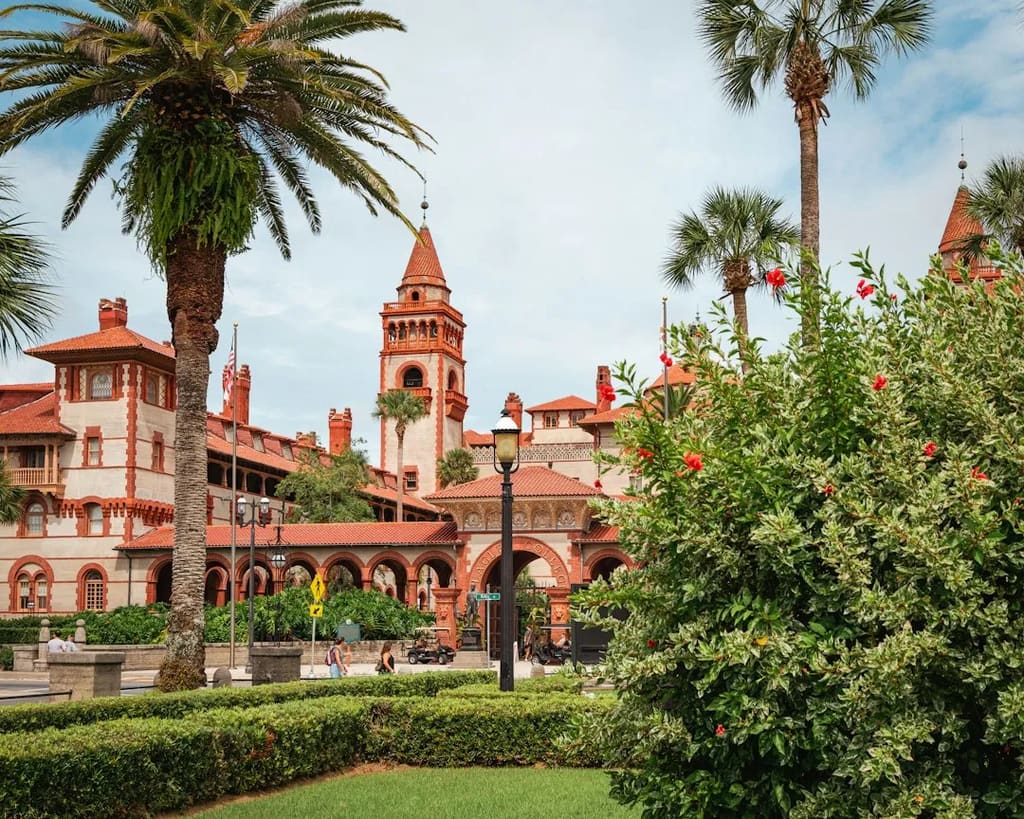
St. Augustine feels abroad in a different way. Spain founded it in 1565, which makes it one of the oldest European settlements in the continental United States. Narrow streets, balconied buildings and coquina stone walls give the old town a Spanish colonial feel you rarely find elsewhere in the country.
The Castillo de San Marcos anchors the waterfront. Construction began in 1672, and the fort is the oldest masonry fort in the continental United States. A later layer of Gilded Age Florida, built around Henry Flagler’s hotels, adds Moorish and Spanish revival details to the mix.