You probably think of your credit card’s perks as points and cash back. The protection that could save you real money on a trip is usually sitting in a benefits guide you never opened. Rental car damage, baggage delay, trip delay and trip cancellation coverage can each turn a travel mess into a reimbursement check, and all 11 are below.
The catch is that most of it only works if the right card paid at the right moment, and some claims must be filed within 20 days. The countdown starts with a suitcase that landed in the wrong city. It ends with the benefit that saves the most money per day and still leaves one gap your card does not close.
#11 – The Late Suitcase That Can Pay $100 a Day
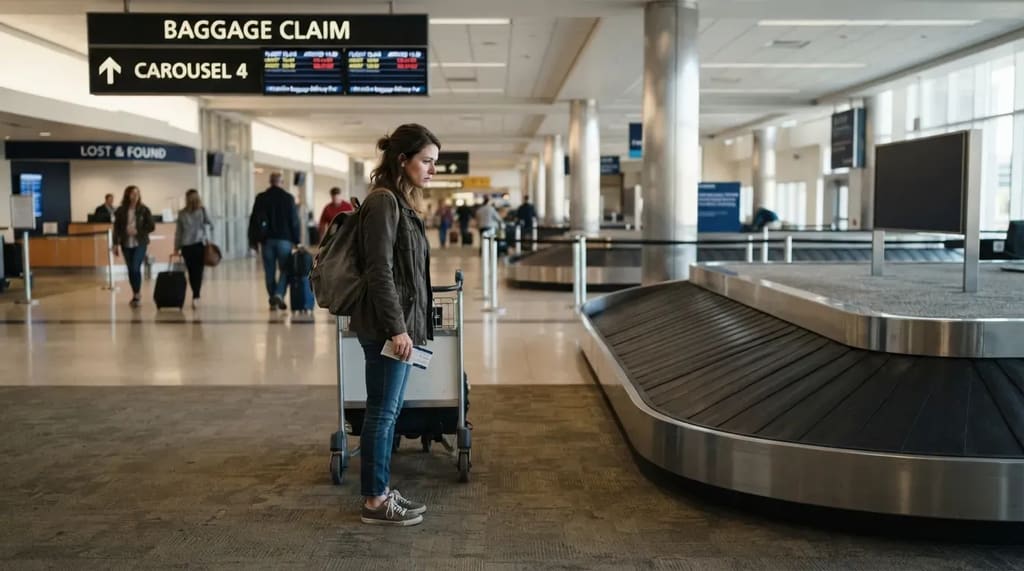
Your flight lands on time, but your bag doesn’t. Baggage delay coverage reimburses essentials, like toiletries and a change of clothes, when your bags are delayed beyond a set number of hours. On one card that Forbes lists, the benefit is up to $100 per day for a maximum of five days when bags are delayed six hours or more.1
The Southwest Rapid Rewards Plus card, according to CNBC, pays $100 a day for three days instead.2 The figures differ from card to card, so your own guide matters more than any headline number. The benefit generally applies on planes, trains, buses and ships, so a late bag on a train trip counts as well.
It pays for what you actually buy, so keep receipts for the shirt, the toothbrush and the pharmacy run. In almost all cases, you must have paid for your trip with the card that carries the benefit. A late bag is the mildest problem on this list, and it does nothing for the traveler who is stuck overnight with no room.
Fast Facts
- One listed card pays up to $100 a day for five days after a delay of six hours or more.
- The Southwest Rapid Rewards Plus card pays $100 a day for three days.
- Planes, trains, buses and ships can all qualify.
- Receipts for essentials are your proof, and the trip generally has to be paid with the card.
#10 – A Six-Hour Delay That Puts a Hotel Room on Your Card

It’s midnight, the departures board says “delayed,” and every airport hotel is filling up. Trip delay reimbursement can cover expenses if a scheduled trip is delayed by a certain period of time (such as six hours or more) or if a delay causes you to unexpectedly spend the night somewhere. That means meals, a hotel and sometimes transportation, depending on the card.
The Chase Sapphire Reserve is listed at up to $500 per ticket for a delay of more than six hours or one that requires an overnight stay.3 Lower-tier cards tend to pay less, so check the cap before you count on it.
This benefit is secondary. If the airline gives you vouchers for food or a hotel, you can’t file a claim with your card for the same costs.2 Accept whatever the carrier offers first, then claim what is left.
Ask the airline for written confirmation of the delay. Claims require supporting documentation from both the travel provider and the card account.
#9 – The Cracked Phone Covered by Your Monthly Bill

A phone is one of the likeliest things to be dropped, lost or stolen on a trip. Cell phone protection can pay for a broken or stolen phone, as long as you pay your monthly wireless bill with that card. Wells Fargo’s Active Cash card covers up to $600 with a $25 deductible, while Capital One’s Venture X reimburses up to $800.4 5
You typically don’t have to charge the original purchase of the phone to the card.5 That makes this one of the easier benefits to qualify for, and one of the easiest to forget about.
Timing is where claims fall through. Coverage starts the first day of the calendar month after a bill is paid with the card, and a month paid some other way suspends it. A prepaid plan that you pay for annually likely won’t qualify.
If your carrier charges a monthly insurance fee, you may be able to cancel the carrier’s plan and drop that charge. Read the deductible and per-claim limit before you cancel anything. Move the bill to the card well before you leave, not the week you need it.
The phone sits on one account, while the bags in the cargo hold fall under a separate benefit with its own limit.
#8 – Lost Luggage Coverage That Reaches Carry-Ons Too
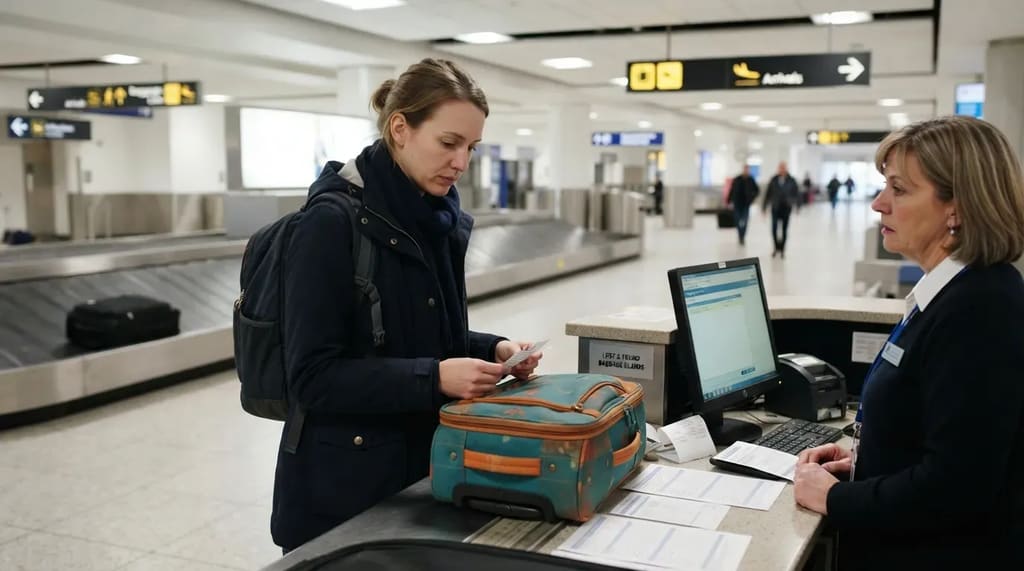
A delayed bag is an annoyance. A bag that never shows up is a different kind of problem. Lost or damaged baggage coverage reimburses you, up to a limit, if your checked or carry-on bags are lost or damaged in transit.
The Southwest Rapid Rewards Plus card carries a lost luggage benefit of up to $3,000 per passenger.2 Because that cap is per traveler, each person on the trip has their own limit rather than sharing one cap. The wording differs by card, so look for the per-person figure in your guide.
Expect paperwork, because the airline usually comes first. Chase, for example, requires you to file a claim with the common carrier before submitting a claim with Chase. That means two sets of forms and some waiting before the card pays.
For jewelry, cash and expensive electronics, carry them on board. The exclusions section of a benefits guide is where limits on valuables tend to be written.
Quick Compare
- Delayed bag: pays for essentials you buy while you wait, after a set number of hours.
- Lost or damaged bag: reimburses you up to a cap, such as $3,000 per passenger on the Southwest card.
- First step for both: report it to the airline, then keep every receipt and form.
#7 – The Points Flight Protected by a Small Tax Charge

Booking with points does not leave you uncovered. With Chase, the trip must be paid for with your eligible card and/or points redeemed with a Chase card. Even a small portion paid with the card counts.
Charging the taxes and fees on an award booking to a Sapphire card is enough, even when the booking goes through a different program.
That makes the taxes line a small but valuable charge, so put it on the right card on purpose. If you booked flights with one card and your hotel with another, each card’s coverage applies only to what was charged to it. The simplest fix is to choose the card with the strongest trip protection and put the whole itinerary on it.
Who counts as covered on that ticket is a separate question, and the answer reaches beyond the person holding the card.
#6 – Family Members Covered Even Without You Along

Picture your daughter flying alone to a wedding on a ticket you bought. On the Chase Freedom Unlimited, immediate family members are covered for trip cancellation and interruption even if they’re traveling without you, as long as you paid with the card.
Chase’s coverage applies to you and your immediate family when even a portion of your trip is paid for with your qualifying card.
The definition of “immediate family” sits in the guide, so check who qualifies before you rely on it. The trip destination must also be more than one mile from home for coverage.
This detail matters for anyone who buys tickets for grown children or for a spouse who is flying separately. The card that paid for the trip is what starts the coverage, so the buyer matters as much as the traveler.
#5 – The Emergency Trip Home Your Card May Reimburse

Trip interruption coverage is similar to trip cancellation protection, except it kicks in once your trip has begun. If a covered incident like illness, jury duty or bad weather interrupts a trip, your card might reimburse nonrefundable costs.
One card guide describes it as covering unused prepaid costs plus the emergency return home. In other words, it can help with the money you already spent and the unplanned ticket back.
Keep proof of every extra expense. Claims ask for proof of expenses caused by the interruption, plus any unused vouchers, tickets or coupons.
The reason has to be a covered one, so a change of heart does not qualify. The money lost on a trip that never starts belongs to cancellation, which runs on a tighter clock.
#4 – The 20-Day Window on a Cancelled Trip
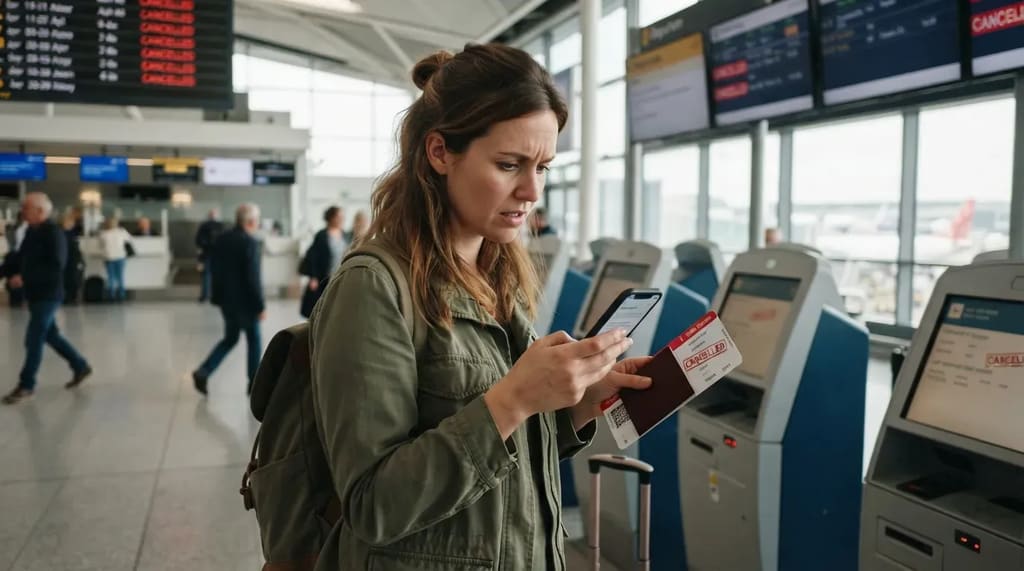
Trip cancellation can repay nonrefundable costs, like a nonrefundable ticket, when illness, jury duty or bad weather forces you to cancel. Start by canceling directly with your airline or hotel and collecting any refunds you’re owed. Then contact your card’s benefits administrator.
Expect to supply documentation such as an official doctor’s note or a death certificate. This is also where the deadline can bite, because the clock starts early.
This coverage has limits. It usually does not cover cancel-for-any-reason situations. A card benefit is a fair backstop for ordinary disruptions, but on a costly trip with a real chance of cancelling, it shouldn’t be your only protection.
Cancellation deals with prepaid money, while a medical problem overseas brings costs the card is far less likely to meet.
#3 – The Overseas Emergency Line and Its Limits

The American Express Platinum comes with access to a 24/7 Premium Global Assist hotline.2 At least one top-tier card lists up to $100,000 of medical evacuation coverage. A phone line and an evacuation benefit can steady a bad day abroad.
They are not health insurance, and this is where many travelers get surprised. Credit cards rarely include high medical limits, evacuation, repatriation or long-trip coverage. Amex’s medical coverage typically applies only if you purchase its dedicated Travel Insurance Plan.6
Original Medicare generally does not pay for care outside the United States, so check with your own insurer or agent about what covers you abroad. For a long stay or a remote destination, a separate travel medical policy is the safer plan, and the card is the backup.
At a Glance
- What the card may give you: a 24/7 assistance hotline, such as Amex Platinum’s Premium Global Assist.
- What some top-tier cards list: up to $100,000 in medical evacuation coverage.
- What it is not: health insurance for an overseas hospital stay.
- Backup plan: ask your insurer about foreign care, or buy a separate travel medical policy.
Medical bills are one large exposure on a trip. The other sits behind the wheel of a rental car, where coverage follows a strict order of payment.
Related Stories From Travelbinger


#2 – The Rental Car Rule That Flips Secondary Coverage to Primary

Secondary coverage, the most common type, means your auto insurer pays the claim, and the card may reimburse your deductible and other expenses. But if you are renting outside your country of residence, or have no automobile insurance, the coverage acts as primary.
The Amex Platinum is secondary up to $75,000 per rental, with an upgrade to primary for up to $25 per rental.
Primary coverage matters because it pays first with no need to involve your personal policy, so it does not raise your own rates.7 If you rent a few times a year, a primary card is worth more than a secondary one. A secondary card sends every claim through your own insurer first.
Primary or secondary, the coverage is aimed at one thing, the rental car itself. The counter charge for that waiver is where the savings are.
#1 – The Daily Counter Fee Your Card Can Replace
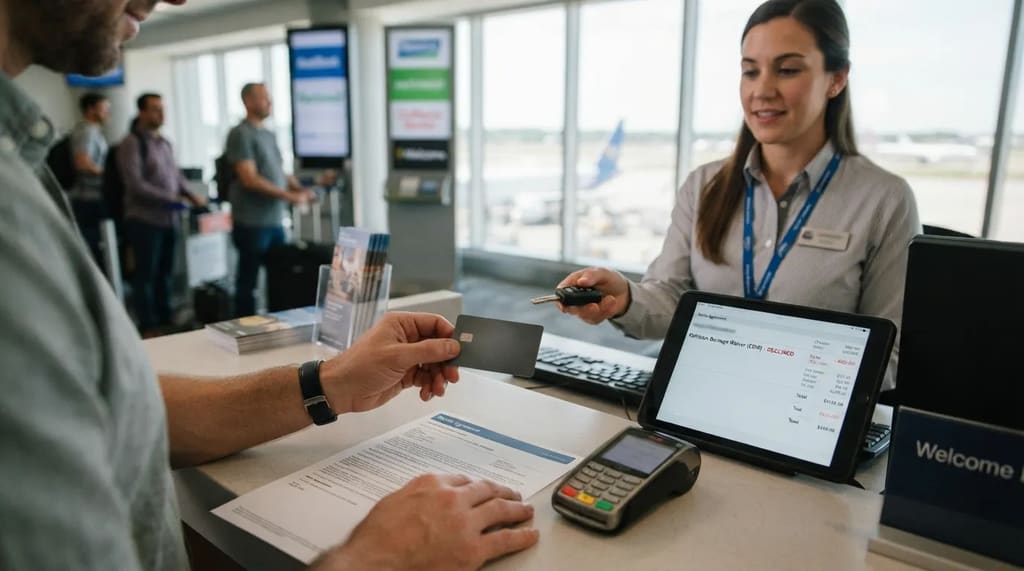
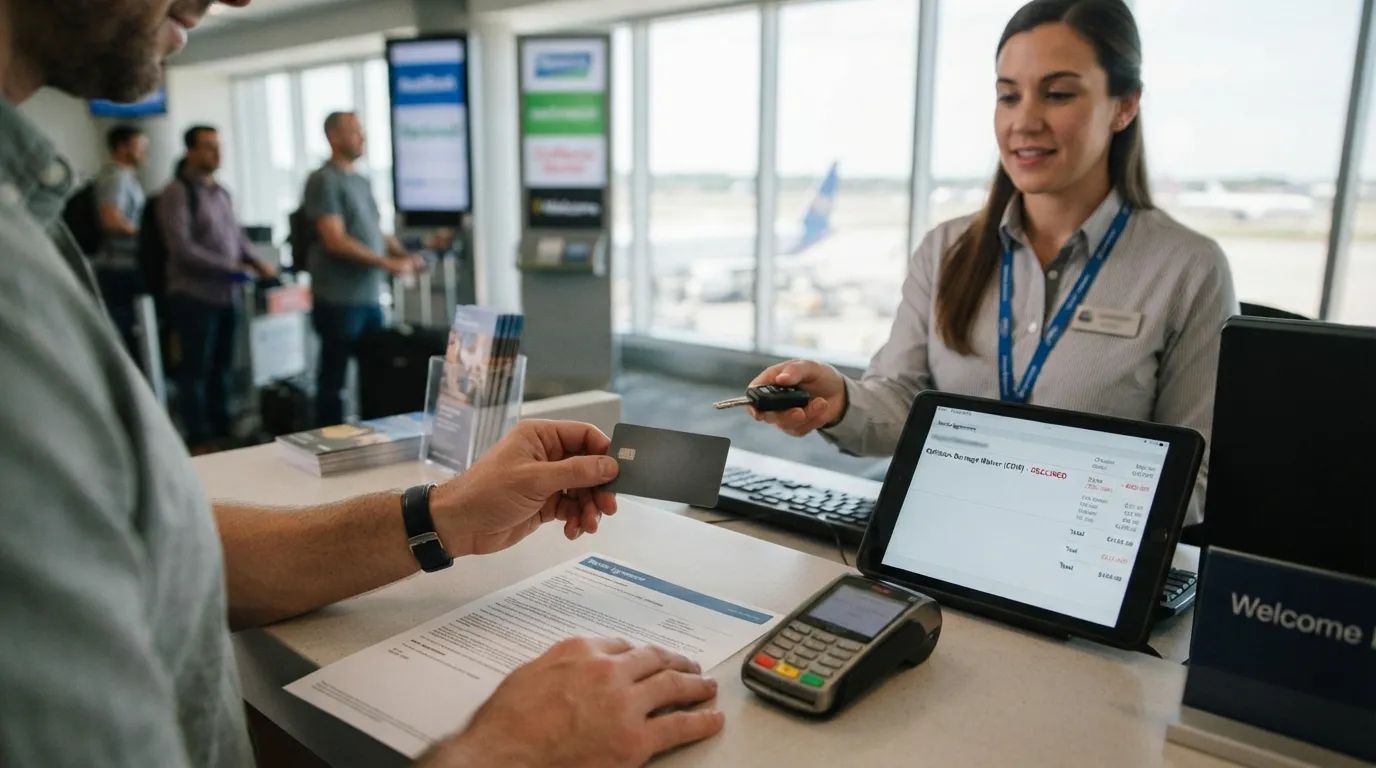
A rental company’s collision damage waiver might run anywhere from $25 to $41 a day or more. Over a seven-day rental, that is roughly $175 to $287. Coverage usually applies when you use your card to pay for the rental and decline the rental company’s collision damage waiver.8
The rental must be purchased entirely with the card. It covers theft, damage, loss-of-use charges, administrative fees and reasonable towing.
What it almost never covers is liability. Whether your card offers primary or secondary coverage, it applies to damage to the rental car but not to damage you might cause to other cars.7 8 It also excludes necessary medical treatment for you, your passengers or pedestrians.
So the benefit that saves the most per day also leaves the biggest unprotected bill. Before you decline the counter waiver, find out whether your own auto policy extends liability to rentals.
Most of these benefits switch on at the moment you pay. That includes the fare, the taxes on a points ticket, the phone bill and the rental.
The best time to read your benefits guide is before you book, while you can still choose which card gets the charge. A reimbursement claim is much easier when the right card was used from the start.
Which card did you use for your last flight or rental car, and do you know whether its guide calls the coverage primary or secondary?
- Forbes Travel Insurance Cards: https://www.forbes.com/advisor/credit-cards/best/travel-insurance-benefits/
- CNBC Credit Card Travel Insurance: https://www.cnbc.com/select/how-does-credit-card-travel-insurance-work/
- AwardWallet Sapphire Reserve Guide: https://awardwallet.com/credit-cards/chase-ultimate-rewards/sapphire-reserve-insurance-benefits/
- 24/7 Wall St Phone Protection: https://247wallst.com/personal-finance/2026/11/15/his-credit-card-may-cover-a-broken-or-stolen-phone-as-long-as-he-pays-his-phone-bill-with-it/
- 10xTravel Cell Phone Protection: https://10xtravel.com/credit-cards-with-cell-phone-insurance/
- Visitors Coverage Card Travel Insurance: https://www.visitorscoverage.com/blog/best-credit-cards-that-offer-travel-insurance/
- Cardocrat Rental Car Coverage: https://cardocrat.com/learn/credit-card-rental-car-insurance/
- State Farm Rental Car Coverage: https://www.statefarm.com/simple-insights/auto-and-vehicles/credit-card-rental-car-insurance-benefits-explained