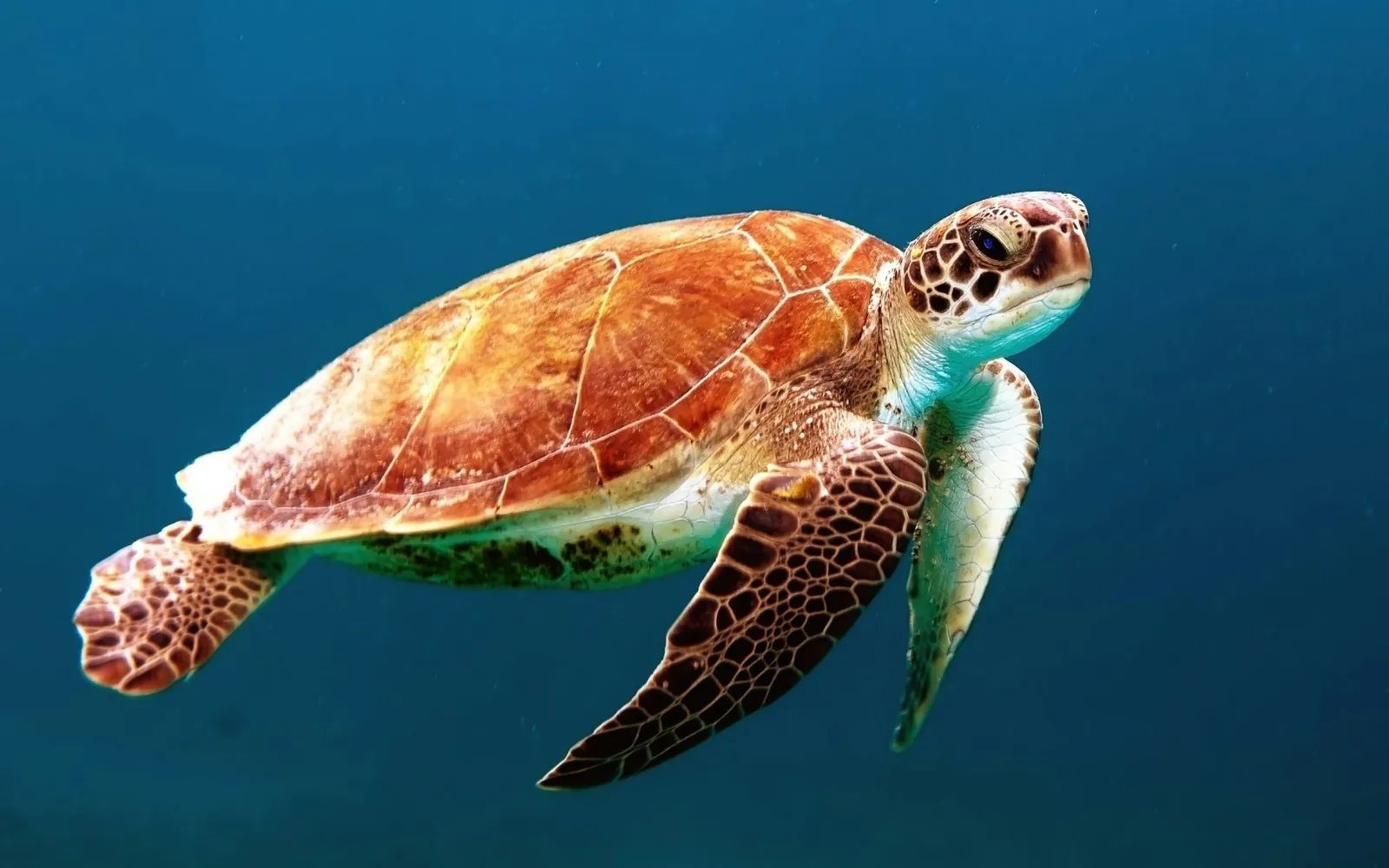
A Blanding’s turtle has been seen passing safely beneath a busy road in southwestern Maine, using a tunnel built this year for the species. The reptile is endangered in the state, and its Maine population is limited to Cumberland and York counties. The first crossing has been captured on video by state transportation officials, offering a rare bit of encouraging news for a turtle that has few places left to roam. ([1])
A shell built for predators, not tires
Blanding’s turtles are semi-aquatic, and they are currently under review for federal listing. Their survival depends on moving between ponds, often over long distances on land. Those journeys bring them directly onto roads, where the risk is high.
Derek Yorks, a biologist with the Maine Department of Inland Fisheries and Wildlife, described the problem in stark terms. He told Environment Maine that the shell which has protected turtles for millions of years is “no match for a car tire.” The turtles also reach reproductive maturity slowly, so the loss of even a few adults can weigh heavily on a local population.
Why one hotspot needed a tunnel
Biologists with the state wildlife agency and the Maine Department of Transportation have spent recent years mapping where turtles die on roads. That work pointed them toward a newly identified crossing in southwestern Maine. Officials reportedly considered it an even worse site for road deaths than an earlier location, and they moved to install a tunnel there during the summer. ([2])
The approach is not new for the state. In 2021, the two departments built a flat-bottomed tunnel with a slotted top at an earlier site, and it has since eliminated Blanding’s turtle deaths there. That result gave planners a reason to keep investing in similar structures.
The first crossing on camera
The Maine Department of Transportation shared footage of an endangered Blanding’s turtle using one of its culverts, a tunnel-like structure set beneath a roadway so water can pass through. The agency said such infrastructure is critical for turtles that need to move safely through their habitat. It also warned that losing even a few long-lived adults can have lasting effects on a population. ([3])
The clip carries weight because it moves the story from design plans to real behavior. A single crossing does not prove the structure will perform over many seasons. Still, it shows the tunnel was used by the species it was built for, which is the first test that matters.
Two tunnels, two tests
Earlier results from the Eliot tunnel on Route 236 help frame what officials are watching for. The table below compares the two structures based on the information available.
| Tunnel | Timing | Reported outcome |
|---|---|---|
| Route 236, Eliot | Built in 2021 | Biologists reported that it is working and has seen a substantial drop in turtle deaths |
| Southwestern Maine hotspot | Installed in summer 2026 | First endangered Blanding’s turtle recorded using it on video |
Biologists presenting on the Eliot site said the structure has been working, and the department has documented many other creatures passing through it. ([4]) That broader use suggests the design suits more than one species, though the Blanding’s turtle remains the focus.
Related Stories From Travelbinger

Why each crossing matters
Blanding’s turtles do not stay in one place. One state biologist has noted that they often travel to as many as six wetlands in a single year, which means they cross roads repeatedly. ([4]) Each safe passage keeps a route open between wetlands that the population depends on.
The next question is whether the new tunnel draws steady use and whether the number of road deaths falls over time. For now, a single turtle moving calmly under a busy highway offers a clear signal. For a species that takes years to mature, every safe crossing counts.