On January 22, 1970, a Pan Am jet left New York for London after a delay of more than six hours. Engine overheating had made the original aircraft unusable, and finding a substitute pushed the flight to the following day.[1] It was the first commercial flight of the Boeing 747, and it marked the start of a very different kind of flying.
More than five decades later, most of us board planes without thinking much about how we got here. Looking back at 1970 shows which parts of flying have improved dramatically and which parts people tend to remember too fondly. It also shows a few things that have barely moved at all.
The Jumbo Jet Changes the Scale
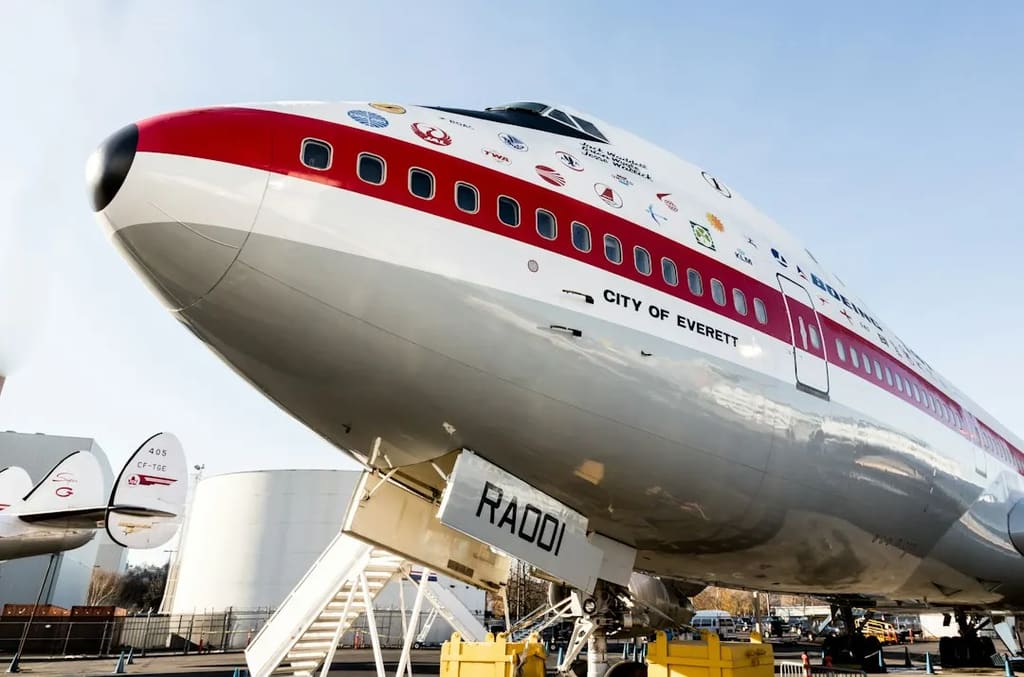
Pan Am’s second 747, renamed Clipper Young America, carried 335 passengers and 20 crew members from JFK to Heathrow on that first commercial flight.[2] The size was the whole point. The aircraft could seat more than 350 passengers, about two and a half times what a Boeing 707 could carry.[3]
More seats per flight meant a lower cost per passenger. That opened routes that had been only marginally profitable and helped bring long haul flying to more people.[3]
The 747 itself has now left the production line. The final one was delivered to Atlas Air in January 2023, after a 54 year production run and 1,574 aircraft built.[4]
How Many People Actually Flew
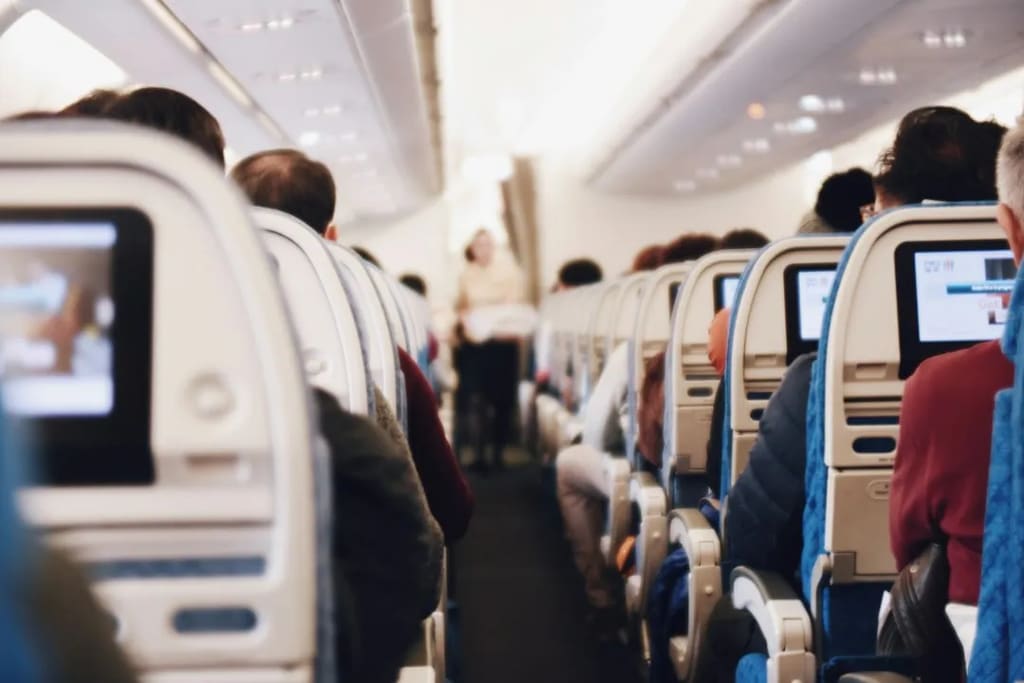
The growth in passenger numbers is hard to picture. Air transport carried about 310 million passengers in 1970.[5] Passenger numbers climbed to almost 5 billion in 2025.[6]
Airlines expect to carry a record 5.2 billion passengers in 2026.[7] That means the world now moves in a single year many times the number of people who flew in 1970.
Planes are also fuller than they used to be. The global passenger load factor is forecast to reach a record high in 2026.[8] If a flight feels packed, the data agrees with you.
What a Ticket Cost, and Who Could Buy One
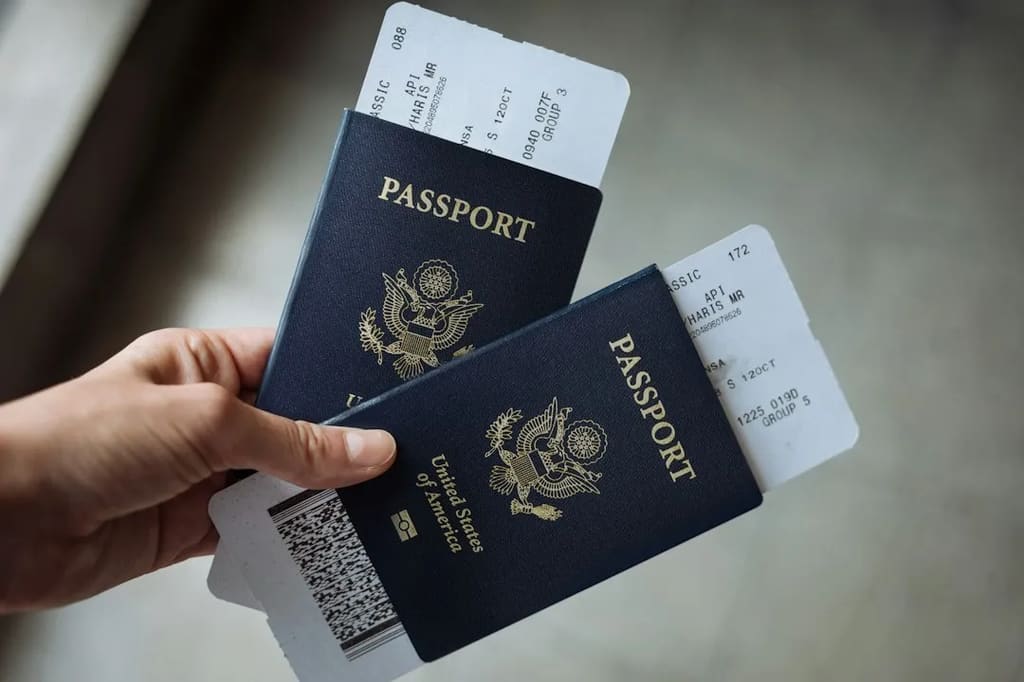
In 1970, flying was something relatively few people did regularly. Only the rich could afford long transatlantic flights back then.[9] Measured in working time, the price of a ticket has fallen sharply since.
One analysis found that the time needed to earn the money for one flight in 1970 would buy 10.8 flights today.[9] The same piece estimated that a JFK to Heathrow fare would be around $5,059 today if there had been no innovation since 1970.[9] That’s an estimate rather than an official statistic, but it shows how large the shift has been.
Policy played a part, at least in the United States. The Airline Deregulation Act of 1978 eliminated restrictions on domestic routes, schedules, and fares.[10] By 2022, inflation adjusted average airfares were reported to be 47 percent lower than in 1978,[11] or nearly half.
The Safety Gap Is Enormous
Here the contrast is least ambiguous. In 1972 alone, 2,373 people were killed in plane crashes.[12] By 2015, the yearly total of airline fatalities had fallen to 186,[13] even though the number of passengers had grown many times over.
One way to frame it: the chance of dying in an air crash declined from 1 in 210,000 in 1970 to 1 in 4.63 million in 2014.[13] A more recent figure puts today’s average at one fatality per 13.7 million passengers.[14] Different sources measure this in different ways, so the exact numbers vary, but they all point in the same direction.
The improvements came from investigation and oversight as much as from better aircraft. The NTSB investigates accidents to find causes and recommend changes, and the FAA imposes strict maintenance schedules and safety audits.[15] Accidents still happen, of course, but they are rarer and tend to be studied closely.
Life Inside the Cabin
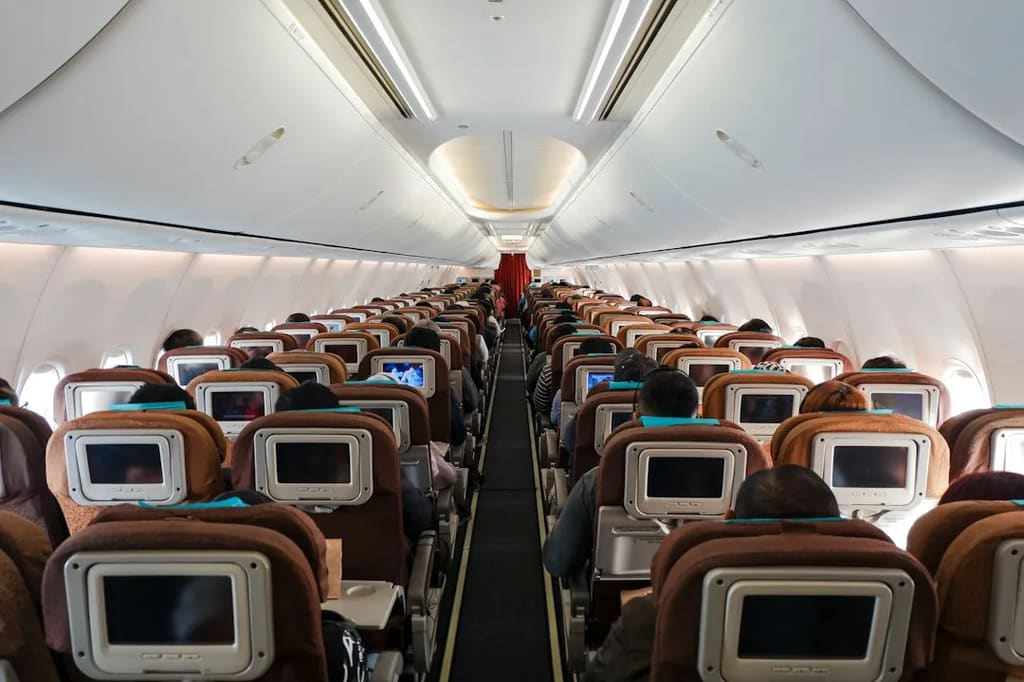
The 1970s cabin has a reputation for glamour, and some of it is deserved. Pan Am’s 362 seat launch layout for the 747 included an upper deck lounge.[16] Flights from that era may well have had roomier cabins and better dining.[9]
Those perks came with a price, though. Passengers paid for them in the cost of their ticket.[12] There were other trade offs, too. Smoking was permitted in designated sections, and some airlines even handed out free cigarettes.[12]
Today the usual complaint is the opposite: most travelers squeeze into tight economy seats and get a small bag of pretzels.[15] It’s less elegant, certainly. Yet the cheaper fares and the smoke free air are both part of the same bargain.
Hijackings, Screening, and the Security Shift
Security in 1970 looked nothing like what we know. Hijackings were fairly common in the 1960s and 1970s,[12] and on September 6, 1970, four separate airplanes were hijacked on the same day.[12]
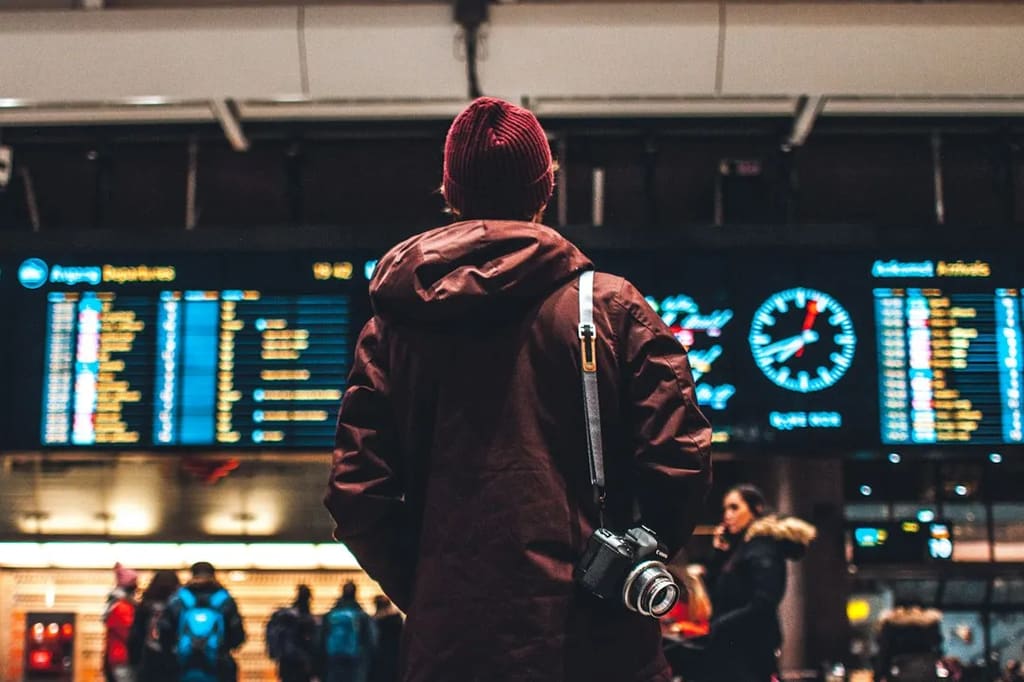
Modern travelers face a different routine. They pass through metal detectors and advanced imaging scanners, sometimes get pat downs, and need identification that meets strict standards such as REAL ID or a passport.[15] The TSA also uses biometric screening and PreCheck programs to speed up trusted travelers.[15]
Few people enjoy the lines. Still, air travel is undoubtedly more secure now than it was 50 years ago.[14]
Booking, Biometrics, and the Phone in Your Pocket
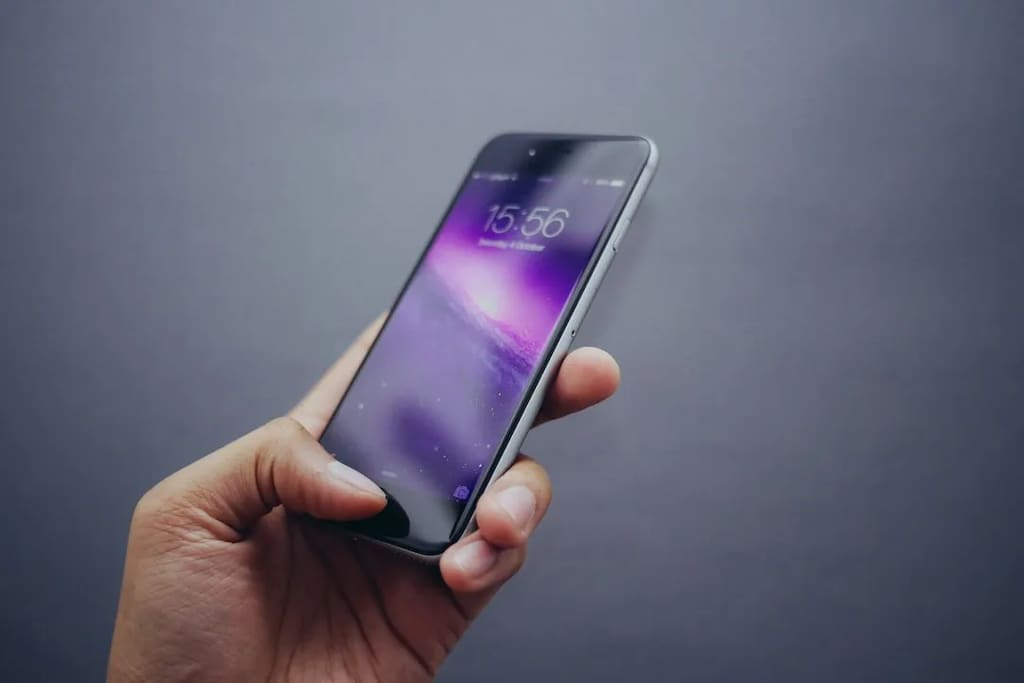
The biggest changes in the passenger experience are not always about the aircraft. They are about the steps around the flight. IATA’s 2025 Global Passenger Survey found that passengers increasingly rely on smartphones, that biometric adoption is accelerating, and that booking and payment are shifting to mobile channels.[6]
Related Stories From Travelbinger

The latest survey, released in October, reports something that might surprise anyone who dreads the airport. 87 percent of respondents were satisfied with their overall air travel experience, the highest level in the dataset.[17] That compares with 75 percent in 2019.[18]
Not every step scores well. Baggage collection and border control had the lowest satisfaction among the 15 steps measured.[18] It’s also worth remembering that this is a survey of stated opinions, and it doesn’t say how long each step takes.
The Thing That Hasn’t Sped Up
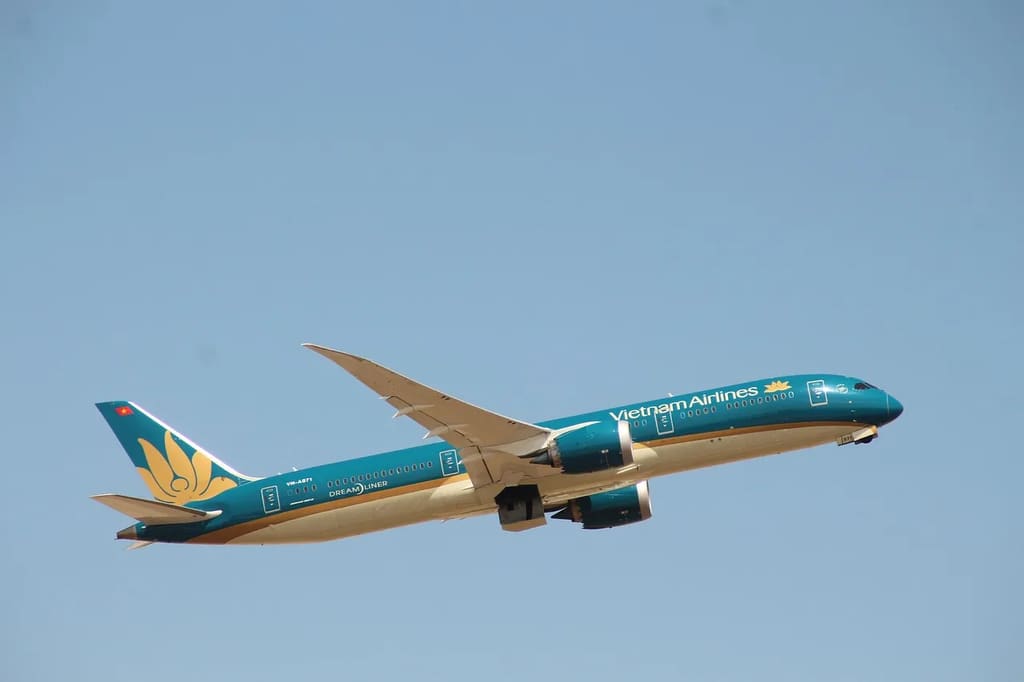
For all the progress, one number has barely changed: how long a long haul flight takes. The 3,442 mile trip from JFK to Heathrow still takes around seven hours.[9] That is close to what Pan Am’s 747 managed in 1970, when the first flight took about six and a half hours.
Supersonic travel was supposed to change that. The Concorde could do the crossing in under three hours, but it is no longer active.[9] Cheaper and safer, it turns out, mattered more than faster.
Final Thoughts
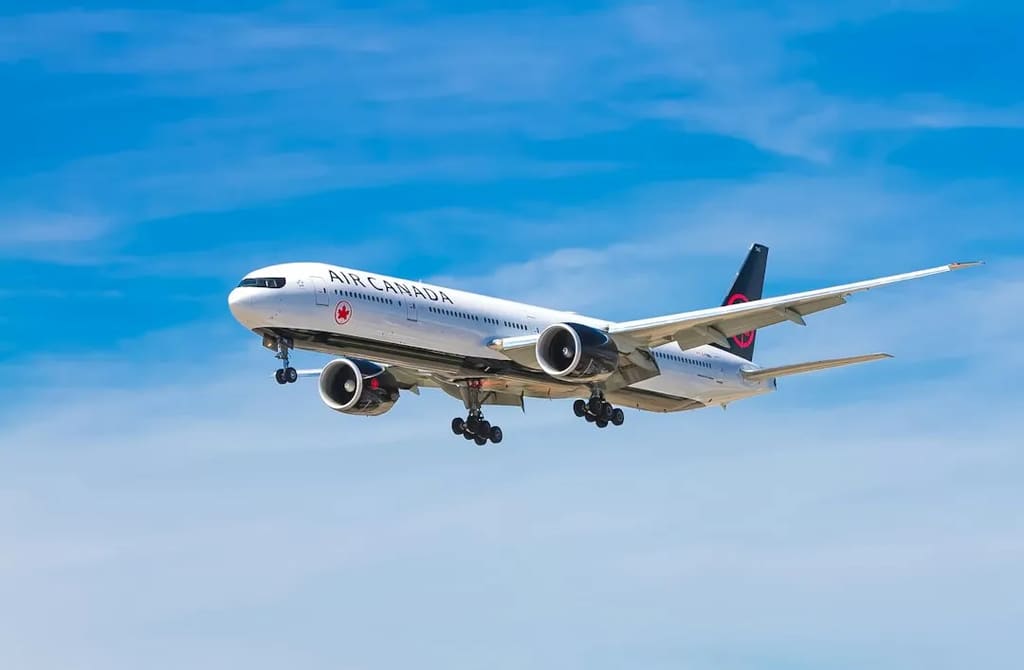
Air travel in 1970 offered more elbow room and a certain style, but it was expensive, riskier, and out of reach for most people. Today’s version is crowded and heavily screened, and it also carries billions of passengers a year at a safety level that would have seemed hard to imagine in the days of the first 747.
Nostalgia for the golden age is understandable. It just tends to leave out the price tag and the odds.