
Holiday travel has a way of testing even well-planned itineraries. Thanksgiving falls on November 26 this year, and some travel rewards credit cards include trip delay protection that can reimburse out-of-pocket costs such as lodging, meals and local transportation when a trip is delayed or canceled for a covered reason ([1]). The benefit is easy to overlook, and the rules behind it are more specific than most cardholders expect.
Why the holiday timing raises the stakes
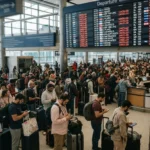
The coverage is getting fresh attention because of recent disruptions. A nationwide ground stop over the weekend caused a wave of cancellations and delays, and the resulting chaos left hundreds of thousands of fliers stuck at airports across the country ([2]). The air travel system has largely recovered since then, and federal officials have said the holiday should not be affected.
Still, the forecast points to a busy week. AAA expects roughly 6 million Americans to fly over the Thanksgiving holiday, with the heaviest travel day falling on the Sunday after. An AAA spokesperson said most people will keep their original plans and change them only if a significant delay or cancellation forces the issue ([3]). For travelers who do get caught in a delay, the question quickly becomes who pays for the extra night and the meals.
What the benefit covers, and what it does not
Trip delay protection reimburses reasonable out-of-pocket costs once a delay crosses a set threshold. Travelers pay upfront, then file a claim to recover the expenses. The benefit is secondary, which means it applies only after any other compensation has been received. If an airline provides meal vouchers, those meals cannot be claimed again. Expenses the airline does not cover, such as a hotel booked on your own, can still be submitted.
A canceled flight does not automatically qualify. The cancellation must leave the traveler stranded long enough to meet the policy’s time requirement, stem from a covered reason and involve a ticket bought under the card’s payment rules. Traffic or a late arrival at the airport will not turn a missed flight into a covered delay. Known disruptions may also be excluded, so booking into a storm that has already begun is unlikely to qualify.
Timing thresholds and coverage limits differ by card
The minimum delay before coverage starts varies. Some policies begin at six hours, while others require twelve hours unless the delay forces an overnight stay. Caps differ as well, and the headline figure can be misleading. The following examples come from the card comparison in the original guide:
| Card | Delay required | Coverage cap |
|---|---|---|
| Atmos Rewards Summit | 6 hours or overnight | $500 per purchased ticket, one claim per covered trip |
| Chase Sapphire Preferred | 12 hours or overnight | $500 per covered traveler, per trip |
| Citi Strata Premier | 6 hours | $500 per covered trip, two claims per 12 months |
| Marriott Bonvoy Bold | 12 hours or overnight | $500 per covered traveler, per trip |
The cap structure matters most for families. Under a per traveler policy, a family of four that spends $800 on two hotel rooms, meals and transportation could be reimbursed for the full amount, provided everyone qualifies and the expenses are eligible. A per trip cap of $500 would limit the payout to $500 no matter how many people were traveling.
Payment rules and claim deadlines
How the trip was paid for can decide whether the benefit applies at all. Some issuers require the original ticket to be bought with the eligible card. Others accept award travel if the taxes and fees were paid with the card. American Express cards generally require the full trip cost to be charged to the card or paid with points from the program, and round-trip travel must be purchased on the card. Two separate one-way tickets can still count if both were bought with the same card.
Claims also carry deadlines and paperwork. Many issuers require a claim to be opened within 30 to 60 days of the event, and opening it early is advisable even before every receipt is available. Documentation typically includes itineraries, boarding passes and proof of payment, a statement from the airline explaining the delay, itemized receipts and the completed claim form. Travelers should also screenshot delay notices and rebooking options from an airline app before they disappear. Payouts can take weeks, so other card perks, such as lounge access, may help in the meantime.
Related Stories From Travelbinger

What matters now: Check your card’s guide to benefits before you book, confirm the delay threshold and the payment rules, and keep every receipt. Coverage that looks generous on paper can fall short if the trip was booked in a way the policy does not recognize.
For travelers heading out this week, the benefit is best treated as a safety net rather than a plan. It rarely replaces the need to rebook quickly or check airline options, but it can soften the cost of an unexpected night away from home. Reviewing the rules now, before the holiday rush, is the most practical step a cardholder can take.