
There’s a certain kind of traveler who still packs like it’s 1998, and you can usually spot them before they even open their bag. They’re the ones fumbling with a paper map at the airport while everyone else stares at their phone screen, or the ones who show up with a suitcase that looks like it survived three decades of layovers. Old-school travel isn’t about being behind the times. It’s a set of habits built on things that simply work, tested trip after trip, long before smartphones tried to replace them.
1. A physical paper map or guidebook

Old-school travelers rarely trust their phone alone to get them around a new city. Instead, they’ll have a dog-eared guidebook or a folded paper map tucked into a side pocket, often one that’s been annotated with notes from previous trips. Publishers like Lonely Planet and Rick Steves have kept printing physical guides well into 2026 precisely because a loyal base of travelers still buys them, even as digital options dominate the market.
The appeal isn’t nostalgia alone. A paper map doesn’t die when the battery does, and it doesn’t need a data plan to work in a country where roaming fees can quietly wreck a budget. There’s also something practical about being able to see an entire city grid at once rather than scrolling and pinching on a small screen.
2. A film camera or a compact point-and-shoot

Digital cameras and phones have largely taken over photography, yet film cameras have seen a real resurgence among travelers who want a slower, more deliberate way of capturing memories. Brands like Kodak and Fujifilm have reported renewed demand for film stock in recent years, driven partly by younger travelers rediscovering analog formats their parents once used. An old-school packer will often have a compact 35mm camera wrapped in a sock for protection, sitting right next to a couple of unexposed film rolls.
There’s a practical logic behind it too. Film cameras don’t need charging, they don’t crash, and they force a traveler to be more selective about what’s worth photographing. That limitation, oddly enough, is part of the appeal for people who’ve grown tired of taking five hundred nearly identical photos on their phone.
3. A actual paper journal and pen

Ask an old-school traveler how they remember details from a trip, and many will point to a notebook rather than an app. Physical travel journals remain popular enough that companies like Moleskine and Field Notes continue to sell dedicated travel editions, often with maps, currency conversion charts, or blank pages built into the design. Writing by hand slows a person down in a way that typing on a phone doesn’t, and that pause often means richer, more detailed entries.
These journals also serve as a backup memory bank when phones get lost, stolen, or simply run out of storage. A handwritten note about a restaurant recommendation from a stranger in Lisbon doesn’t disappear if a cloud sync fails. It’s a low-tech solution to a very modern problem.
4. Printed photographs or a small photo album

Even in 2026, some travelers still pack a handful of printed photos, whether it’s a picture of family back home or shots from a previous trip to compare with the current one. It’s a small detail, but it’s consistent across generations of old-school packers who never fully trusted digital storage to keep memories safe. A corrupted hard drive or a lost phone can wipe out thousands of digital photos in an instant, while a printed photo tucked in a wallet survives almost anything short of fire or flood.
This habit also ties into a broader skepticism about relying entirely on cloud backups, especially when traveling through regions with unreliable internet access. Printed photos don’t need Wi-Fi, a password, or a functioning app to be seen. They’re simply there, ready whenever needed.
5. A universal travel adapter with actual heft to it

Old-school travelers tend to favor the older, heavier universal adapters over the sleek, minimalist versions sold today. These bulkier adapters often support a wider range of plug types and voltage configurations, which matters when hopping between countries with different electrical standards. The International Electrotechnical Commission recognizes over a dozen distinct plug types used around the world, and a reliable universal adapter needs to handle several of them without failing.
There’s also a trust factor at play. A well-worn adapter that’s survived hotel rooms across three continents earns a kind of loyalty that a newer, flashier model hasn’t yet proven itself worthy of. Old-school packers would rather carry the extra weight than risk a dead phone in an unfamiliar country.
6. Physical currency in more than one denomination

While contactless payments and travel cards have become the norm, old-school travelers still carry a stash of physical cash, often in more than one currency. This habit comes from experience, since card readers fail, ATMs run out of bills, and some smaller towns or markets simply don’t accept digital payments at all. Countries across parts of Southeast Asia, Eastern Europe, and rural regions worldwide still rely heavily on cash transactions as of 2026.
Carrying a mix of local currency and a backup like euros or US dollars gives a traveler flexibility when things don’t go as planned. It’s a habit built on having been stranded once too often with a card that wouldn’t work and no alternative in hand.
7. A first-aid kit stocked well beyond the basics

Old-school travelers tend to pack first-aid supplies that go far beyond a couple of adhesive bandages. Expect to find antihistamines, motion sickness tablets, rehydration salts, and sometimes even a small suture kit for more remote destinations. This habit often comes from experience in places where pharmacies are scarce or where language barriers make explaining a medical need difficult.
The Centers for Disease Control and Prevention continues to recommend travelers carry basic medical supplies suited to their destination, particularly when heading to regions with limited healthcare infrastructure. Old-school packers tend to take that advice seriously, treating a stocked first-aid kit as non-negotiable rather than optional.
8. A sturdy, non-electronic alarm clock or wind-up watch

Relying on a phone alarm feels risky to travelers who’ve been burned before by a dead battery or an accidental “do not disturb” setting on a big travel day. Old-school packers often carry a small mechanical travel alarm clock or wear a wind-up watch that needs no charging at all. These devices have been a staple of travel gear for decades, and companies like Seiko and Casio still manufacture analog travel clocks specifically because demand hasn’t disappeared.
There’s a reliability factor that digital alternatives haven’t fully replicated. A wind-up watch doesn’t need syncing, doesn’t need Wi-Fi, and doesn’t reset itself when crossing time zones the way some phones occasionally do. For catching an early flight, that dependability is worth the extra ounce of luggage weight.
9. Printed copies of important documents
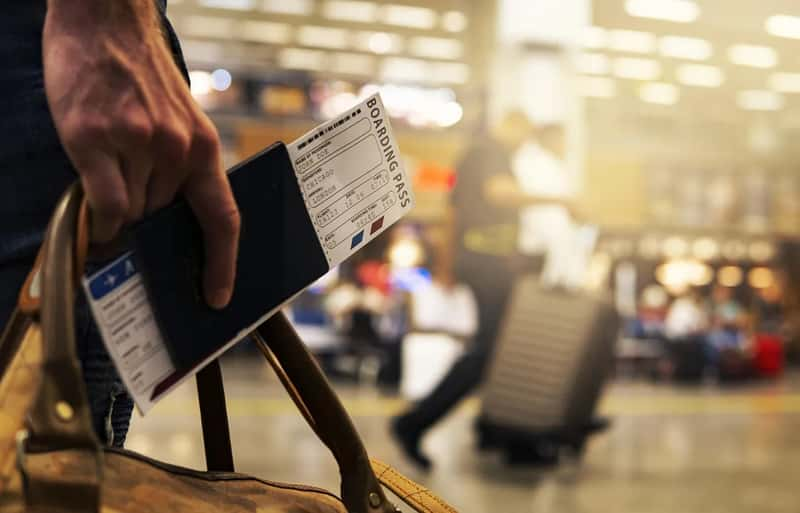
Digital boarding passes and scanned passports are convenient, but old-school travelers rarely leave home without printed backups of essential documents. That usually includes a paper copy of flight itineraries, hotel bookings, travel insurance details, and sometimes even a photocopy of their passport stored separately from the original. The U.S. State Department has long advised travelers to keep physical copies of key documents separate from the originals in case of loss or theft.
This habit becomes especially valuable in situations where phones die, get stolen, or simply can’t access a signal at a critical moment. Airport staff and border agents don’t always accommodate a dead phone screen gracefully, but a printed document solves the problem instantly. It’s a small redundancy that has saved countless old-school travelers from missed connections and lengthy explanations.
10. A reliable, well-worn packing cube or garment bag system
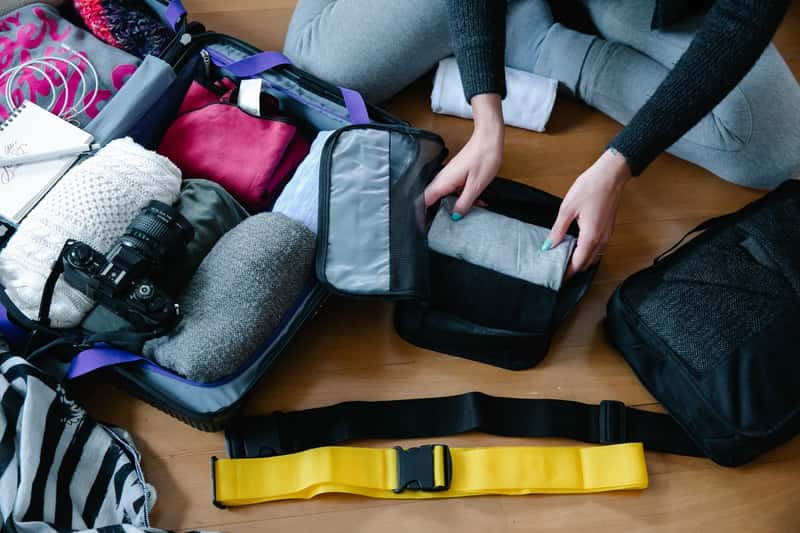
Rather than chasing the newest ultralight packing gadget, old-school travelers tend to stick with a packing system they’ve refined over years, often using the same set of packing cubes or a garment bag that’s been patched more than once. Brands like Eagle Creek have built loyal followings among travelers who value proven durability over trendy minimalism. The logic is simple: if a system has worked smoothly across dozens of trips, there’s little incentive to switch it out for something new and unproven.
This preference also reflects a broader old-school mindset that favors function over flash. A slightly heavier, more durable bag that’s survived years of baggage handlers tends to inspire more confidence than the latest lightweight release still working out its design flaws. For these travelers, familiarity and reliability outweigh the appeal of shaving off a few extra ounces.
There’s a quiet confidence in the way old-school travelers pack, built less on trends and more on lessons learned the hard way. Every item in that suitcase, from the paper map to the wind-up watch, tells a story of a trip where technology alone wasn’t enough. It’s less about resisting progress and more about knowing exactly which tools have consistently proven themselves under pressure.