National parks post their rules in bold letters at every entrance, on every boardwalk, and usually right there in the visitor center pamphlet nobody reads. Somehow, the message still doesn’t land for everyone. Rangers across the country keep dealing with the same handful of violations year after year, and the consequences range from a few hundred dollars in fines to genuinely life-threatening injuries.
What follows isn’t a list of obscure technicalities. These are well-publicized, clearly posted rules that people break anyway, often while filming themselves doing it. Here’s a closer look at ten of the most common ones, along with why they matter more than most visitors assume.
1. Getting too close to bison for a photo
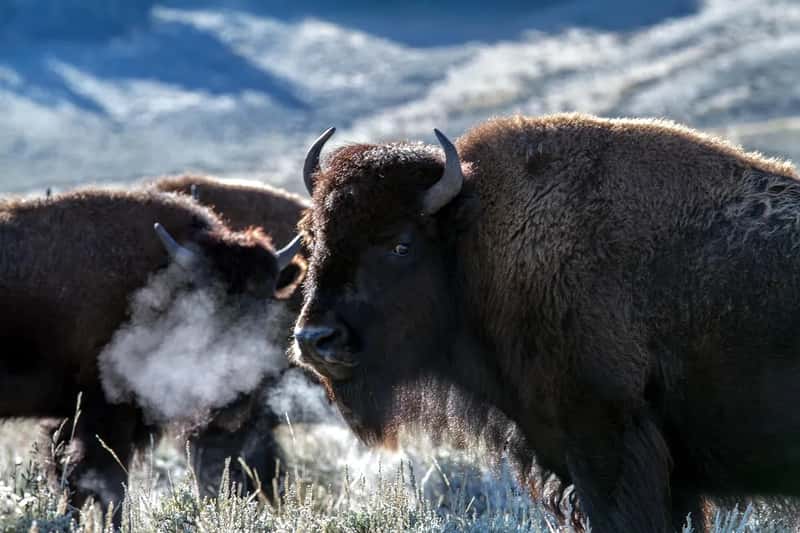
Yellowstone tells visitors to stay at least 25 yards from large animals like bison, elk, and moose, yet the park still logs bison-related injuries almost every year. This is the first reported bison goring of 2025, but every year, a handful of tourists meet a similar fate, with two reported gorings in 2024 and one in 2023.[1] The pattern rarely changes: someone edges closer for a better shot, the animal reacts, and the visitor ends up needing emergency care.
The math on bison is not in anyone’s favor. Bison have injured more people in Yellowstone than any other animal, including grizzly bears, and the animal is the largest land-dwelling mammal in North America.[1] A 2025 incident followed the same script other close calls have, when two people trying to capture the brawl between the animals got too close as spectators are heard in the video imploring them to move back.[2]
2. Feeding bears and other wildlife
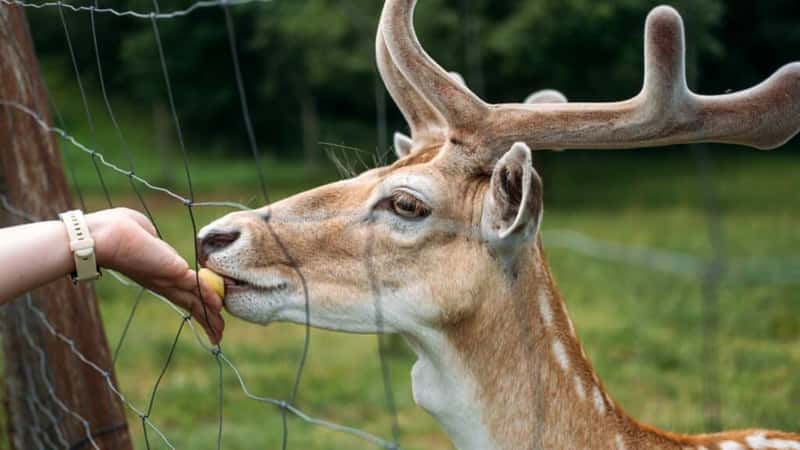
Feeding wildlife feels harmless to a lot of visitors, almost like tossing bread to ducks at a city park. It isn’t, and the law treats it accordingly. Feeding wildlife in the park is a federal offense and can result in fines of up to $5,000 or imprisonment for up to six months.[3]
Great Smoky Mountains rangers dealt with a spike in this behavior recently, noting that in just the past week, the park received reports of three separate incidents in which visitors intentionally fed bears, including one at Maloney Point where a visitor was observed feeding a mother bear and her two cubs, resulting in a citation.[3] The damage goes beyond a fine. This can result in the bear seeking out people and exhibiting more aggressive behavior while losing its natural fear of humans, putting both park visitors and bears at risk.[4]
3. Flying drones over protected landscapes
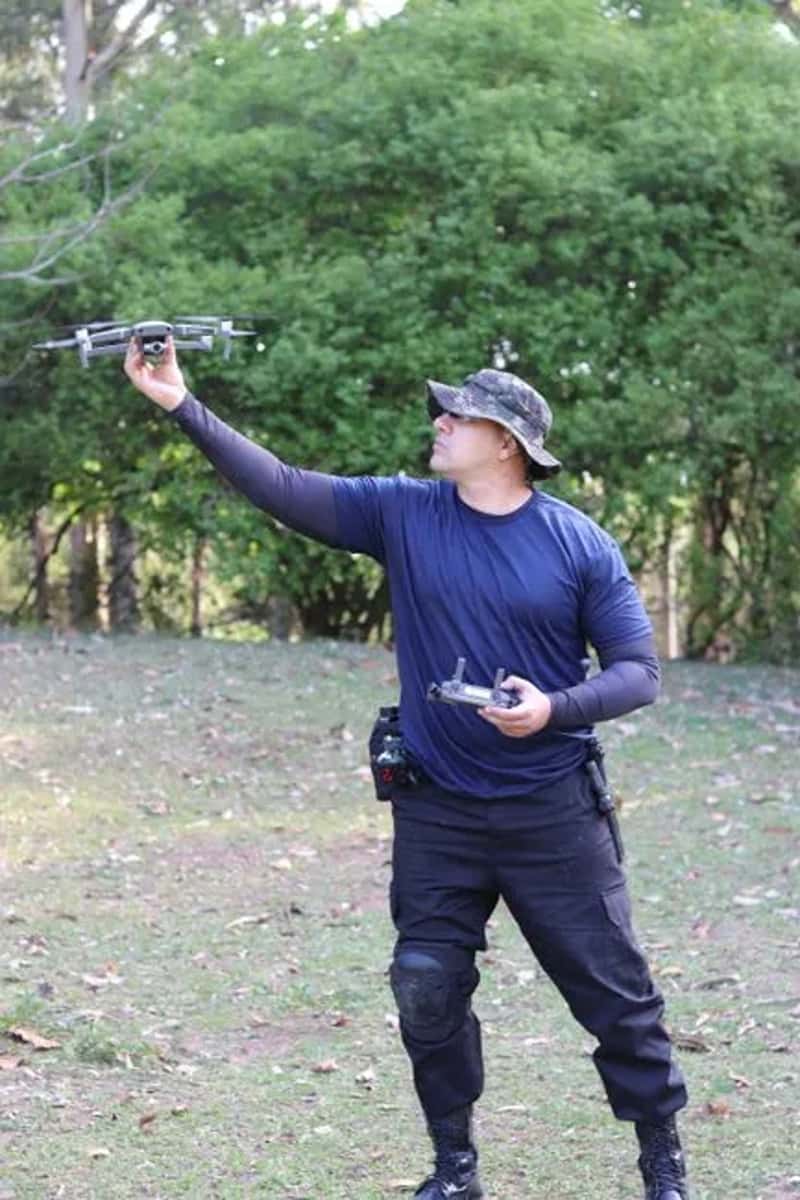
The drone ban isn’t new, but people keep testing it anyway. Since June 2014, the National Park Service has banned drones in all national parks, citing visitor safety, noise disruption, and wildlife protection, a rule that falls under federal law 36 CFR § 1.5.[5] Despite that, footage of drones buzzing over sensitive areas like Yellowstone’s Grand Prismatic Spring keeps surfacing on social media.
Penalties are steep enough that ignorance rarely helps. A violation can lead to a max penalty of six months in jail or a $5,000 fine.[6] Some visitors have even faced multi-year bans after drones disturbed nesting birds, since a Yellowstone National Park visitor faces a three-year ban for his reckless behaviour.[7]
4. Wandering off boardwalks in geothermal areas
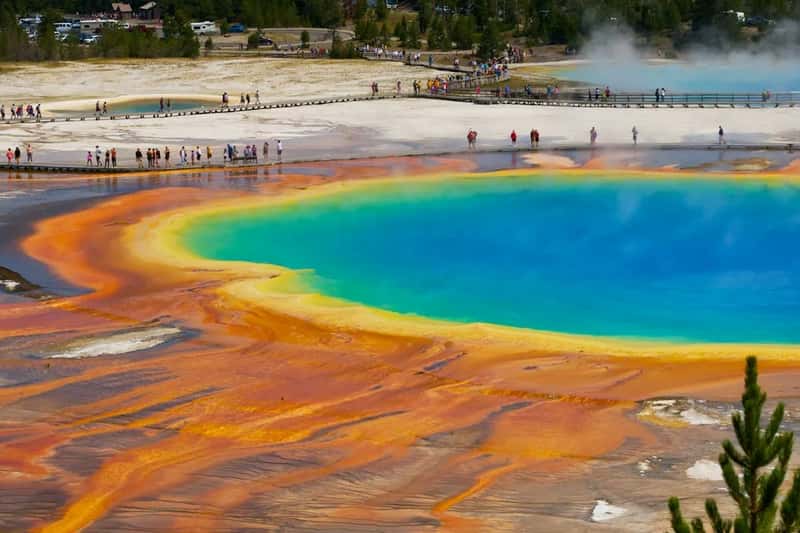
The boardwalks at places like Yellowstone aren’t there to guide foot traffic for aesthetic reasons. They exist because the ground beneath them can be thin, unstable, and scalding hot. Park officials stated that hot springs are a leading natural cause of injury or death in Yellowstone, with at least 22 recorded fatalities between 1890 and 2016.[8]
Even with that history, people still step off the path for a better angle. One widely shared 2026 video showed visitors walking near Grand Prismatic Spring, where the water is over 121 feet deep and can reach 192 degrees Fahrenheit.[9] A bystander who witnessed the incident described the moment plainly, saying it left her emotional, adding “It made me so furious that I literally had tears in my eyes!”[9]
5. Carving names or spray-painting rock formations
Graffiti in a national park doesn’t wash off with a garden hose. It’s often permanent, and repairing it is neither cheap nor quick. Graffiti is vandalism, and is extremely difficult to remove, and repair of vandalized sites, if possible, is costly and time consuming, and often cannot restore the site to its former condition.[10]
Recent cases show just how routine this has become. Four visitors were fined and banned from Pictured Rocks National Lakeshore after carving names into cliffs and stealing rocks, part of a string of damage seen across NPS sites.[11] The legal exposure is real too, since vandals who commit illegal acts in U.S. national parks may be guilty of a class B misdemeanor, punishable with fines of up to $5,000, as well as up to six months in jail.[12]
6. Pocketing petrified wood, rocks, or artifacts
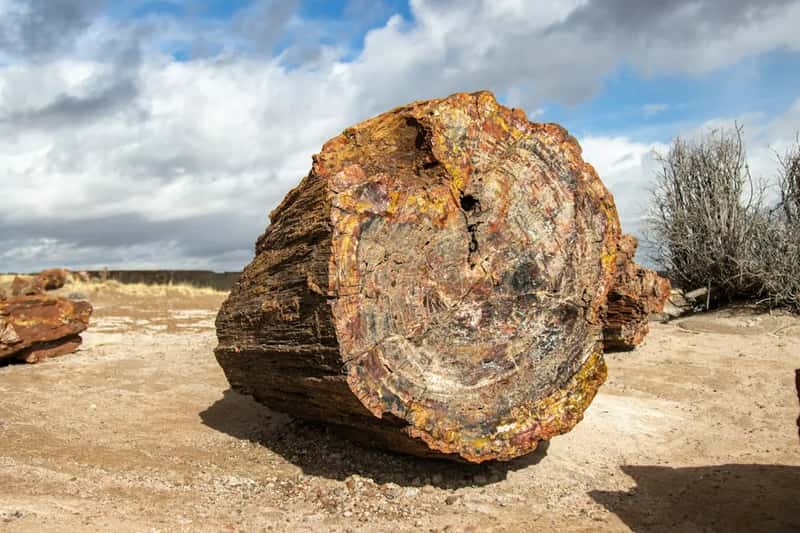
Petrified Forest National Park in Arizona has spent decades fighting a strange but persistent problem: visitors pocketing pieces of the very rock formations the park was created to protect. Theft of petrified wood remains a problem in the 21st century.[13] Some pieces even come back, mailed anonymously by visitors who claim bad luck followed them home.
The issue extends well beyond one park. Looting, vandalism, and unintentional disturbance of archeological sites is a major problem in national parks and on federal lands, since archeological resources including sites and artifacts are unique and irreplaceable, and digging into sites on public lands and removing artifacts is theft of the nation’s archeological heritage.[14] At Death Valley, that has meant attempts to physically remove ancient rock art, since looters attempted to etch around this pictograph of bighorn sheep to lift it from the rock face.[14]
7. Letting dogs off-leash or bringing them onto trails
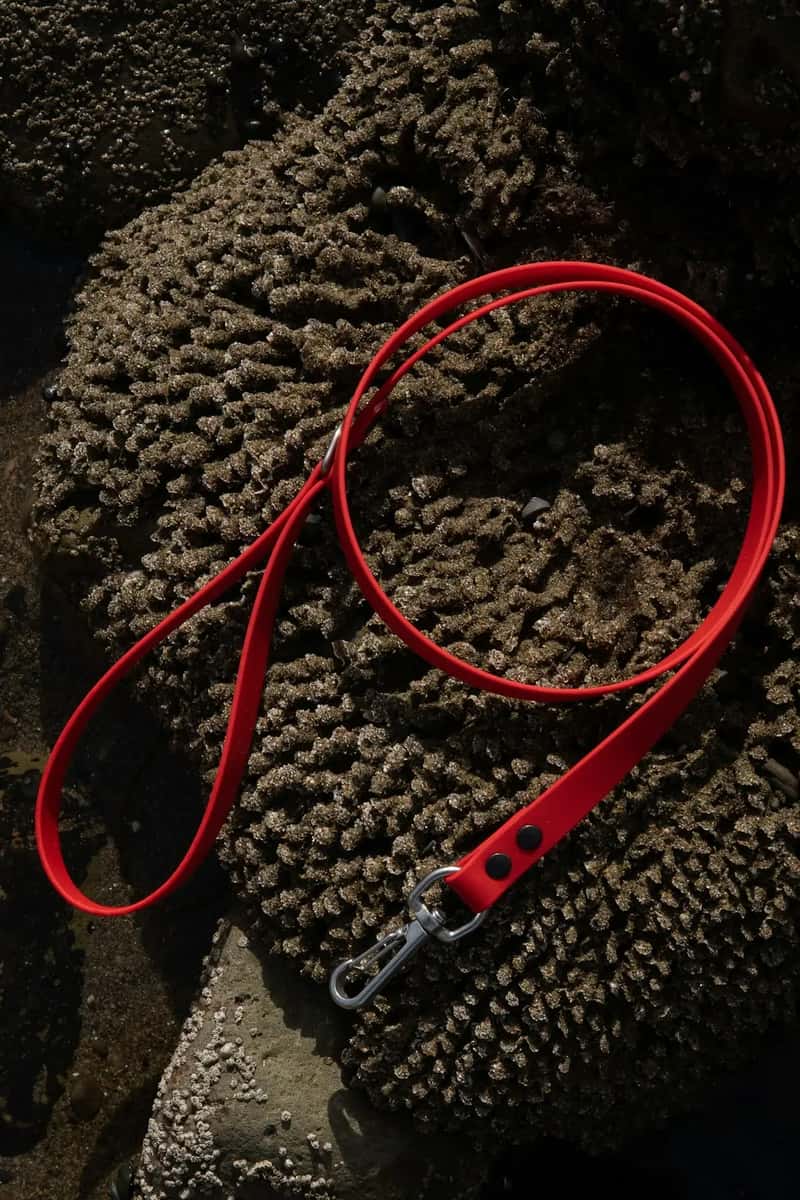
Pet rules in national parks are stricter than most people expect, and they’re rarely optional. According to the Code of Federal Regulations, pets need to be leashed at all times, with a leash that is six feet or shorter, otherwise they need to be crated.[15] That applies pretty much everywhere inside park boundaries.
It isn’t only about leash length either. The noise your pet makes matters too, since it’s a violation to allow your pet to make “unreasonable” noise, especially if it disturbs wildlife or other visitors.[15] A barking dog off-leash near elk or bison can trigger the same defensive reactions that injure people who approach wildlife directly.
8. Cutting switchbacks and blazing shortcut trails
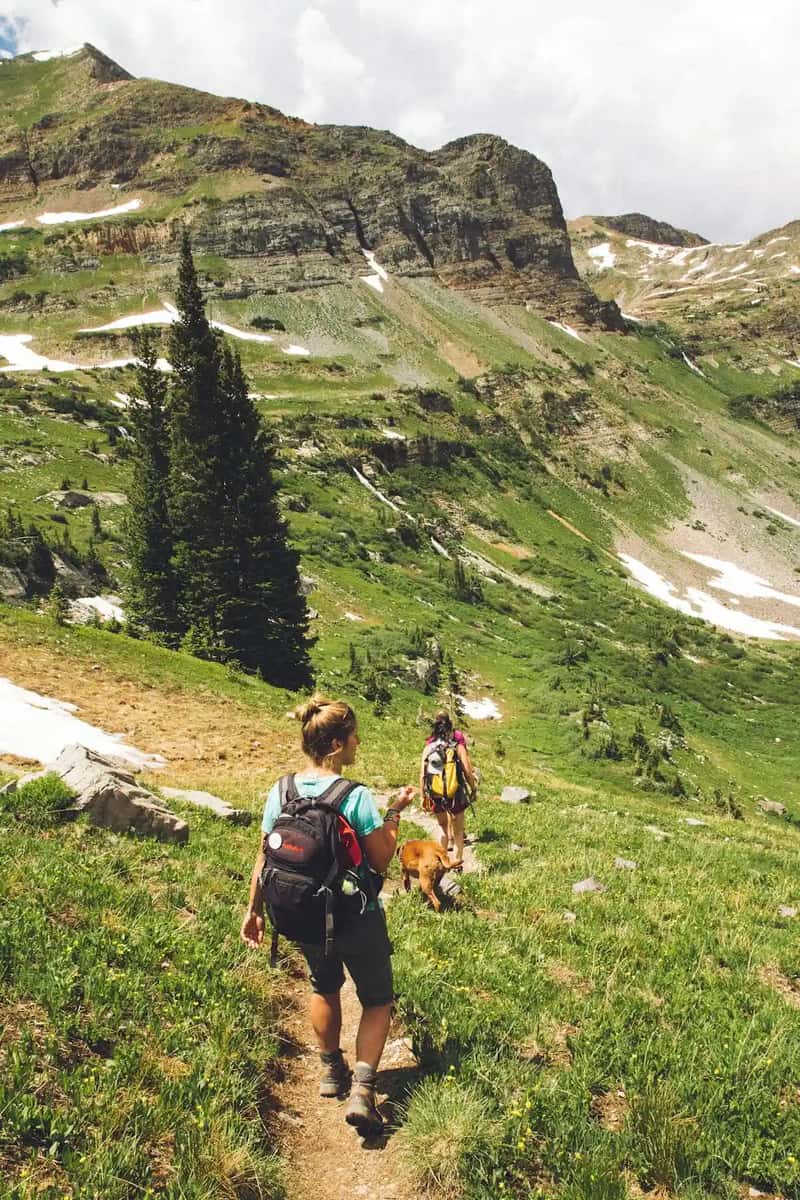
Switchbacks look inefficient on foot, which is exactly why some hikers try to cut straight down the slope instead. Sequoia and Kings Canyon National Parks specifically call this out as a known problem, since other parks, like the Sequoia & Kings Canyon National Parks, present more obscure regulations, like the no shortcuts rule.[16]
The rule exists because shortcutting accelerates erosion and destroys vegetation that took years to establish along a trail’s edge. It’s a quieter violation than feeding a bear or flying a drone, but the cumulative environmental damage across millions of annual visitors adds up fast, particularly on popular, heavily trafficked routes.
9. Camping or sleeping outside designated sites
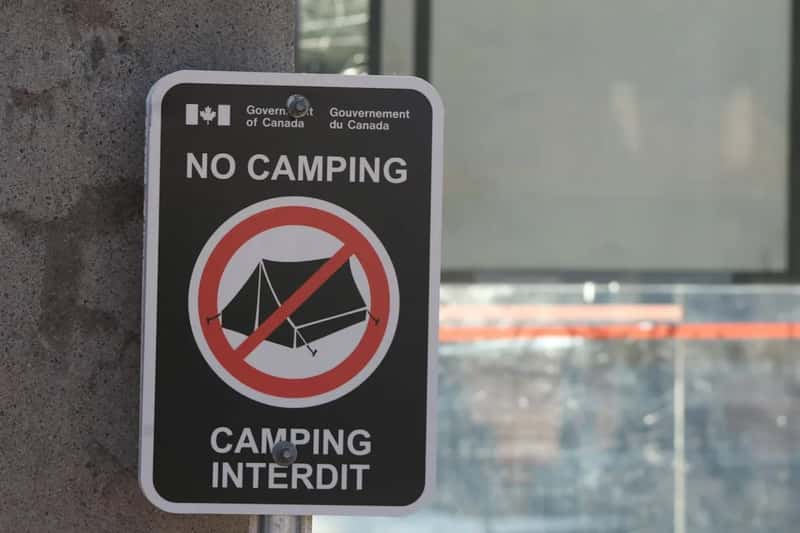
Pulling off to sleep in a scenic pullout might feel harmless after a long drive, but most parks treat unauthorized camping as a straightforward violation. Some of these rules dictate how long you can stay at a park’s campsite while some parks require reservations to manage crowds.[16] Ignoring those reservation systems or camping outside marked zones puts pressure on fragile ground that wasn’t designed to handle repeated foot traffic or fire rings.
Rangers also point to a broader pattern behind this kind of rule-breaking. These wild spaces are an escape for many, often coming with a sense of freedom, a sense that visitors are far from everyday rules and regulations of daily society, but despite that feeling, the laws still apply, and in certain situations they apply more strictly within the park than out.[15] That’s a fairly direct explanation for why so many camping violations happen in the first place.
10. Ignoring closures, barriers, and restricted zones
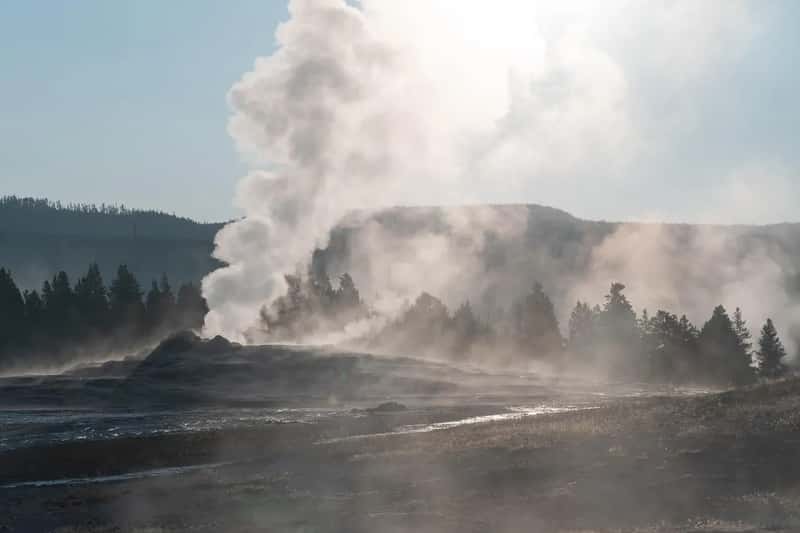
Closures aren’t suggestions, even when a trail looks perfectly walkable beyond the barrier. During the 2025 government shutdown, reduced ranger presence led to a noticeable spike in this kind of rule-breaking, including base jumpers spotted jumping off of El Capitan[12] at Yosemite while enforcement staff were stretched thin.
The legal framework behind closures is broad enough to cover almost any unauthorized entry into a restricted area, including cultural sites, wildlife corridors, and unstable geological zones. Any violation of federal laws or park regulations often involves actions that harm the park’s environment, wildlife, cultural resources, or endanger other visitors.[16] A closed sign at a national park carries the same legal weight whether a ranger happens to be standing nearby or not.
Every one of these rules traces back to a specific incident, injury, or piece of irreplaceable damage that prompted park officials to write it down. None of them exist to inconvenience visitors for the sake of it. The parks that draw millions of people every year only stay intact because most visitors follow the rules most of the time, and the ones who don’t tend to end up in a news story, a citation report, or occasionally an ambulance.