Postcards from the golden age of travel still show the same scenes: neon along a boardwalk, a grand hotel lobby, a beach full of people who looked like they’d never worried about money. Many of those places are still on the map. Their fortunes, though, have taken very different turns.
Some were knocked down by storms, some by changing tastes, and some by plain economics. A few are climbing back, and one or two are still searching for their next act. Here are six resorts that once set the standard, and what the latest figures say about them now.
Acapulco, Mexico: Glamour, Violence and a Category 5 Storm
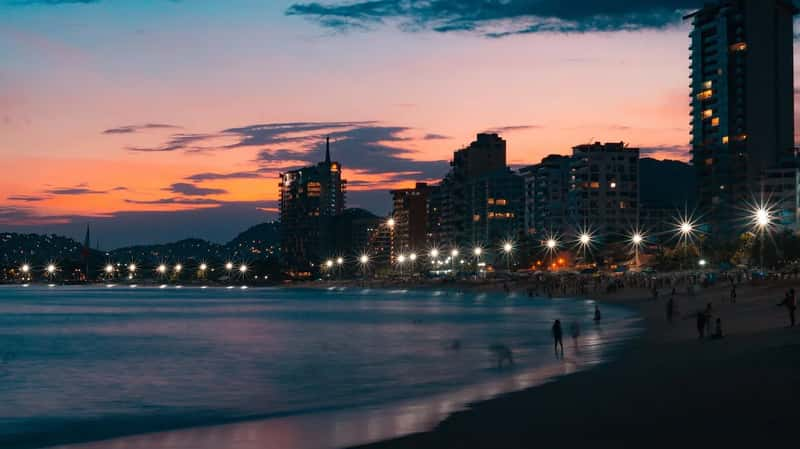
Acapulco was long a symbol of Mexican glamour. Crime and violence, plus a string of devastating hurricanes, left the resort with fewer visitors over the years.[1] Then came Otis. The storm hit Guerrero state right before high season and damaged about 80% of Acapulco’s hotels.[2]
The rebuilding has been faster than many people expected. By July 2026, Acapulco had 17,555 operational hotel rooms across 313 hotels, close to 90% of its pre-Otis capacity, according to Guerrero officials.[3] Between January and June 2026, FONATUR counted more than 3.5 million hotel tourists, which was about a quarter higher than the same months in 2025.[3] Hotel occupancy still sat at 49.6%, though that was three percentage points above the previous year.[3]
Miami Beach, Florida: The Art Deco Playground That Nearly Disappeared
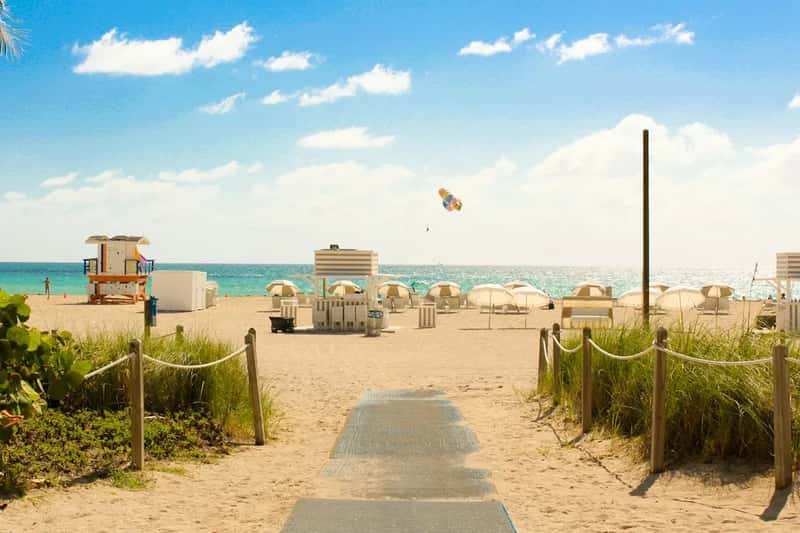
Miami Beach was once the winter address for sun seekers who wanted pastel hotels and a little Hollywood sparkle. By the 1970s the shine had worn off. Many of the pastel Art Deco buildings along Ocean Drive were tired, cheap to rent and, in the eyes of developers, ripe for demolition.
Preservationists, led by the Miami Design Preservation League founded in 1976, argued those buildings were worth saving. The Art Deco district earned a place on the National Register of Historic Places in 1979. By the mid 1980s, television had turned the neighborhood into a style icon again, which helped pull investment back in.
The Catskills, New York: When the Borscht Belt Ran Out of Guests
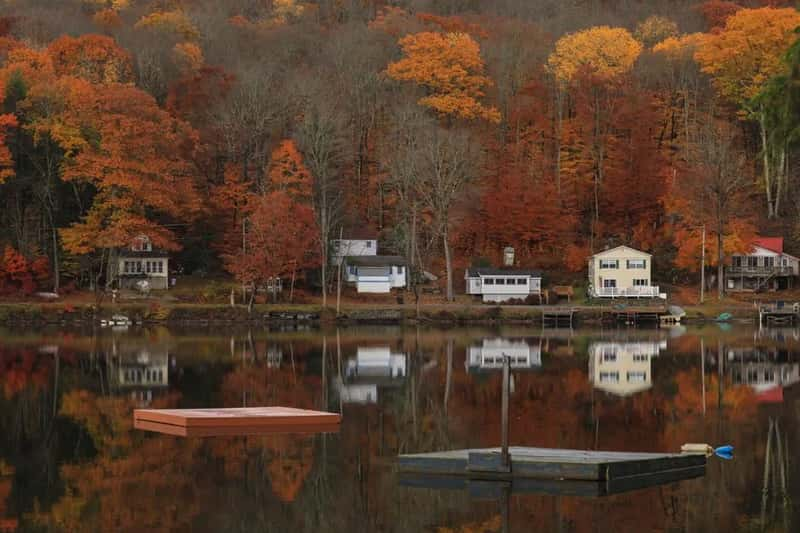
For decades, hotels in the Catskills were where many New York families spent their summers. Resorts such as Grossinger’s, the Concord and Kutsher’s offered entertainment, huge buffets and a whole social scene under one roof. At its height the region was known as the Borscht Belt.
Historians usually point to several overlapping causes for its fade. Cheaper air travel gave families more options, and tastes shifted away from the all inclusive mountain resort. One by one, the big names closed. In 2018 a casino resort opened on the old Concord grounds, a very different kind of attraction from the one that stood there before.
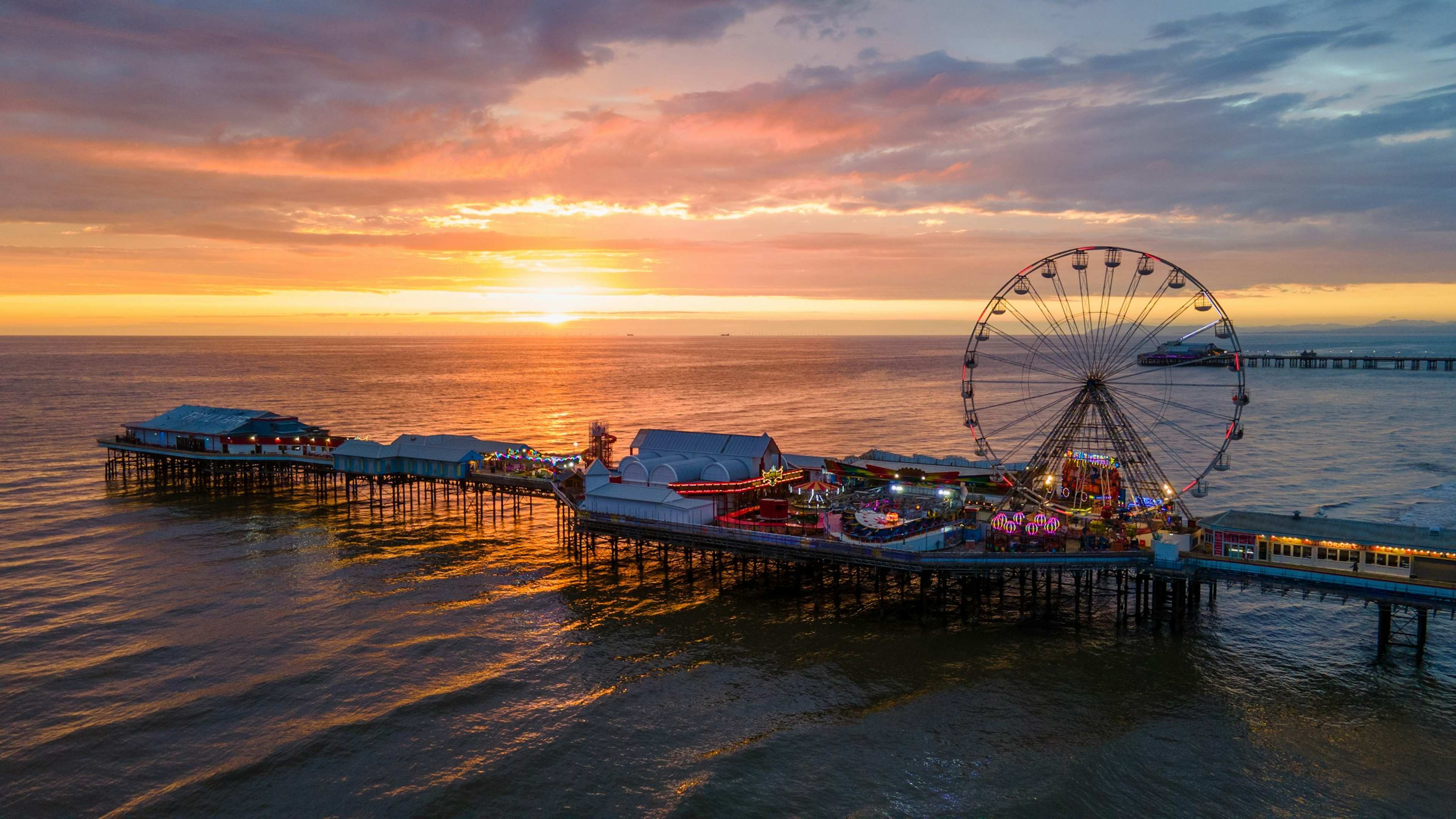
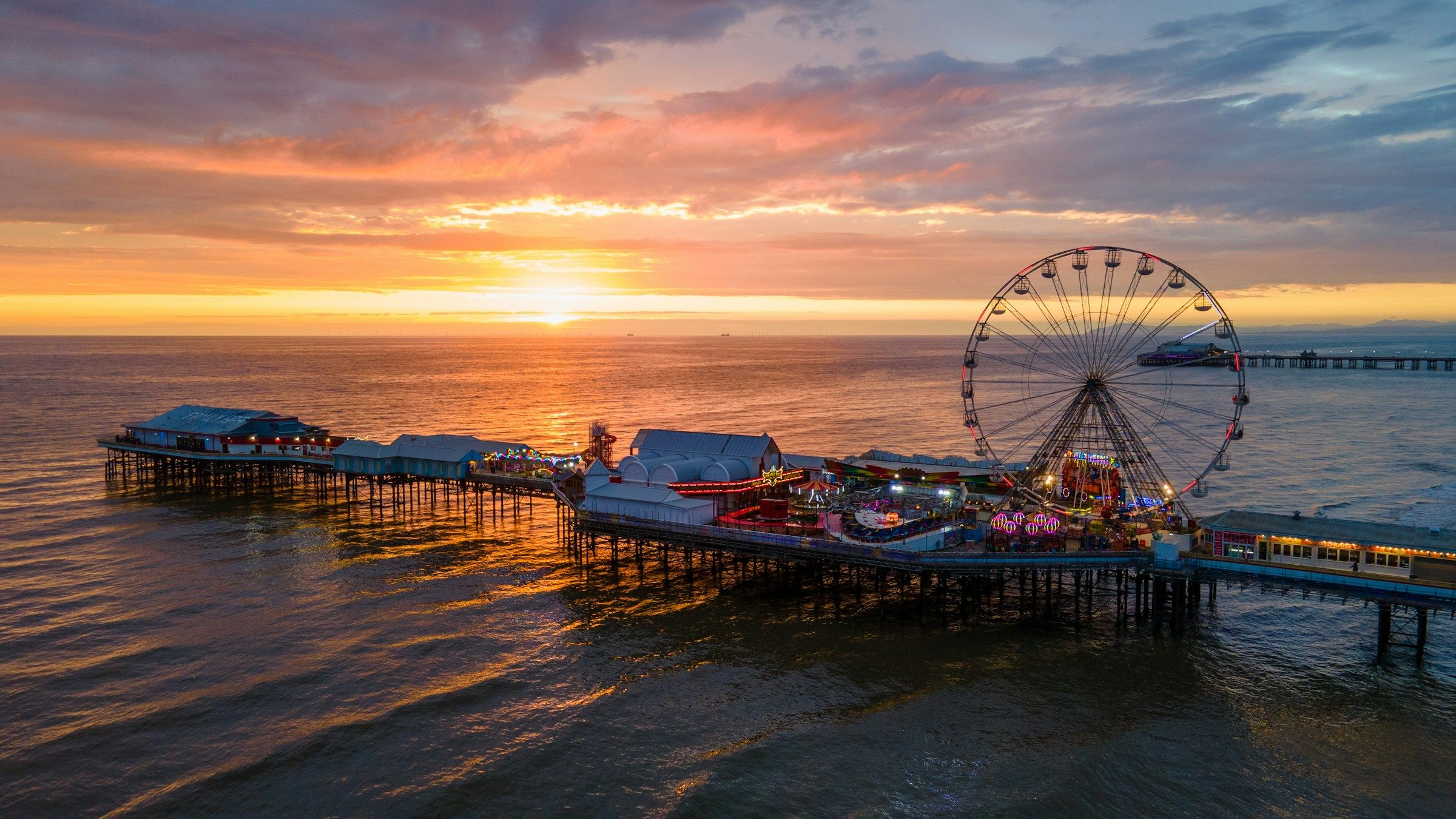
Blackpool, England: The Seaside Queen That Lost Its Overnight Guests
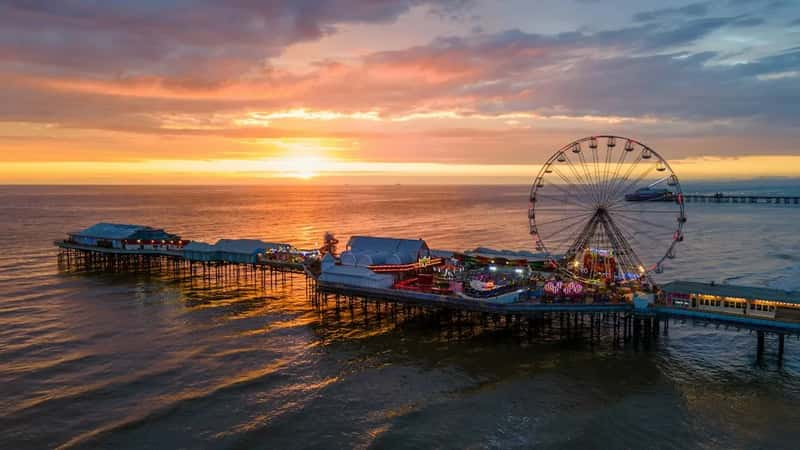
Blackpool once defined the British holiday. Affordable air travel from the 1960s lured Britons overseas and knocked the town off its perch.[4] A 2019 UK government study found Blackpool had eight of England’s ten most deprived neighbourhoods.[4]
The visitor numbers can be misleading. The town reports about 21.5 million visitors a year, but that total is swollen by one-off events such as the Air Show and the Illuminations switch-on.[5] Operators say the real problem is shorter stays, with weekly visitors becoming weekenders and weekenders becoming day trippers.[5] Even so, change is under way. Time Out describes an enormous £2 billion regeneration that it says could restore the resort to its former glory[6], and Blackpool Central was billed as the largest single investment in the town for more than a century.[7]
Atlantic City, New Jersey: Busy Hotels, Thinner Profits
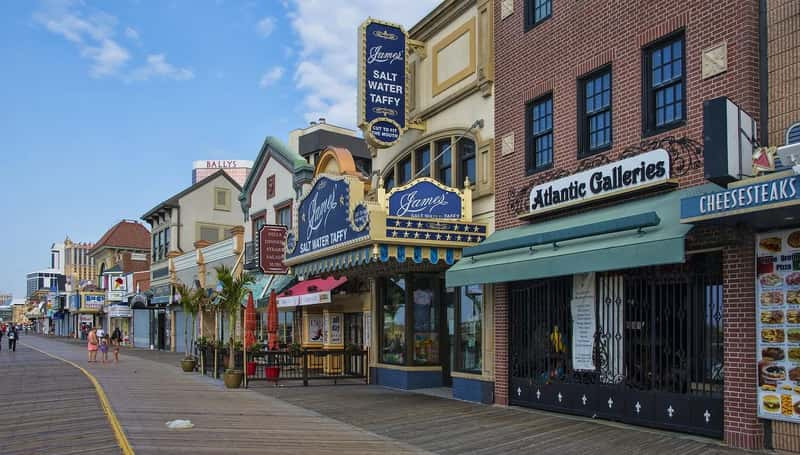
Atlantic City is not empty by any means. It welcomed approximately 17.6 million visitors in 2025, a 2.6% decrease from 2024.[8] Casino operators reported $3.29 billion in total net revenue, essentially level with 2024 and 2023.[8]
The strain shows up in profits. In the second quarter of 2026, industry net revenue edged up from $837.2 million to $844.5 million, while gross operating profit fell from $183.5 million to $164.9 million.[9] Casino hotels filled 73.2% of available room nights that quarter[9], so the rooms are not the problem. Competition is. Online gaming surged 25% in April 2025 while physical gaming revenue declined[10], which suggests many gamblers no longer need to travel.
Las Vegas, Nevada: Still Enormous, Yet Suddenly Slower
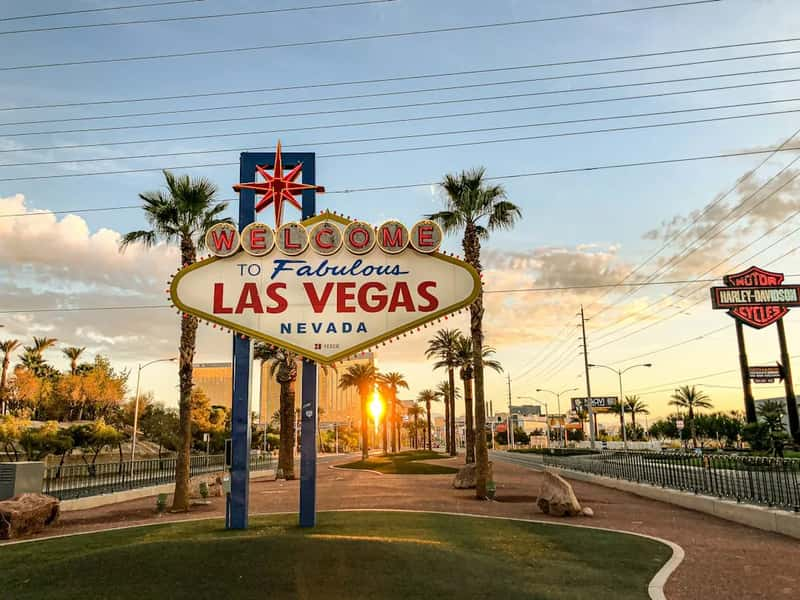
Las Vegas is the odd one on this list, because it is still among the busiest leisure destinations in the world. Even so, visitation fell 7.5% in 2025 to 38.5 million people, according to the Las Vegas Convention and Visitors Authority.[11] The highest year on record was 2019, with more than 42.5 million visitors.[12] The 2025 drop was the sharpest since record keeping began in 1970, outside the pandemic.[13]
Experts cite several causes. They include tariffs and immigration policies affecting international travel, along with concerns about affordability.[11] Canadian arrivals fell 17.4% in 2025, to about 1.2 million.[14] Annual hotel occupancy averaged 80.3%, down 3.3 percentage points, and the average daily room rate fell 5% to $183.52.[11] Convention business held steadier, as attendance stayed near 2024 levels at 6 million.[11]