Great Smoky Mountains National Park drew 11.5 million visitors[1] in 2025. Over in Alaska, Kobuk Valley saw fewer than 8,000[2]. Those two numbers sit inside the same park system, and they say a lot about how unevenly people spread themselves across America’s best scenery.
The ten parks below all ranked among the least visited in the country in 2025, going by National Park Service figures. None of them are second rate. Some are hard to reach, a few are surprisingly close to big cities, and all of them reward the people who make the effort.
Great Basin National Park, Nevada
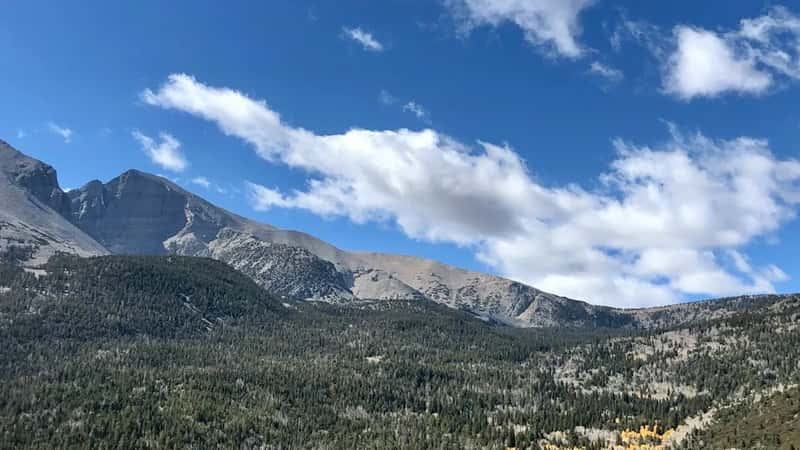
Great Basin is one of those places that makes you wonder why it isn’t on more bucket lists. It only saw 206,326 visitors in 2025[3], which is a small crowd for a park with this much variety. Another tally puts the figure lower, so treat the exact count with a little caution, though every source agrees it ranks among the ten least visited.
The park is a high desert surprise, with a glacier trail, alpine lakes and a mountain that towers over the surrounding basin. It also has Lehman Caves and groves of ancient bristlecone pines. Dark night skies are a big part of the draw, since there’s very little light pollution out here.
North Cascades National Park, Washington
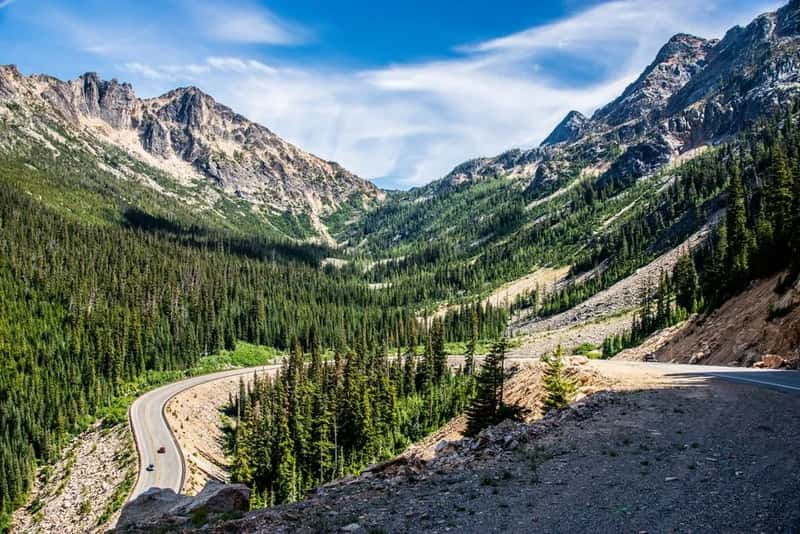
This is the park that makes people double check the map. North Cascades recorded 46,925 visits in 2025 despite its dramatic alpine scenery, glaciers and proximity to Seattle.[4] Compare that with Olympic National Park, a few hours away, which drew more than 3.5 million visitors[5].
Part of the story is recovery. Visitation rose 185 percent from about 16,000 to 47,000[6], but that was a rebound after wildfires suppressed numbers in 2024[6]. Even after the jump, it still ranks 57th of 63 parks[6], so the jagged peaks and turquoise lakes remain uncrowded.
Isle Royale National Park, Michigan

Isle Royale sits in the middle of Lake Superior, and getting there takes a ferry or a seaplane. That bit of effort pays off in quiet. It was the least visited park in the Lower 48 in 2025[5], with 29,091 visits[1].
The whole island is a wilderness of rocky shorelines, forest trails and calm inland lakes. It’s known for its moose and wolves, and most visitors come to hike or paddle. Without roads or cars, the soundtrack is mostly wind and water.
Dry Tortugas National Park, Florida
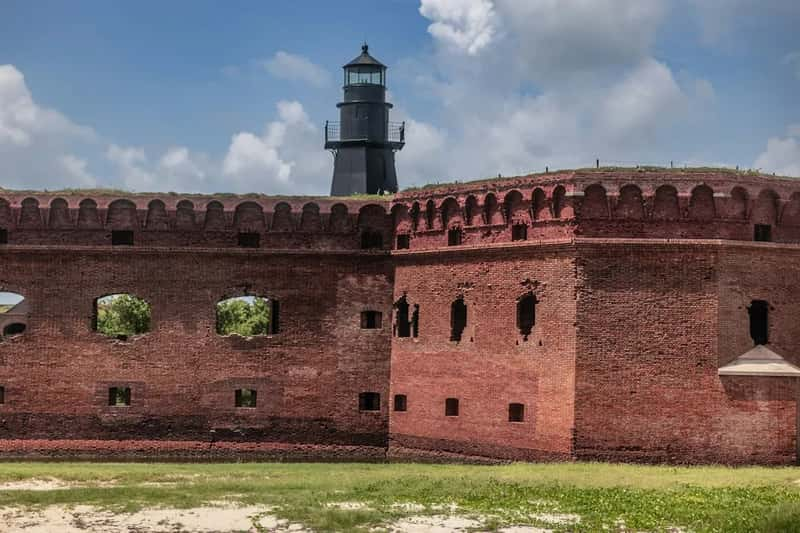
Dry Tortugas looks like a postcard from somewhere much farther away than Florida. Only 89,355 people visited in 2025[3], and that made it the eighth least visited national park[5]. Nearly all of the park is open water, which is part of why it stays quiet.
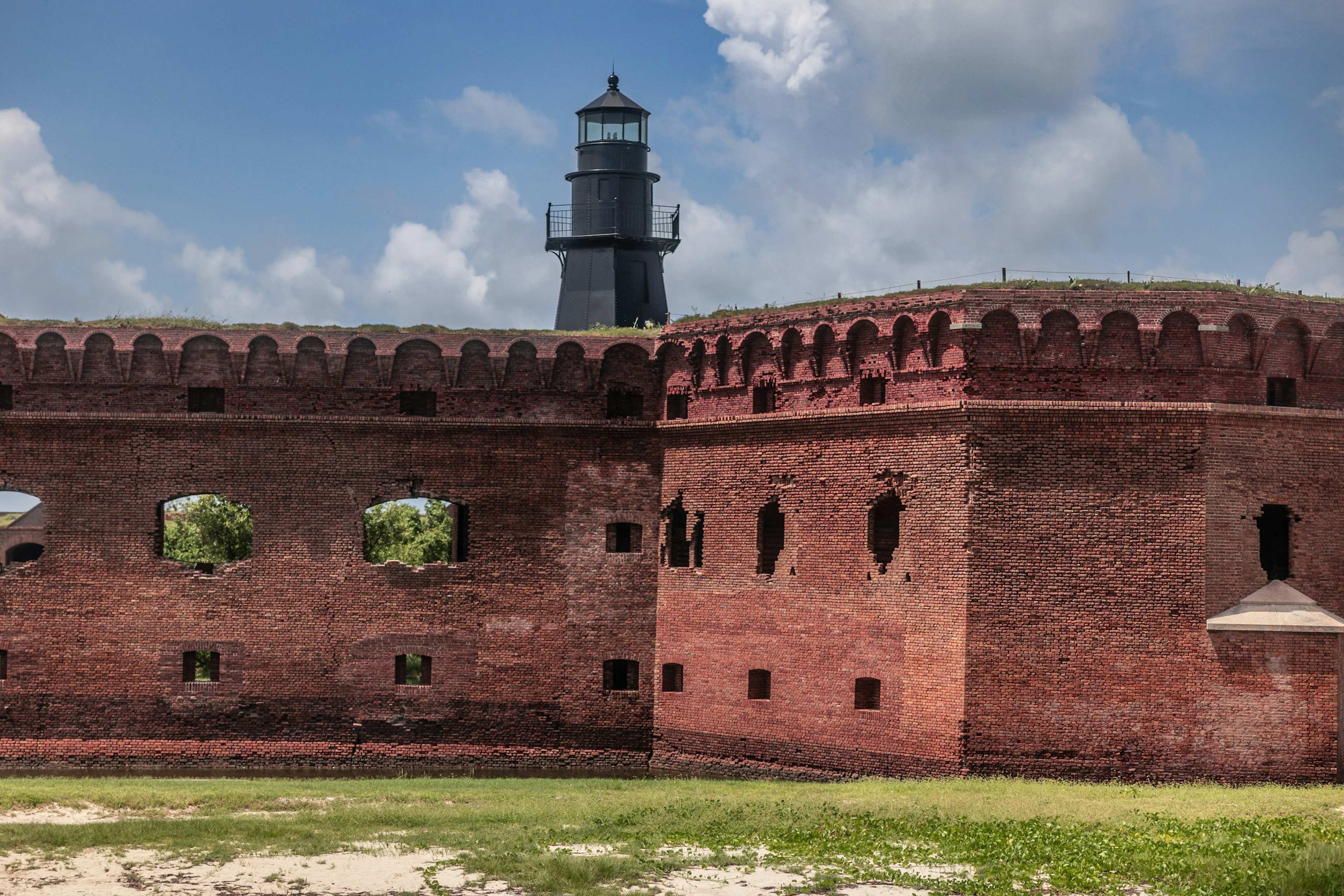
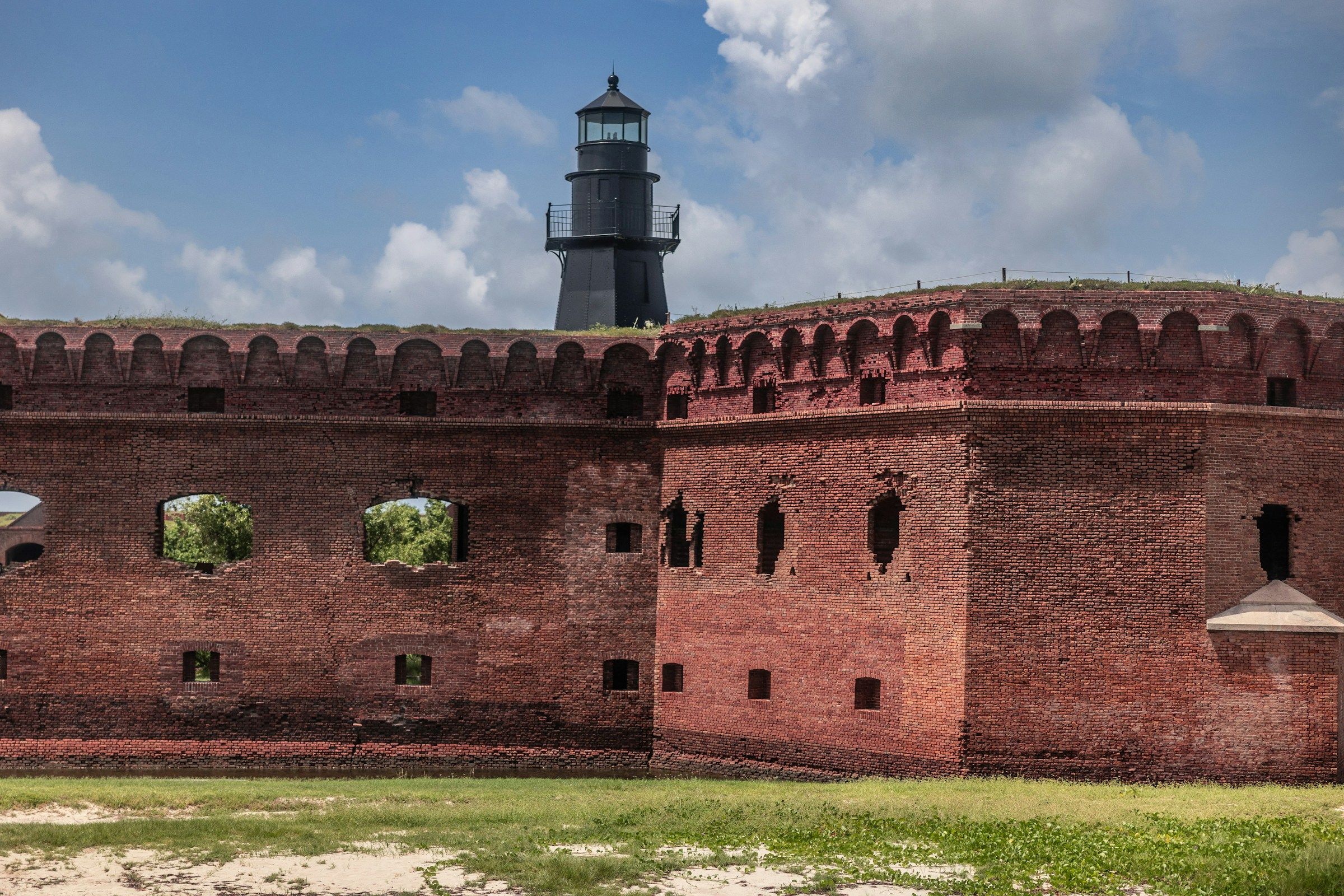
The centerpiece is Fort Jefferson, a huge brick fortress that rises out of the sea on a small island. The park is reached by boat or seaplane from Key West, roughly 70 miles away. Snorkeling over the coral and seagrass here feels like a private reef visit.
National Park of American Samoa
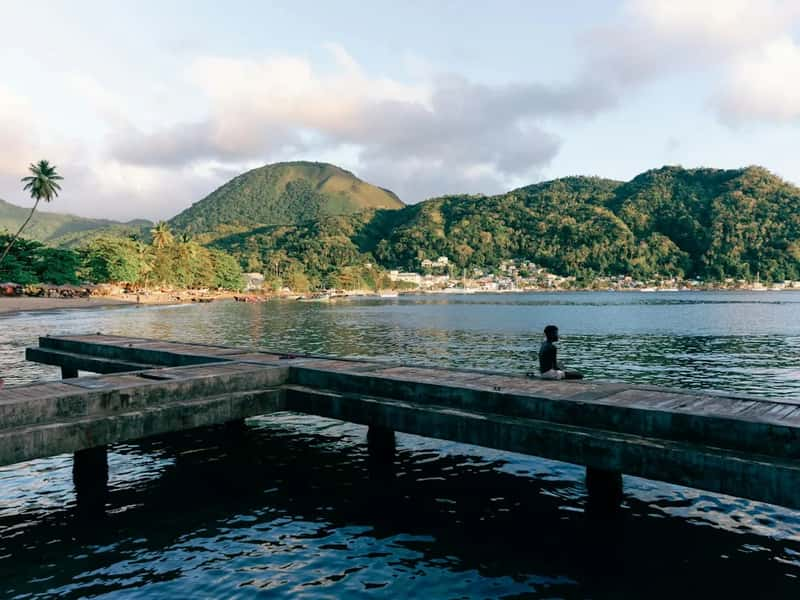
This is a tropical park, and it’s a long way from the usual national park routes. It’s the only U.S. national park south of the equator[7]. It ranked sixth least visited in 2025, with 43,258 visits[5].
The park spreads across several Pacific islands, with rainforest ridges, coral reefs and steep green coastlines. Visiting means a very long trip, which explains the small numbers. For travelers who like volcanic islands and snorkeling without crowds, it’s hard to beat.
Wrangell St. Elias National Park and Preserve, Alaska
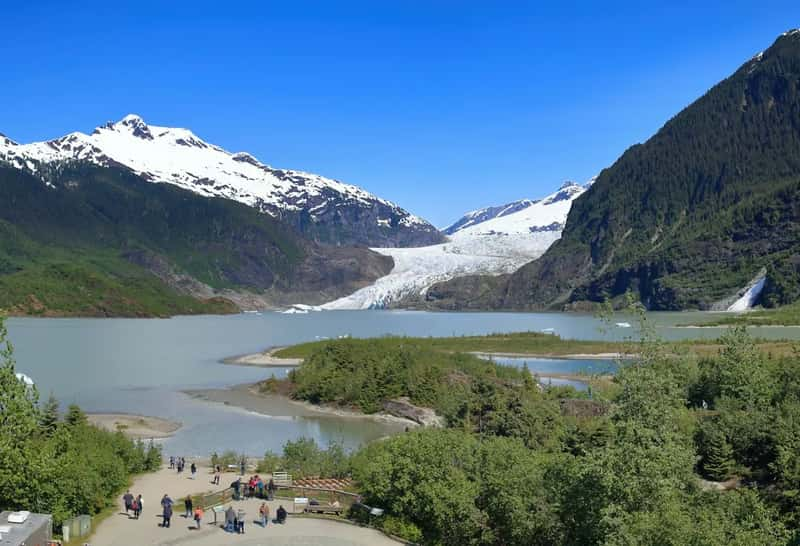
Scale is the first thing to understand here. It’s the largest national park, at 13.2 million acres, which is bigger than Switzerland.[7] Even so, only 108,840 people visited in 2025[3].
The park holds towering mountains, enormous glaciers and old mining history at the Kennecott site. It has a few roads, which makes it one of the more approachable big Alaska parks. Flightseeing trips are a popular way to take in the glaciers from above.
Katmai National Park and Preserve, Alaska
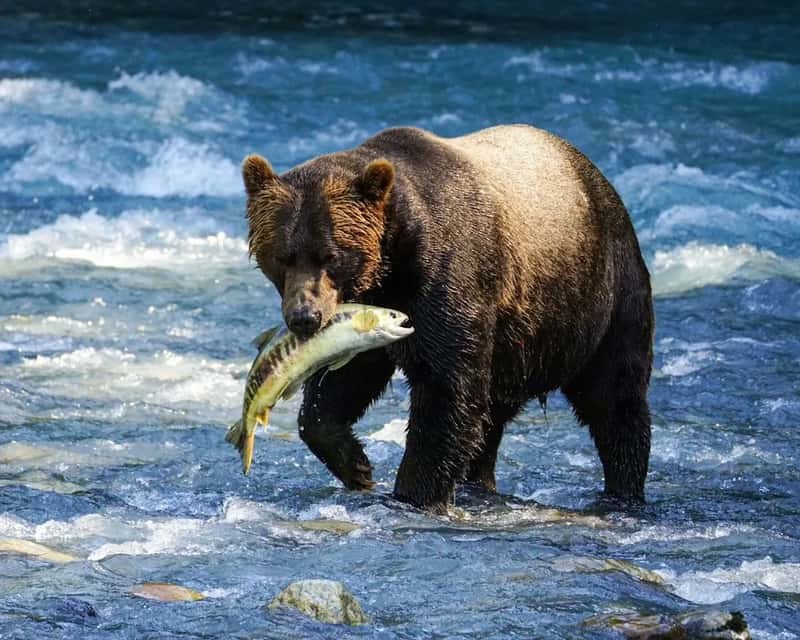
Katmai is best known for brown bears fishing in the rivers during salmon season. Yet the park itself stays remote, with 34,479 visits in 2025[5]. That number is small considering how famous the bear viewing has become online.
Getting there usually means a floatplane or boat from the Alaska mainland. It’s part of a pattern, since four of the five least visited parks in the U.S. are in Alaska[1]. Watching bears from a viewing platform is a very different experience from fighting for a parking spot at a big name park.
Lake Clark National Park and Preserve, Alaska
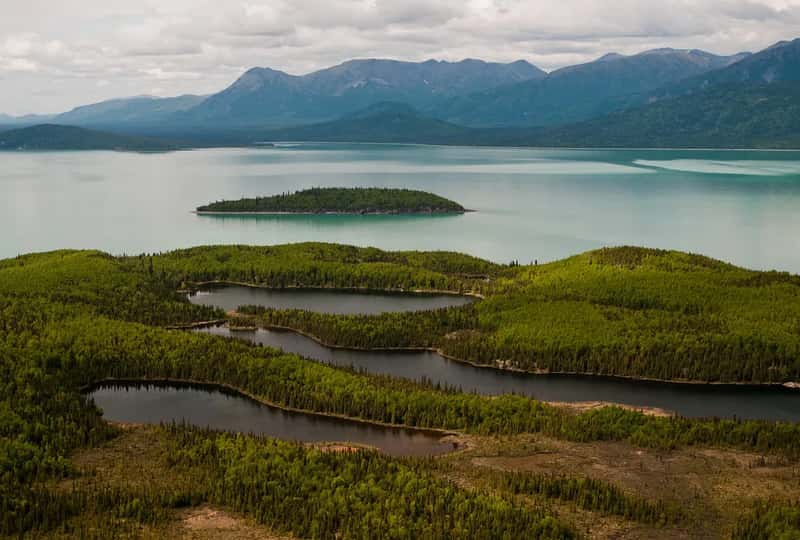
Lake Clark packs volcanoes, glaciers, turquoise lakes and coastline into one park. It recorded 19,778 visits in 2025[5], which is tiny for that much scenery. Like Gates of the Arctic, it’s reached by plane or boat.[7]
The park is also the ancestral homeland of the Dena’ina people, and it preserves a natural ecosystem alongside that history[3]. There are no road connections, so planning matters. Anglers, hikers and wildlife watchers tend to be the ones who make the trip.
Gates of the Arctic National Park and Preserve, Alaska
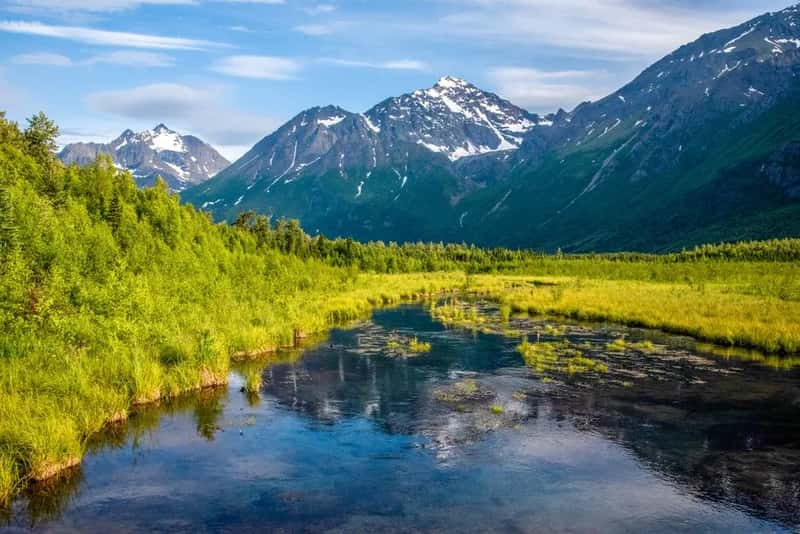
This park has no roads and no marked trail network. It demands advanced wilderness navigation skills and serious preparation[2], and that’s a big reason the crowds stay away. It saw 14,923 visits in 2025[5].
Interestingly, that was the park’s highest total since at least 1979[8], yet it still ranked second least visited. The reward is true wilderness, with mountain valleys, rivers and tundra stretching out in every direction. It’s a place for experienced backpackers, not casual day trips.
Kobuk Valley National Park, Alaska
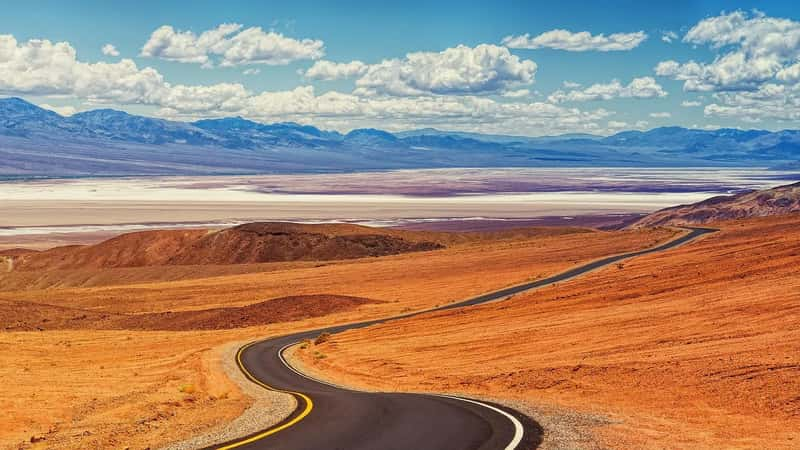
Kobuk Valley held the title of least visited national park in 2025. Just 25 miles north of the Arctic Circle, it drew only 7,786 visitors.[3] That was a steep fall from 17,233 in 2024.[5]
It’s only accessible by air and is known for its Ice Age formed dunes and the Western Arctic caribou migration.[3] Estimates suggest 250,000 to half a million caribou pass through twice a year.[3] Few places in the country combine sand dunes, Arctic light and wildlife on that scale.