Travelbinger
TravelbingerTravel deals, guides and hacks
Travel News
Trip Planner
Sign In
Travel News

1,000-Year Record Shows What Shifted Australia’s Fire Landscape Before Modern Warming

Share:
Expert reviewed
Matthias BinderKatherine Woodward Ramer

By Written by Matthias Binder

·

Edited by Katherine Woodward Ramer

Fact-checkedUpdated Oct 26, 2026· 3 min read
DetailsFull details
Author:Matthias Binder

Travel Expert & VP of Operations

Matthias a curious globetrotter who collects moments from night markets, coastlines, and tiny mountain villages. Plans trips around local food, scenic trains, and the best views at golden hour.

Editor:Katherine Woodward Ramer

Editorial Specialist

Checks destination facts and source links before a story is published.

Published October 26, 2026 · Updated October 26, 2026 · 3 min readRead our editorial policy.
1,000-Year Record Shows What Shifted Australia’s Fire Landscape Before Modern Warming
Add as a preferredsource on Google

Sediment cores from a lake in southeastern Australia have provided a detailed window into more than a millennium of landscape history. The findings, published in the journal Nature, indicate that frequent, low-intensity burning by the Gunaikurnai people kept woodlands open and stable for centuries before British colonization began in 1788. Those practices ended in the 1840s, setting the stage for denser, more flammable vegetation long before recent climate trends intensified.

Stable Woodlands Under Longstanding Care

For more than 800 years before European settlement, the Gunaikurnai maintained open eucalypt woodlands through regular cool burns. Tree cover remained low, averaging around 10 percent across the study area in East Gippsland. High-temperature fires that reach the canopy were rare, and soil stayed protected by ground vegetation. This pattern produced a landscape that resisted the kind of intense blazes seen in later decades. The consistent application of cultural burning limited fuel buildup and preserved the structure of the woodlands. Researchers note that the approach reflected a deep, ongoing relationship with Country rather than sporadic intervention.

Clear Break After Colonization

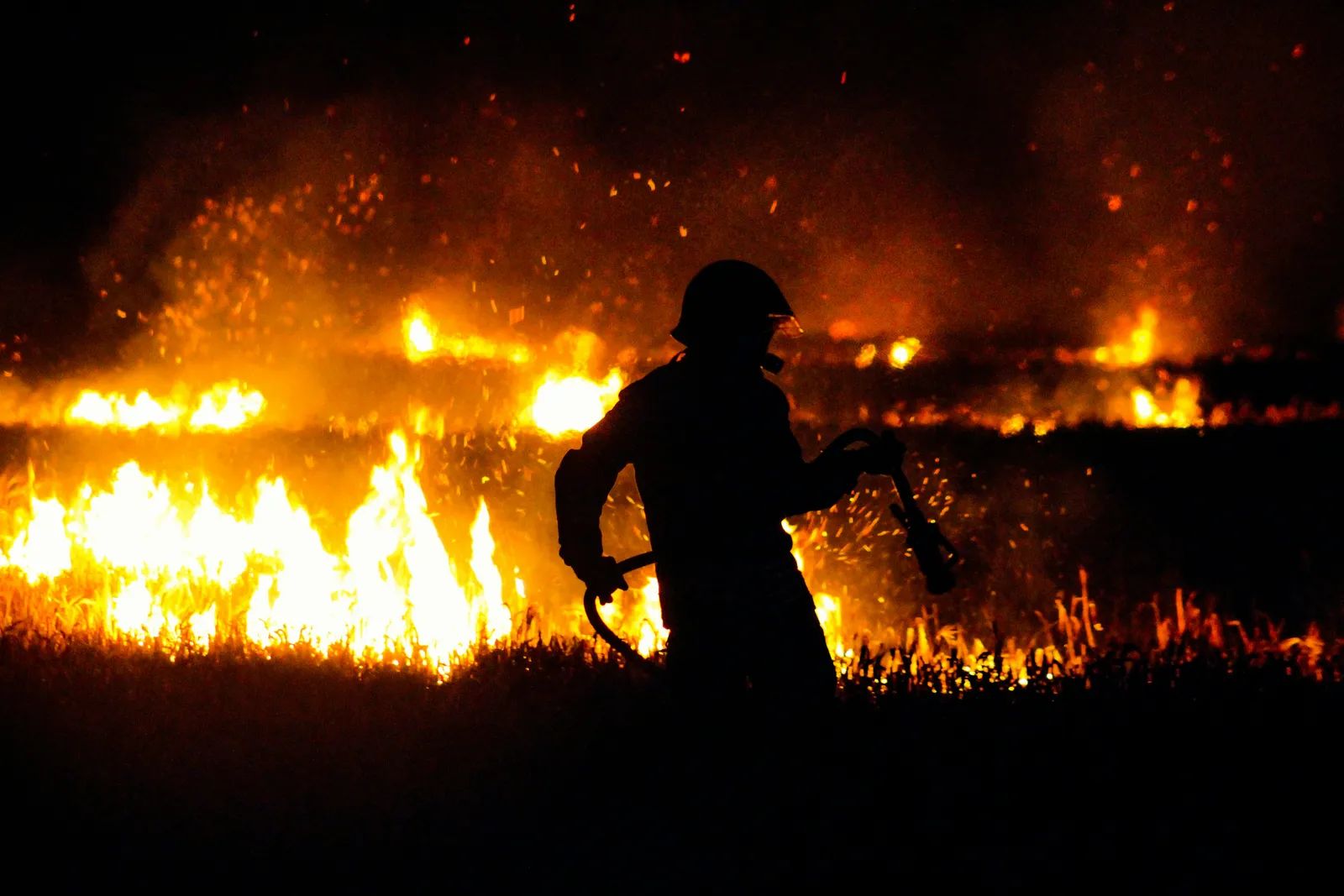
The record shows a sharp change once Indigenous management was disrupted in the 1840s. Without regular cool burns, woody material accumulated on the forest floor. Eucalypt cover, which is naturally oily and flammable, rose to roughly 34 percent by the 1970s. The shift produced more high-temperature charcoal in the sediments, with levels doubling or tripling compared with earlier centuries. These particles signal crown fires that consume the canopy and strip away protective ground cover, leaving soil exposed to erosion. The transformation occurred well before widespread industrial-era warming.

Lessons From the Sediment Layers

Cores taken from Purghagoolah, also known as Lake Elusive, captured both pollen and charcoal particles that track vegetation and fire intensity over time. The data reveal a consistent baseline of low tree density and mild fire activity that held steady until the mid-19th century. After that point, the indicators move together: rising tree cover, heavier fuel loads, and evidence of hotter fires. The sequence demonstrates that fuel accumulation alone can drive greater fire severity even in the absence of strong climate forcing.

Key points from the reconstruction:

Related Stories From Travelbinger

  • 9 Crystal-Clear U.S. Lakes for Your Next Trip – No. 1 Is Lake Superior
  • Before You Jump In: Why Lake Drownings Are Rising Among Travelers
  • 7 Canadian Lakes With Public Canoe Rentals, From Lake Louise to Algonquin
  • 800+ years of stable, low-intensity burning before 1788
  • Tree cover roughly quadrupled after management ended
  • High-temperature charcoal increased markedly in the colonial era
  • Changes preceded modern climate-driven warming

Broader Context for Fire-Prone Regions

The study underscores that historical land-use decisions can shape fire behavior for generations. In this case, the removal of Indigenous stewardship created conditions that made severe fires more likely once ignition sources appeared. Ongoing efforts to reintroduce cultural burning in parts of Australia draw directly on these long-term patterns. The sediment evidence supplies a baseline that helps separate the effects of vegetation change from those of temperature and drought trends. The findings add weight to calls for integrating traditional knowledge into contemporary fire management. They also illustrate how one region’s record can inform understanding of similar challenges elsewhere.

🔥 Would you like to save this?

We’ll email this post to you, so you can come back to it later.

Matthias Binder

Matthias Binder

Matthias a curious globetrotter who collects moments from night markets, coastlines, and tiny mountain villages. Plans trips around local food, scenic trains, and the best views at golden hour.

View Profile & Articles
Katherine Woodward Ramer

Edited & reviewed by Katherine Woodward Ramer — Editorial Specialist

Expert reviewed

More from Matthias Binder

Europe's Last Primeval Forest Is Caught Between a Border Wall and Conservation

Europe's Last Primeval Forest Is Caught Between a Border Wall and Conservation

1 min read

Platinum Card from American Express: Who Gains, Who Should Skip

Platinum Card from American Express: Who Gains, Who Should Skip

1 min read

Viking's 19-Night Grand Nile Journey Runs Cairo to Aswan

Viking's 19-Night Grand Nile Journey Runs Cairo to Aswan

1 min read

Nantucket Feels Worlds Away, Just 30 Miles off Massachusetts

Nantucket Feels Worlds Away, Just 30 Miles off Massachusetts

1 min read

Latest News

Fresh travel updates

Europe's Last Primeval Forest Is Caught Between a Border Wall and Conservation

Europe's Last Primeval Forest Is Caught Between a Border Wall and Conservation

Matthias Binder·Nov 13
Platinum Card from American Express: Who Gains, Who Should Skip

Platinum Card from American Express: Who Gains, Who Should Skip

Matthias Binder·Nov 13
Viking's 19-Night Grand Nile Journey Runs Cairo to Aswan

Viking's 19-Night Grand Nile Journey Runs Cairo to Aswan

Matthias Binder·Nov 13
Nantucket Feels Worlds Away, Just 30 Miles off Massachusetts

Nantucket Feels Worlds Away, Just 30 Miles off Massachusetts

Matthias Binder·Nov 13
View All News

Stay Updated

Get the latest travel news delivered to your inbox

Stay Inspired

Get travel inspiration, guides, and exclusive deals delivered to your inbox.

Travelbinger
TravelbingerTRAVEL DEALS, GUIDES AND HACKS

Discover the world through the eyes of seasoned travel experts. From breaking news to hand-picked destination guides, we bring you the stories that matter. Join our community for exclusive member deals and authentic inspiration for your next journey.

Deals

  • All Deals
  • Beach Holidays
  • City Breaks
  • Luxury Hotels
  • Last Minute

Popular Destinations

  • Europe
  • Asia
  • North America
  • South America
  • Africa

Company

  • About Us
  • Travel News
  • Editorial Policy
  • Contact

Legal

  • Privacy Policy
  • Terms & Conditions

This website contains affiliate links to trusted partners.

© 2026 Travelbinger. All rights reserved.

Secure payment with:
Visa
MC
PayPal
Klarna