Cruising sounds like a dream. You step aboard a floating city, unpack once, wake up in a new destination every morning, and eat until you physically can’t walk. Millions of people are discovering this every year, and honestly, the numbers back it up. More people are choosing cruises than ever before in history. Yet somehow, a massive chunk of first-timers step off the gangway having spent way more than they planned, wondering where it all went.
The secret the cruise lines don’t advertise? The base ticket price is barely half the story. Hidden costs, traps disguised as conveniences, and rookie decisions add up shockingly fast. Whether you’re booked for your first voyage next month or still dreaming about it, what follows could easily save you several hundred dollars, maybe more. Let’s dive in.
1. Assuming the Cruise Price Is the Total Price
Here’s the thing that catches nearly every first-timer off guard: that attractive headline fare is just the beginning. Of the average spend per passenger on Royal Caribbean in 2024, roughly 70 percent went to the cruise fare itself, while the remaining 30 percent – around $582 per passenger – was spent onboard on everything from drinks to gift shop souvenirs. That is real money that vanishes before most people even realize it’s happening.
According to Cruise Market Watch, the average cost per passenger per day for a cruise in 2024 was $259.05, meaning a 7-night cruise costs roughly $1,800 per guest when you factor in all the extras. On top of base fare, you can expect to pay additionally for specialty meals, shore excursions, alcoholic beverages, gratuities, and more. Think of the cruise ticket like a flight: it gets you on the plane, but the meal, the checked bag, and the seat upgrade all cost extra.
2. Ignoring the Gratuity Charges Until the Final Bill
This one genuinely shocks people. The extra cost of automatic gratuity charges can be a real shock to first-time cruisers, and at some lines these charges run as high as $25 per person per day. Unlike a hotel resort fee that covers a whole room, automatic gratuity charges on cruise ships are not per room – they are per person.
At big lines such as Royal Caribbean, a family of four staying in a single cabin can see more than $70 a day in service fees added to their bills, which on a typical seven-night cruise amounts to around $500 in fees. Cruise gratuity rates have also increased significantly in recent years, with most major cruise lines raising their rates in 2024 and some announcing additional increases for 2026. The smart move is to prepay your gratuities before you board, locking in current rates and spreading the cost.
3. Not Booking Early Enough – or Too Late
Timing is a game in cruising, and most newcomers have no idea they’re even playing it. Most cruise lines increase prices as ships sell out, so booking early gets you the lowest prices, the widest choice of cabin types and locations, and preferred dining times. Think of it like buying concert tickets: the best seats disappear first, and prices climb as the show approaches.
Booking early, typically six to twelve months out or even earlier, can lock in lower prices and give you access to perks like cabin upgrades or onboard credits. On the flip side, if you have a flexible schedule, booking last-minute can also score significant discounts as cruise lines try to fill unsold cabins. The cruise industry also has its most offers in the early part of the year, known as Wave Season, where between January and March cruise lines tend to roll out their best deals. Knowing which window applies to your travel style is everything.
4. Skipping the Travel Agent

Many first-time cruisers assume booking directly online is the cheapest route. However, experienced travel agents often have access to special promotions, group rates, and added-value offers not available to the general public. It genuinely feels counterintuitive, but the agent model in cruising is not like buying a car from a salesperson. Their expertise can be especially valuable if you’re unfamiliar with cruise line policies or want to avoid hidden fees, and agents are paid by the cruise lines to help you, making it essentially a concierge service at no cost to you.
Using a travel agent or cruise specialist can unlock exclusive deals and amenities not available to the general public, with many agents having access to group rates, onboard credits, or perks like free specialty dining or spa treatments. Plus, a good agent can help you navigate cancellation policies, re-book if prices drop, and offer insider knowledge about your ship and itinerary. One experienced cruiser reported that their agent saved them nearly $650 on a single sailing compared to the price listed on the cruise line’s own website.
5. Booking Every Shore Excursion Through the Cruise Line
Let’s be real: when that beautiful port appears on the horizon and the ship offers you a neat, packaged excursion, it feels easy. Too easy. The big downside is that cruise excursions are almost always more expensive, and significantly so, than independent tours. For the most part, cruise lines do charge more than non-cruise-related tour operators for the same or similar outing.
Third-party operators typically offer tours for a lower price, helping you stretch your vacation budget even further. If you wait until you are onboard to book excursions, you may find limited availability because the most desirable tours tend to sell out in advance. Plus, booking excursions in advance will save you time on the ship, and you may find local operators with more affordable tours rather than booking directly through the cruise line. Platforms like Viator and GetYourGuide are worth comparing before you sail.
6. Choosing the Newest, Flashiest Ship
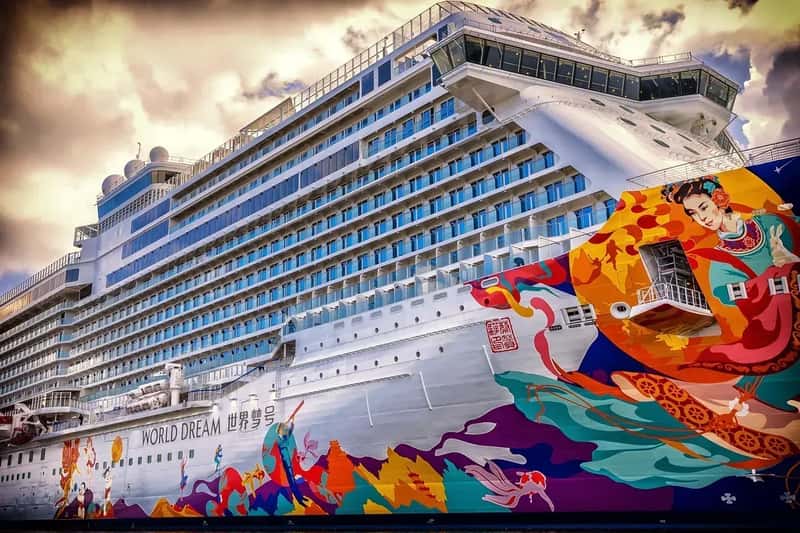
Honestly, I get it. The ads show jaw-dropping mega-ships with surf simulators, go-kart tracks, and robot bartenders, and you think “I need to be on THAT one.” Sailing on brand-new ships costs a pretty penny. A 7-night cruise aboard Icon of the Seas starts at $2,484 per person, whereas a weeklong cruise on the slightly older Wonder of the Seas starts at $1,148. While it’s tempting to be one of the first to experience a new ship, you’ll save quite a bit of money by waiting a few years.
Cruises on older ships, as well as those that are shorter in length, are cheaper than sailings on today’s newest vessels offering weeklong itineraries. Though it’s tempting to want to sail on modern and innovative ships, it will cost you far more than opting for a cruise on a ship that’s a few years older. An older vessel still comes packed with pools, entertainment, dining options, and everything a first-timer needs. The experience gap is much smaller than the price gap.
7. Booking a Balcony When an Interior Room Will Do

First-timers often feel like an interior cabin is somehow cutting corners. It’s not. Inside cabins are the most affordable staterooms on a cruise ship, and sailing in an interior stateroom can save you hundreds of dollars on your cruise fare, allowing you to allocate funds toward other add-ons. Think of it this way: you’re spending the vast majority of your time in the restaurants, pools, lounges, and ports – not staring out a window.
A 7-night Alaska cruise can list at $838 per person for an interior cabin. Jumping up to a balcony cabin raises the price to $1,291 per person, a $453 difference. If two people cruise together, you’d save almost $1,000 by booking an interior cabin instead of a balcony. Saving money with your cabin choice pushes you to explore more onboard the ship, getting out of the room and only returning to sleep. That’s honestly a more fun way to cruise anyway.
8. Letting the Beverage Package Trap You

The drink package pitch is clever. It sounds like a great deal – pay upfront, drink freely all week. But it deserves serious scrutiny before you swipe your card. As anyone who cruises a lot knows, cruise lines are masters at the upsell. For some lines, the whole business model is built around getting you to spend more on board than you ever thought you could. They get you on the ship at a low rate, and then they blast you with spending opportunities.
Before buying any beverage package, calculate honestly how many drinks you actually consume per day on a normal vacation. The math sometimes works in your favor, but often it doesn’t, especially for lighter drinkers. One way to cut your bar bill on ships is to bring your own drinks on board – not every line allows this, but those that do often have limits, and you can end up saving a lot of money by being your own bartender on lines where bringing beverages aboard is permitted. Always check the policy of your specific line before boarding.
9. Ignoring Your Phone’s Roaming Settings

This one has blindsided so many travelers it borders on legendary in cruise horror stories. You dock in a Caribbean port, your phone connects to a local network without you knowing, and by the end of the week you’re staring at a roaming bill that rivals your cabin cost. It happens constantly. To avoid this mistake, simply put your phone into airplane mode once you get onboard on the first day, as airplane mode will disable your phone’s antenna and prevent it from connecting to any network.
You can still use apps and other functions of your phone while in airplane mode, including connecting to WiFi. You can check in for your cruise through the cruise line’s app, review the itinerary, complete the mandatory lifeboat drill, look at the daily program, and in some cases open your stateroom door, order food, make dinner reservations, and text your friends – and best of all, you don’t need the ship’s internet package to use cruise line apps, as they are free to use onboard. This is probably the simplest money-saving habit on this entire list.
10. Buying Toiletries and Essentials Onboard
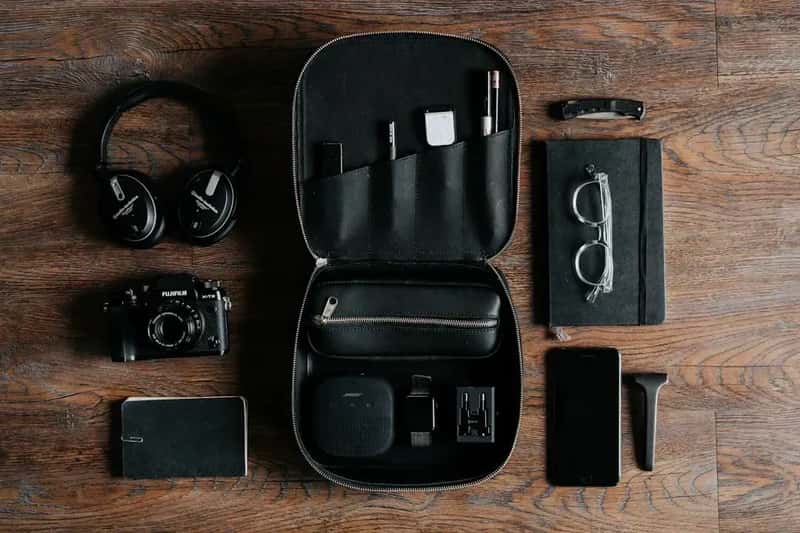
Forgot your sunscreen? Ran out of shampoo? Left your pain reliever at home? These moments happen on every cruise, and the ship’s retail shop is happy to help – at a significant premium. You shouldn’t sacrifice medications and toiletries in exchange for extra space in your luggage. If you wait to buy essentials onboard, you’ll pay far more than you would at your local drugstore. Plus, cruise ships tend to have limited inventory, so if you have preferred products, it’s best to bring them along.
Picture this: shaving cream that costs a couple of dollars at a pharmacy can run $40 or more at the ship’s spa boutique. That’s not an exaggeration. If you’re going on a Caribbean cruise, sunscreen is a must and bringing it from home saves you money, as in general, sundries onboard are more expensive. Pack a small travel bag of essentials before you board and treat it like your first line of financial defense.
11. Paying for Specialty Dining Every Night
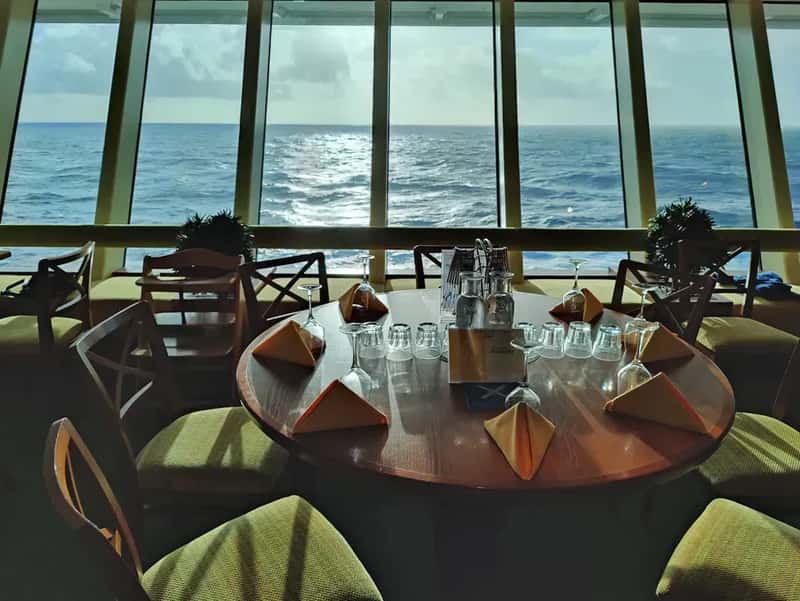
There’s a reason cruise lines push specialty restaurants so hard. The upcharges are real, and for first-timers dazzled by the ambiance and menus, it’s easy to sign up for three or four paid dinners before you even understand what’s already included. Here’s the honest truth: the complimentary main dining room on most major cruise lines is genuinely excellent. Regardless of how big or small your ship is, you’ll be able to enjoy unlimited food in the buffet as well as indulgent three-course meals in the Main Dining Room. Depending on your vessel, you may have additional complimentary restaurants, too.
Cruise ship spas and specialty venues have a harder time getting customers on port days, as many passengers are out on excursions, so they often drop prices to get more bookings. You’ll often find port-day discounts highlighted in cabin newsletters the night before a port call. The same logic applies to specialty dining deals later in the voyage. Some cruise ship venues now add an automatic gratuity to the cost of treatments and meals, often 18 to 20 percent of the total. Be sure to ask if a gratuity has already been included before adding another tip, or you may end up inadvertently tipping twice. One smart dinner beats four expensive ones you barely enjoyed.
Final Thoughts

Cruising in 2026 is booming. According to the Cruise Lines International Association (CLIA), about 35.7 million passengers were expected to set sail in 2024, six percent more than in 2019. Cruises are also attracting more first-time passengers, with Carnival Cruise Line noting a healthy mix of new-to-cruise passengers in its 2026 bookings, with that customer group increasing by over 30 percent versus a year ago. That’s a lot of people about to make expensive mistakes for the first time.
The good news is that every single mistake on this list is completely avoidable once you know what to look for. A little research before you board is worth far more than any glossy onboard upsell you’ll be offered once you’re at sea. According to AAA, 90 percent of U.S. cruise passengers rate their experience as good or very good, and 91 percent have taken multiple cruises, underscoring a high repeat rate. The people who fall in love with cruising tend to be the ones who figured out how to do it smart. Now you’re one of them.
What would you have done differently on your first cruise? Tell us in the comments.