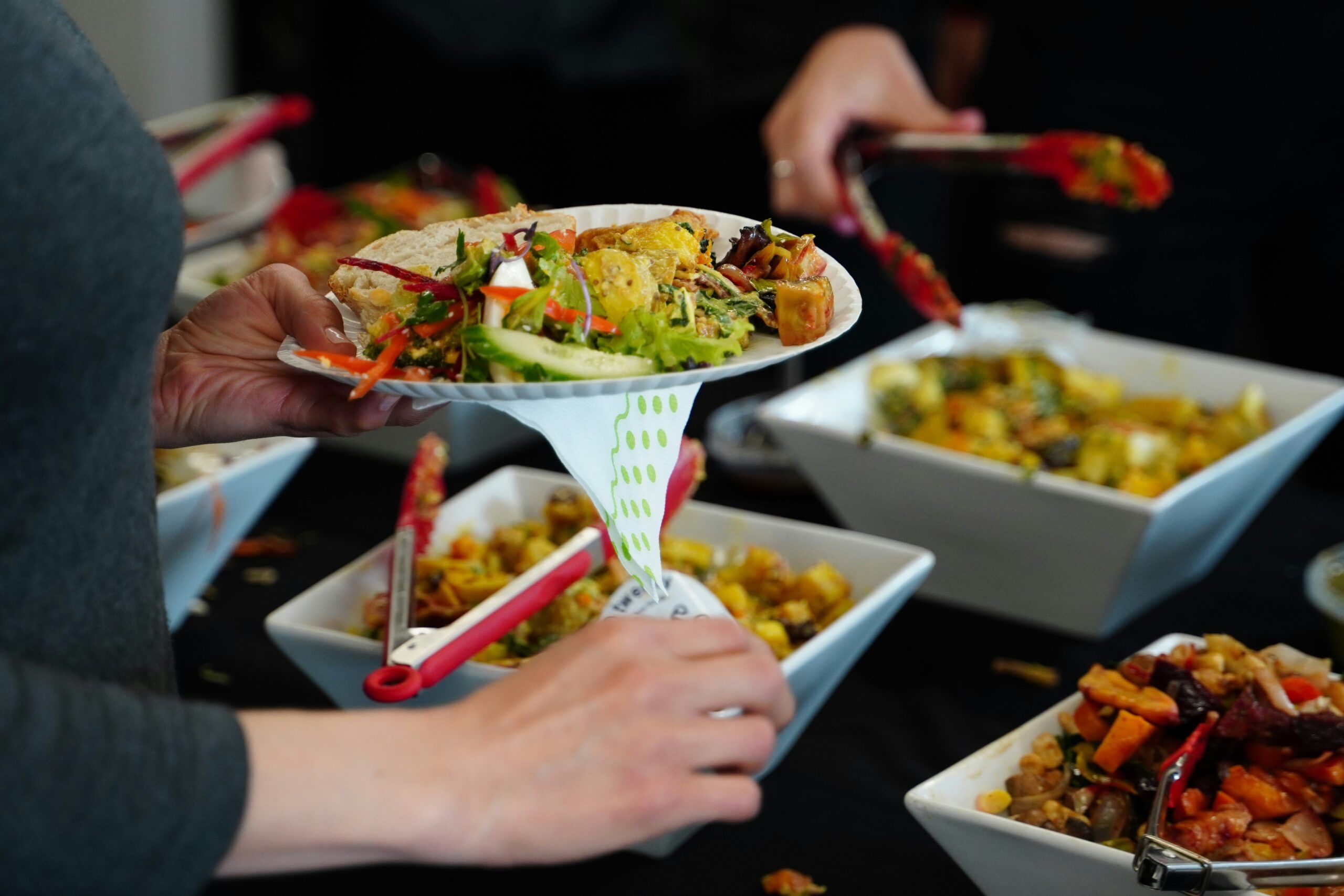
Walk into any all-you-can-eat breakfast spot right as the doors open, and you’ll notice something odd. The calm only lasts about ten minutes before the buffet line turns into a small battlefield. Restaurant managers who’ve worked morning shifts for years have seen it all, and they tend to agree on which habits make them wince the most.
These aren’t rare occurrences either. They happen on a near-daily basis, often before the first pot of coffee even runs low. Here’s a rundown of the behaviors that consistently top the list of morning buffet grievances.
1. Double-dipping with the same plate

Health inspectors and restaurant managers alike point to plate reuse as one of the most common and most concerning habits at breakfast buffets. Guests will finish a plate of eggs and bacon, then walk right back to the sneeze guard and pile on more food using that same used plate, letting it touch serving spoons and shared surfaces along the way.
Most buffet operators now post signs asking guests to grab a fresh plate every trip, largely because food safety codes in many states actually require it. The rule exists to limit cross contamination, since a plate that’s touched someone’s mouth or utensils can transfer bacteria back into communal serving dishes.
2. Sampling food with bare hands
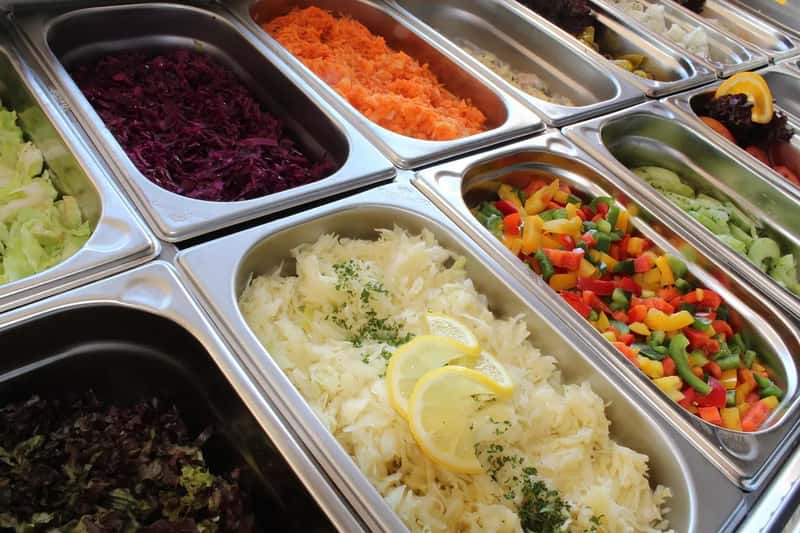
It’s a strange but persistent habit. Some guests will reach past the tongs or serving spoon and grab a piece of bacon or a roll directly with their fingers, sometimes even to taste-test before deciding whether to take a full portion.
Managers say this is one of the fastest ways to get an item pulled from the line entirely, since once bare-hand contact happens, the whole tray often has to be discarded under food safety guidelines. It’s not just about hygiene optics either. Norovirus and other foodborne illnesses spread easily through hand contact with shared food, which is why most buffet setups now include hand sanitizer stations near the entrance.
3. Piling plates into towering, unstable stacks
There’s a certain type of guest who treats the plate like a personal challenge, stacking pancakes, sausage links, fruit, and a waffle into a leaning tower that looks ready to topple before it even reaches the table. Morning shift staff say this happens most often during the breakfast rush when lines are long and people don’t want to make a second trip.
The bigger issue isn’t just the mess when food inevitably slides off. Overloaded plates often mean food gets wasted, since guests rarely finish everything they’ve piled on, and buffets already deal with substantial food waste as a built-in cost of the format.
4. Letting kids serve themselves unsupervised
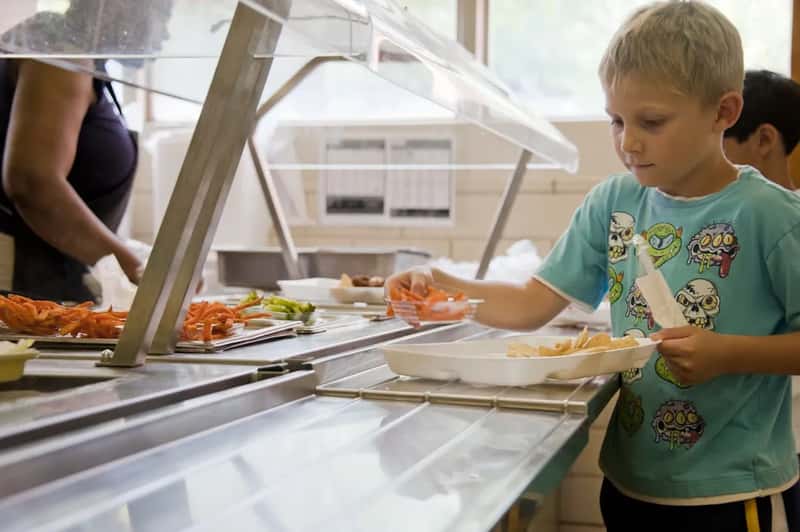
Morning buffets tend to draw families, and managers consistently name unsupervised kids at the food line as one of their top concerns. Young children reaching for hot items like waffle irons or gravy stations without an adult nearby creates both safety risks and spills that staff have to clean up mid-rush.
Beyond the safety angle, there’s the sanitation issue of small hands touching multiple serving utensils or grabbing food with fingers. Many buffet chains have responded by lowering certain stations or adding staff specifically to monitor high-traffic areas during breakfast hours when families are most likely to visit.
5. Hoarding the last servings of a popular item
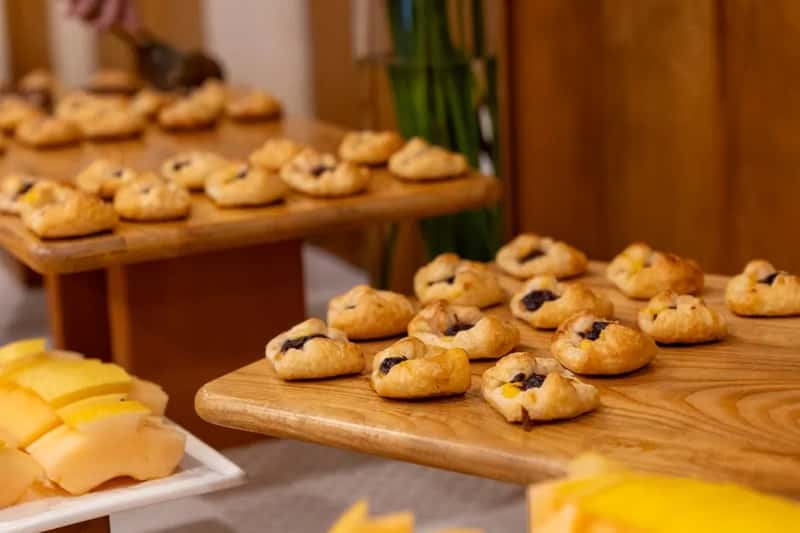
When a beloved item like cinnamon rolls or made-to-order omelets runs low, a specific type of guest will take far more than they can eat, seemingly to make sure nobody else gets any. Staff describe this as a common flashpoint during morning rushes, especially at hotel breakfast buffets where turnover is high and kitchen staff can’t always restock instantly.
This behavior creates a ripple effect down the line, since other guests then see empty trays and complain, prompting staff to rush refills faster than planned. It’s a small thing, but it’s one of the more frequently mentioned frustrations among morning shift workers because it directly affects how smoothly the rest of service runs.
6. Bringing outside containers to take food home

Some guests arrive with empty containers, plastic bags, or even coolers with the clear intention of packing up food to take home, despite buffet policies almost universally prohibiting this. Managers say this happens often enough that many buffet restaurants now post explicit signage warning that to-go containers aren’t allowed and that all food must be consumed on premises.
The reasoning isn’t just about profit margins, though that’s part of it. Food that’s been sitting in a buffet line for an extended period, then packed and transported, can fall into unsafe temperature zones, raising real foodborne illness risks that restaurants want to avoid being blamed for.
7. Ignoring posted allergen and dietary labels

Buffets increasingly label dishes with allergen information, given how common food allergies have become, yet managers report that guests frequently ignore these labels entirely. Someone might use the same serving spoon across a peanut-containing dish and an allergen-free one, undoing the entire point of having separate labeled stations.
This has become a bigger liability concern in recent years as more restaurants face scrutiny over allergen cross-contact. Staff at many chains now do more frequent spoon swaps and station checks specifically because guest carelessness, not kitchen error, is often the root cause of contamination incidents.
8. Standing in the line eating instead of moving through it
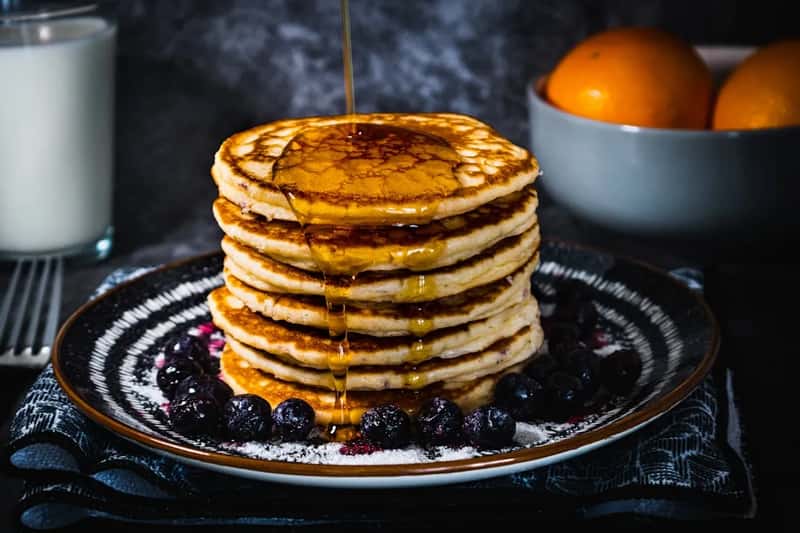
It sounds minor, but managers consistently mention guests who stop mid-line to eat a piece of bacon or sip a drink while everyone behind them waits. During a packed morning rush, even a thirty-second pause at the pancake station can back up the entire line and create frustration among other guests.
This behavior tends to spike on weekends and holidays, when buffet traffic is highest and staff are already stretched managing multiple stations. Some restaurants have started placing small “please keep moving” signs near the busiest points in the line to nudge guests along without needing a staff member to intervene directly.
9. Sneezing or coughing near open food stations
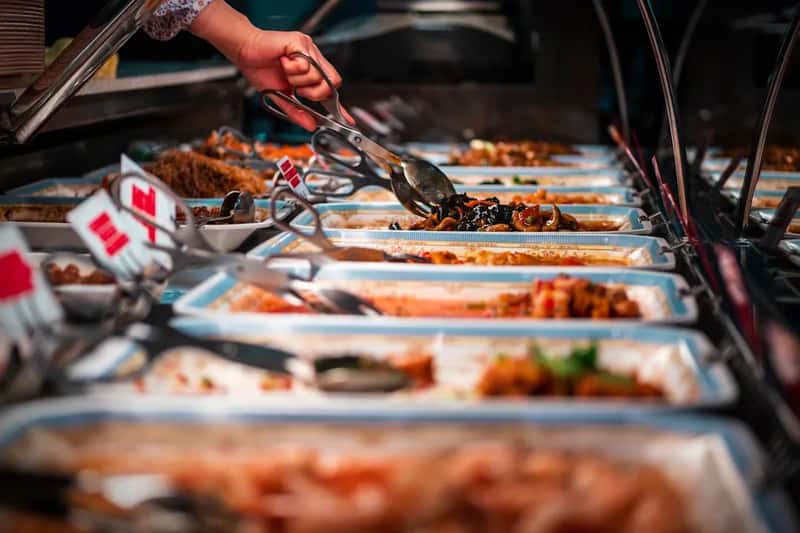
Given how buffets work, with food sitting exposed under heat lamps or sneeze guards that don’t always cover the full station, a guest coughing or sneezing near the line raises immediate concern for staff. This became an even bigger focus starting in the 2020s, and many restaurants haven’t fully relaxed their vigilance around it even in 2026.
Some buffet operators now train staff to discreetly monitor for this and to swap out exposed trays if there’s any doubt, even though it results in extra food waste. It’s a habit managers say they can’t really police through signage alone, since it usually happens involuntarily rather than out of carelessness.
10. Overloading plates just to try everything once
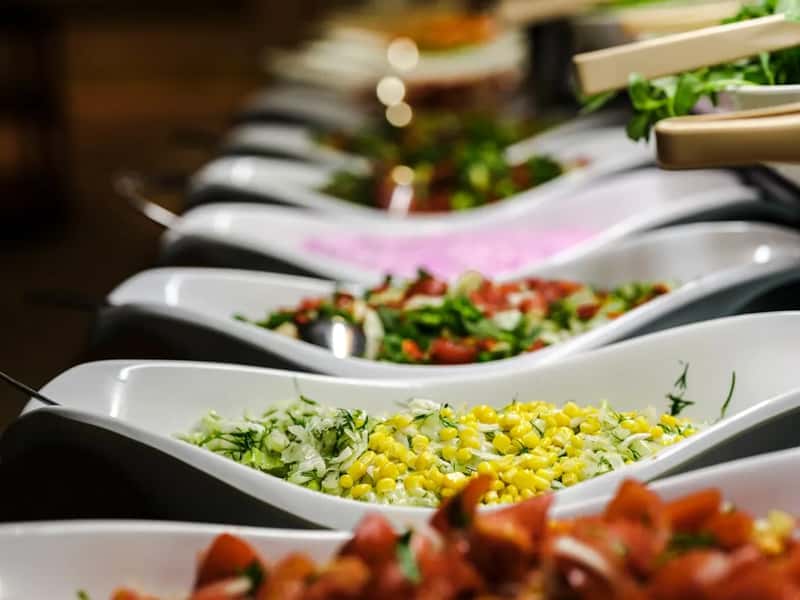
Distinct from the tower-stacking behavior, this is more about guests taking a small taste of literally every single item on the buffet in one trip, resulting in a plate with a dozen tiny portions crammed together. Morning shift staff say this slows down the line significantly, since these guests linger at every station trying to decide what to sample next.
It also contributes meaningfully to food waste, since many of these small tastes go unfinished once the guest realizes they’ve taken more items than they actually want to eat. Buffet-style restaurants already report notable food waste rates industry-wide, and habits like this are frequently cited as a contributing factor.
11. Leaving spills and messes for staff instead of flagging them
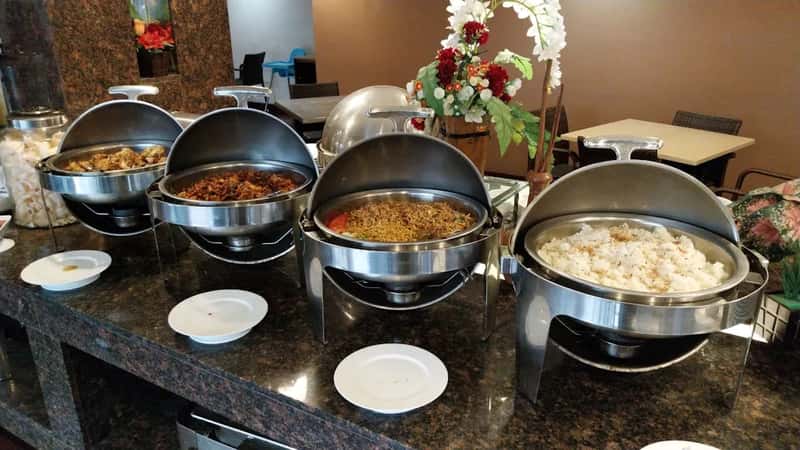
Spilled juice, dropped pancakes, or a knocked-over syrup container are common at any breakfast buffet, but managers say the bigger issue is guests who simply step around the mess rather than alerting staff. This means spills can sit for longer than they should, creating slip hazards for other guests and staff moving quickly through the line during rush hours.
Most restaurants train staff to do regular floor sweeps specifically because they can’t rely on guests to report messes promptly. It’s a small courtesy that would make service safer and smoother, yet it remains one of the more consistently overlooked behaviors during the morning buffet rush.
These patterns repeat almost every single morning across breakfast buffets nationwide, regardless of the restaurant’s size or price point. Most of them stem less from bad intentions and more from the fast-paced, self-service nature of the format itself, where dozens of guests are moving through the same limited space at once. Understanding why these habits frustrate staff can go a long way toward making the whole experience smoother for everyone in line.