Renting a place should be one of those exciting life moments – a fresh start, new keys, a new chapter. But in 2026, finding a place to live has become a minefield. Scammers have figured out that desperate renters are easy targets, and they are getting frighteningly good at looking legitimate.
According to the Federal Trade Commission, rental scams have cost consumers $65 million since 2020. That number is almost certainly just the tip of the iceberg, since the median reported loss per incident was $1,000, and officials note these figures represent only reported cases – likely a fraction of total harm, since many victims never file a complaint. Knowing what to look for might be the single most valuable thing you learn before clicking “apply now.” Let’s dive in.
1. The Rent Is Suspiciously Low

This is almost always how it starts. You’re browsing listings, exhausted and over budget, and then – there it is. A gorgeous three-bedroom at half the going rate for the neighborhood. Your gut says something’s off. Listen to your gut.
If a rental listing is “priced unusually low” compared to similar properties in an area, experts warn to be careful. “The reason scammers put listings like that up is because they know that it will attract a lot of eyeballs and potential victims.” Think of it like bait on a hook – the lower the price, the more people bite without thinking.
If the monthly rent is suspiciously low compared to similar nearby properties, you should pause before taking any action. Scammers often underprice listings to attract quick interest and emotional responses, hoping you’ll respond without researching. Always cross-reference with real nearby listings before you do anything else.
2. You’re Being Pushed to Decide Immediately

Legitimate landlords want good tenants. They are not going to panic-pressure you into signing something the same afternoon you found the listing. The moment someone starts throwing around phrases like “three other people are interested” or “you need to pay today to hold it,” that should stop you cold.
Scammers often create a sense of urgency to pressure potential victims into making quick decisions. They might claim that there are other interested parties or insist on immediate payment to secure the property. Taking your time and gathering all necessary information is crucial – be wary of any high-pressure tactics.
Scammers may urge you to rent quickly before someone else gets the property, prompting you to possibly miss an important step in the evaluation process. It is a psychological trick, not a coincidence. Urgency short-circuits careful thinking, and that is exactly what they are counting on.
3. The Listing Photos Look Too Perfect – or Strangely Familiar

Here’s the thing about stolen photos: they often look incredible. Way too incredible. Granite countertops, immaculate hardwood floors, a backyard that belongs in a home design magazine – all for a mysteriously affordable price in a neighborhood where rents are generally sky-high.
Rental scams rarely start with forged paperwork. They start with irresistible photos. In late 2024, the UK advocacy group Generation Rent reviewed 300 Facebook Marketplace listings and found that 56 percent had images lifted from other platforms. The study flagged nearly three quarters of all listings as “likely scams,” with reused imagery being the most common red flag.
Doing a reverse image search of the photos in a listing can reveal whether scammers have stolen the images from a legitimate listing. Photos with MLS (Multiple Listing Service) watermarks are also a warning sign, as they could indicate someone created a fake listing using stolen photos from properties that are currently on the real estate market. Take 60 seconds to run a reverse image search before you go any further.
4. The “Landlord” Can Never Meet You in Person

They’re overseas for work. A family emergency came up. They’ll mail you the keys. Sound familiar? These are classic stall tactics designed to keep you from ever meeting the person supposedly renting you a property – because that person has no connection to it whatsoever.
If a landlord or listing agent makes up excuses about why they can’t meet you in person or why you can’t see the rental property in person, that alone is a red flag. If you’re out of town or moving to a new city, experts recommend requesting a virtual tour of the space – and if possible, asking a friend or relative to visit the property for you.
If the person who replies to a listing claims to be out of town, sick, or simply unavailable to meet, yet still demands a security deposit, the listing could very well be a scam. Scammers avoid meeting so victims are unable to report them, and they escape with the deposit. A legitimate landlord will arrange to meet you in person and show you the property.
5. They Only Communicate Through Email or Texts – Never a Real Call

Real landlords pick up the phone. They schedule viewings, they answer questions, and they generally behave like human beings conducting business. Scammers, on the other hand, are often running multiple fake listings simultaneously and prefer to keep everything in writing so they can copy-paste responses quickly.
Scammers often communicate only via email or text, avoiding personal interaction. Honestly, this one catches a lot of people off guard because email feels so normal now. The problem is that hiding behind a screen makes it far too easy to be whoever you say you are without any accountability.
Experts say if you’re contacted via text or phone call about a rental listing, check the area code – if it’s outside your area, be careful. If you get an email, look closely at the sender’s address. Does it contain a mix of letters, numbers, and odd punctuation? Or does it come from a personal Gmail or Yahoo account while posing as a company email? If the answer is yes, delete it right away.
6. You’re Asked to Pay Before Seeing the Property

This is arguably the single biggest warning sign of them all. No legitimate landlord in any housing market – tight or not – should ever ask you to send money before you have physically seen the space. Full stop.
Reports to the FTC show that scammers pressure renters for money upfront before they’ve even seen the place in person. They might say you need to pay an application fee, security deposit, or first month’s rent to “hold” the property. Once you send that money, it’s almost certainly gone for good.
If a landlord asks for a deposit or monthly rent payment before you’ve even toured the unit, walk away. Even if the rental looks perfect online, you never know if the photos are real – or if the unit even exists. Some scammers list and try to rent the same property multiple times to potential tenants. Once they’ve collected a few pre-payments, they disappear, and there’s no way to get your money back.
7. The Listing Appears on Multiple Sites With Different Details

Search the address of any listing you are seriously considering on at least two or three other platforms. Scammers frequently duplicate listings and swap out the contact details, hoping to cast a wide net across different websites and catch renters wherever they happen to be searching.
Checking across several sites to see if the listing appears elsewhere with the same contact information is a smart move. Scammers without actual rentals to tour may hijack a real rental or real estate listing and change the email address or other contact information, then place the modified ad on another listing site to attract renters.
If you find the same property listed with different prices or different contact information, it’s likely a scam. And if you find the home listed for sale instead of for rent, that is a big red flag. A quick search that takes about two minutes could save you from a very expensive mistake.
8. The Payment Method Requested Is Untraceable

Wire transfer. Gift cards. Cryptocurrency. Cash. These are not just unusual payment methods – they are scammer favorites precisely because they are nearly impossible to recover once sent. Think of wiring money to a stranger as handing a bag of cash to someone on a street corner. You are not getting it back.
If a so-called landlord or listing agent requests payment of an application fee or first month’s rent through a wire transfer, a gift card, or through cryptocurrency, that is described by fraud experts as “a huge red flag.”
Many scammers request unusual payment methods – wire transfers, gift cards, Zelle, cryptocurrency – hoping tenants will panic or rush to secure a rental without questioning the legitimacy of the request. These transactions are hard to trace and almost impossible to recover. Many of the most common rental scams in recent years involve requesting gift cards or cryptocurrency specifically. If someone insists on one of these methods, walk away without a second thought.
9. No Lease Agreement Is Offered or Mentioned

I know it sounds crazy, but some scammers actually tell prospective renters that a lease is unnecessary. “I trust you,” they say. Or they just never bring it up. That right there is a massive red flag dressed up to sound casual and friendly.
Real landlords will never disregard a lease agreement, because they understand it protects their rights and responsibilities as well. Scammers posing as landlords are usually more interested in getting the full rent amount as soon as possible. They may also skip other steps in the process, like running a background or credit check, since tenant screenings are completely unnecessary for their scam tactics. A legitimate landlord will have no problem running a screening before renting their property and will also provide and review the lease terms.
A legitimate rental agreement should include documentation with clear terms, contact info, and your rights as a tenant. Sometimes, scammers create leases that are vague enough to get away with fraud. An incomplete lease can allow the owner to change important aspects of the agreement after it’s already been signed, putting the renter at significant risk of unexpected charges. Always read every line before signing anything.
10. Poor Grammar, Spelling Errors, or Vague Property Descriptions

A listing riddled with odd phrasing, strange grammar, or weirdly vague details is not always just sloppy writing. It can signal that the person behind the ad either created it in a hurry, copied it from somewhere else, or is writing in a language that is not their first – which is increasingly common with international rental fraud rings.
A major indicator of rental property scams is poor grammar and spelling in the rental listing or property management website. Legitimate property owners and managers typically take pride in presenting professional listings. Numerous spelling mistakes, grammatical errors, or poorly constructed sentences could be an indication of a scam.
It’s important to scrutinize any errors that may arise during your rental search. Discrepancies between listing specifics and the property description should be considered alarming. Details like square footage, number of rooms, listed amenities that don’t match photos, or descriptions that could apply to literally any apartment in any city are all worth pausing over.
11. You’re Asked for Personal Information Too Early
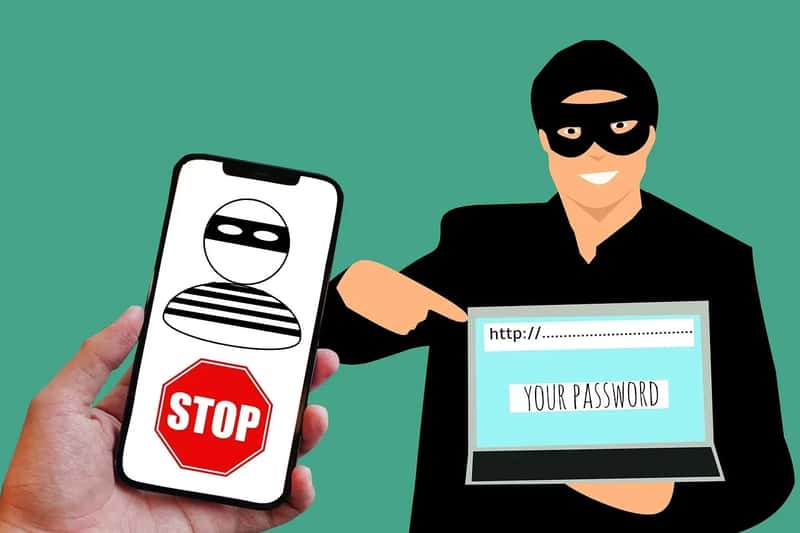
Legitimate landlords do not need your Social Security number, date of birth, or bank account details before you have toured a property and formally entered the application process. If someone is asking for sensitive personal information from the very first message, there is a good chance they are not after rent money at all – they are after your identity.
Scammers collect personal information from consumers such as their Social Security number, driver’s license, or paystubs to steal their identity. Another common tactic involves scammers claiming you need to show you’re creditworthy by sending screenshots of your credit scores. They send links to websites that let you sign up for a credit check, often for as little as $1 – but you might not realize that enrolls you in a paid membership with recurring fees, or that the scammer makes money as an affiliate for each enrollment.
Experts recommend not sharing personal information too early. Until you’ve agreed to rent a place, a landlord doesn’t need your Social Security number, credit score, or other sensitive information. Legitimate landlords normally pull your credit score themselves – they don’t tell you to get it for them. The moment that boundary is crossed before a real relationship is established, consider it a serious warning.
Conclusion: Stay Sharp, Stay Safe

Rental fraud is not a fringe problem. New analysis from the Federal Trade Commission shows that since 2020, consumers reported nearly 65,000 rental scams, many of which originated from fake listings on sites like Facebook and Craigslist. Those are only the reported cases.
People ages 18 to 29 were three times more likely than other adults to report losing money to a rental scam. That tells you something important: inexperience and urgency are the two biggest vulnerabilities. Scammers know this and they exploit it deliberately.
The good news is that almost every single one of these scams shares the same handful of telltale signs. Too cheap, too urgent, no meeting, shady payment method, no lease. Once you recognize the pattern, it becomes much harder to fall for it. Trust your instincts. If something feels off about a listing – even something you cannot quite name – keep looking. Your future home should feel right from the very start, not rushed and desperate.
What would you have done if you spotted one of these red flags? Share your experience in the comments below.