Choosing a destination often comes down to more than just scenery, food, or flight prices. Safety shapes the whole travel experience, from how comfortable you feel walking around at night to how easily you can get help if something goes wrong. Each year, the Institute for Economics and Peace publishes its Global Peace Index, a widely respected tool that ranks 163 nations using 23 indicators covering conflict, militarization, and societal security.
Using the 2025 edition of that index alongside supporting travel-safety data, this gallery walks through eleven of the world’s most peaceful, welcoming destinations for travelers, followed by six countries currently facing the kind of instability that makes them far riskier to visit. Together, they offer a snapshot of just how differently safety plays out across the globe right now.
1. Iceland
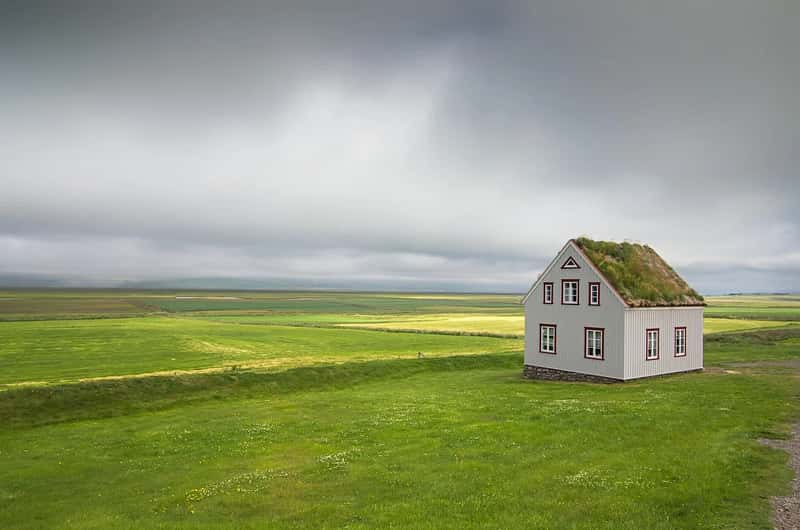
Iceland has held the position for the world’s most peaceful country since 2008[1], and the 2025 rankings confirm it once again sits comfortably at the very top. This year, Iceland gained the top spot by a significant margin, with an apparent large difference between the peace scores of the first and second country.[1] Low crime, a tiny population, and a close-knit society all help explain why visitors so rarely encounter trouble here.
What makes Iceland especially remarkable is its military posture. Notably, Iceland does not have a military, making it the only country within the North Atlantic Treaty Organisation (NATO) alliance to do so.[1] For travelers, that translates into a country built around stability rather than defense spending, with resources instead channeled toward infrastructure, healthcare, and public services that keep daily life running smoothly.
2. Ireland

Ireland has kept its long-standing spot near the very top of the rankings. Ireland has once again ranked number two in the Global Peace Index, and is also the second most peaceful country in the European region, ranking just below Iceland once again.[1] Its cities and countryside alike are known for being approachable for tourists, with a genuinely low risk of violent crime.
Part of Ireland’s reputation for peace extends beyond its own borders. Traditionally, Ireland has been a key player in global peacemaking as an avid contributor to the United Nations Peacekeeping organisation.[1] That international engagement, paired with strong domestic institutions, gives travelers added confidence that the country’s stability isn’t just a temporary streak.
3. New Zealand

New Zealand continues to sit firmly in the top tier of peaceful nations. New Zealand climbed up one position from last year’s results, placing it in the top three, recording an improvement in peacefulness of 3.1 percent in the past year.[1] Its remote geography and small population contribute to a low-crime environment that feels relaxed for visitors exploring both cities and rural landscapes.
Regionally, New Zealand stands out as an outlier in the best possible way. Regionally, New Zealand takes the top position for 2025, while also being the only Pacific nation to make the top 10 list.[1] For travelers drawn to outdoor adventure, that combination of natural beauty and social stability is hard to beat.
4. Austria
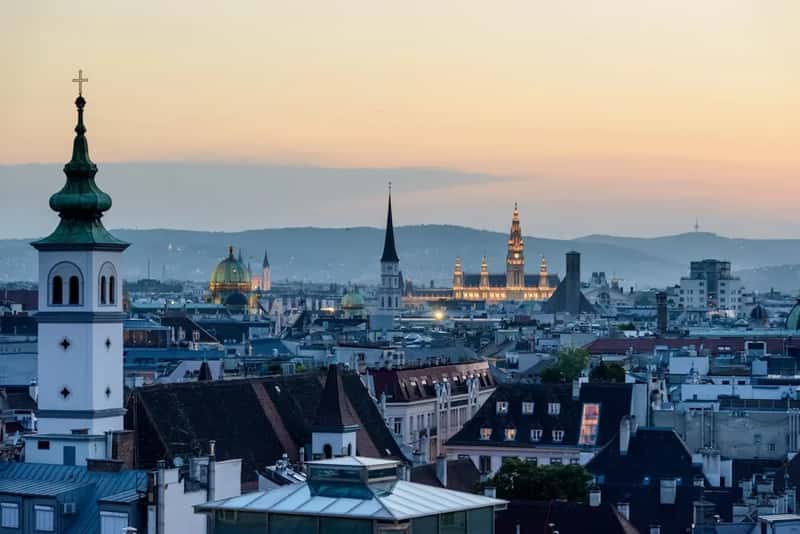
Austria rounds out the upper tier of the index with a score that places it just behind the top three. According to the 2025 Global Peace Index poster from the Institute for Economics and Peace, Austria sits in fourth place with a score of 1.294, reflecting steady governance and low levels of internal conflict. Vienna and the country’s smaller cities are frequently cited among the most livable places in the world, a reputation that extends naturally to visitors as well.
Austria’s central European location means it benefits from strong regional cooperation and infrastructure without facing the kind of border tensions seen elsewhere on the continent. Western and Central Europe remains the world’s most peaceful region and home to eight of the ten highest-ranked countries[2], and Austria’s consistent placement near the top reflects that broader regional strength.
5. Switzerland
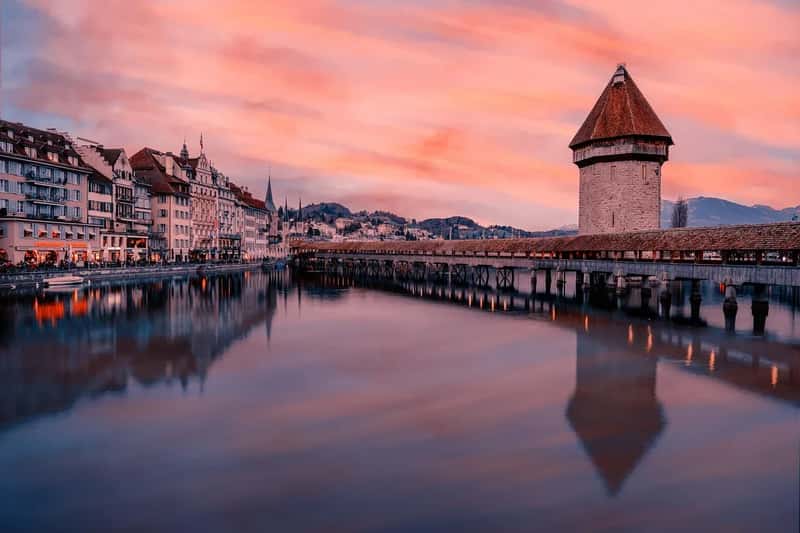
Switzerland shares fourth place in this year’s rankings, tied closely with Austria at a score of 1.294. Known for its political neutrality and long tradition of stability, the country combines a strong economy with low crime rates, making it a reliably comfortable choice for travelers regardless of the season.
Switzerland’s peacefulness isn’t a recent development either. The country has spent years near the top of the index, supported by transparent institutions and a well-funded public sector. That consistency gives visitors a level of predictability that’s genuinely rare when planning international travel.
6. Singapore
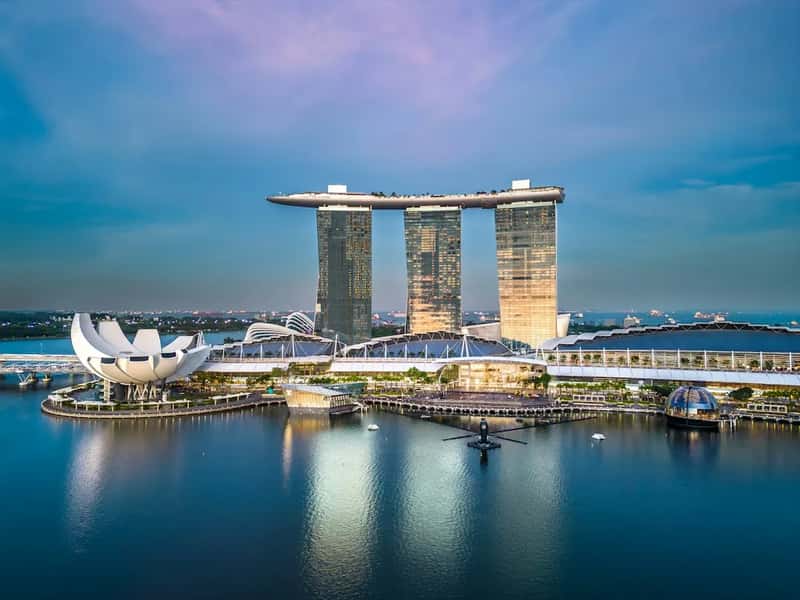
Singapore stands out as the only Asian nation inside the global top ten. The 2025 Global Peace Index confirms it: Singapore is still the most peaceful country in Asia.[3] Its reputation for safety is so strong that roaming the streets alone during the wee hours might be unthinkable in some parts of the world, but in this city, it’s no big deal.[3]
Singapore’s rise up the rankings has been dramatic over time. When the ranking was first launched in 2008 Singapore occupied the 22nd spot, in 2019 it broke into the top 10, and has remained there since.[4] Strict law enforcement, efficient governance, and a genuinely low crime rate all combine to make it a top pick for travelers seeking an ultra-safe city experience.
7. Portugal

Portugal has quietly become one of Europe’s biggest success stories in terms of peace and safety. Over the past few years, this nation of about 10 million people has emerged as one of the biggest climbers of the Global Peace Index, moving from the 18th spot it held in 2014 into the top 10, a trend that shows no sign of reversing.[4] Its coastal towns and historic cities draw travelers looking for both culture and a relaxed pace of life.
The country’s improvement isn’t just about ranking position, it reflects real changes on the ground. In recent years, Portugal has experienced an economic resurgence, decreasing its unemployment rate from over 17% to under 7%.[5] That economic stability, combined with a strong safety record, is part of why Portugal consistently ranks among the best countries for retirement, due in no small part to its high level of safety.[5]
8. Denmark
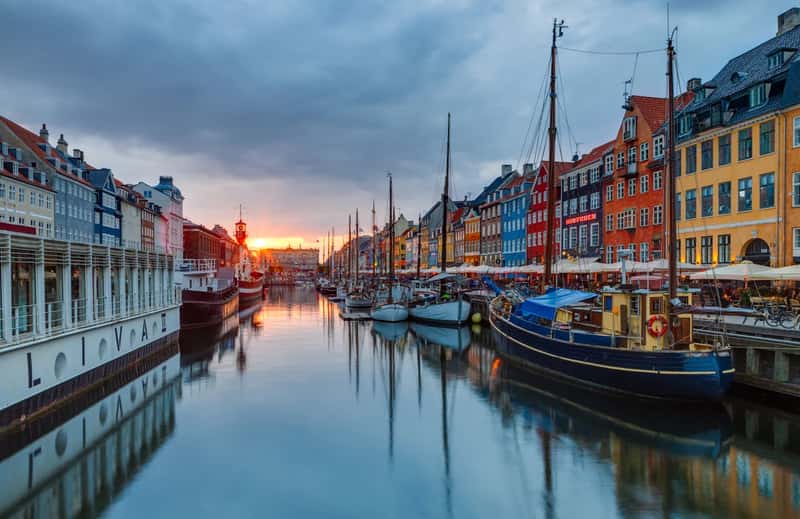
Denmark remains a fixture near the top of global safety rankings, even as its position shifted slightly this year. A safe country to travel and live in, Denmark is characterized by a high degree of political stability, freedom of the press and respect for human rights, and it also boasts a high level of income equality and is frequently ranked as one of the happiest nations in the world.[4] For travelers, that translates into clean, well-organized cities with minimal crime.
Denmark’s slight drop in overall ranking says more about rising defense spending than any real decline in day-to-day safety. Denmark remains a global leader in peace but dropped one place due to slight deteriorations in the Militarisation domain, as it faces growing defence spending demands in response to the war in Ukraine and regional security concerns.[6] None of that changes the everyday experience for visitors strolling through Copenhagen or the Danish countryside.
9. Slovenia
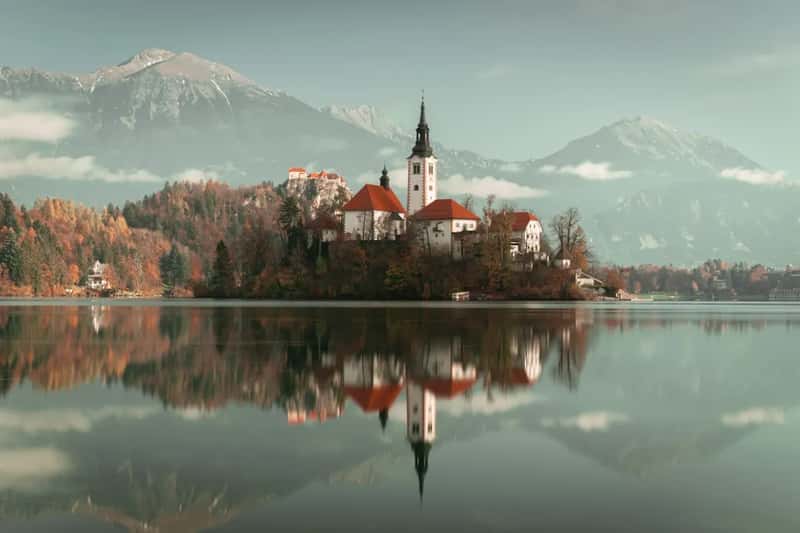
Slovenia has built a reputation as one of the safest and most underrated destinations in Central Europe. One of the former constituents of Yugoslavia, Slovenia has a high safety ranking that can be attributed to its excellent scores[5] across multiple safety categories, according to global rankings data. Its compact size and low population density contribute to a genuinely peaceful atmosphere for travelers exploring its lakes, mountains, and historic capital.
Slovenia’s placement among the global top ten is notable given how quickly Balkan countries have historically shifted in stability rankings. Its consistent scores reflect solid governance and a low crime rate, making it an easy, low-stress add-on for travelers already exploring Austria, Italy, or Croatia.
10. Finland
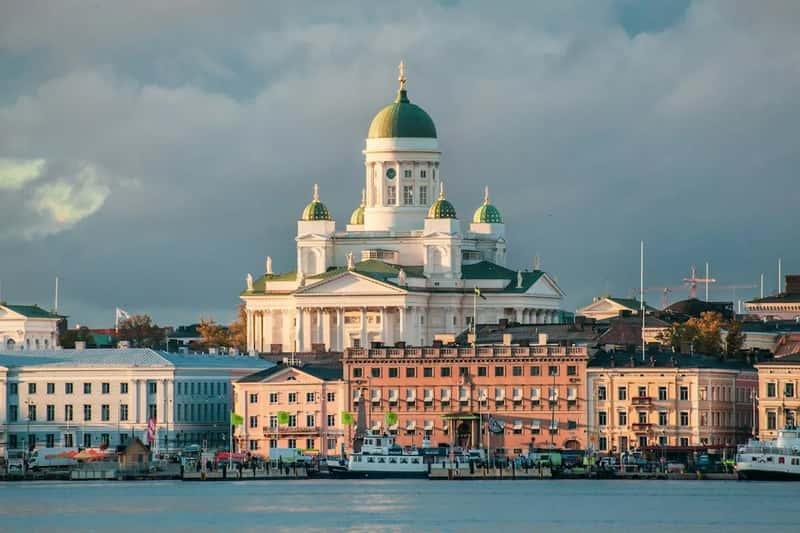
Finland rounds out the current top ten with a strong overall safety profile. As one of the Nordic nations, Norway, Sweden, Denmark, Iceland, and Finland rank among the 25 safest globally, most of them also being among the top 10 happiest nations worldwide.[5] Its vast, sparsely populated landscapes and well-funded public institutions make it a favorite for travelers seeking quiet, low-risk exploration.
Finland’s social model, built around strong public services and low income inequality, plays directly into its safety scores. Combined with minimal levels of violent crime and a highly trusted police force, Finland offers travelers a level of everyday security that rarely wavers, whether they’re visiting Helsinki or the remote Lapland region.
11. Czechia

Czechia closes out the top eleven, sitting just behind Finland in the 2025 rankings with a score of 1.435. According to the Institute for Economics and Peace’s 2025 poster ranking, Czechia climbed two positions this year, continuing a steady upward trend in peacefulness across the country. Prague and the country’s smaller towns are known for being walkable, well-policed, and generally low-risk for visitors.
Czechia’s improvement reflects a broader pattern seen across much of Central Europe, where political stability and manageable crime rates have kept the region relatively insulated from the instability affecting other parts of the world. For travelers, that means a country combining rich history and architecture with a genuinely comfortable safety profile.
1. Russia
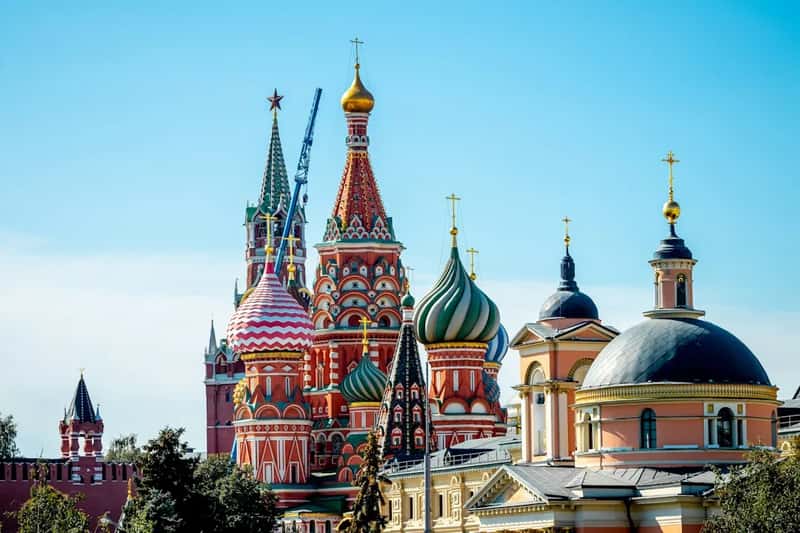
At the opposite end of the spectrum, Russia now holds the unwanted distinction of being the least peaceful country in the world. Russia ranks as the least peaceful country in the world for the first time, with the continuation of the war in Ukraine driving severe deteriorations in the Ongoing Conflict and Safety and Security domains.[7] That marks a historic shift, since Russia had never previously held the bottom spot.
The conflict’s reach has extended beyond Ukraine’s borders in ways that directly affect Russian territory. The conflict spilled across borders with the August 2024 Kursk offensive marking the first major combat inside Russian territory since the war began, and civilian unrest, internal violence and increased militarisation have further exacerbated instability.[7] For travelers, that combination of active warfare and internal instability makes Russia an environment to avoid entirely for the foreseeable future.
2. Ukraine
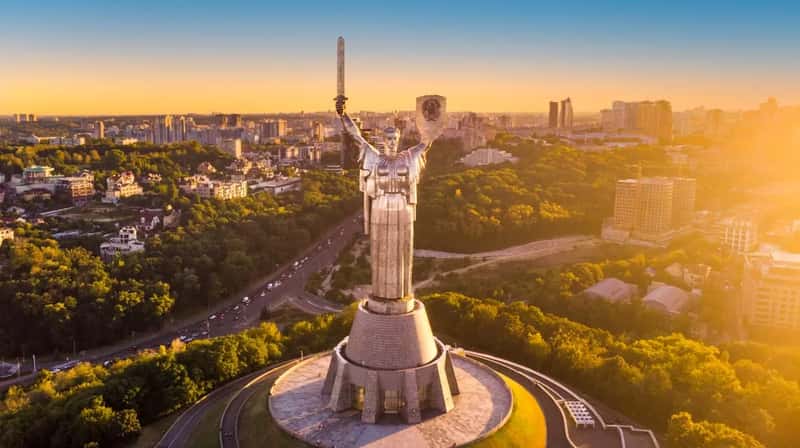
Ukraine sits just behind Russia in the rankings, a direct consequence of the ongoing war that has defined the country since 2022. The Eastern European country has been involved in the war against Ukraine since February 2022, when Russian troops invaded eastern Ukrainian territory.[8] Active combat, infrastructure damage, and displacement continue to make travel there extremely dangerous.
Ukraine’s instability didn’t begin with the full-scale invasion either. Before the Russian invasion, the Donbas region in eastern Ukraine had been the center of a civil war between the Ukrainian government and pro-Russian separatist forces since 2014.[8] That long history of conflict, layered on top of the current war, places Ukraine firmly among the least safe countries for any kind of travel right now.
3. Sudan
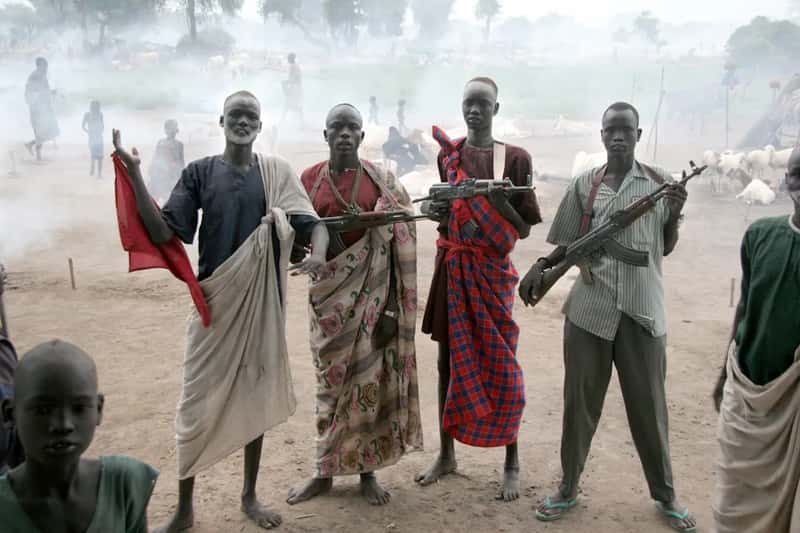
Sudan ranks among the world’s least peaceful nations amid an ongoing and devastating internal conflict. According to the 2025 Global Peace Index data, Sudan scored 3.323 points, placing it just behind Russia and Ukraine on the list of least peaceful countries. The country continues to face a severe humanitarian crisis driven by fighting between rival military factions.
Alongside active combat, Sudan is dealing with mass displacement and collapsing infrastructure in many regions. Common traits among the least peaceful countries include ongoing internal or external conflicts, weak or failing governance, high levels of militarisation, and severe humanitarian crises, and many are also theatres for internationalised conflicts, drawing in foreign actors and exacerbating instability.[7] That description fits Sudan closely, making it one of the least viable destinations anywhere on the map at the moment.
4. Democratic Republic of the Congo
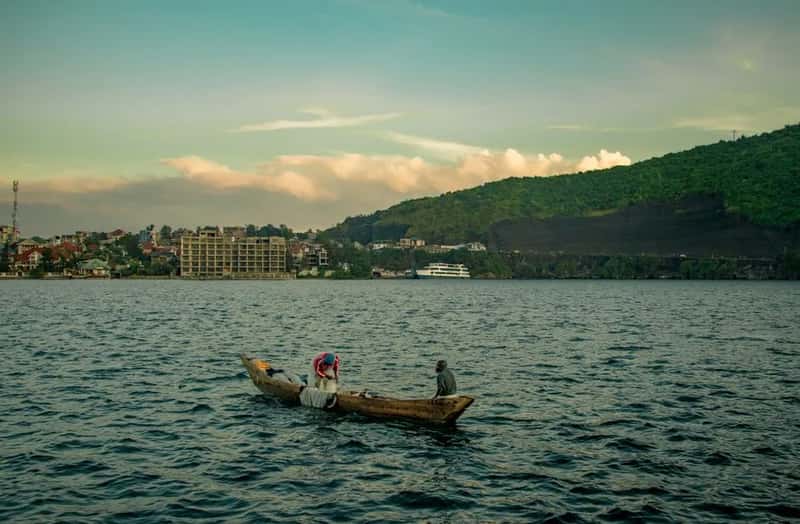
The Democratic Republic of the Congo remains deeply affected by long-running armed conflict in its eastern regions. With a 2025 score of 3.292 points, the country sits among the five least peaceful nations globally, reflecting years of instability tied to militia violence, resource conflicts, and weak state control in parts of the country.
The humanitarian toll of this instability has been severe, with millions displaced over the years due to fighting in the eastern provinces. Travelers are strongly advised to avoid the country entirely given the unpredictable nature of the violence and the limited capacity of local authorities to guarantee safety in affected areas.
5. Yemen
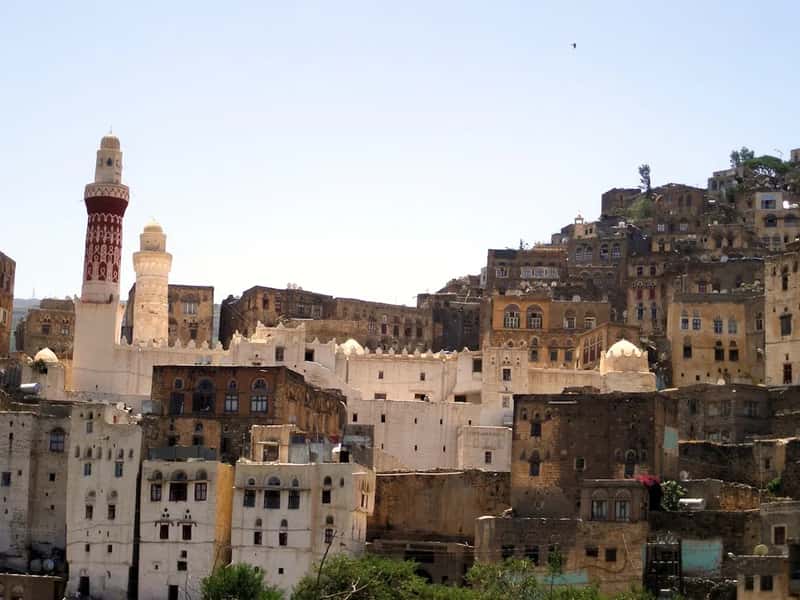
Yemen continues to rank among the world’s most dangerous countries after years of civil war and humanitarian catastrophe. Yemen rounds out the bottom five least peaceful countries[9] in the 2025 Global Peace Index, a position it has held for years running due to ongoing fighting and a fractured government.
The scale of the crisis in Yemen extends well beyond conflict casualties, touching food security, healthcare access, and basic infrastructure across large parts of the country. With active fighting still occurring in various regions and minimal functioning governance in many areas, Yemen remains firmly off-limits for travel of any kind.
6. Afghanistan
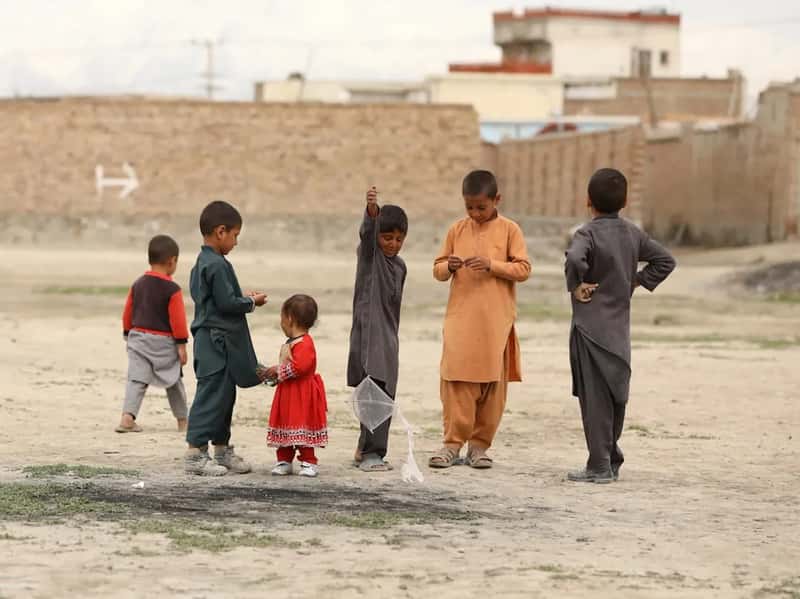
Afghanistan continues to rank among the least peaceful countries in the world, even as large-scale conflict has eased somewhat since 2021. Afghanistan remains “one of the most insecure and least peaceful countries in the world,” ranking 158th out of 163 nations in the 2025 Global Peace Index.[10] That places it just barely ahead of the very bottom of the rankings.
The underlying issues driving that instability haven’t gone away. Despite reductions in large-scale conflict since the Taliban takeover in 2021, violence and insecurity have not been fully eliminated, as weak governance, limited state capacity, and widespread access to arms continue to undermine societal safety and challenge the country’s stability.[10] Terrorism also remains a genuine concern, since extremist groups, particularly Islamic State-Khorasan, remain capable of launching high-casualty attacks and challenging authority across key regions.[10]
Taken together, these rankings tell a story of two very different worlds. The safest countries tend to share strong institutions, transparent governance, and a willingness to invest in social stability rather than military buildup. The least peaceful ones, on the other hand, are almost always shaped by active conflict, fragile governments, or both at once. For anyone planning international travel, checking a destination’s current standing on indexes like the Global Peace Index remains one of the simplest, most reliable habits worth building into the planning process.