Cruise vacations run on a kind of choreographed magic. Someone refills your coffee before you finish the first cup, someone folds your towel into a swan while you’re at dinner, and somehow the whole thing feels effortless. Behind that smooth surface, though, former crew members say there’s a much stricter, stranger world, one governed by rules passengers rarely hear about and details the cruise lines would rather keep quiet.
We spoke with the accounts of workers who’ve spent contracts on ships large and small, and combed through recent testimonials from people who left the industry and finally felt free to talk. What follows isn’t rumor or ship-deck gossip. It’s a collection of specific, verifiable practices that shape what actually happens on the other side of that “Crew Only” door.
1. Dating a passenger can get you fired on the spot

It sounds like a minor workplace policy, but it’s one of the most rigidly enforced rules at sea. Every crew member signs contracts explicitly forbidding romantic relationships with passengers, and getting caught means being off the ship at the next port, no exceptions, no appeals.[1] Cruise lawyers who work with maritime staff confirm the reasoning is straightforward.
Crew members are not allowed to pursue or engage in romantic or sexual relationships with guests while a cruise is in progress[2], largely because of the conflicts of interest it creates in such a closed environment. Despite the risk, it happens more than you’d think[1], according to people who’ve worked the ships. The rule exists precisely because temptation is built into the job.
2. There’s an entire second ship hidden beneath the one you’re on
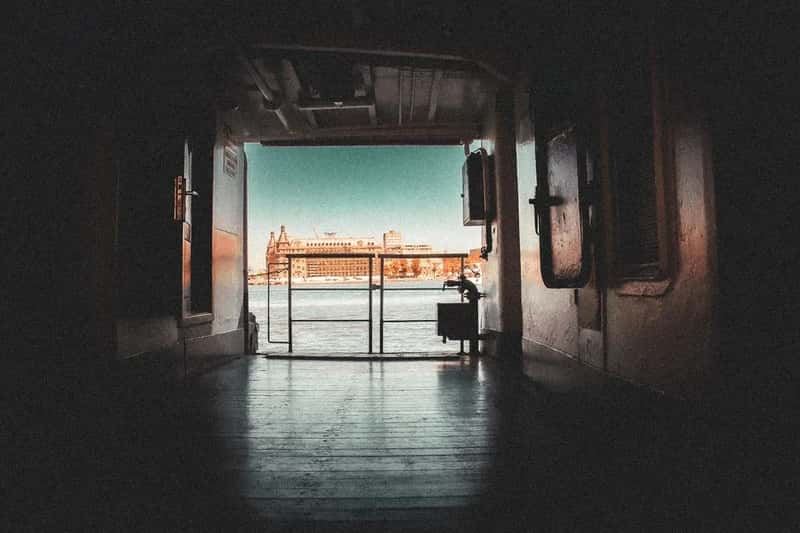
Passengers stroll through atriums and glass elevators, never guessing that a parallel structure exists just below their feet. Below the decks where guests sunbathe and dine, there’s a parallel version of the ship built purely for crew logistics, with a hidden network of crew-only areas, secret tunnels, stairways, and elevators that allow crew to move quickly between decks without disrupting guest activities.[3] On Royal Caribbean ships, this maze even has a nickname among staff.
Crew refer to this labyrinth as the ship’s own version of a highway system, a reference that’s stuck for years among workers who navigate it daily. It lets thousands of staff members move meals, luggage, and supplies without ever crossing paths with a single guest. Most passengers spend an entire week aboard without ever suspecting how much square footage exists that they’ll never see.
3. The gratuity system doesn’t work the way most guests assume

Automatic tipping feels like a fair, modern solution, but former staff describe a much murkier reality underneath it. One cruise ship photographer who spent three contracts at sea recalled that her cabin steward, who worked sixteen-hour days keeping twenty-five rooms spotless, took home less than 600 dollars monthly after the cruise line’s deductions, while the corporation reported the full gratuity amount as crew compensation to regulators.[4] That gap between what’s reported and what actually lands in a worker’s pocket rarely makes it into a brochure.
Cash tips aren’t necessarily safer for staff either. Cash tips handed directly to crew members face their own challenges, since some ships forbid crew from keeping cash and require them to turn it in for pooling, while others allow it but create environments where refusing to share with supervisors carries consequences.[4] It’s a system built around goodwill on paper, but far more complicated in practice.
4. Every ship carries a small morgue
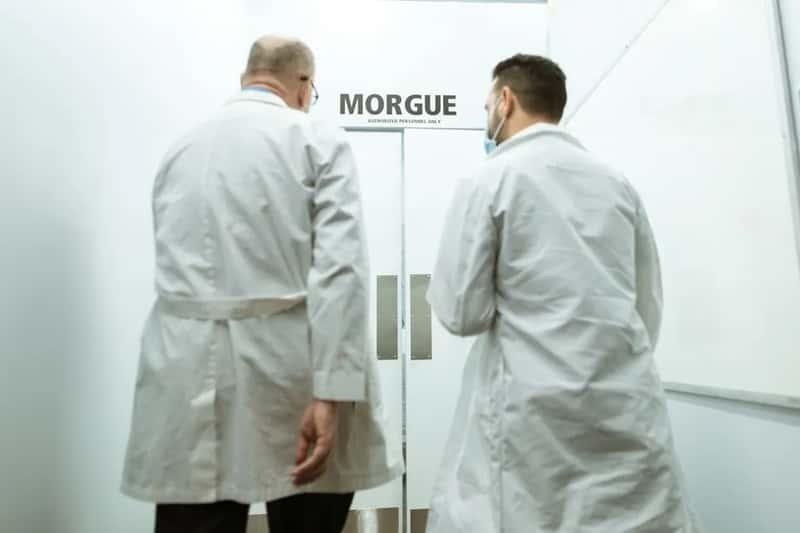
It’s not something anyone wants to think about on vacation, but it’s a practical necessity for vessels that spend weeks at sea. Death at sea is far more common than cruise lines would ever advertise, and every ship has a morgue, usually with space for three to four bodies.[1] With thousands of passengers aboard, many of them older travelers on long voyages, a small onboard morgue is simply part of responsible planning rather than anything sinister.
The existence of these spaces rarely comes up in cruise line marketing, understandably. Former crew describe them as tucked away in medical or lower deck areas, functional rather than dramatic, another quiet piece of infrastructure passengers walk past without knowing it’s there. It underscores just how much a modern cruise ship operates like a self-contained small city, complete with the unglamorous systems every city needs.
5. There’s a reporting threshold before an illness outbreak becomes public

Norovirus outbreaks occasionally make headlines, but former staff say the public only hears about the ones that cross a specific line. One crew member described the policy plainly, explaining that “we only have to notify authorities if more than 3% of passengers fall ill,”[4] before pointing out what that actually means in practice on a large ship. On a vessel carrying a few thousand guests, that threshold can allow dozens of people to become sick before any official notification is required.
This isn’t a secret conspiracy so much as a regulatory standard set by health authorities like the CDC’s Vessel Sanitation Program, but it’s rarely explained to passengers in plain terms. Knowing the threshold exists helps explain why a “clean” looking cruise can still involve pockets of illness that never become public news. It also puts extra weight on the small, unglamorous act of using hand sanitizer stations, which crew genuinely do want passengers to take seriously.
6. Crew members can’t eat the food left on your plate, even if it’s untouched
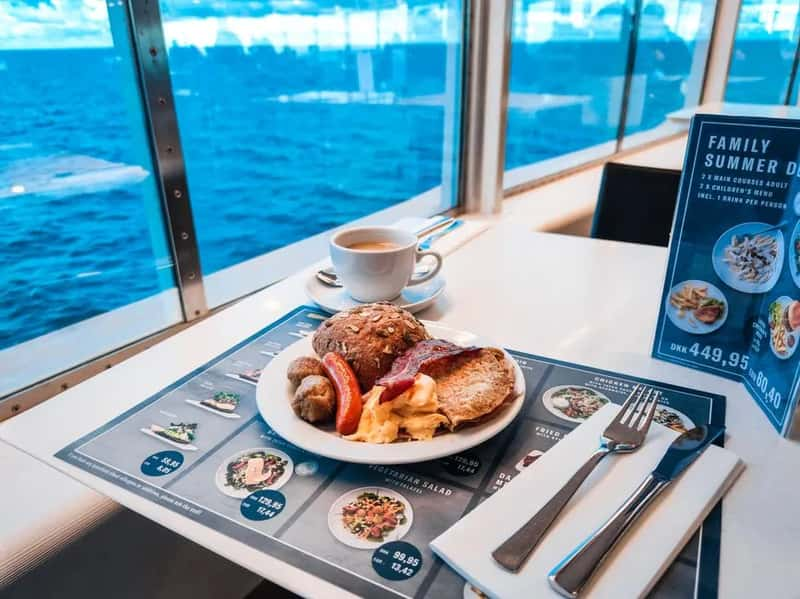
The sheer volume of food waste on a large ship is staggering, and it comes with a rule that surprises most people. Kitchen staff throw away literal tons of perfectly edible food every single day, bound by health regulations that prohibit reuse even when the food hasn’t been touched, with a single large cruise ship generating over 7 tons of food waste daily.[5] That figure includes everything from barely touched entrees to elaborate ice sculptures that simply melt away.
What stings more for many workers is what happens on their side of the kitchen. The crew is forbidden from eating passenger food, even untouched items must go straight to the garbage, while staff subsist on lower grade provisions in their own mess halls.[5] It’s a health and liability rule rather than pettiness, but it creates an odd contrast between the buffet’s abundance and the crew mess a few decks away.
7. A serious medical emergency can mean an expensive evacuation, not just a doctor visit

Cruise ships carry medical staff and basic equipment, but their capabilities have real limits once weather or geography gets involved. The glossy brochures don’t mention what happens when serious medical emergencies strike, since ships carry basic medical supplies and staff, but anything requiring advanced care means evacuation at the passenger’s expense.[4] That can mean a helicopter transfer to the nearest hospital, arranged quickly and often at significant personal cost if travel insurance isn’t in place.
Former crew say this is one of the more uncomfortable conversations they’re trained to navigate carefully, since panicking a guest doesn’t help anyone. It’s also one of the strongest arguments industry veterans make for buying travel insurance before sailing, regardless of how healthy someone feels boarding the ship. The sea is a lot farther from a hospital than a cruise brochure photo ever suggests.
8. Staff are trained to quietly profile passengers all day long
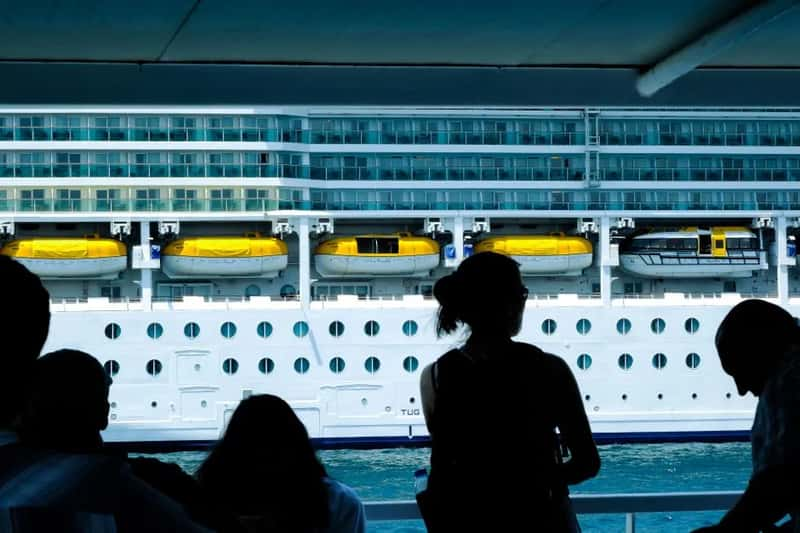
That friendly bartender or attentive server isn’t only making conversation. Security cameras cover virtually every public space, and crew members are trained to spot everything from potential jumpers to passengers trying to smuggle drugs aboard, developing an almost supernatural ability to read body language and identify trouble before it starts.[1] It’s a skill built through repetition, thousands of faces over dozens of contracts, until certain patterns become second nature.
The friendliness is genuine, but it’s layered with awareness. That friendly bartender making small talk is also assessing whether you’re going to be a problem three drinks from now.[1] Guests rarely think about the fact that hospitality and vigilance are happening at the exact same time, delivered with the same easy smile.
9. Personal appearance and behavior are tightly controlled off duty too
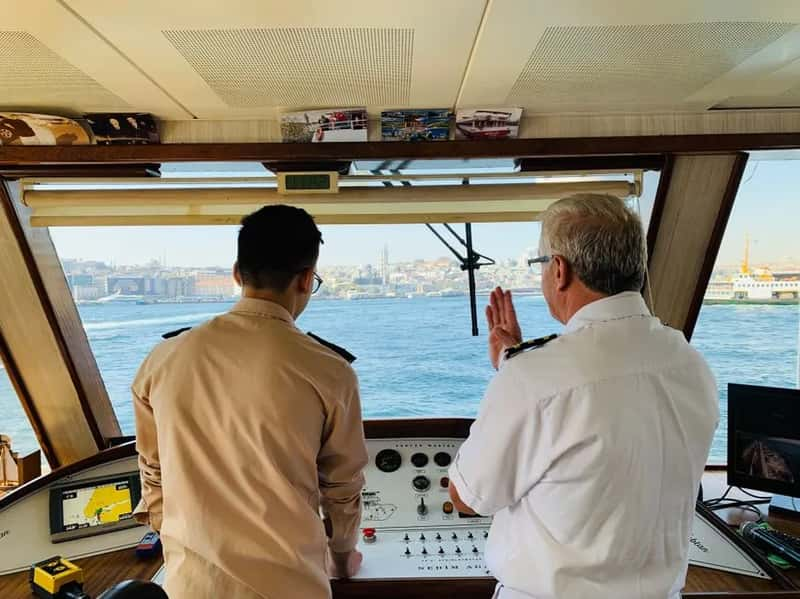
Crew life comes with rules that extend well past working hours, something passengers rarely consider when they see staff relaxing on a rare break. Every crew member must maintain a polished, professional appearance, with spotless uniforms, neatly styled hair, and tattoos often covered, while piercings, extreme hairstyles, and heavy jewellery are usually not permitted, creating a consistent and professional brand image for the cruise line.[6] Some lines have loosened these standards recently, but most mainstream operators still hold firm to them.
Conduct standards are just as strict. Crew are expected to uphold strict standards of conduct at all times, and drinking to excess, using offensive language, getting into fights, or engaging in theft is completely prohibited, behaviors that can result in instant termination and even legal action.[6] For workers living and sleeping just steps from their job for months at a stretch, that leaves very little room to fully switch off.
10. Your cabin isn’t randomly assigned, even when it feels that way
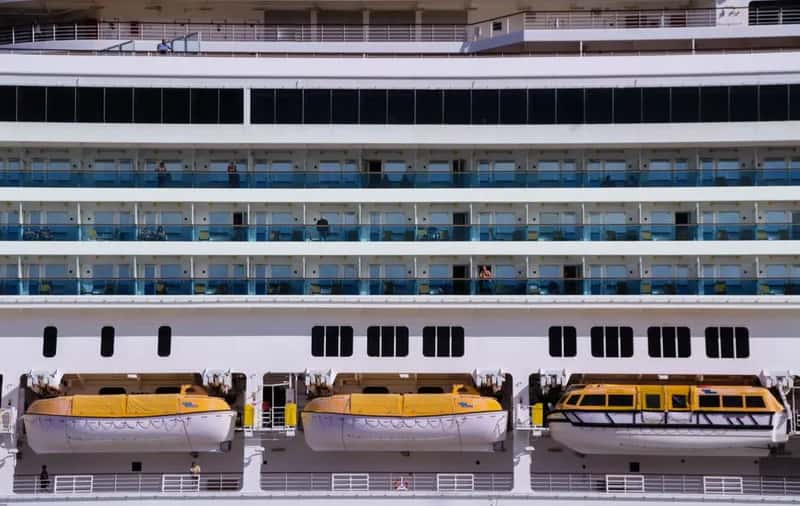
Travelers who book a “guarantee” fare, the type where the cruise line picks your room, often assume it’s a lottery of sorts. Former crew describe something more calculated happening behind the scenes. These are fares where guests don’t choose their own cabin and the cruise line allocates one in the category booked, and crew say cabin allocation is normally handled by a department known as Revenue Management.[7] That means pricing strategy, occupancy targets, and inventory planning are quietly deciding where you sleep.
It also explains a pattern many repeat cruisers have noticed anecdotally, that certain cabins seem to draw complaints more consistently than others. Crew members who’ve worked guest services say staff often recognize a problem cabin the moment a complaint call comes in, based on prior history with that exact room. It’s a small window into how much operational logic runs quietly underneath a booking that feels, on the surface, like pure chance.
11. Crew build entire relationships and inside jokes about passengers they’ll never see again

With thousands of guests cycling through a ship every week, crew members develop their own private ways of processing the constant turnover. Passengers picture crew members as cheerful servants who disappear into some mysterious netherworld when their shift ends, but staff create narratives and characters from the thousands of faces that pass through their lives, not maliciously, simply as a way to stay sane, and dramatic moments like a couple arguing at dinner can become minor celebrities in the crew mess, dissected over late night drinks.[1] It’s less gossip than a coping mechanism for an unusually intense, transient kind of work.
There’s also a quieter social split many outsiders never learn about. Many sailors across departments have both land families and ship families, and cruise ships tend to have far more hidden spaces and corridors than an average passenger ever sees.[8] Those relationships, built over consecutive contracts with the same coworkers, often shape a crew member’s experience at sea more than any single passenger interaction does.
Taken together, these details don’t paint cruise ships as sinister so much as intensely regulated, tightly run operations where almost nothing happens by accident. The polished experience passengers pay for is real, but it sits directly on top of strict contracts, safety thresholds, and logistical systems most guests never think to ask about. Knowing a little more about what’s happening below deck doesn’t ruin the vacation. If anything, it makes the whole operation a bit more impressive.