Cruise vacations run on choreography. Every towel animal, dinner seating, and shore excursion feels effortless because thousands of small rules keep the ship moving smoothly behind the curtain. Most of those rules are harmless logistics, but a handful touch on things cruise lines would rather guests never think too hard about.
Former crew members, speaking after their contracts ended, have started filling in the gaps that company handbooks leave blank. What follows isn’t gossip pulled from anonymous forums. It’s a look at five specific policies and practices, backed by public health data, labor patterns, and the accounts of people who actually worked the decks below the guest cabins.
1. Crew Are Contractually Barred From Romance With Passengers
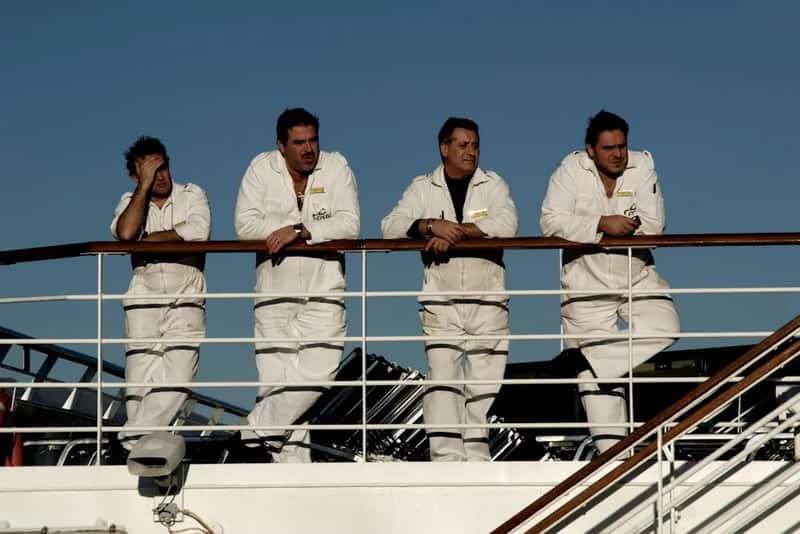
This is the rule every cruise line enforces without exception, and it’s not subtle once you know it exists. Crew members are absolutely forbidden from having romantic or sexual relationships with guests during their contract, and cruise lines enforce this to maintain professionalism, avoid favouritism, and protect both guests and staff.[1] Break it, and there’s no warning shot. Anyone caught breaking this rule can be dismissed immediately and disembarked at the next port.[1]
The policy sounds strict because it is, but crew members say it exists for practical reasons rather than corporate prudishness. A maritime attorney who frequently comments on cruise industry practices has described it as “one of the biggest no-nos on any cruise ship”[2] precisely because a crew member-passenger relationship creates conflicts of interest that can spiral into legal and safety headaches once the ship is at sea. Even flirting can get flagged, since supervisors are trained to intervene before anything develops further.
2. Pay Depends on Where You’re From, Not Just What You Do
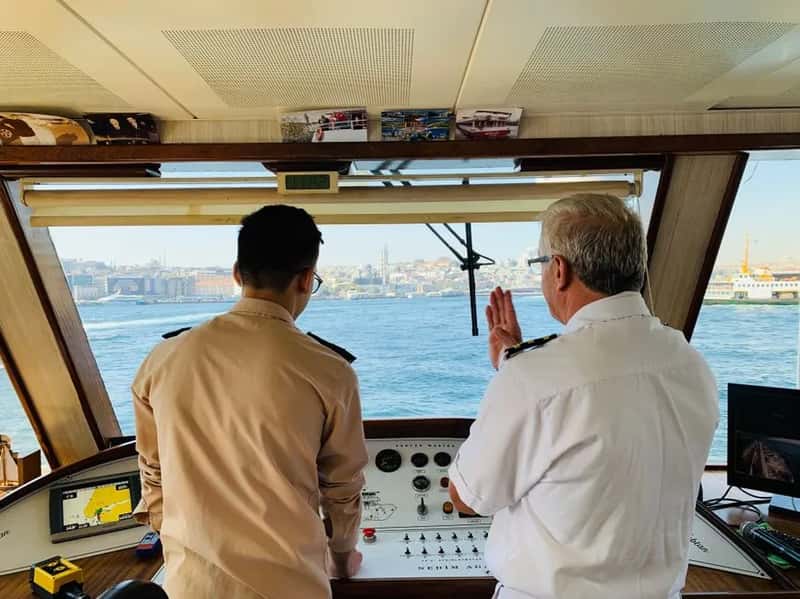
Ask two crew members doing the identical job on the same ship what they earn, and you might get two very different numbers. One longtime cruiser learned this directly from a senior crew member over dinner, discovering that cruise ship crew doing the same job at the same level were not paid the same, but were paid based on where they came from, so a crew member from the USA is paid a different rate than those from the Philippines doing the same role.[3] It’s not a rumor confined to one ship or one line either; it reflects how cruise companies structure wages around the cost of living and labor markets in a crew member’s home country.
This pay structure rarely comes up in glossy recruitment materials, and passengers who chat with their cabin steward or waiter almost never hear about it directly. It’s less a secret staff are told to hide and more one nobody volunteers, since bringing up wage disparities with the people currently serving your dinner tends to feel awkward for everyone involved. Still, it shapes daily life onboard in ways guests rarely consider, from who can afford to send money home each month to who stays in the industry for decades versus a single contract.
3. There’s an Entire Hidden Ship Most Passengers Never See
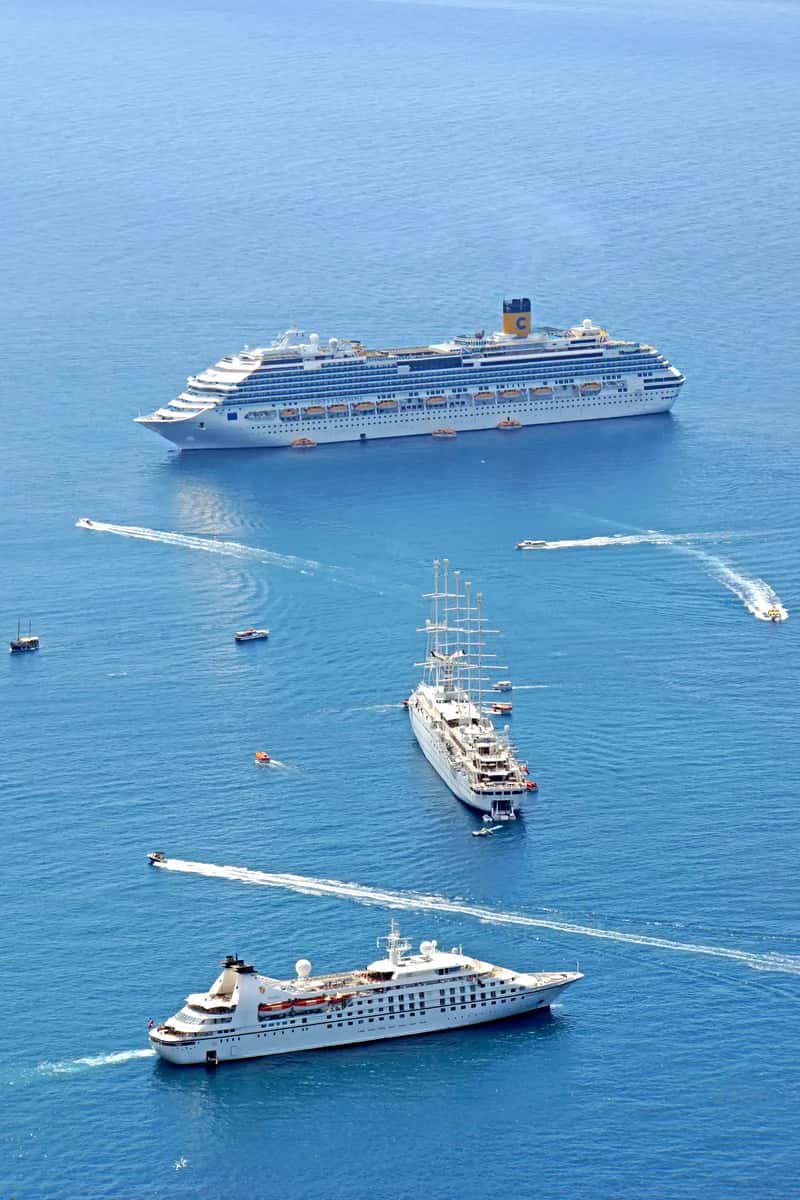
Below the decks where guests sunbathe and dine, there’s a parallel version of the ship built purely for crew logistics. While passengers navigate the public areas of the ship using grand staircases and scenic glass elevators, cruise ship workers have access to a hidden network of crew-only areas designed for efficiency, with secret tunnels, stairways, and elevators that allow crew to move quickly between decks without disrupting guest activities, often referred to as “I-95” on Royal Caribbean and other lines, running the length of the ship.[4] Most crew members spend the bulk of their working hours in this network and rarely set foot in guest areas outside of their specific job.
The separation goes beyond just hallways. The crew lives in a hidden “ship within a ship,” and many never leave it, as very few crew members have passenger deck privileges or can use guest facilities, with typically only senior crew, the entertainment team, and some concession staff able to access things like the buffet.[3] It’s a practical system for keeping a floating city of thousands running smoothly, but it also means the friendly bartender pouring your cocktail likely goes home each night to a windowless cabin in a completely different world than the one you’re vacationing in.
4. Outbreaks Onboard Don’t Always Make Headlines
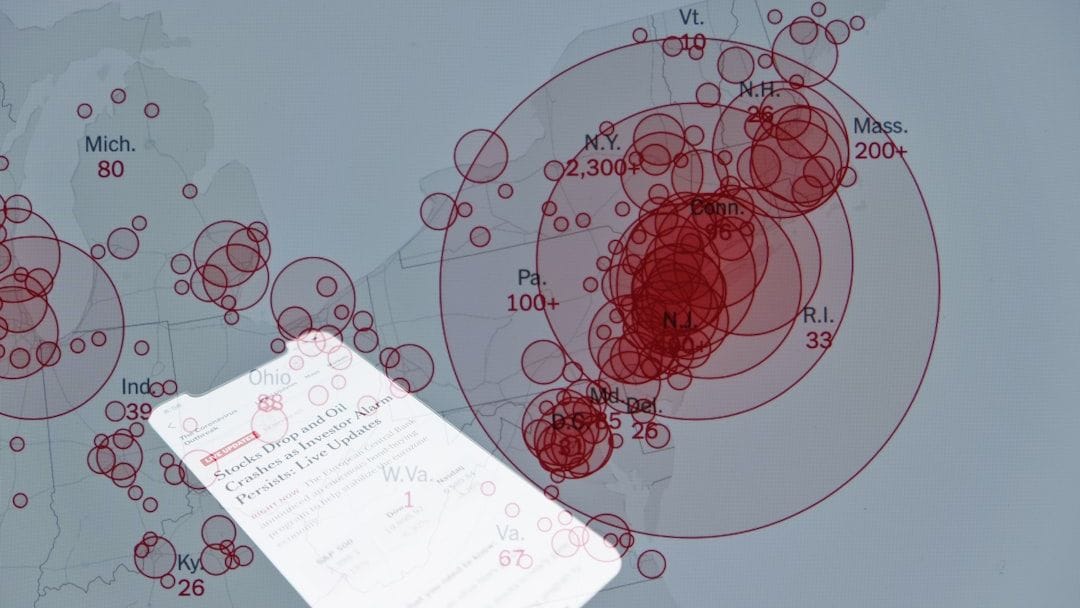
Gastrointestinal illness on cruise ships gets covered in the news when it hits a specific, publicly disclosed threshold, and that threshold is higher than most passengers assume. According to the CDC’s Vessel Sanitation Program, an outbreak is when 3% or more of a cruise ship’s passengers or crew have specific gastrointestinal symptoms.[5] That means a ship can have a meaningful number of sick people onboard without ever triggering a public notification, since the case count simply hasn’t crossed that line yet.
The math matters more on today’s larger ships. A recent Royal Caribbean outbreak illustrates the scale involved: 134 of the ship’s 3,914 passengers and seven of its 1,266 crew members reported symptoms of gastrointestinal illness during the cruise.[6] Context helps too. The CDC emphasizes that ships account for just 1% of all norovirus outbreaks in the United States,[6] so the illness is far more common on land than the cruise industry’s reputation suggests, but the reporting threshold does mean smaller clusters can go unmentioned publicly while medical staff quietly manage them onboard.
5. Tons of Untouched Food Get Thrown Away Every Single Day
Buffets that look infinite have a less glamorous flip side once the serving trays go back to the kitchen. Health regulations require that cooked food sitting out for guest service gets discarded after a set time, regardless of whether anyone touched it, and crew members who’ve worked in ship galleys describe watching untouched trays of premium items go straight into waste bins. Industry estimates cited by former crew suggest a single large cruise ship generates over 7 tons of food waste daily,[7] a figure that includes everything from unused bread baskets to elaborate ice sculptures that are decorative rather than edible in the first place.
Adding a layer many passengers don’t expect, crew typically aren’t permitted to eat leftover guest food even when it’s untouched. Health and safety rules on most ships require that once food has been part of guest service, it’s treated as waste rather than redirected to crew mess halls, so staff eat from separate menus and separate supplies entirely. It’s one of those policies that makes sense on paper, tied to food safety liability, but that former workers say feels wasteful in practice, especially aboard ships carrying staff from countries where food scarcity is a lived reality rather than an abstraction.