You’ve flown before. You know the drill. Show up, check in, find your gate, wait. But the person standing behind that podium? They’re watching an entirely different movie play out – one where the same avoidable mistakes repeat dozens of times every single day. And a surprising number of those mistakes are hitting travelers over 60 the hardest, costing them real comfort, real time, and perks they never knew were theirs for the asking.
Gate agents have more power and more insider knowledge than most passengers ever suspect – but only travelers who understand how to work with them actually see the benefit. Some of what’s on this list will genuinely surprise you. A few things might make you wish you’d known years ago.
#11 – You Can Ask for Pre-Boarding Without Any Paperwork or Excuse
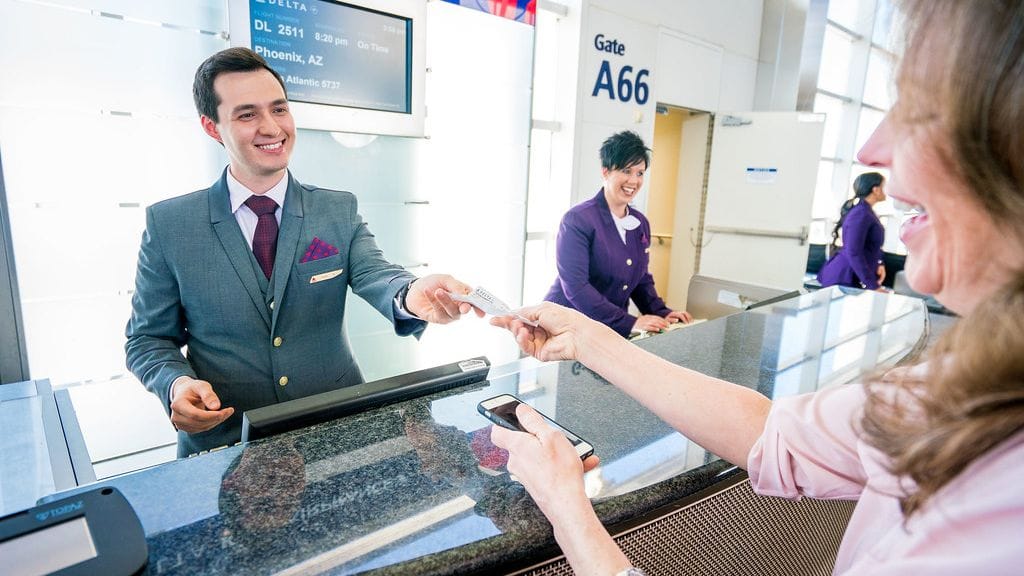
This is one of the most overlooked facts in air travel for seniors, and it’s almost embarrassingly simple. If you need extra time getting to your seat – whether you’re traveling with a mobility aid or just prefer a slower pace – you can board early. Airlines actually encourage it, because it keeps the aisle from turning into a traffic jam. No doctor’s note. No formal paperwork. Just walk up to the gate agent before boarding begins and say you need a little extra time.
Most people over 60 never ask because they don’t think they qualify. They absolutely do. The words that work: “I’d like to request pre-boarding due to mobility needs.” That gets you onto the plane ahead of the crowds, first crack at overhead bin space, and time to settle without anyone pressing behind you. Most airlines also let one travel companion pre-board with you. It’s a genuinely significant perk – and gate agents are standing there waiting for someone to ask for it.
At a Glance
- No paperwork, doctor’s note, or formal disability required to request pre-boarding
- One travel companion is typically allowed to board with you
- Pre-boarding gives you first access to overhead bin space
- The phrase that works: “I’d like to request pre-boarding due to mobility needs”
- Ask before boarding starts – not after the gate agent picks up the mic
#10 – Boarding Time Is the Worst Possible Moment to Approach the Podium
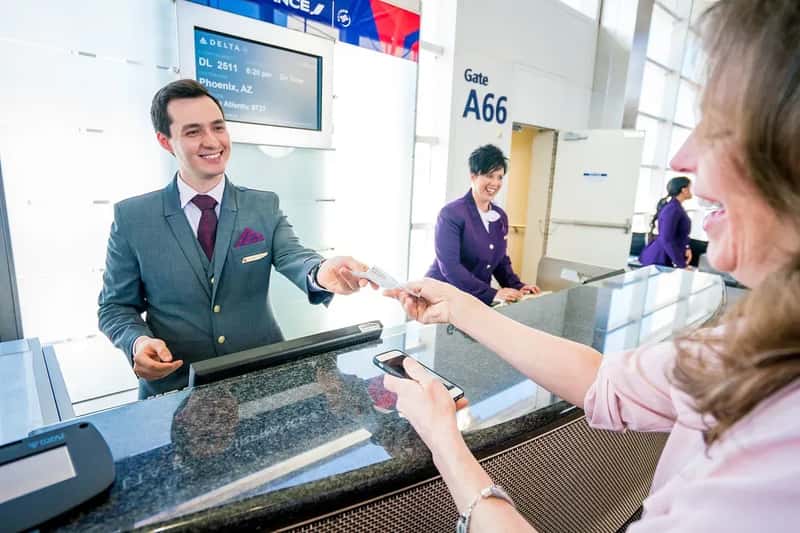
Here’s where a lot of older travelers burn their one good shot at getting help. A seat concern, a connection question, a last-minute request – and they wait until boarding has already started to walk up. That’s the single worst window to pick. The moment boarding begins, gate agents are simultaneously talking to flight attendants, pilots, ramp crews, and operations, all while running against a countdown clock they cannot stop.
The golden window is about 30 minutes before boarding starts. Before the rush, agents are genuinely happy to help – seat swaps, early boarding requests, connection concerns, whatever you need. Give them a few minutes to log in and review the flight when they first arrive at the gate, then approach. That half-hour window is where most of the real favors get done. After it closes, you’re competing with a clock, and the clock almost always wins.
#9 – The Agent Who Won’t Look Up from the Screen Is Actually Helping You
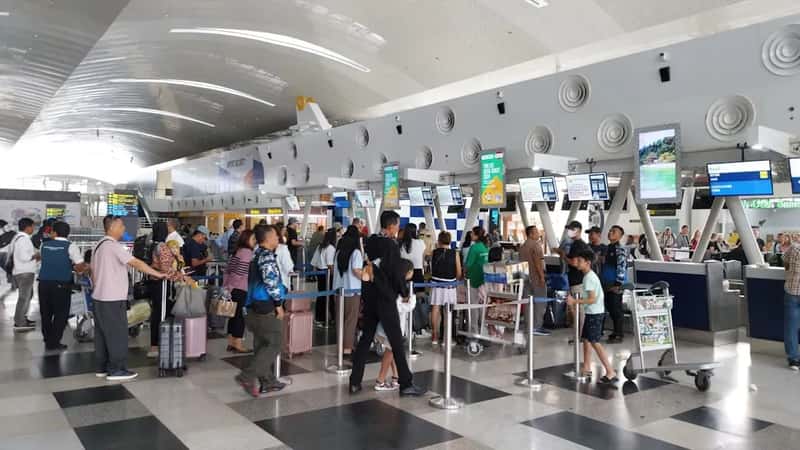
It reads as dismissive. A gate agent hunched over the keyboard, barely making eye contact, tapping away at what looks like a 1997 computer – it’s easy to feel ignored. But that frantic typing is doing a tremendous amount of work. In those few minutes, agents are assigning seats, tracking connecting passengers, coordinating wheelchair assistance, managing unaccompanied minors, and preparing paperwork the pilots need before they can push back.
Gate agents are also physically responsible for parts of the turnaround – including operating the jetway. From the moment an incoming flight arrives to the moment your plane pushes away from the gate, they’re holding together dozens of moving pieces at once. The agent who seems “checked out” is often the one keeping your flight on schedule. A little patience in those moments tends to come back around when you actually need something from them.
#8 – Your Behavior at the Gate Goes Into Your Passenger Record

This one surprises people every time. What you say and how you act at the gate doesn’t evaporate when the door closes. Agents can and do add comments to a traveler’s record – and that documentation follows your booking profile across future flights. A history of disruptive behavior can make you more likely to get bumped during irregular operations. It’s not a personal grudge. It’s a pattern that the system quietly tracks.
The flip side is just as real, and more useful to know. Gate agents have genuine flexibility in how they prioritize passengers, issue delay vouchers, and escalate requests to supervisors – and they use that flexibility in favor of travelers who are calm, prepared, and respectful. For anyone over 60 who may need a seat swap, an early board, or some connection grace, your tone at that podium is one of the most powerful tools you’re carrying. Use it well.
Worth Knowing
- Notes added to your record are visible the moment any agent pulls up your name
- Disruptive behavior can increase your chances of being bumped during irregular operations
- Agents can flag positive interactions too – and they do
- Delay vouchers, seat upgrades, and rebooking priority are all within an agent’s discretion
- Years of respectful travel quietly builds a favorable profile in your file
#7 – A Free Gate Pass Lets Someone Walk You All the Way to the Gate
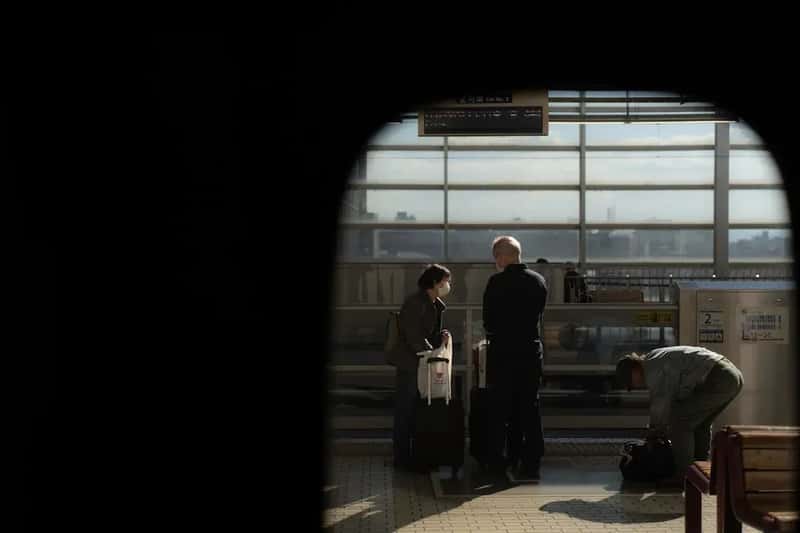
Almost nobody knows this exists. If you’re traveling alone and want a family member or friend to walk with you through security and all the way to the gate, that is actually allowed through airline escort passes – and for eligible situations, it’s free. Airlines including Alaska, American, Delta, JetBlue, Southwest, and United issue escort passes to companions assisting seniors, passengers with disabilities, or unaccompanied minors. The passes are issued at the ticket counter, subject to TSA screening and airline approval.
United, for example, allows companions to receive a security pass at the ticket counter – meaning they can go through screening with you, walk you to the gate, and stay until you board. Beyond airline escort passes, a growing number of airports now also offer their own visitor pass programs: SFO launched its Gate Explorer program, Detroit Metro offers the Destination Pass, and San Antonio International launched a SAT Pass in early 2025. Most older travelers and their families have no idea these options exist. Request an escort pass when you check in, explain the situation, and in most cases it’s approved without friction.
#6 – Power Banks Cannot Go Into a Gate-Checked Bag, No Exceptions

This one creates real chaos at the worst possible moment. A carry-on gets tagged for gate-checking at the last minute, and suddenly the passenger is trying to remember whether their power bank is buried at the bottom. The TSA and FAA are unambiguous: portable chargers and spare lithium batteries must stay in the cabin with you. If a bag gets checked at the gate or planeside, those items have to come out before the bag goes under the plane – no exceptions.
The rule has teeth, and it’s getting stricter. The FAA logged 89 lithium battery incidents in 2024 – a record high at that time – and regulators have been tightening requirements ever since. For travelers over 60 who rely on devices like portable CPAP machines, hearing aid chargers, or medical monitoring equipment, this rule has immediate practical consequences. The easy fix is keeping all battery-powered items together in a small pouch you can pull out in seconds. Gate agents cannot make exceptions to FAA regulations, and finding this out mid-boarding is a stressful way to learn it.
Fast Facts
- Power banks and spare lithium batteries are banned from all checked baggage – carry-on only, per TSA and FAA rules
- Batteries under 100 Wh are allowed in carry-on freely; 101–160 Wh require airline approval
- Electronic cigarettes (which use lithium batteries) must also travel in the cabin, not checked bags
- Southwest now requires power banks in active use to be visible – not stowed in a bag – during flight
- Keep all battery items in one easy-access pouch so you can pull them out instantly at the gate
#5 – Morning Flights Are Genuinely Better, and Gate Agents See It Every Day

Most people choose their flight time based on price or convenience. But the people working the gate will tell you the time of day shapes the entire experience – because delays compound as the day goes on. Every late departure somewhere in the country creates a ripple that hits afternoon and evening flights hard. The morning crowd is calmer. The gate is quieter. The problems haven’t stacked up yet.
The numbers back this up. In 2024, nearly 1.7 million flights were delayed or canceled out of 7.5 million scheduled – making it the second-worst on-time performance year in the past decade. Almost 1 in 4 U.S. flights ran late or was canceled. The first flight out of any airport in the morning is almost never caught in the delay cascade, because there’s no cascade yet to catch. For travelers over 60 who find long, unpredictable waits draining or stressful, this single scheduling choice – picking the early departure – can quietly change everything about how a travel day feels.
#4 – Wheelchair Assistance Unlocks Far More Than Just a Ride
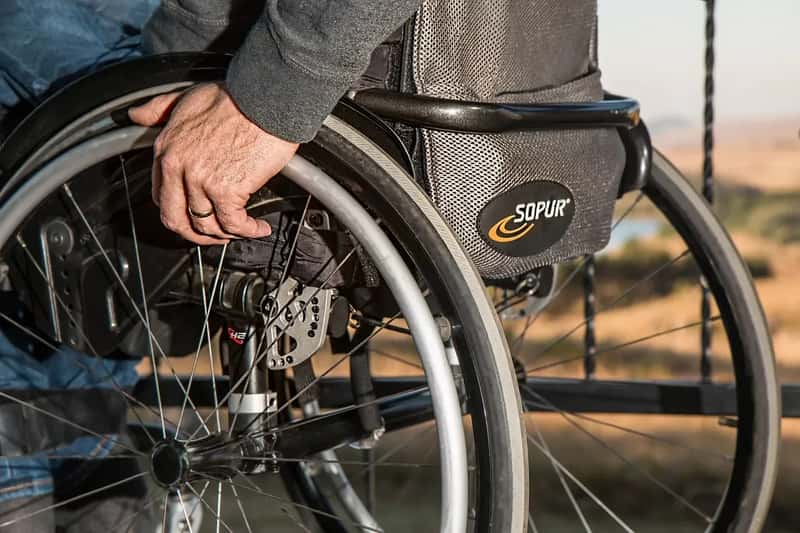
A lot of older travelers hesitate here. They feel like they don’t need it enough to justify asking, or they worry it looks like gaming the system. But the Air Carrier Access Act makes wheelchair and ambulatory assistance a legal right – not a special favor – for passengers who need it, regardless of visible disability. That right includes escort through security, help with carry-ons, expedited processing, and priority boarding. No medical documentation required beyond making the request.
What that access unlocks in practice goes well beyond a comfortable ride through the terminal. Requesting wheelchair assistance means you board first, with a full escort from check-in to gate, and you get first access to overhead storage, pillows, blankets, and time to settle before the cabin fills. Flight attendants are trained to follow up with passengers who need assistance – but only if they’ve been told ahead of time. Let the gate agent know before boarding so the crew can check in with you. The whole system is set up to help. It just needs you to activate it.
Quick Compare
- Without assistance request: General boarding, crowded aisle, overhead bins may be full
- With wheelchair assistance: Escort from check-in, priority boarding, bin space reserved early
- Documentation needed: None – a verbal request is sufficient under the Air Carrier Access Act
- Who qualifies: Anyone who needs extra time or help navigating – visible disability is not required
#3 – Arriving Late to a Boarding Gate Can Cost You the Seat for Good
Most travelers assume that a confirmed ticket means that seat is theirs no matter what. That assumption collapses fast at a busy gate. If boarding has finished before you arrive, there’s a real chance the agent has already reassigned your seat to a standby passenger. Before closing the door, agents must finalize paperwork that includes all passengers plus weight and balance data the pilots use for flight calculations. Adding a late passenger means redoing that paperwork – and delaying an already-moving flight.
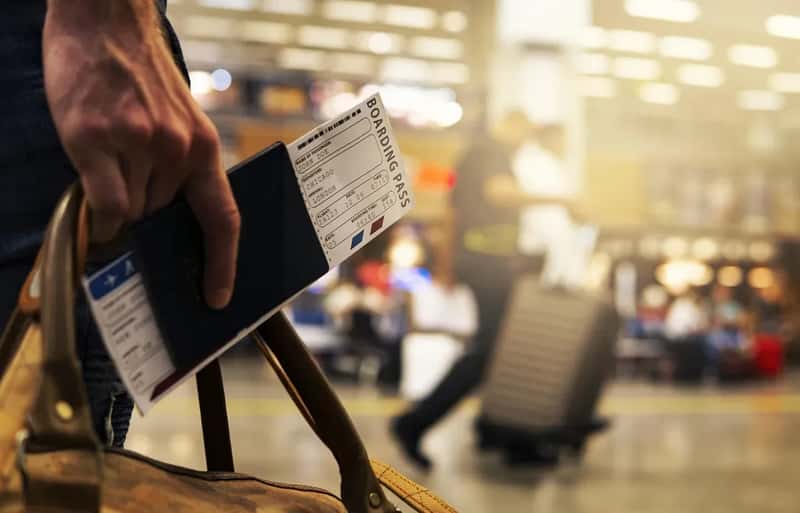
This matters especially for travelers navigating large airports or long distances between terminals. Boarding moves faster than it feels like it will, and gate agents are coordinating with crew even as they’re scanning boarding passes. Have your boarding pass pulled up and your ID ready before you reach the podium – not after. Being ten minutes late to a gate on a full flight isn’t a minor inconvenience. It can mean you simply don’t make the flight. The door closes, the jetway retracts, and the plane leaves without you.
#2 – Asking Politely, at the Right Moment, Is the Master Key Most Seniors Never Use

The single most consistent thing gate agents say when asked what separates travelers who get help from those who don’t: it comes down to how and when they ask. Most older travelers either don’t ask for anything at all, or they wait until frustration has already crept into their voice. Both approaches leave real benefits sitting unclaimed. Airlines allocate a limited number of meal vouchers, hotel rooms, and rebooking slots – and agents distribute them on a first-come, first-served basis to passengers who ask calmly and early.
The secret isn’t status or luck. It’s tone. Agents have genuine flexibility to approve accommodations, seat changes, lounge access during delays, and rebooking priority – but only if the traveler asks directly and without hostility. “Do you offer early boarding for seniors?” asked with a smile is one of the highest-return phrases in air travel. The travelers who consistently walk away with the good outcomes aren’t luckier. They’re just asking the right question at the right moment, in the right way.
#1 – Gate Agents Can See Your Entire Travel History the Second They Pull Up Your Name
This is the one that reframes every airport interaction you’ve ever had. The moment a gate agent types your name into their system, they see far more than your seat assignment. Your loyalty tier, travel history, special service notes, meal preferences, past complaints, and any flags added by previous agents – it’s all there, instantly visible. Frequent fliers often rush to mention their status at the podium. Agents already know. They saw it the second your name appeared on the screen.
For travelers over 60, this cuts both ways. A history of disruptive behavior quietly follows you from flight to flight and can affect how much flexibility an agent extends when things go sideways. But the reverse is equally true: a record of being a calm, easy, respectful traveler is visible in that same file, and agents are human beings making judgment calls under pressure all day long. The system doesn’t just track the bad. It notices the good, too – and the travelers who’ve spent years treating gate agents like partners rather than obstacles tend to find that the system has a long, quiet memory in their favor.
Worth Knowing
- Your loyalty tier, past complaints, and special service notes are all visible the moment your name is entered
- Agents don’t need you to announce your status – they already see it
- Positive notes from previous agents can tip discretionary decisions in your favor
- Special assistance requests made on past flights often carry forward automatically
- How you’ve treated agents historically is part of the picture agents see when deciding how to help you today
The gap between a smooth flight and a miserable one usually has nothing to do with the airline or the airport. It has to do with what you know and how you show up at that gate. The travelers over 60 who move through airports with the most ease almost always share the same habits: they ask early, they stay calm, they know their rights, and they understand that the person behind the podium is genuinely on their side – when given the chance to be. Almost everything on this list costs nothing. Just a little awareness, and a willingness to speak up at the right moment.