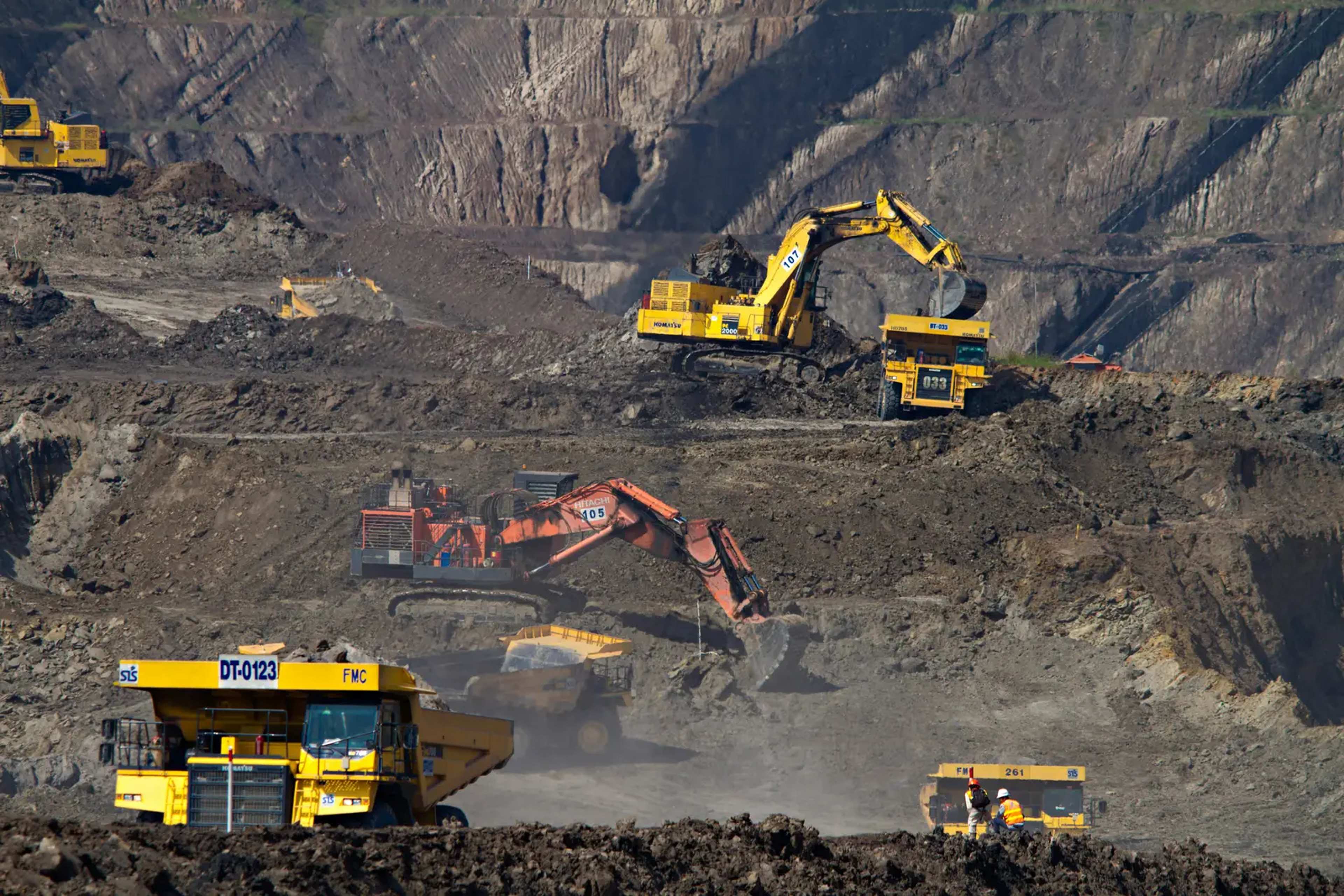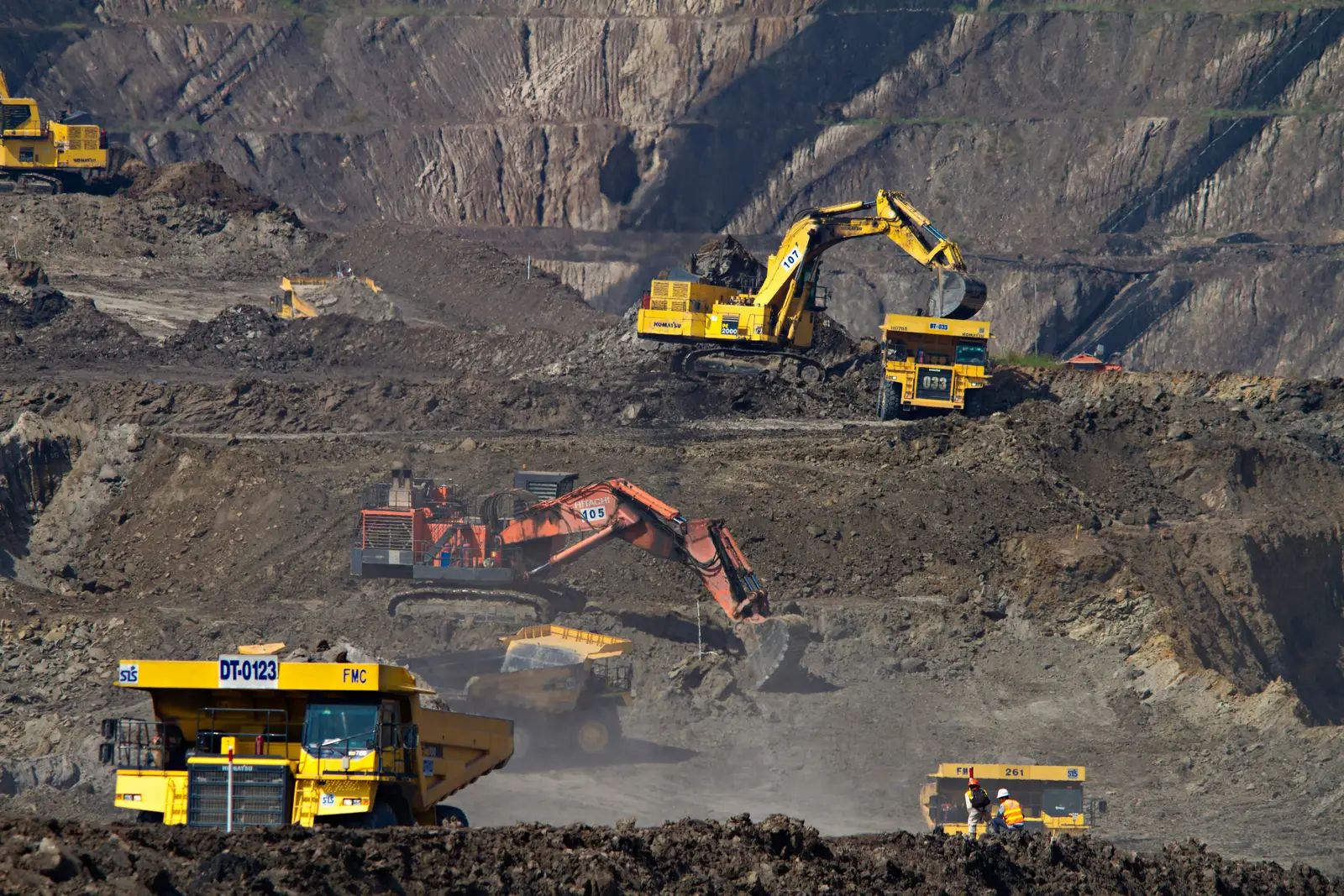
In Brazil’s northern state of Roraima, communities inside the Raposa Serra do Sol Indigenous Territory now confront ponds of cyanide-laced water left by illegal gold miners. The shift away from mercury, once the standard chemical for separating gold, has introduced a new and more immediate hazard to residents and wildlife. Federal authorities have linked recent seizures directly to operations inside the protected area. ([1])
Why Mercury Became Harder to Obtain
Illegal miners traditionally relied on mercury to extract gold from ore. Intensified raids by environmental agencies have sharply reduced supplies on the informal market. Brazil’s environmental agency IBAMA reports that no companies hold legal authorization to sell the substance, driving prices higher on the black market. A single 1.5-liter bottle now commands a steep premium that many operators seek to avoid.
With mercury scarcer and costlier, some miners have adopted cyanide as a substitute. The chemical dissolves gold from crushed rock in a process that leaves behind open ponds of contaminated water. This change reflects both enforcement pressure and simple economics in remote mining sites.
Recent Enforcement Actions
In July, Federal Police arrested two men and confiscated roughly 375 kilograms of a compound consistent with cyanide along with 1,250 kilograms of activated charcoal used in gold processing. Officials tied the materials to illegal extraction inside Raposa Serra do Sol. The operation highlighted how processing chemicals now move alongside the ore itself.
One year earlier, in July 2025, police dismantled an illegal laboratory in the state capital Boa Vista. Investigators found rocks traced to the Indigenous territory and water samples showing cyanide contamination. Miners had reportedly transported ore to the city for the final separation stage, extending the reach of the contamination beyond the mining sites.
Consequences for People and the Landscape
Cyanide ponds create persistent risks in an area already under pressure from unauthorized mining. The chemical remains toxic in water long after use, threatening both human health and local ecosystems. Indigenous residents, who hold legal rights to the territory, face direct exposure through waterways that support daily life and traditional activities.
Authorities note that the new method leaves visible and measurable traces that differ from mercury contamination. Cleanup becomes more complex once ponds form, and the scale of recent seizures suggests the practice has taken hold in multiple locations within the reserve.
Stakeholders and Next Steps
The Federal Police, IBAMA, and Indigenous leadership share responsibility for monitoring and response. Each seizure provides new data on supply routes and processing sites. Continued enforcement may further raise the cost of both mercury and cyanide on the black market.
Communities inside Raposa Serra do Sol continue to live with the immediate effects of these operations. The practical outcome of the chemical switch remains an open question for regulators and residents alike.