Airport terminals are full of quiet tells. You don’t need to see someone’s boarding pass or hear their frequent flyer status to know they’ve done this a hundred times before. It’s in the bag itself, in the small, practical choices that separate someone flying for the first time in years from someone who could pack blindfolded.
Some of these items are about comfort, others about speed through security, and a few are just habits picked up after one too many uncomfortable middle seats. Either way, they add up to a kind of silent shorthand among travelers.
1. A compression packing cube system
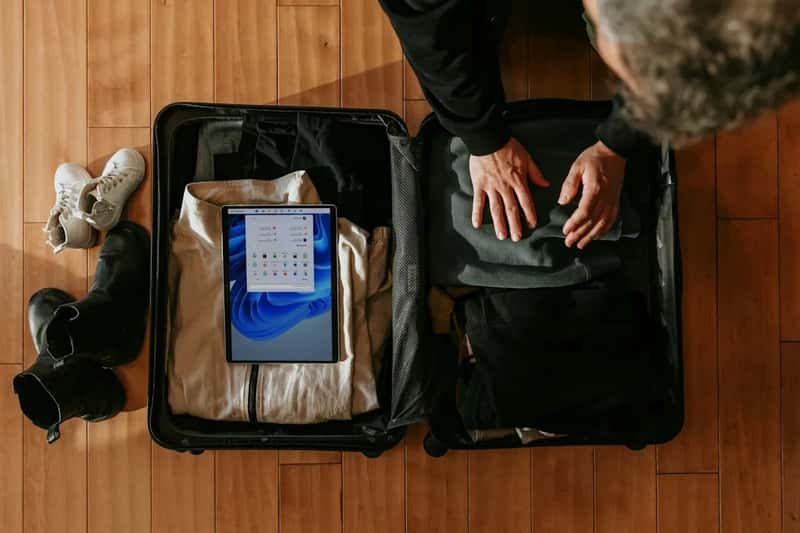
Frequent flyers rarely just toss clothes into a bag anymore. Compression cubes, the kind with zippers that squeeze garments down to half their volume, have become a quiet staple among people who fly weekly rather than yearly. They keep a carry-on organized enough to find a shirt without unpacking the entire bag in a security line or a cramped overhead bin area.
The habit isn’t just about tidiness. Airlines have gotten stricter about enforcing carry-on size limits, and compression cubes let seasoned travelers fit more into a bag that still slides under the seat in front of them. It’s a small tool, but it signals someone who has learned the hard way that a loose pile of clothes wastes precious space.
2. A portable charger already clipped to something
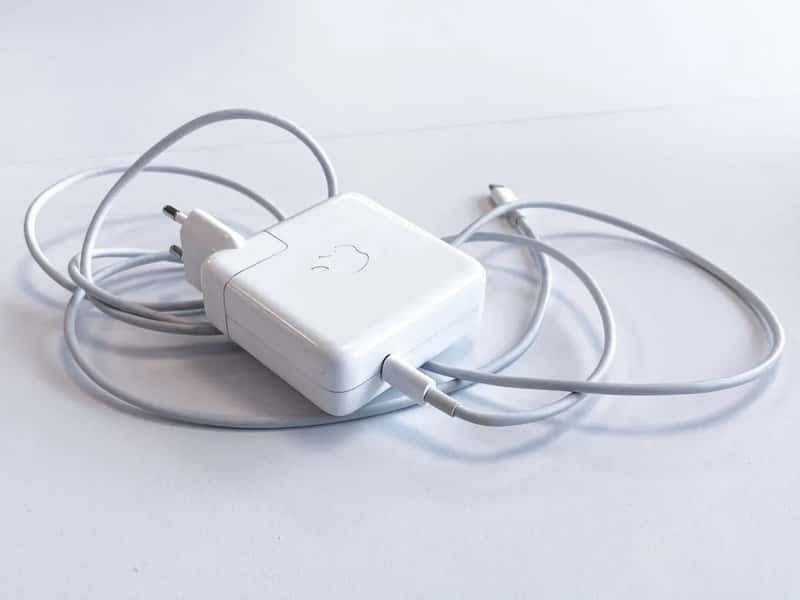
New travelers pack a portable charger and bury it somewhere in a side pocket. Frequent flyers clip it to a strap, a tote handle, or keep it in an outer pocket they can reach without sitting down. Airport outlets are still inconsistent at many gates, and a charger that takes ten seconds to access is a small but telling detail.
This habit usually comes from at least one bad experience, a dead phone during a delay, a boarding pass that wouldn’t load, something that taught the lesson permanently. Once it happens, the charger placement never goes back to careless. It becomes as automatic as checking for a passport.
3. Noise-canceling headphones worn before boarding even starts

Casual travelers often wait until they’re seated to put on headphones. Regulars put them on in the security line, sometimes earlier, using them less for music and more as a buffer against announcements, crying infants, and the general noise of an airport at capacity. It’s less about entertainment and more about creating a controlled bubble in an environment that offers none.
This early adoption also hints at flight experience because it shows familiarity with long waits and delays. Someone who travels often knows that boarding announcements rarely happen on time, so they settle in mentally well before the gate agent picks up the microphone.
4. A refillable water bottle, empty, ready to fill past security

Bringing an empty bottle through security checkpoints is second nature to frequent flyers, largely because dehydration on planes is a well-documented issue tied to low cabin humidity. Cabin air typically sits at a humidity level far lower than most indoor environments, which is enough to leave skin and throats dry on longer flights. Regulars know this and carry a bottle specifically to refill at a station once they’re through screening.
Occasional travelers, by contrast, often bring a sealed bottle, only to have it confiscated at the checkpoint, or they skip water altogether and rely on the small cup handed out mid-flight. The empty-bottle habit is one of those tiny logistical details that instantly signals someone who flies often enough to have optimized the boring parts of travel.
5. A slim toiletry bag stocked entirely in miniatures

Regular travelers tend to keep a dedicated toiletries bag pre-packed and ready, filled with travel-sized versions of everything they use daily. This isn’t just about convenience, it’s about compliance with the well-known rule limiting liquids in carry-ons to containers of 3.4 ounces or 100 milliliters each, all fitting within a single quart-sized bag. Someone who flies often has this ratio memorized and never has to think twice at the checkpoint.
New or infrequent flyers, meanwhile, often discover this rule the hard way, forced to toss a favorite shampoo or a slightly oversized bottle of sunscreen into the trash bin at security. The polished, ready-to-go toiletry kit is one of the clearest carry-on giveaways there is.
6. A blanket or wearable travel pillow that isn’t the airline’s

Frequent flyers have generally learned that airline-provided blankets and pillows, when they exist at all, tend to be thin, small, and often unavailable outside of premium cabins. So they bring their own, usually something compact that packs into a small pouch and can double as a lumbar support or neck rest depending on the flight. It’s a detail that speaks to someone who has spent enough hours in economy seats to know exactly what kind of comfort actually helps.
This preparation also reflects real habit formation rather than paranoia. Someone flying once a year might not think about neck support until they wake up sore three hours into a flight. Someone flying monthly has already solved that problem long before boarding.
7. A slim folder or pouch dedicated purely to travel documents
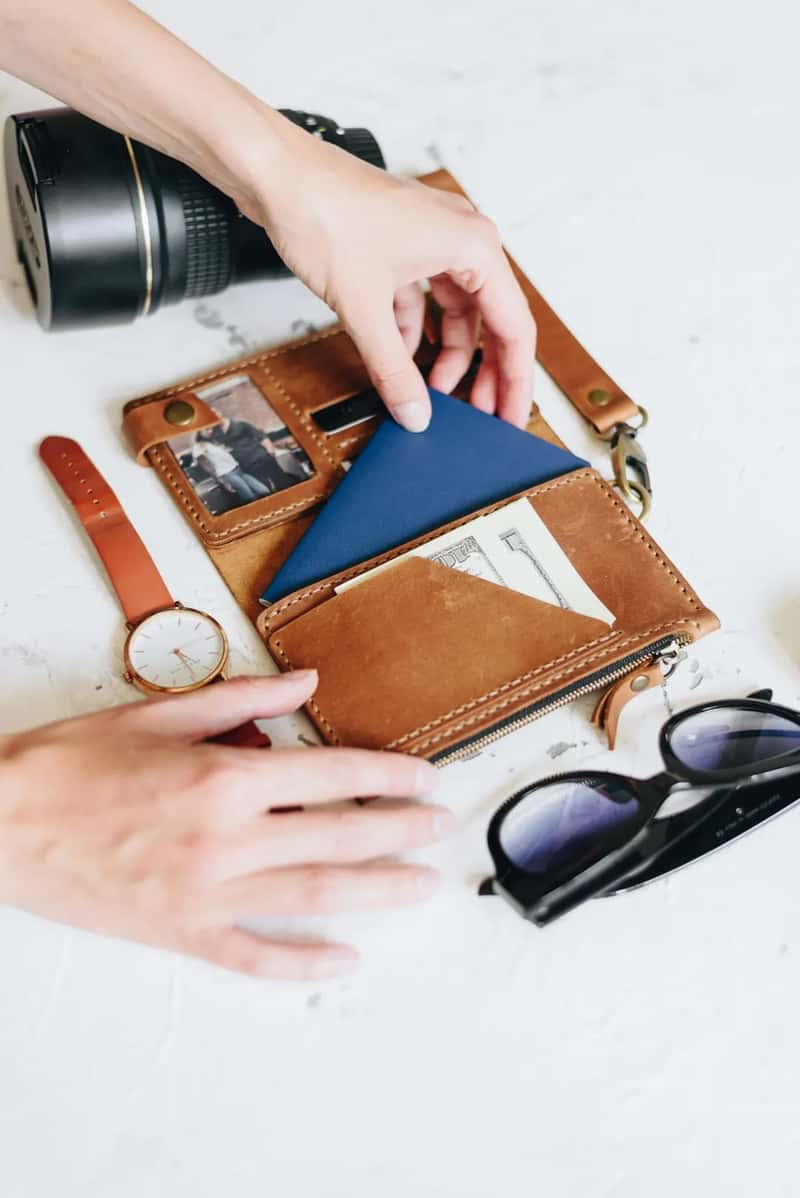
Passports, boarding passes, hotel confirmations, loyalty cards, all organized in a single slim folder that lives at the top of the bag. This kind of document folder is common among people who travel often enough that fumbling through a backpack for a passport becomes an unacceptable waste of time. It’s a small system, but it shows a level of premeditation that casual travelers rarely bother with.
There’s also a security angle here. TSA and international customs checkpoints move faster when documents are already sorted and visible, and frequent flyers know that hesitation at the counter creates bottlenecks, both for themselves and everyone behind them. The document folder isn’t flashy, but it’s one of the most reliable markers of flying experience.
8. Snacks that aren’t the ones sold at the airport

Frequent travelers tend to bring their own snacks rather than buying overpriced options at terminal kiosks. This isn’t just about cost, though airport food often carries a noticeable markup compared to what’s available outside security. It’s also about control, since regulars have learned that food service on many domestic flights has become minimal or entirely absent on shorter routes.
The choice of snack matters too. Regulars tend to avoid anything too crumbly, sticky, or strong-smelling, favoring things like nuts, protein bars, or dried fruit that survive a bag without making a mess or bothering a seatmate. It’s a quiet kind of etiquette that develops only after enough shared armrests and cramped rows.
9. A backup phone charger cable, separate from the main one

Seasoned travelers often carry two charging cables, one for daily use and one tucked away specifically as a backup. This isn’t excessive caution so much as pattern recognition, since cables fray and break more often than people expect, especially when stuffed into bags repeatedly over months of travel. Losing power access mid-trip is enough of a hassle that most frequent flyers eventually build in redundancy.
The backup cable usually lives in a different pocket than the primary one, a small organizational choice that prevents both from getting lost at once. It’s an easy detail to overlook, but it’s exactly the kind of quiet preparedness that comes from logging serious time in transit.
10. A collapsible tote or extra bag folded into the main carry-on
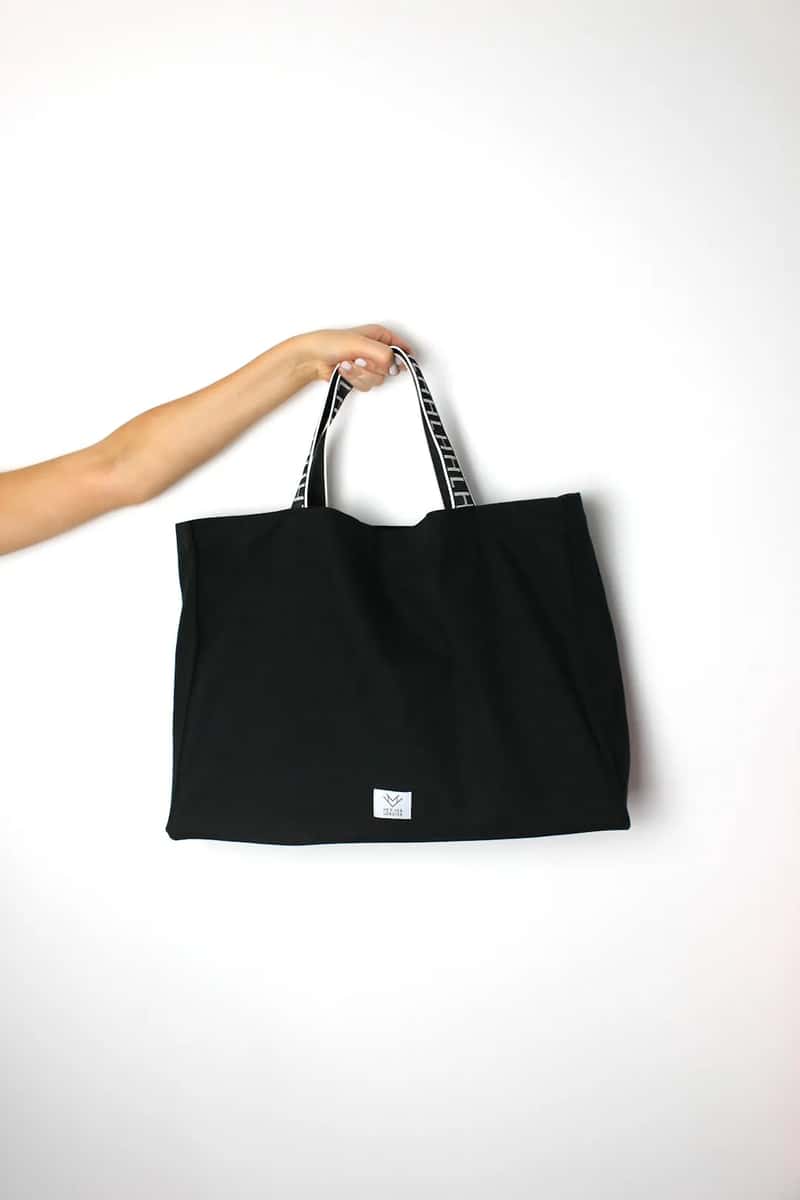
Frequent flyers often pack a lightweight, foldable tote inside their primary bag, ready to be used for a spontaneous airport purchase, a laptop that needs separating during security, or overflow items on the return trip. It’s a small piece of gear that solves a common problem, the moment when one bag simply isn’t enough anymore. Regulars anticipate that possibility before it happens.
This habit also reflects experience with varying airline policies, since carry-on allowances differ by carrier and even by fare class. A collapsible tote gives flexibility without adding real weight or bulk when it’s not in use, which is exactly the kind of quiet efficiency that marks someone who has flown enough to plan around inconsistency.
11. A dedicated tech pouch with cables coiled and labeled
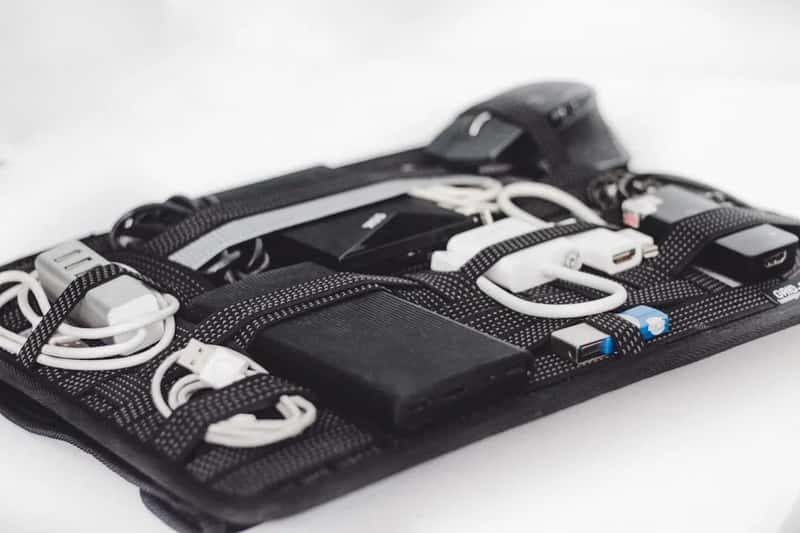
Tangled cables in the bottom of a bag are almost a universal sign of infrequent travel. Frequent flyers, by contrast, tend to keep a small pouch specifically for cables, adapters, and chargers, often coiled with velcro ties or small elastic bands to prevent the chaos that builds up after just a few trips. It looks like a minor detail, but it saves real time when digging through a bag at a gate or during a security recheck.
This habit tends to form quickly after one frustrating experience, usually a missed boarding call caused by fishing for a charger at the wrong moment. Once that happens, the tangled cable era tends to end for good.