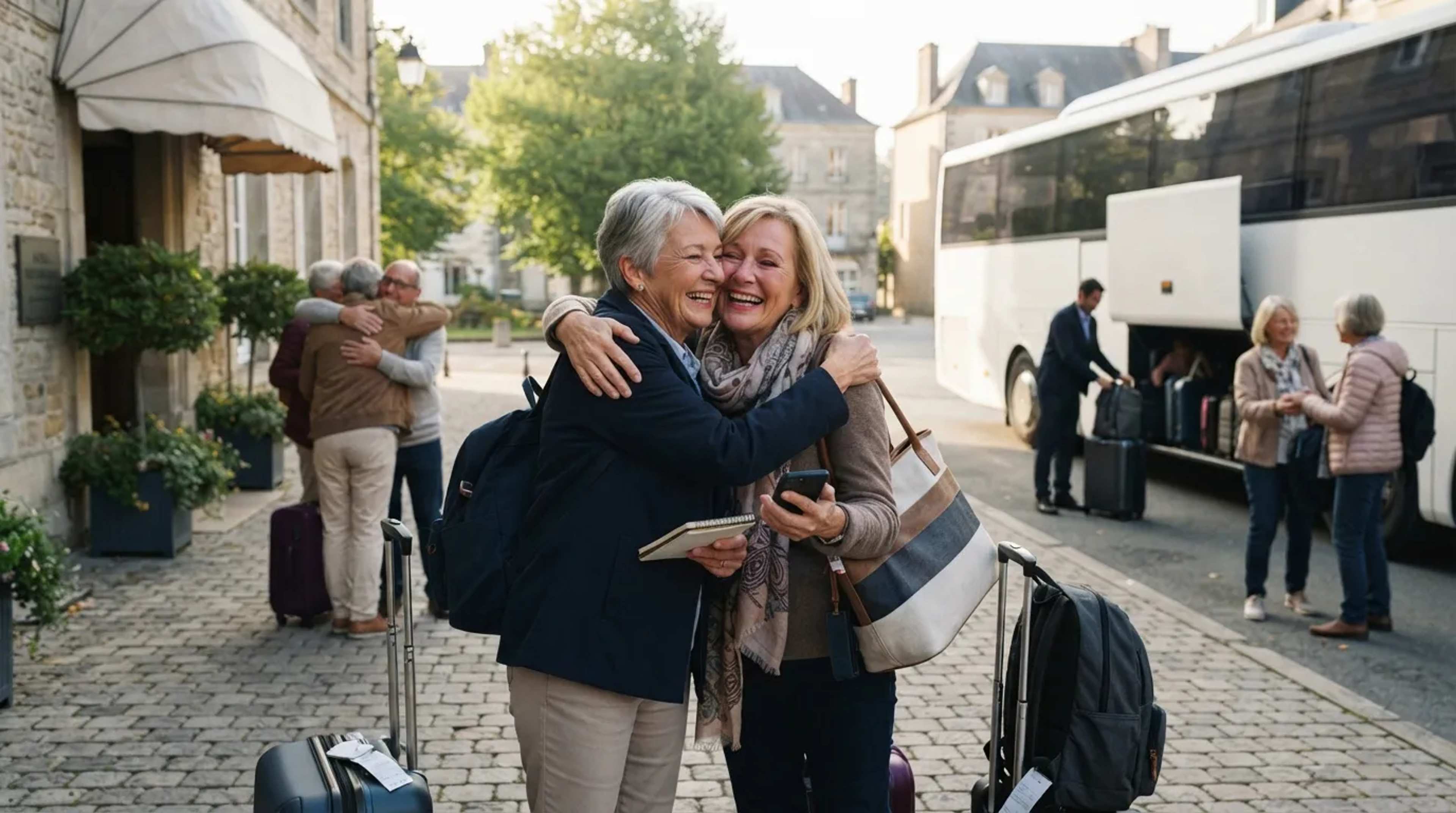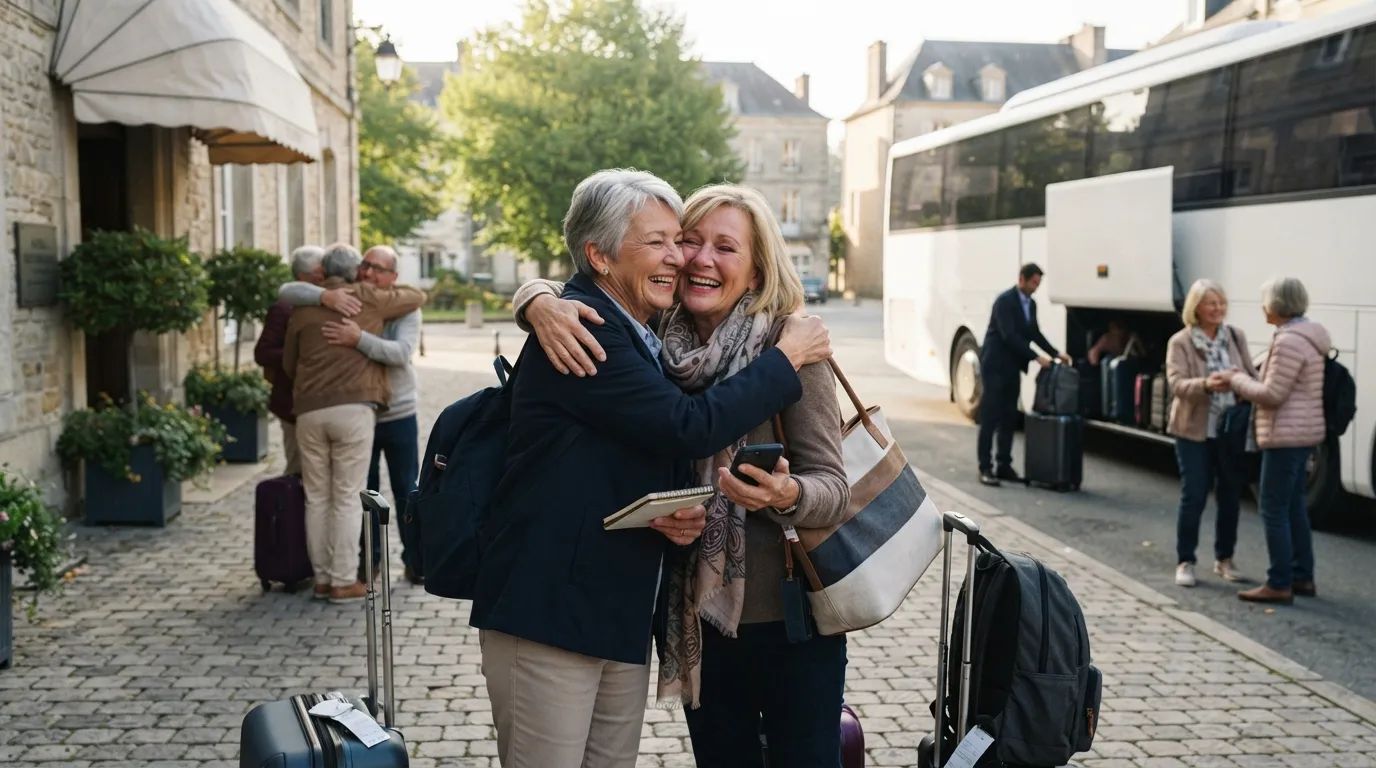
Travel has a way of revealing who someone really is, often within the first few hours of a trip. Small moments, the way a bag gets carried or a decision gets made together, tend to say more than any grand romantic gesture ever could. Many women notice these details but rarely bring them up directly, choosing instead to quietly hope their travel companion picks up on the cues.
1. Actually planning part of the trip instead of leaving it all to her
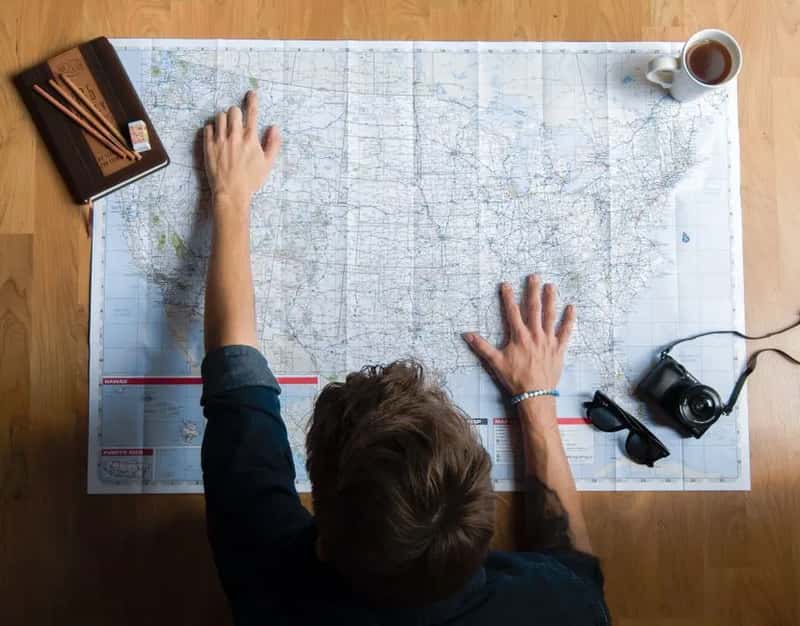
A surprising number of women end up handling most of the logistics on a trip, from booking accommodation to mapping out daily activities, even when travelling with a partner. This pattern shows up often in relationship and travel surveys, where women report doing the bulk of the planning work despite both partners benefiting equally from the trip. Over time, this can quietly shift from a shared adventure into another item on her mental checklist.
What many women wish for isn’t a fully planned itinerary handed to them, but genuine involvement, like researching a restaurant, checking train schedules, or suggesting a day trip. It signals that the trip is a joint project rather than something she is managing on his behalf. The gesture itself is simple, yet it changes the entire emotional tone of the travel experience.
2. Carrying the heavier bag without being asked
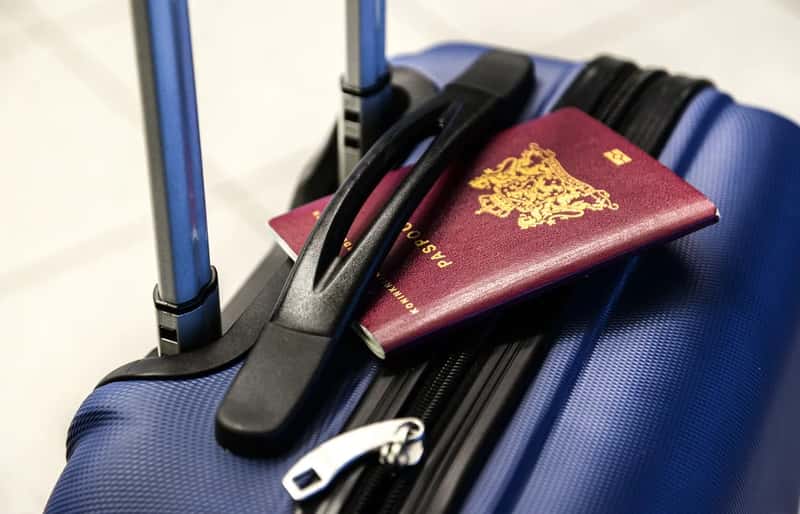
Luggage might seem like a small, practical detail, but it carries surprising emotional weight in how effort and care are perceived during travel. Many women say they appreciate when a partner instinctively takes the heavier suitcase or offers to lift bags into overhead compartments without turning it into a discussion. It is less about physical capability and more about attentiveness, noticing what needs to be done before being asked.
This kind of unspoken helpfulness tends to matter more in transit hubs like airports and train stations, where stress levels are already high. A partner who steps in naturally, rather than waiting for a direct request, reduces friction during some of the most tense parts of any trip. It is one of those gestures that feels almost old-fashioned, yet still lands as thoughtful rather than performative.
3. Checking in on how she’s feeling, not just where they’re going

Travel itineraries often focus heavily on logistics, flights, check-in times, reservations, while emotional check-ins get overlooked. Many women say they wish their male travel companions asked more often how they were actually feeling, whether tired, overwhelmed, or simply needing a slower pace. This kind of attentiveness requires pausing the itinerary long enough to notice the person next to you.
It doesn’t need to be a deep conversation. A quick question like whether she wants to skip the next stop or grab a coffee break can shift the entire rhythm of the day. The gesture communicates that the trip is about the relationship first, not just about ticking destinations off a list.
4. Taking the lead on navigation sometimes
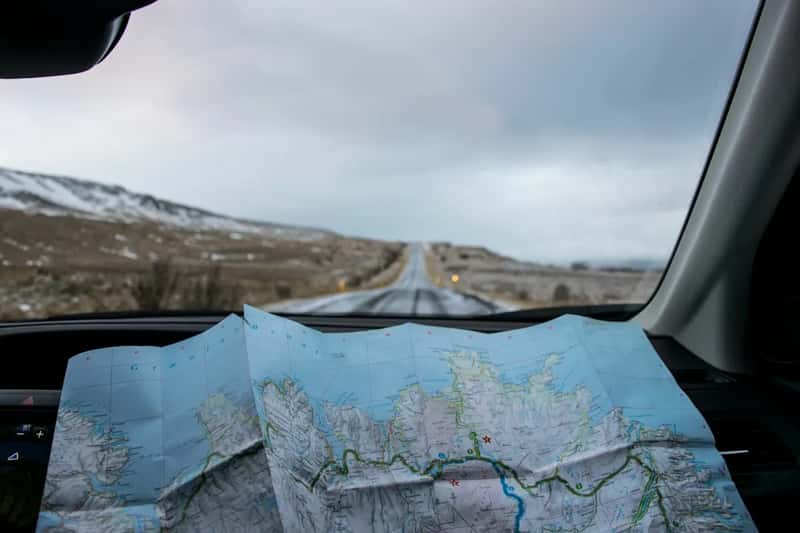
Getting lost is a normal part of travel, but who ends up staring at the map often follows familiar patterns. Many women report being the default navigator on trips, partly out of habit and partly because their partner defers to them without offering to take a turn. Over a long trip, this constant responsibility for direction can become quietly tiring.
Women often wish men would step up here more voluntarily, whether it’s figuring out the metro system in a new city or navigating a rental car through unfamiliar roads. It’s not about competence, since both partners are usually capable, but about shared responsibility for the small daily decisions that add up. A little initiative in this area goes a long way toward making the trip feel like a true partnership.
5. Remembering the little preferences without needing reminders
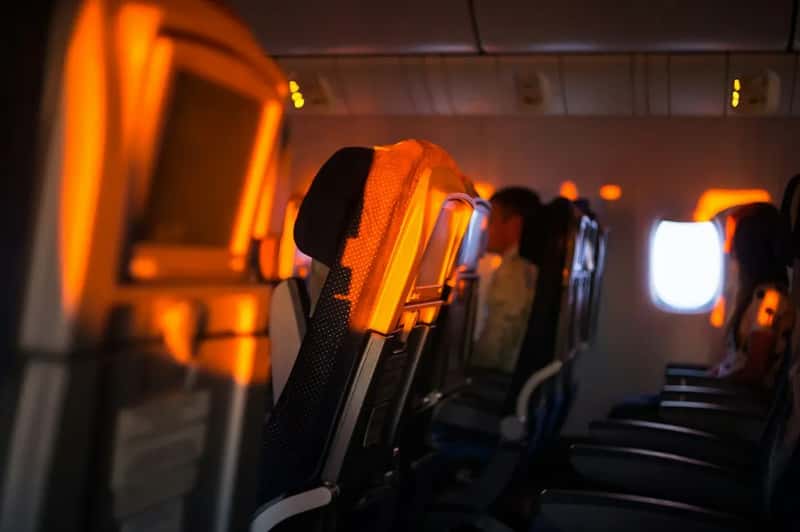
Every traveller has small preferences, a certain seat on the plane, a particular type of hotel pillow, or a favourite type of local snack to look out for. Many women say the gestures that stick with them most are the ones where a partner remembered these details without being told again. It signals attentiveness built over time rather than a one-time effort.
This might look like booking a window seat because she prefers watching the landscape, or picking up her favourite snack at a layover without being asked. These are not large gestures, but they carry outsized emotional value because they show sustained attention rather than a single grand act. Many women admit they rarely ask for this directly, hoping instead that it happens naturally.
6. Offering to handle an uncomfortable interaction
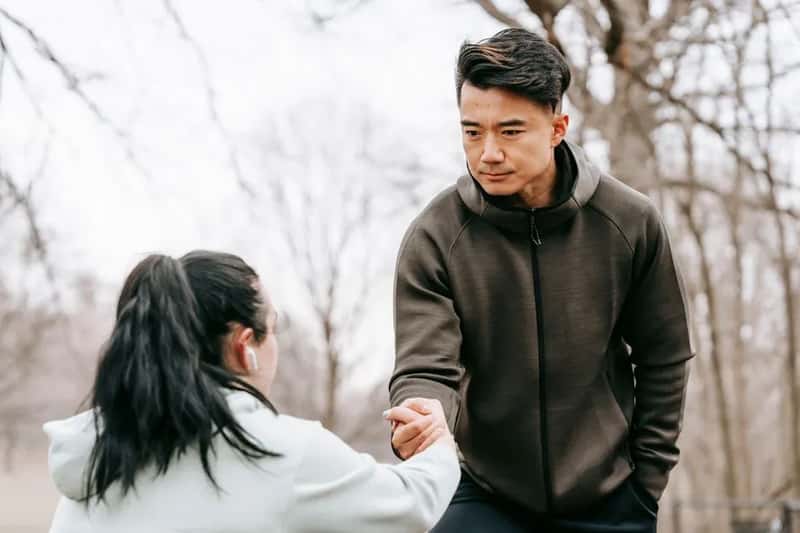
Travel occasionally involves tense moments, arguing with a hotel front desk over a booking error, negotiating with a taxi driver, or dealing with a delayed flight at a service counter. Many women say they appreciate when a male partner steps in to handle these situations, not because they can’t do it themselves, but because sharing the emotional labor of confrontation feels supportive. It becomes especially meaningful in unfamiliar countries where language barriers or cultural differences add extra stress.
This isn’t about men taking over every difficult conversation by default. It’s about recognizing when the other person is drained and offering to step in without being asked. Many women say they rarely voice this need directly, since asking to be “protected” from confrontation can feel like giving up independence, even though the gesture, when offered rather than demanded, feels like genuine teamwork.
7. Taking photos of her instead of only landscapes

Photography is a huge part of modern travel, and social platforms have amplified the pressure to capture every destination. Yet many women say their partners often focus more on landscapes, food, or scenery, forgetting to photograph them enjoying the moment. It can create a subtle sense of being invisible in their own travel memories.
What most women want is simple: photos that don’t require ten retakes or posed instructions, just genuine snapshots of them experiencing the trip. This gesture also reflects a broader pattern noticed by relationship researchers, where emotional attentiveness during shared experiences strengthens long-term memory of those experiences as meaningful. A camera roll filled with her, not just the scenery, becomes a quiet form of validation.
8. Being flexible when plans fall apart
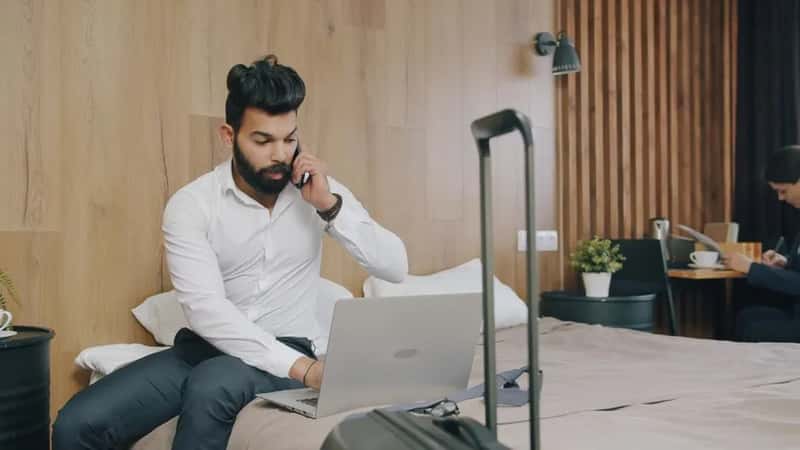
Travel rarely goes exactly as planned. Flights get delayed, restaurants close early, and weather forces last-minute changes. Many women say what matters most in these moments isn’t a perfect solution, but a partner who stays calm and adapts without turning frustration into blame.
Flexibility during travel disruptions is often cited in relationship studies as a strong indicator of compatibility, since these unscripted moments reveal how two people handle stress together. Women frequently mention wishing their partners would approach hiccups with humor or patience rather than irritation. A missed train becomes a shared story instead of a source of tension when both people choose flexibility over frustration.
9. Making time for her interests, not just his own

Every traveller has a wishlist, whether it’s visiting a specific museum, trying a niche restaurant, or exploring a particular neighborhood. Many women say they often find themselves compromising more than their partner does when it comes to shaping the itinerary. Over multiple trips, this imbalance can add up, even if it’s never discussed directly.
The gesture many women wish for is simple prioritization, actively suggesting to do something specifically because she mentioned wanting to see it, without needing a reminder. It shows that her interests hold equal weight in shaping the shared experience. Small acts like this build a sense of fairness that becomes more noticeable the longer a relationship lasts.
10. Handling the budget conversation early and honestly
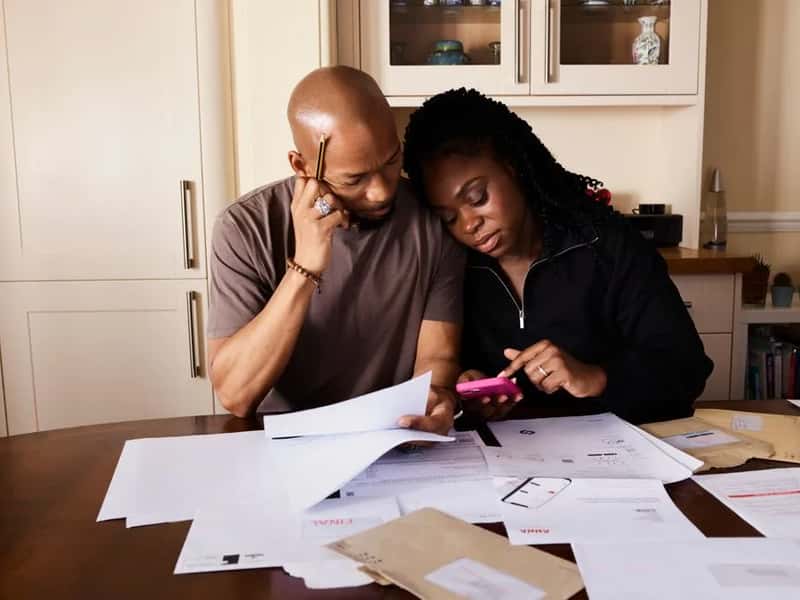
Money is one of the more sensitive topics in any relationship, and travel tends to expose spending habits quickly. Many women say they wish men would initiate honest conversations about budget before a trip rather than mid-trip, when disagreements are more likely to cause tension. Clear expectations early on reduce the chances of awkward moments at restaurants or during shopping.
This gesture isn’t about who pays for what, but about mutual transparency and shared decision-making regarding costs. Financial counselors often note that couples who discuss travel budgets in advance report smoother trips overall, since ambiguity is one of the biggest sources of friction. A proactive conversation about money, initiated without being prompted, is a gesture many women appreciate far more than they let on.
11. Simply saying thank you for the effort she put in

Even when planning and effort are shared fairly, verbal acknowledgment often gets overlooked. Many women say a simple thank you, for organizing a day, choosing a great restaurant, or handling a tricky situation, means more than people realize. It’s a small gesture, but one that confirms her contributions were noticed.
This kind of appreciation doesn’t need to be elaborate or frequent to be meaningful. A quick comment recognizing her effort reinforces that the relationship functions as a partnership, not a default division of labor. Many women say they would rarely ask for this outright, yet it remains one of the most quietly wished-for gestures on any trip.
Across these eleven moments, a common thread emerges: most of these gestures require noticing rather than grand effort. They rely on attentiveness, initiative, and small acts of consideration rather than expensive surprises or elaborate planning. For many women, it’s these overlooked details, not the destinations themselves, that end up defining how a trip is remembered.