There’s a strange kind of education that happens when you’re counting coins for a train ticket instead of handing a card to a concierge. Budget travelers stumble into lessons that no five-star itinerary ever teaches, simply because scarcity forces creativity, patience, and a closer look at how a place actually works. Luxury travel insulates people from friction, and while that’s part of its appeal, it also means many of its most valuable lessons never get learned at all.
This isn’t an argument against comfort or spending money on a good trip. It’s a look at what tends to get skipped when every inconvenience is smoothed over by staff, private transfers, and curated experiences. The following eleven lessons are things budget tourists pick up almost by accident, simply because they have no other choice.
1. Every Dollar Has a Story, and You Learn to Read It

When you’re tracking a daily budget instead of swiping without a second thought, you start noticing exactly where money disappears. Backpacker cost trackers now show real daily spending ranges across dozens of countries, with places like Vietnam sitting around 28 dollars a day and the Balkans landing near 35, numbers that only mean something once you’ve actually tried to live within them. Real daily costs for 50+ countries from 15,000+ hostels show figures like Vietnam at $28/day, Colombia at $38/day, and the Balkans at $35/day.[1] Luxury travelers rarely need this granular awareness because the trip is priced as one lump sum before departure.
That daily accounting habit doesn’t disappear once the trip ends, either. Budget travelers tend to carry a sharper sense of value home with them, questioning whether a coffee or a cab ride is actually worth what it costs. It’s a small shift, but it changes how people spend money for years afterward, not just on vacation. Luxury travel, by contrast, often trains people to expect frictionless spending everywhere they go.
2. Public Transport Teaches You How a City Actually Breathes
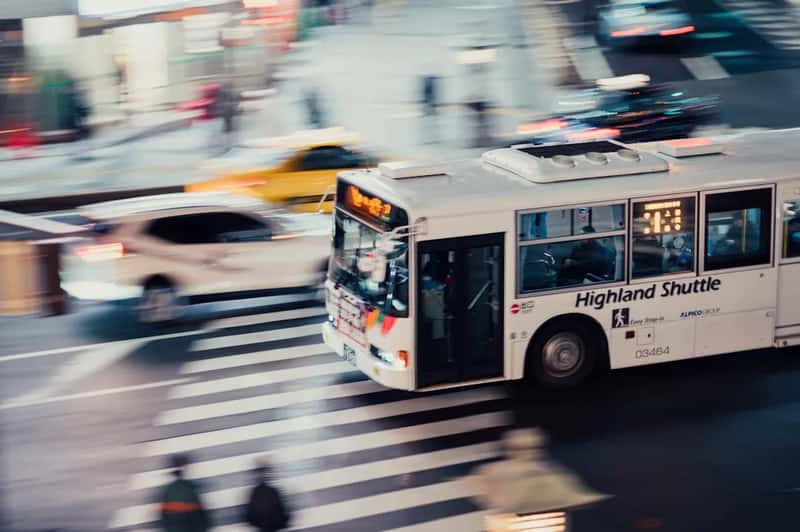
There’s no faster way to understand a city’s rhythm than riding its buses and metro lines during rush hour, standing shoulder to shoulder with commuters instead of gliding past them in a private car. You see which neighborhoods are thriving, which stations smell like fried dough or fresh bread, and how locals actually move through their own lives. It’s messier than a chauffeured ride, but it’s also honest in a way that tinted windows never allow.
Budget travelers also learn to decode transit maps in languages they don’t speak, a skill that builds confidence fast. Missing a stop or boarding the wrong line becomes a minor comedy rather than a crisis, and that tolerance for small mistakes carries over into how people handle uncertainty elsewhere. Luxury travelers who never touch public transit miss this entire layer of a destination, along with the humility that comes from occasionally getting it wrong.
3. Hostels Teach Social Skills That Suites Rarely Demand
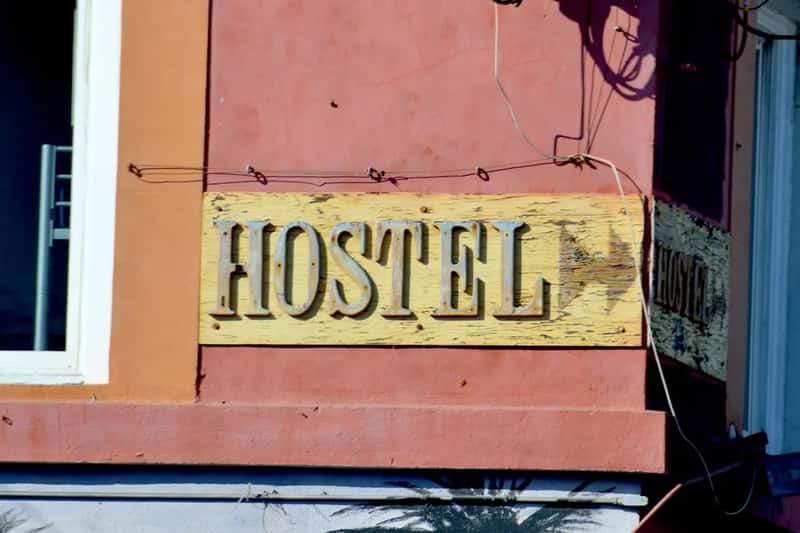
Shared dorms and communal kitchens force conversation in a way private rooms simply don’t. Skyscanner has found that 40% of young travelers have traveled overseas specifically to meet new people, while bookings using “solo” filters increased 83%[2], a sign that the social side of budget travel isn’t accidental, it’s often the entire point. Sitting at a communal table with strangers from four different continents teaches small talk, patience, and curiosity in ways a hotel lounge rarely requires.
This social pressure also builds a kind of resilience. You learn to read a room, figure out who’s trustworthy, and occasionally accept an invitation that turns into the best night of the trip. Surveys suggest 71% of solo travelers actively seek connection while traveling, and 68% form meaningful friendships during solo trips.[3] Luxury stays, with their emphasis on privacy and personal space, rarely create that same pull toward strangers becoming temporary friends.
4. Shoulder Season Timing Becomes Second Nature

Budget travelers learn quickly that when you go matters just as much as where you go. Shoulder season travel, such as September in Europe or May in Southeast Asia, saves 20 to 30 percent on accommodation and flights.[3] That kind of saving isn’t trivial when every dollar is being tracked, so budget tourists develop an instinct for avoiding peak weeks entirely.
This timing sense also improves the actual experience, not just the bank balance. Fewer crowds, shorter lines, and more relaxed locals tend to come bundled with lower prices, a connection that luxury travelers, who often book around fixed holiday windows regardless of cost, rarely have reason to notice. Once you’ve experienced a famous plaza half-empty in October instead of packed in July, it’s hard to unlearn the appeal of off-peak travel.
5. Crowded Destinations Start to Look Like a Warning Sign
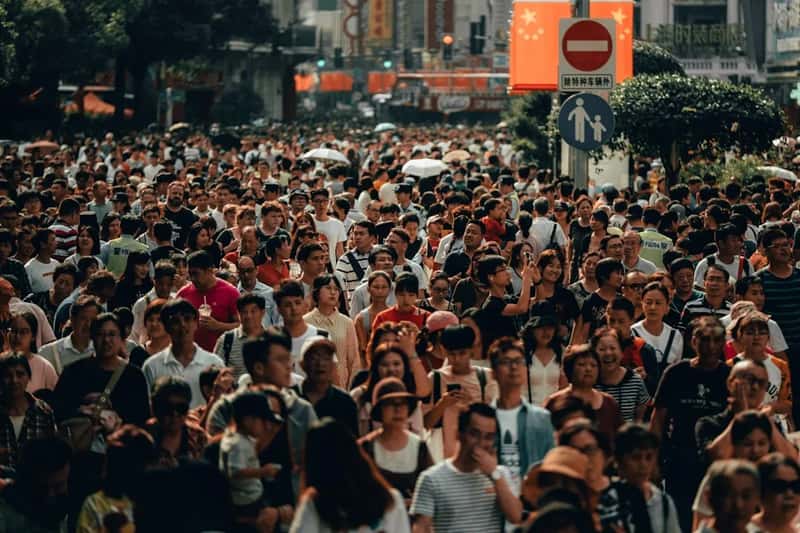
Because budget travelers are naturally drawn toward cheaper alternatives, they often end up avoiding the most oversaturated hotspots almost by default. Among travelers concerned about overtourism, 37% say they have avoided certain destinations due to overtourism, and cost remains the dominant consideration when choosing where to travel, with three-quarters citing it as a primary factor.[4] That price sensitivity quietly doubles as crowd avoidance, steering budget travelers toward quieter regional cities instead of the same six famous landmarks everyone else is photographing.
This has become more relevant as destinations tighten restrictions on tourism itself. International tourist arrivals to Europe rose by approximately 5.6% in early 2026 compared with the same period in 2025, and Amsterdam now prohibits short-term rentals entirely in parts of the center while limiting them to 30 nights per year elsewhere.[5] Budget travelers, who are already used to seeking out alternative neighborhoods and lesser-known towns, adapt to these shifts more easily than luxury travelers who expect a specific hotel or rental to simply always be available.
6. A Heavy Bag Punishes You Immediately, So You Pack Smarter

Carrying your own luggage up four flights of stairs to a walk-up hostel teaches packing discipline faster than any article ever could. Budget travelers quickly cut down to one bag, because every unnecessary item becomes a literal weight on their shoulders during a long walk from a train station. That physical feedback loop doesn’t exist when a hotel porter handles your suitcases from car to lobby to room.
Over time, this creates a genuinely different relationship with belongings while traveling. People start asking whether they actually need six shirts or two pairs of shoes, and most discover they don’t. Luxury travelers, insulated from the physical cost of overpacking, rarely have a reason to question the habit, so the suitcase just keeps growing trip after trip.
7. Plans Change Constantly, and That’s Fine
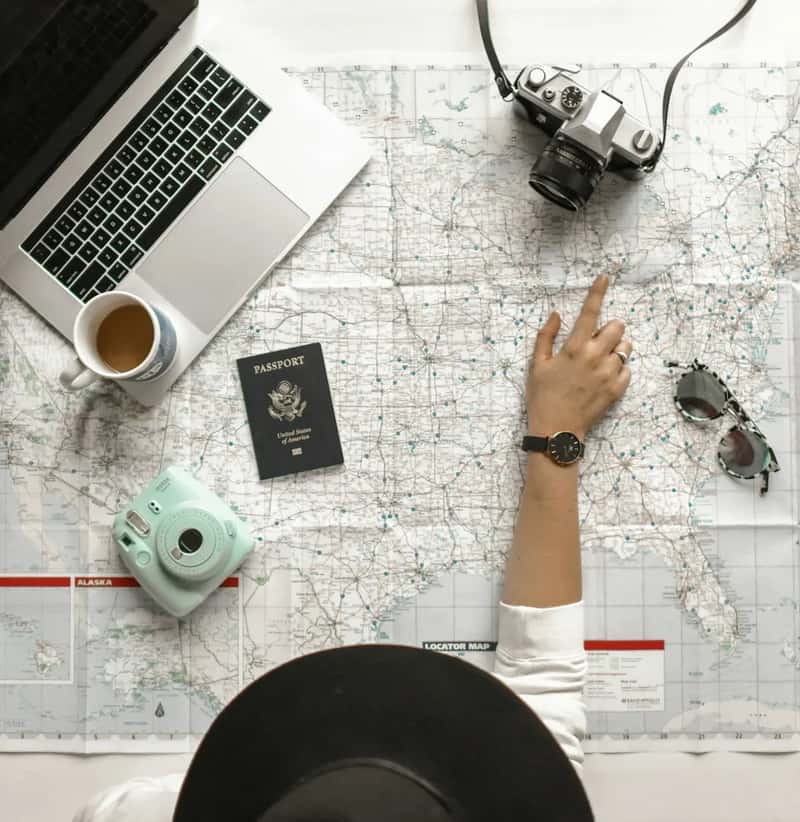
When a bus breaks down, a train is cancelled, or a hostel loses your reservation, budget travelers don’t have a hotel concierge to fix it for them. They learn to problem-solve on the spot, ask locals for alternatives, and treat a ruined plan as a detour rather than a disaster. That flexibility becomes a genuine skill, one that gets sharper with every unexpected hiccup along the way.
This adaptability changes how people react to inconvenience long after the trip ends. A cancelled flight or a missed connection stops feeling catastrophic once you’ve slept in a bus station or improvised a new route through a country you don’t speak the language of. Luxury travel, with its layers of customer service standing between the traveler and any disruption, rarely forces this kind of resilience to develop.
8. Street Food and Local Markets Become the Real Highlight
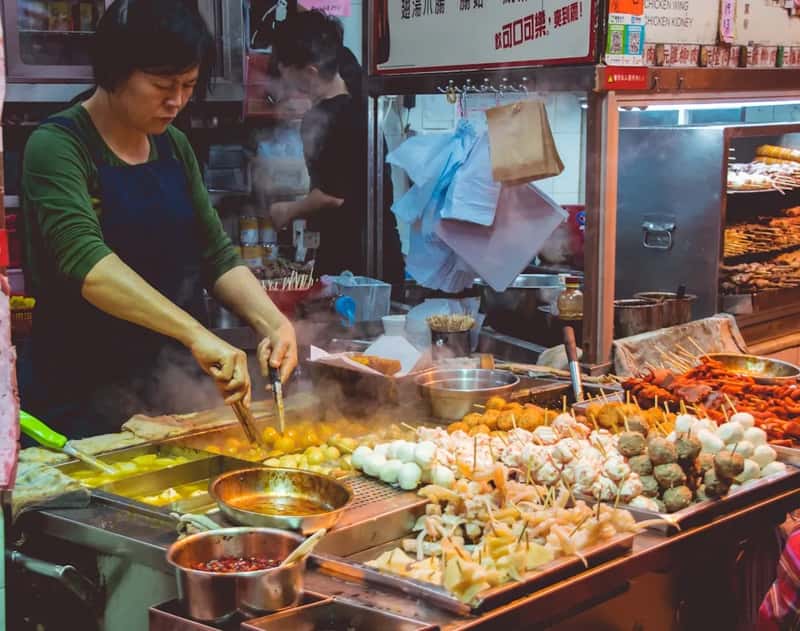
Budget travelers gravitate toward street stalls and neighborhood markets partly out of necessity, but most end up preferring them anyway. These are the places where the actual texture of a destination shows up, in the smell of grilled skewers, the chatter of vendors, and the sight of locals eating the same thing three times a week because it’s genuinely good. It’s an unfiltered introduction to a place’s food culture that a hotel restaurant menu, translated and softened for tourists, simply can’t replicate.
This habit also builds a braver palate over time. Budget travelers learn to try unfamiliar dishes without a menu description to guide them, occasionally getting it wrong but usually discovering something memorable. The kind of spending that happens on hostels, intercity buses, tours, cafés, small shops, and nightlife tends to flow directly into local businesses[6], which means budget travelers often end up supporting the exact communities luxury resorts, with their imported ingredients and international staff, sometimes bypass entirely.
9. Money Emergencies Teach Real Resourcefulness
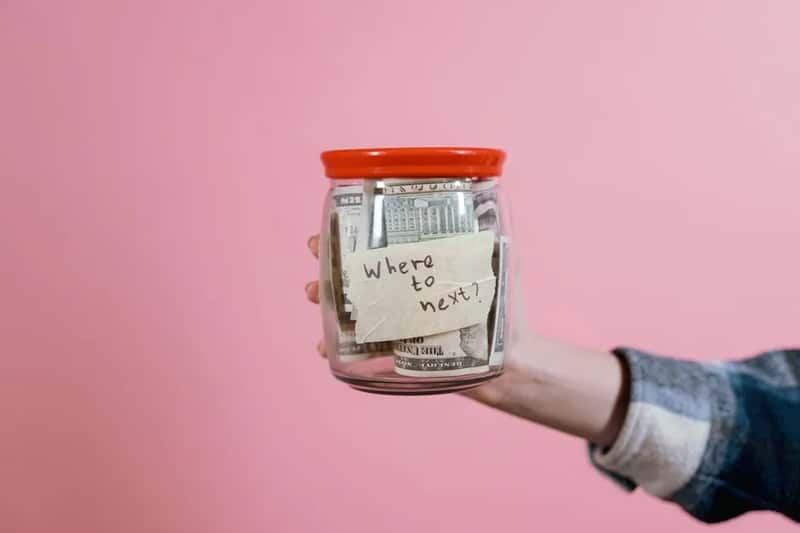
Running low on cash in a foreign country with no backup plan is a stressful but genuinely instructive experience. Budget travelers learn to negotiate prices, ask for discounts on multi-night stays, split costs with strangers they just met, or simply go without something for a day or two. That kind of resourcefulness doesn’t come naturally, it’s built through repeated small crises that force creative problem-solving under pressure.
This lesson also reshapes how people think about financial cushions going forward. Many budget travelers come home with a much clearer sense of how little they actually need to get by comfortably, a realization that tends to stick around well after the trip ends. Luxury travelers, who rarely face a genuine cash crunch mid-trip, don’t get the same forced education in improvisation.
10. Comparing Prices Becomes an Automatic Habit

Constantly checking hostel rates, comparing bus companies, and cross-referencing tour prices trains budget travelers to spot a bad deal instantly. This habit of research isn’t just about saving money in the moment, it builds a broader awareness of how prices shift by season, location, and even the time of day you book. According to Booking.com, 69% of travelers want to leave destinations better than they found them, while more than half actively consider the impact of their travel choices[2], and budget travelers, who already spend so much time researching value, often extend that same scrutiny to a destination’s environmental and social footprint.
This comparison instinct also makes budget travelers unusually good at spotting inflated tourist pricing, whether it’s a taxi quoting triple the local rate or a restaurant with a hidden menu for foreigners. Luxury travelers, who are often shielded from these price disparities by pre-arranged packages and private guides, rarely develop the same sharp eye for when they’re being overcharged.
11. Small Comforts Start to Feel Like Genuine Luxuries

After a week of dorm beds, cold showers, and long bus rides, a private room with a working shower starts to feel like an absolute triumph. Budget travelers develop a heightened appreciation for comforts that luxury travelers take entirely for granted, simply because they’ve gone without them long enough to notice the difference. That gratitude doesn’t fade quickly, either, it tends to color how people experience everyday life once they’re back home.
This shift in perspective might be the most lasting lesson of all. Budget travel strips away the padding that usually surrounds a trip, leaving only the raw experience of a place and the people in it. Luxury travelers get comfort, certainly, but they often miss out on this particular kind of gratitude, the one that only shows up after you’ve earned a good night’s sleep the hard way.
None of this means luxury travel is wrong or that budget travelers have some moral high ground, comfort has its place and there’s nothing shameful about wanting it. Still, there’s something worth noticing in how scarcity teaches lessons that abundance simply skips over. The traveler counting coins on a night bus and the one sipping champagne in a lounge are having genuinely different educations, and perhaps the richest trips borrow a little from both worlds.