
A U.S. passport is among the more useful travel documents. Even so, you can visit about 180 countries without getting a visa in advance, but others do require one.[1] Those rules shift more often than most travelers expect.
Brazil

On April 10, 2025, Brazil reinstated a visa requirement for all U.S. nationals, with an option for an eVisa for qualified applicants.[2] The change ended a visa free arrangement that Americans had used since 2019. The Foreign Ministry framed the policy as reciprocity, noting that Brazilians still require visas for the United States, Canada and Australia.[3]
The eVisa is handled entirely online through the official VFS portal. The fee is US$80.90, and approved travelers receive a ten year visa for multiple entries, with stays of up to 90 days per visit and no more than 180 days in any 12 month period.[3] Processing times average 48 to 72 hours, though busy periods can stretch that to about a week.[3] Carriers will deny boarding to anyone who can’t show approval at check in.[3]
China

China still requires Americans to hold a visa before arrival, and it remains one of the destinations that catches casual planners off guard. The process got easier in January 2024, when travelers no longer needed to submit a round trip ticket, hotel reservation, itinerary or invitation letter.[1] You can start the application online, but you still finish at a Chinese embassy or consulate general.[1]
One guide lists the fee at $140, with a standard processing time of four business days.[1] A more recent guide notes that the process changed in September 2025 with the new COVA online visa application platform[4], and it reports a different fee, so confirm the current price with the embassy. A 72 hour visa free transit is possible in Beijing, Shanghai and several other hubs if you’re connecting to a third country.[5]
India

Most American tourists reach India through its online system. Americans are required to apply for an eVisa through India’s official portal before visiting.[6] Travelers can instead hold a paper visa, which is valid for ten years for U.S. citizens, or an e tourist visa.[7]
Pricing depends on how long you want the visa to last. One guide lists a range of $10 to $80, depending on the time of visit and length of validity, with processing of about 72 hours.[8] Older guides also mention that tourists must arrive at one of a set of designated airports or seaports[9], so check that your arrival point qualifies. Entry rules here can change, and the State Department suggests confirming with the Indian Embassy before you plan.
Australia

Australia is a case where the paperwork is light, but it isn’t optional. Travelers with U.S. passports must apply for an electronic travel authorization, and all applications go through the government’s Australian ETA app.[1] The cost is 20 Australian dollars, about $13, with processing typically within one business day.[8]
The authorization is valid for 12 months and lets you stay for three months at a time.[1] ETAs are normally issued immediately, but the application must be submitted at the very latest 24 hours before your flight.[1] Leaving it to the last minute is the usual mistake.
Vietnam

Vietnam has become much more approachable for Americans in the last couple of years. A user friendly site launched in November 2024, and the resulting eVisa can be used at all international airports, land border crossings and ports.[1] That’s a real improvement over the older paper process.
The eVisa costs $25 for a single entry or $50 for multiple entries, is valid within 90 days of issuance, and takes about three business days to process.[8] Visas on arrival do exist, yet the U.S. State Department warns of unexpected charges at the airport[5]. Applying online ahead of time is the simpler route.
United Kingdom
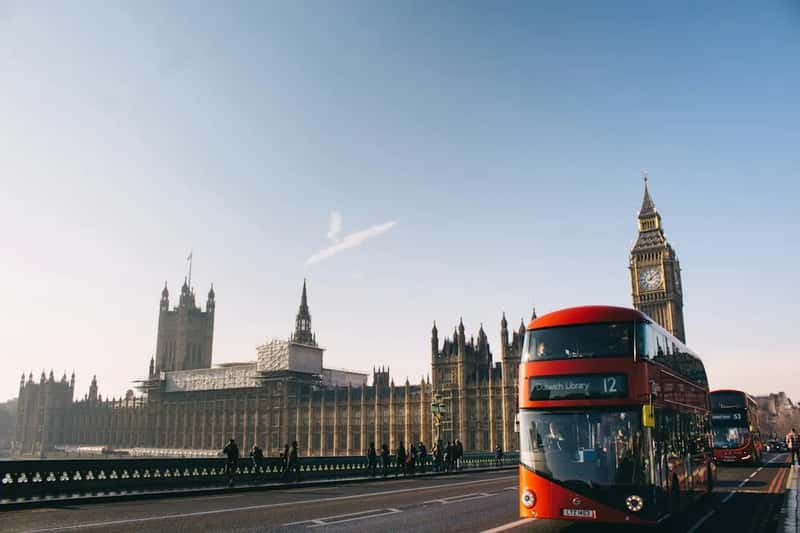
Americans don’t need a full visa for the UK, but they do need permission before they board. The Electronic Travel Authorisation applied to U.S. passport holders, including babies and children, from January 8, 2025.[10] Since February 25, 2026, American travelers must hold an approved ETA before boarding flights, ferries or trains to the UK.[11]
The fee rose to £20, roughly US$27, on April 8, 2026.[12] It stays valid for two years or until your passport expires, with stays of up to six months per trip.[13] It’s a digital permission to travel, not a visa, and not a guarantee of entry.[10]
Cuba

Cuba changed its entry system in the middle of 2025. A new eVisa went into effect on July 1, 2025, and replaced the country’s tourist cards.[1] For many travelers that’s a welcome simplification.
The visa costs $50 and takes about five business days to arrive.[1] Keep in mind that a Cuban entry document is separate from U.S. rules about travel to the island, which have their own restrictions. Check both sides before committing to a trip.
Kenya

Kenya moved away from traditional visas at the start of 2024. As of January 1, 2024, the country rolled out an electronic travel authority.[1] Americans apply online ahead of arrival.
Published prices vary. One travel magazine listed the fee at $30 with three business days for processing[1], while another 2026 guide listed a fee of $51 with two to three business days.[4] The gap suggests the figure may have been updated or may include service charges, so use the official Kenyan portal to confirm what you’ll actually pay.
Egypt

Egypt gives Americans two ways in. U.S. travelers can get a visa on arrival, but you’ll save a lot of time by using the country’s eVisa system.[1] The tradeoff is that you won’t get a sticker in your passport.
For a trip built around the pyramids and the Nile, standing in a visa line after a long flight is an avoidable annoyance. Applying online beforehand lets you walk to immigration with the paperwork already settled. Fees and processing details change from time to time, so confirm them with Egypt’s official eVisa portal.
Russia

Russia is a very different case from the easy online systems above. A visa is required, and obtaining one involves a formal application process through a Russian consulate or embassy.[6] Common requirements include a passport, an invitation letter, and the application itself.[14]
One guide puts a tourist visa at $198 or more, with roughly ten business days of processing and 30 days of stay on a single entry.[4] Current geopolitical tensions have made Russia an even more challenging destination for Americans.[6] Review official U.S. government travel advisories before considering any trip.
Bhutan

Bhutan has some of the most controlled tourism rules in the world. A visa is required and must be approved in advance, and processing takes a minimum of seven days.[7] Tourists can’t book air travel to Bhutan without this visa clearance.[7]
There’s also a daily charge. Americans must pay a Sustainable Development Fee, which funds the country’s conservation and tourism management programs.[6] One 2026 guide lists the visa at $40 plus $100 per day.[4] Plan the budget before the itinerary.
Indonesia

Indonesia, home to Bali, Komodo and Java, requires Americans to hold a visa. The visa is required but is also available on arrival.[7] An electronic version of the visa on arrival is offered for 30 days at major airports.[15]
The visa is good for 30 days and can be extended for another 30 days.[7] Visas for purposes other than tourism must be obtained from the Indonesian embassy.[7] If you plan to work or study there, don’t rely on the arrival option.