There’s a particular look that crosses a local’s face when they spot a tourist from fifty feet away, and it usually has nothing to do with the camera around their neck or the map in their hands. It’s the small stuff, the habits people don’t even realize they’re broadcasting, that gives visitors away in an instant. Locals everywhere, from Rome to Bangkok, seem to notice the exact same handful of giveaways, and most of them have surprisingly little to do with looking “touristy” and everything to do with looking checked out.
1. Speaking louder than everyone else in the room

Walk into any crowded trattoria or subway car in a foreign city and there’s a good chance the loudest table or loudest phone call belongs to a visitor. It’s not always about volume for volume’s sake, it’s often nervous energy or the assumption that speaking louder somehow bridges a language gap. Locals clock this almost immediately, since most cultures outside a handful of loud-normal places tend to keep conversational volume noticeably lower in public spaces.
This shows up especially in places like Japan, where quiet train cars are practically sacred, or in parts of Northern Europe where public volume control is treated as basic etiquette. A tourist who hasn’t adjusted their volume reads as someone who hasn’t paused to notice their surroundings at all. It’s a tiny thing, but it’s one of the fastest tells locals mention when asked what gives visitors away.
2. Wearing head-to-toe athletic or outdoor gear for a city walk

There’s a very specific silhouette that says “tourist” before a single word is spoken: moisture-wicking shirts, cargo shorts, a fanny pack, and hiking sneakers, all worn to walk around a city center rather than an actual trail. Locals in cities like Paris, Milan, or Barcelona tend to dress in ways that blend function with a bit of polish, even for casual days. The all-technical-gear look signals that someone packed for comfort without considering that they’d be spending most of their day in urban, not wilderness, settings.
None of this is really about fashion snobbery. It’s more that clothing choices often reveal how much thought went into understanding a place before arriving. Locals notice when someone’s outfit looks like it was built entirely from a travel blog’s packing list rather than any awareness of the actual dress norms nearby.
3. Standing in the middle of sidewalks or metro entrances to check a phone

Nothing says “just landed” quite like stopping dead in the flow of foot traffic to squint at a phone screen. Locals who navigate the same streets daily develop an almost automatic rhythm, and someone freezing mid-sidewalk breaks that rhythm instantly. It happens constantly near metro exits, at the top of escalators, and right in doorways, exactly the spots where pausing causes the most disruption.
This habit isn’t really about being lost, since everyone gets lost sometimes. It’s about not noticing, or not caring, that the space belongs to a lot of other people trying to get somewhere too. A quick step to the side before checking a map is such a small adjustment, yet it’s one locals say instantly signals someone who’s paying attention.
4. Trying to pay for everything with a card in cash-preferred spots
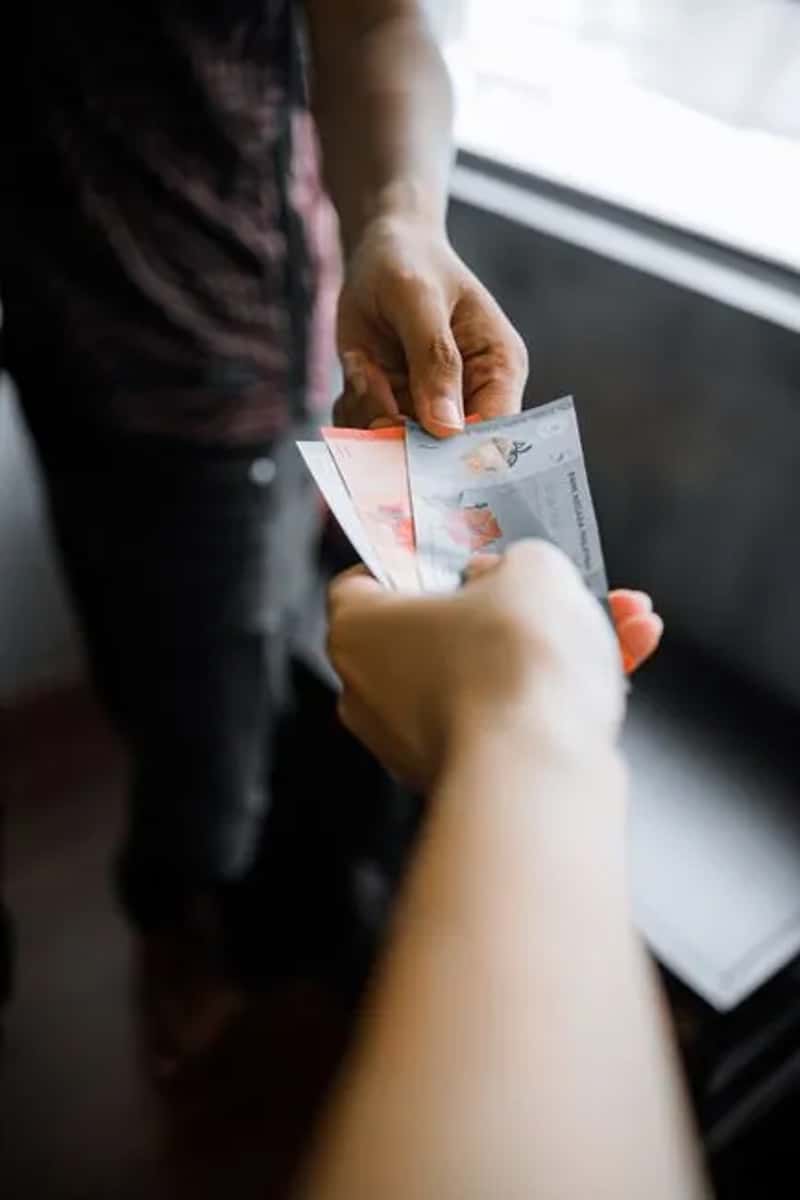
Card payments have become far more common across Europe and Asia since 2020, but plenty of small vendors, markets, and older cafés in cities like Rome, Lisbon, or Hanoi still prefer or require cash for smaller transactions. A tourist repeatedly pulling out a card at a stall that clearly only takes cash is a small but telling sign that they didn’t check local norms before heading out. Locals in these environments often notice the slight scramble that follows, along with the mild frustration on both sides.
This isn’t just about convenience, it also reflects whether someone looked into basic logistics before their trip. A few minutes of research on payment norms can prevent this exact moment, and its absence tends to stand out more than travelers expect.
5. Photographing food before understanding how to eat it

Food photography itself doesn’t bother locals, plenty of people photograph their own meals. What stands out is when a tourist photographs a dish, then visibly has no idea how it’s meant to be eaten, whether that’s fumbling with chopsticks meant for a specific technique, or missing that a certain broth is meant to be sipped straight from the bowl rather than spooned. Locals notice this gap between documenting an experience and actually engaging with it.
In cities with strong food cultures like Osaka, Bangkok, or Naples, food etiquette often carries real weight. Getting it slightly wrong isn’t a big offense, but it does signal someone who prioritized the photo over the moment. A little pre-trip curiosity about local eating customs tends to close this gap fast.
6. Blocking landmarks for extended photo sessions
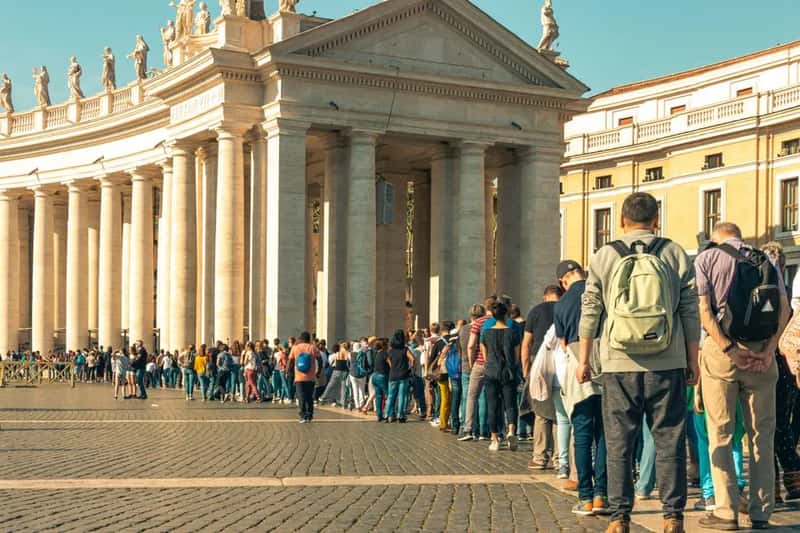
Everyone wants a good photo, and that’s completely reasonable. What locals notice is the tourist who treats a narrow street corner or small landmark entrance like a personal photo studio, holding up foot traffic for several minutes at a time. This is especially common at compact, high-traffic spots like Trevi Fountain in Rome or the narrow lanes leading to Kyoto’s older temples.
The issue isn’t the photo itself, it’s the lack of awareness that other people are also trying to see or pass through the same spot. A quick glance around before setting up a shot, and a willingness to move along after a minute or two, makes a noticeable difference. Locals tend to describe this less as rudeness and more as simply not looking up from the phone screen long enough to notice the queue forming.
7. Asking for menu items or requests that don’t exist locally

Requesting substitutions, asking for ice in a country where it’s rarely used, or expecting a menu item that’s really only a thing back home are small moments that locals notice constantly in restaurants. It’s not that the requests are unreasonable in isolation, it’s that they reveal an assumption that local food culture should bend toward familiar habits. This comes up often in places like Vietnam, where iced drinks work differently than in the US, or in parts of France where modifying a classic dish is sometimes met with polite confusion.
Restaurant staff in tourist-heavy areas are usually patient about this, but locals sitting nearby notice the pattern immediately. It tends to read less as pickiness and more as a lack of curiosity about how food actually works in that specific place. A little flexibility, or simply asking what’s traditional, usually goes a long way.
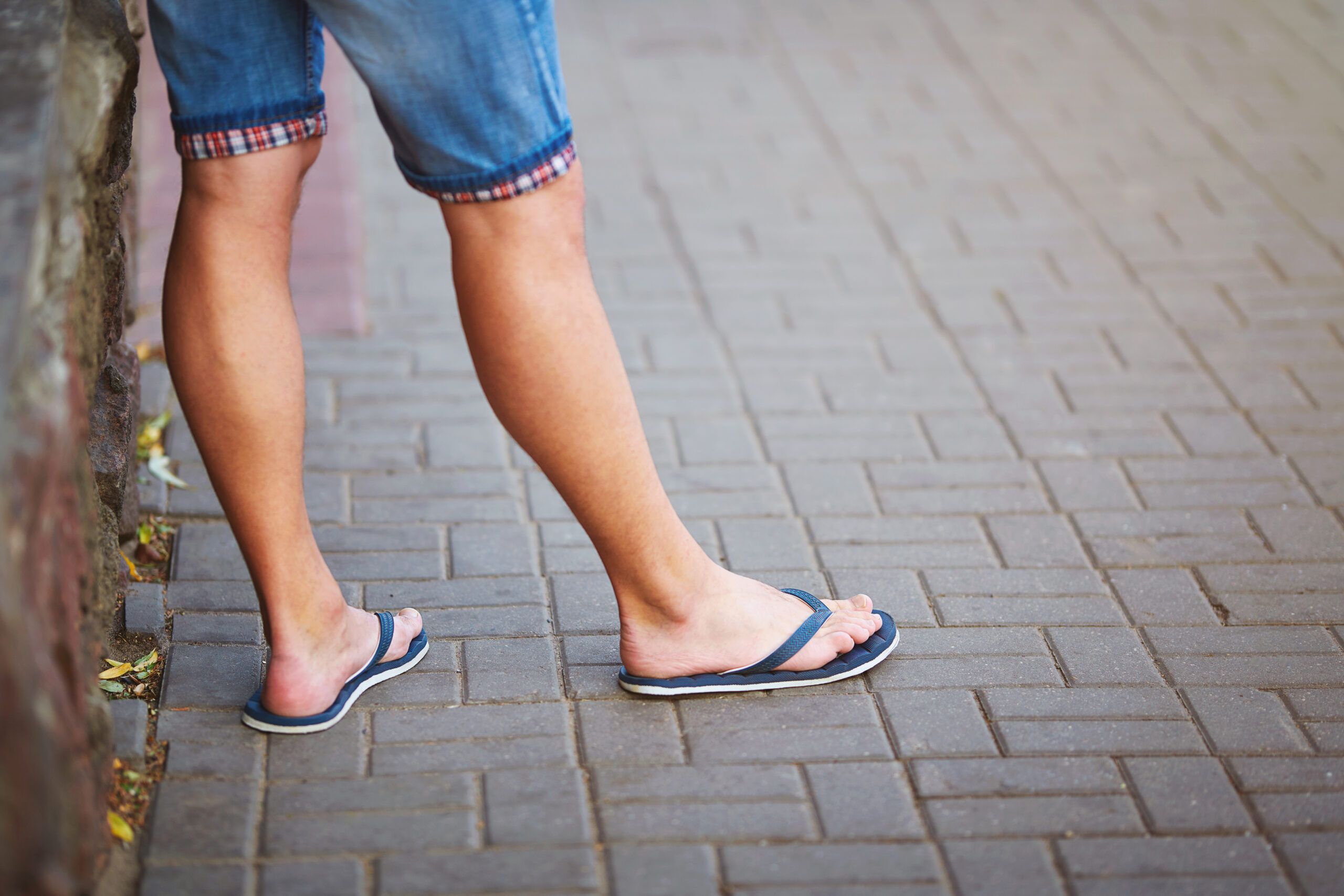
8. Wearing flip-flops or beachwear in places where it reads as underdressed

Beachwear makes sense on a beach, but wearing it into churches, museums, or upscale city centers is a fast way to stand out for the wrong reasons. Many European churches, including major sites in Rome and Florence, have long enforced dress codes that require covered shoulders and knees.
This extends beyond religious sites too. Walking into a nicer restaurant or evening event in beach sandals and shorts tends to signal that someone didn’t think through the different contexts of their day. Packing one slightly more polished outfit solves this without much effort at all.
9. Ignoring queue customs or personal space norms
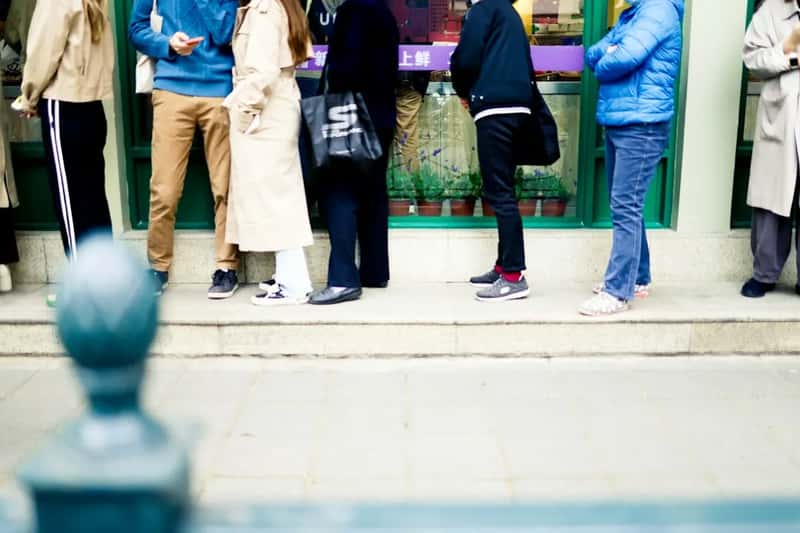
Queuing etiquette varies more across the world than most travelers expect, and getting it wrong is one of the quickest ways to draw local attention. In the UK, breaking a queue is treated with real seriousness, while in parts of Southeast Asia, the concept of a strict single-file line is far looser and more fluid. Tourists who apply their home country’s queue logic to a different culture, whether too rigid or too relaxed, tend to stick out immediately.
Personal space follows a similar pattern. Standing too close while talking, or maintaining unusually distant space in cultures where closer contact is normal, both register as small signs of someone unfamiliar with local rhythms. Locals rarely comment on it directly, but they notice it almost every time.
10. Not learning a handful of basic local phrases

Fluency isn’t the expectation, and no local anywhere expects a two-week visitor to master a new language. What stands out is when someone doesn’t even attempt hello, please, or thank you, relying entirely on English and assuming it will carry them through every interaction. This happens frequently in countries like Japan, South Korea, and France, where a small verbal effort is often met with visible warmth in return.
The gap between zero effort and minimal effort is enormous in how it’s perceived. Even mispronounced, a few basic phrases show that someone acknowledged they’re a guest in another culture rather than expecting the culture to accommodate them entirely. Locals tend to notice, and respond to, that small gesture far more than travelers realize.
11. Overpacking daily bags with every valuable at once

There’s a specific tourist look that involves wearing a passport pouch, a large camera, a phone in hand, and a backpack, all at once, in broad daylight in a busy city center. Locals notice this less as a safety measure and more as a kind of visible anxiety, one that can occasionally attract exactly the attention it’s trying to avoid. Cities with higher pickpocketing rates in tourist zones, like Barcelona or parts of Paris near major landmarks, see this pattern constantly.
Local residents in these same areas typically carry far less visible gear day to day, blending in rather than broadcasting where their valuables are. The instinct to protect belongings is understandable, but the execution often ends up drawing more eyes than it deflects. A slimmer daily setup tends to look, and function, better in practice.
12. Assuming tipping and service norms are the same everywhere
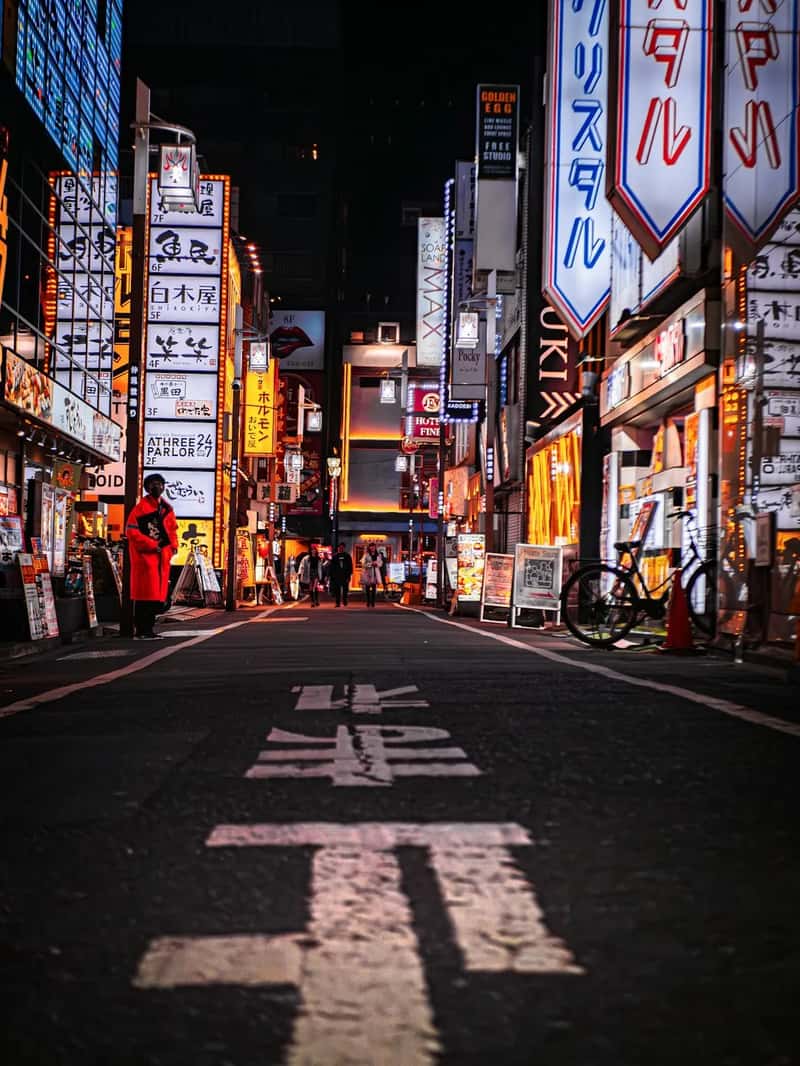
Tipping culture varies enormously by country, and applying one country’s habits to another is one of the more common small mistakes locals notice. In Japan, tipping isn’t standard and can occasionally cause visible confusion for the person receiving it. In the US, meanwhile, skipping a tip on a sit-down meal is often seen as a real oversight rather than a stylistic choice.
Locals in service industries notice this instantly, since it’s one of the clearest signals of whether a visitor did any homework before arriving. It’s a small logistical detail, but getting it wrong, in either direction, tends to leave an impression. A quick check on local tipping norms before a trip remains one of the easiest ways to avoid this particular giveaway.
None of these twelve habits are dealbreakers, and no single one turns a trip into a disaster. What they share is a common thread: they’re small signals of whether someone paused, even briefly, to think about the place they’re visiting rather than just the place they left. Locals notice, mostly because these details are so easy to get right with just a little attention.