
Filling up a gas tank in the United States is no longer something most drivers do without wincing. The average cost of gasoline in the U.S. sits at around $4.29 per gallon as of June 2026, a figure driven up by supply disruptions and geopolitical conflict. To fill up the average gas-powered car with a 14-gallon tank, you’re looking at spending roughly $110 at the pump. That’s a real number. And in certain parts of the world, that single fill-up comfortably covers an entire month of rent.
The comparison sounds absurd until you look at actual data. Crowdsourced platforms like Numbeo and reports from International Living consistently show that in dozens of countries, a decent one-bedroom apartment can be rented for well under $110 a month, especially outside capital city centers. These aren’t war-torn or inaccessible places either. Many are thriving, culturally rich, and increasingly popular with remote workers and retirees. Here are thirteen of them.
1. Bolivia: South America’s Most Overlooked Bargain
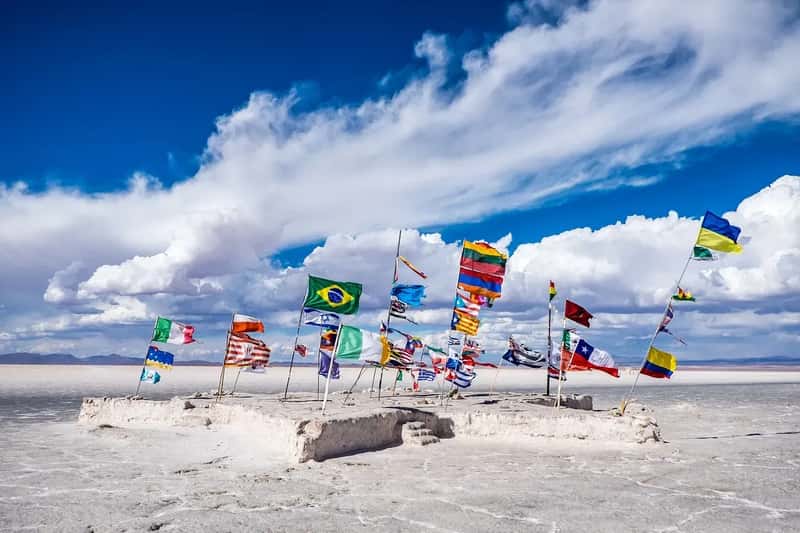
Bolivia consistently ranks among the countries with the cheapest housing rent in South America. According to Numbeo data for 2025 to 2026, the average rent for a one-bedroom apartment runs about $250 to $340 in city centers and as low as $180 to $260 outside central districts, making it one of the most affordable long-term rental markets in the region. Outside the major cities, that number can drop even further.
For larger housing, a three-bedroom apartment costs on average around $450 to $700 per month, which is significantly lower than similar offers in most South American capitals. The pace of urbanization in Bolivia is slower than in neighboring economies, which keeps pressure off housing prices. For anyone content with a modest city-edge apartment, finding a place under that $110 benchmark is genuinely realistic.
2. Nepal: Where a Tank of Gas Covers Several Weeks of Shelter

Nepal is one of the countries where locals spend the least on everyday living. In these places, a person needs less than $430 per month to live comfortably, covering not just rent but food, transportation, and daily essentials. Rental prices for basic apartments in cities like Pokhara can sit well beneath the $100 mark, particularly in neighborhoods away from the tourist zones.
Nepal appears on both Numbeo’s and LivingCost’s lists of the least expensive countries to live in. The combination of low labor costs and locally produced goods keeps everyday pricing extremely manageable. For those with a modest remote income, Nepal represents a genuinely livable destination where housing costs barely register.
3. Pakistan: Among the Cheapest on Any Global Index
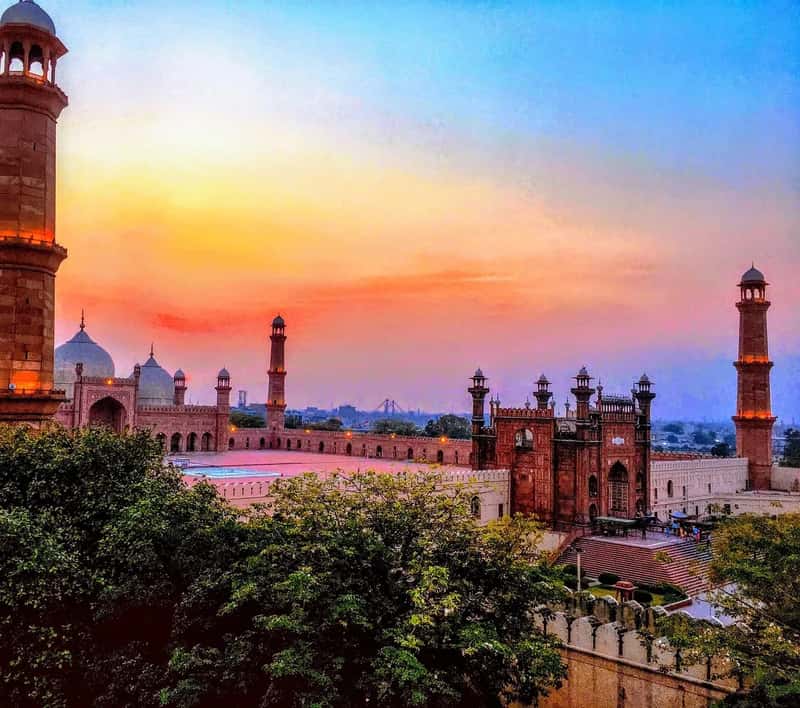
The lowest cost of living countries, according to an Immigrant Invest 2026 report, include Pakistan, with factors considered covering housing, utility and food costs, and the affordability of goods and services. The overall monthly cost of living per person in Pakistan is just $332. That figure includes rent, food, and transport together.
Basic apartment rentals in smaller Pakistani cities like Lahore or Peshawar regularly come in under $80 a month for unfurnished units outside city centers. The country has well-documented infrastructure and safety challenges, so it isn’t the right fit for every traveler. Still, from a pure housing cost standpoint, few places on earth offer shelter this inexpensively.
4. Egypt: A Historic Country With Rock-Bottom Rent
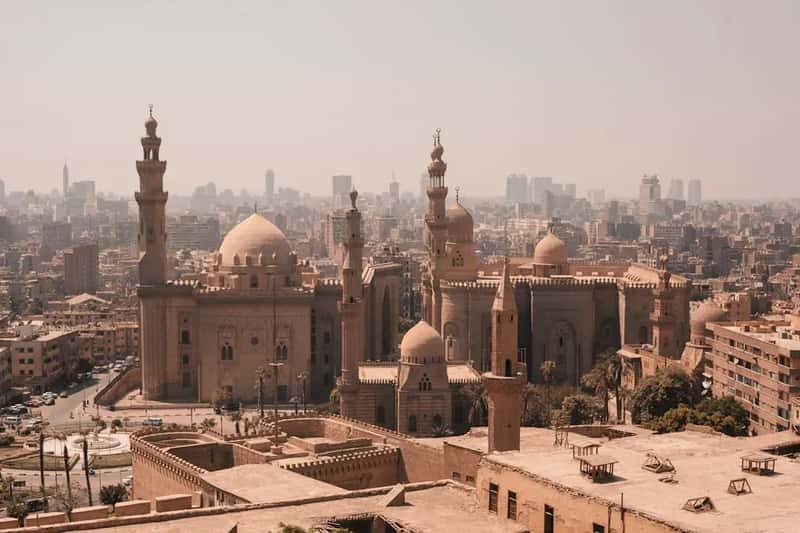
Egypt appears on both Numbeo’s and LivingCost’s lists of the least expensive countries to live in. In cities outside Cairo, monthly rent for a basic one-bedroom apartment can fall well under $100, driven by a combination of a weaker currency and lower local wage levels. Cairo itself is more expensive in tourist-facing neighborhoods, but outer districts tell a different story.
Egypt ranks among the top five cheapest countries globally according to Numbeo’s 2026 Cost of Living Index. Government support on essentials such as fuel, food, and electricity further reduce the price of everyday necessities. For long-stay visitors and expats willing to adapt to local living standards, Egypt consistently offers some of the most affordable housing on any continent.
5. Vietnam: Modern Comforts at Fraction-of-Home Prices

Cities like Da Nang and Nha Trang offer low living costs, modern infrastructure, and pristine beaches. Food and housing in Vietnam are almost two-thirds cheaper than in the U.S. as of 2026. That gap is striking by any measure. A furnished one-bedroom apartment in Hanoi’s Old Quarter, with weekly housekeeping and all utilities included, can be found for around $494 per month in the more desirable neighborhoods.
Move to a secondary city or a less central district, and rents drop considerably from there. Street food is fresh, delicious, and cheap, roughly $3 for a filling bowl of noodles, and a nice mid-range restaurant dinner runs about $6. Vietnam’s mix of urban convenience, natural beauty, and exceptionally low housing costs has made it a consistent favorite among digital nomads since the early 2020s.
6. Indonesia (Bali): Tropical Living for Less Than a Fill-Up

Many expats in Indonesia avoid tourist-heavy seasons by heading inland or to the west coast of Bali, where rents can be as low as $400 per month. In less-visited parts of the island and in cities like Yogyakarta or Solo on Java, that figure drops even further. Basic local apartments outside tourist corridors frequently rent for under $100.
Bali’s appeal isn’t just in its affordability – it’s in the lifestyle: beach mornings, fresh food, friendly locals, and real opportunities to enjoy life for less. Some expats report renting a villa with a tropical garden and a plunge pool for $385 a month, with utilities rarely exceeding $50. The variance in Indonesia is wide, but the affordable end of the market genuinely exists.
7. Morocco: Half the Cost of an American Southwestern City

Living in Marrakech costs about half what it does in Albuquerque, New Mexico, a city with a similar climate and historic character. Rents are roughly 72% less. That’s a dramatic spread. Morocco’s Atlantic coast cities like Essaouira and Agadir are even less expensive than Marrakech, with local neighborhoods renting comfortably under $150 a month.
Morocco benefits from strong agricultural output, subsidized utilities in many areas, and a large informal rental market that keeps prices low for long-term stays. Its proximity to Europe has made it a growing destination for remote workers seeking warm weather, fast internet, and affordable living. The housing math is hard to argue with.
8. Georgia (the Country): A European-Adjacent Bargain That’s Getting Noticed
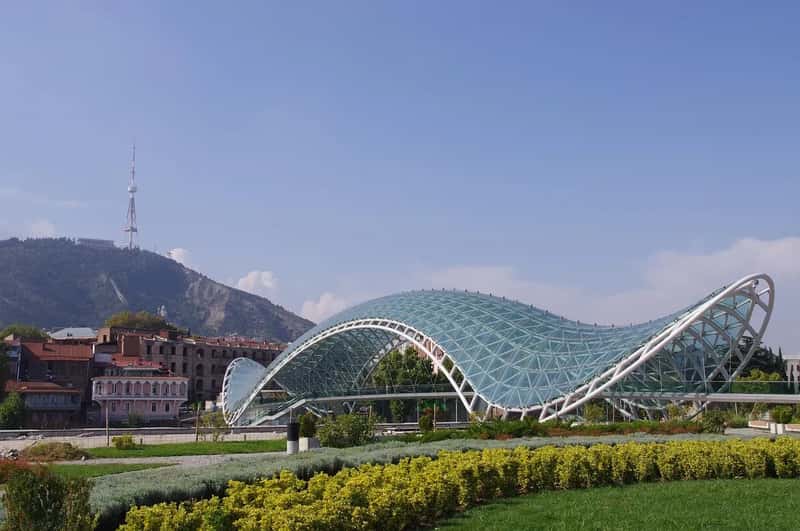
The average price for a one-bedroom apartment in the Tbilisi city center stands at $760, while outside the central area it’s around $500. Moving away from the capital, rental prices become even more affordable. In Batumi, for example, a one-bedroom apartment in the city center costs $530, while on the periphery it’s $390. In smaller Georgian towns, monthly rents well under $200 are common.
Georgia boasts one of Europe and West Asia’s lowest costs of living. According to Numbeo, Georgia ranked eighth most affordable in the region in 2025 and 2026. The country’s 365-day visa and 1% freelancer tax are often cited as major draws for remote workers. Tbilisi’s café culture, mountain access, and relatively smooth bureaucracy have pushed it firmly onto the global nomad map.
9. Colombia: City Comfort Well Below the Gas Tank Threshold

According to Numbeo, the average rent in Medellín for a one-bedroom apartment in the city center is $621, about half the average in Mexico City and roughly 70% lower than the average in Denver. Step outside the city center, or look to secondary Colombian cities like Manizales or Pereira, and rents fall even further. In those markets, a clean one-bedroom under $150 is not unusual.
According to Numbeo’s regional ranking, the lowest rental levels among South American countries are currently found in Bolivia, Paraguay, Ecuador, Colombia, and Peru. These countries lead not only in low rental prices but also in overall affordability of living costs. Colombia’s combination of good infrastructure, reliable internet, a spring-like climate in cities like Medellín, and low housing overhead has built it a devoted following among long-stay visitors.
10. Albania: Europe’s Cheapest Rental Market Right Now

Based on comparative rent indices across European countries, the lowest levels are typically found in Romania, Bulgaria, Albania, Greece, and Serbia. In the Numbeo dataset for Europe in 2025, their Rent Index values fall within a notably low range, where lower values indicate cheaper rents. Albania consistently holds the bottom of that list. Outside Tirana, a furnished one-bedroom often rents for $150 to $250 per month.
When focusing on long-term rentals, the lowest price levels are most often found in parts of the Balkans and Eastern Europe. Albania’s Adriatic coastline, increasingly good road infrastructure, and fast-improving internet connectivity make it more livable than it was even five years ago. For Europeans especially, it remains one of the few places on the continent where a gas fill-up genuinely outpaces a month’s rent.
11. Thailand: Southeast Asia’s Longstanding Affordable Haven

Healthcare is a standout advantage in Thailand. Whether it’s dental work or major surgery, quality is excellent and the cost is about a third of what you’d pay in the U.S. Housing follows a similar pattern. In cities like Chiang Mai, a basic one-bedroom apartment outside the city center regularly rents for $150 to $250. Chiang Mai remains one of the cheapest places to retire in the world, offering affordable living alongside a comfortable and pleasant lifestyle.
One expat living just outside Pattaya reports a comfortable, relaxed lifestyle for around $2,000 a month, covering housing, utilities, food, entertainment, and healthcare. Even after more than a decade, expenses haven’t changed much. For those willing to live more modestly, housing alone can sit far below the price of a single American gas fill-up, especially in smaller northern or northeastern Thai cities.
12. Paraguay: South America’s Quiet Outlier
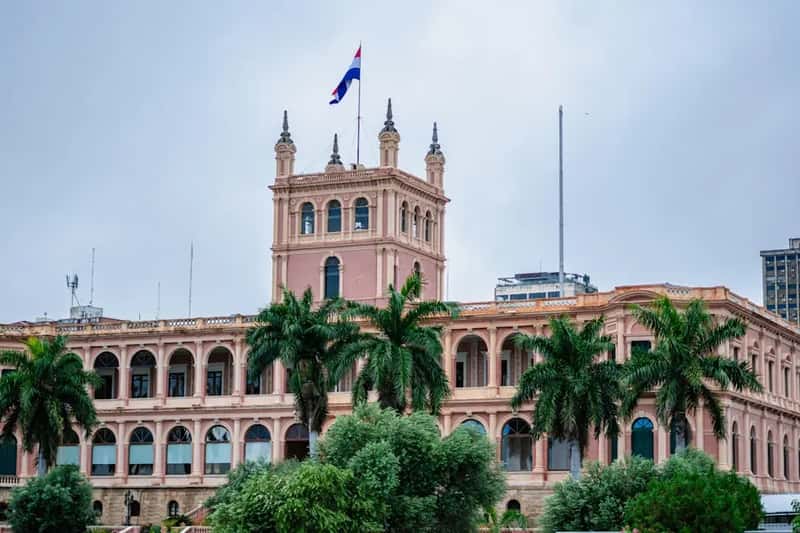
Paraguay is considered one of the most underrated rental housing markets in South America. In Asunción and in smaller cities, basic one-bedroom apartments outside central districts frequently rent for $150 to $250 per month. Even with an income of around $1,000 to $1,200 per month, it is possible to maintain a relatively comfortable lifestyle in many major cities in the region, especially when renting housing outside central districts.
A single public transport ride in cities like Asunción typically costs about $0.30 to $0.80, while a monthly unlimited transport pass costs around $20 to $40. Paraguay doesn’t generate the same travel buzz as Colombia or Thailand, but that relative obscurity is part of what keeps prices down. Expat communities remain small but steady, and the cost of shelter competes with almost nowhere else in the Western Hemisphere.
13. Malaysia: Modern Infrastructure, Genuinely Affordable Rents

A move to Malaysia offers affordable housing and excellent street food, while the country’s healthcare system is ranked among the world’s best by the World Health Organization. Compared to London, Penang has a 60.8% lower cost of living, 87% lower rents, and 38.8% cheaper groceries. Its blend of cultural diversity, modern amenities, and beaches makes it an ever-popular destination.
In cities like Ipoh, Kuching, or Kota Bharu, monthly rent for a one-bedroom apartment can fall well beneath $200. Even in Kuala Lumpur, moving outside the immediate city center brings rents into a range that many Americans would associate with a single night in a midrange hotel. Malaysia’s affordability is especially striking given that the country offers a genuinely high standard of urban infrastructure, fast internet, and a functioning healthcare system alongside those low housing costs.
The thread connecting all thirteen of these countries is straightforward: housing is so deeply tied to local wage levels and purchasing power that what feels like pocket change in one economy represents serious money in another. In 2026, the U.S. is seeing some of the highest gas prices in recent memory, peaking at $4.55 per gallon in May following the closure of the Strait of Hormuz, roughly 54% higher than they were just a few months earlier. That spike makes the comparison even starker. A tank of gas that costs $110 in suburban America still buys a full month of shelter in more places than most people realize, and for those with location flexibility, that gap is quietly one of the most meaningful financial opportunities of the current decade.