You bought the same ticket as everyone else and sit on the same train. Yet after enough mornings on one line, something shifts. The crew starts handing you small favors that most people on board never know exist.
None of them are printed on a ticket or posted on a sign. Some save you money, some save you a long walk, and a few have nothing to do with trains at all. Start at #26, where the smallest ones live, because #1 is the one riders tend to remember longest.
#26 – The Nod That Says “I Know Your Seat”

The smallest courtesy may be the most telling. Regulars often get a quick nod from the conductor as they settle into the same spot every day. Staff notice patterns, even when they say they don’t.
That nod means you’ve been filed away in their mental catalog. Many crew members say they recognize regulars by habit long before they learn a name. It costs them nothing, and it’s the first sign you’ve crossed over.
But that’s nothing compared to what comes next at #25…
#25 – The Quiet Tip About Where the Doors Won’t Open

Some stations have platforms shorter than the train. Most people don’t realize it until they’re standing at a door that refuses to budge.
Regulars often get a quiet heads-up before it happens. A conductor may simply tell you which cars to move to well before your stop. Newcomers usually find out the hard way, with a sealed door and a frantic shuffle down the aisle.
And the next courtesy is one nobody asks for out loud…
#24 – A Casual Wave Toward the Calmer Car

Every commuter train has one car that fills up first and one that stays half empty. Staff know exactly which is which.
A regular might get a small pointing gesture toward the quieter car. It’s an unofficial favor, and it can save a whole trip’s worth of standing. Strangers rarely get that tip unless they ask directly.
Wait until you see what happens when the schedule goes sideways at #23…
#23 – The Speedy Ticket Glance
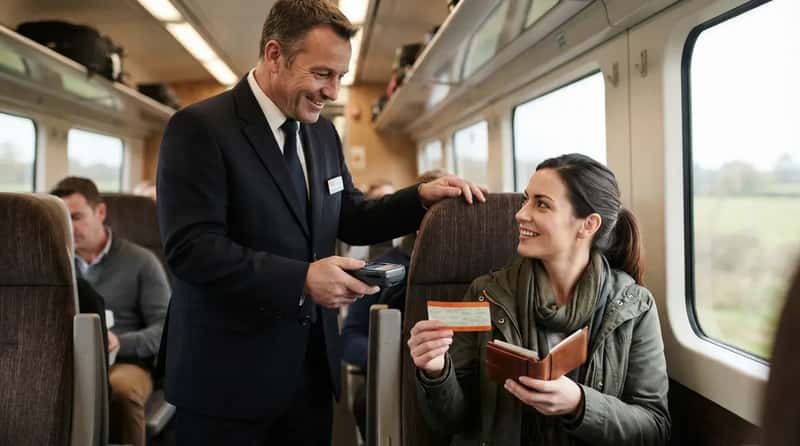
Tickets still get checked, and nobody should expect a free pass. But regulars often notice the check feels faster and friendlier.
A familiar face with a familiar pass usually earns a quick look and a “thanks.” Crew members tend to relax when they’ve seen you with the right ticket a hundred times. The rules haven’t changed, but the tone has.
At a Glance
- What stays the same: You still need a valid ticket or pass.
- What changes: The check gets shorter and warmer.
- Why it happens: Repeat sightings build quiet trust.
- Your part: Have the pass ready before the crew reaches your row.
Next up is a courtesy that beats the official announcement…
#22 – The Delay Warning Before the Speaker Crackles

Official announcements often come late. Regulars sometimes hear the news first, in a low-key word at the door or in the aisle.
That head start matters when you’re deciding whether to switch trains or text your boss. Staff often know about a problem minutes before the public system says a word. Passing it on quietly is a favor, not a policy.
The next one turns up at the kiosk, and it involves coffee…
#21 – The Coffee Order Someone Already Remembers

At station cafés and onboard snack counters, the regular gets a different kind of service. The cup is already moving before you finish saying hello.
It’s a small thing, and it’s the clearest sign you’ve been absorbed into the place. Remembering an order is one of the oldest forms of loyalty in any service job. It tells you the person behind the counter sees you as a person, not a line item.
But the next courtesy comes with a catch…
#20 – The Extra Few Seconds at the Door

Everyone has run for a train. Sometimes, when staff spot a regular sprinting down the platform, they glance back before signaling departure.
Safety rules and schedules come first, and nothing here is guaranteed. Whether a crew can wait at all depends on the operator, the delay risk, and the moment. When they can, regulars are the ones who tend to benefit.
Up next is a courtesy that quietly saves you a long walk…
#19 – The “Take the Back Stairs” Shortcut

Big stations can feel like mazes. Staff know which stairs, elevators, and exits shave minutes off a connection.
Regulars hear it as an offhand remark: “Use the far exit, it’s quicker.” That one line can rescue a tight transfer. First-timers usually follow the crowd and end up in the slowest line.
The next courtesy involves a detail most riders never think to ask about…
#18 – Which Platform Is Coming Before It’s Posted

Platform changes happen, and the board doesn’t always update right away. Crews often know in advance.
A regular may get a quiet “It’ll be platform four today” before the screen catches up. Being early to the right platform can mean the difference between a seat and standing. It’s a small head start, and it adds up over months.
Then there’s #17, which has saved more than a few umbrellas…
#17 – The Umbrella They Quietly Set Aside

Things get left on trains every day. Regulars often get a kind of personal follow-up that strangers don’t.
A crew member who recognizes your scarf or bag may hold it for you rather than send it straight to the lost property office. It happens informally, and it depends entirely on the person. Official lost property procedures still exist for a reason.
The next courtesy is about money, and it can add up fast…
#16 – The Whisper About a Cheaper Ticket

Fares can be confusing. Off-peak options, multi-ride passes, and discount cards aren’t always obvious.
A conductor who sees you every week may mention a better fare for how you actually travel. Many riders say they only learned about a cheaper option after months of overpaying. Friendly staff often know the rules better than the ticket machine explains them.
Hang on, because #15 is about helping with the heavy stuff…
#15 – A Hand With the Luggage Nobody Offered a Stranger

Staff are busy, and lifting bags isn’t always part of the job. Still, regulars sometimes get an unprompted hand.
It might be a suitcase onto the rack or a stroller over the gap. These moments often come from simple familiarity, not official duty. Many crews say they’d help anyone who asked, but regulars rarely have to ask.
The next one is easy to miss, and it makes a big difference for some riders…
#14 – The Ramp Is Ready Before You Ask

For riders who need step-free access, smooth boarding depends on staff knowing in advance. Regulars often don’t have to explain it all over again.
A crew that knows your stop may have the ramp ready when you arrive. Many railways also offer formal assistance booking, and using it makes the process more reliable. The informal courtesy is a bonus, not a substitute.
Next comes a courtesy that sounds small until a gate fails…
#13 – The Warning About the Broken Gate
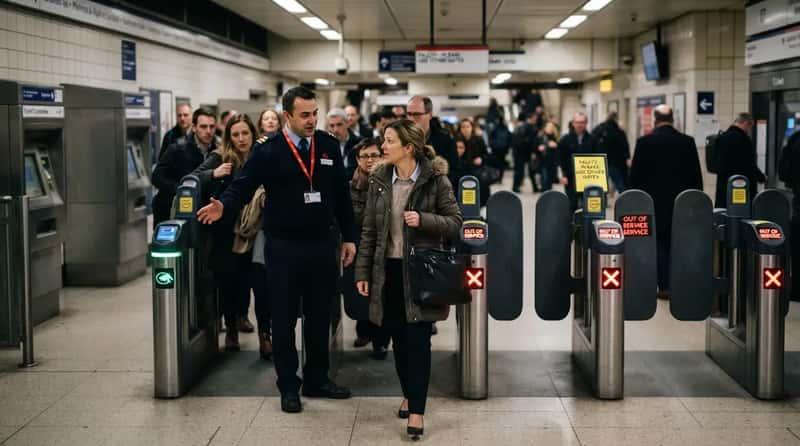
Ticket machines and fare gates fail at the worst possible moments. Staff see it first.
A regular might get a quick “Use the left gate today.” That tip saves you from a stuck queue while the train is already boarding. It’s the kind of local knowledge that never gets posted anywhere.
Quick Compare
- The newcomer: Finds the broken gate by reaching it, then joins the pile-up.
- The regular: Hears “left gate today” before getting near the turnstiles.
- The result: Same station, same minute, very different walk to the platform.
The next courtesy takes place at the very start of the day…
#12 – The “Good Morning” That Sets the Tone

A greeting costs nothing, yet it’s one of the clearest signs of a regular. Staff say hello by name, or at least by face.
For a commuter on a rough morning, that greeting can land harder than expected. Researchers who study loose social ties find that brief, friendly contacts can lift a person’s mood. Rail workers see that effect up close every day.
Wait until you hear what happens when a regular falls asleep at #11…
#11 – The Gentle Tap Before Your Stop

Commuters doze off. Crew members who know your routine sometimes spot it and step in.
A soft tap on the shoulder, and you’re up before the doors close. It’s an informal favor, and it only works because someone remembered where you get off. Strangers on a long route rarely get that kind of attention.
The next courtesy comes in handy on crowded platforms…
#10 – Where to Stand for the Fastest Exit

Where you stand on the platform decides how quickly you leave the station. Staff know the exact spots.
Regulars hear it casually: “Stand near the front car, the stairs are right there.” Positioning yourself well can save several minutes on a tight transfer. It’s the sort of tip that only comes after you’ve shown up enough times.
But the next courtesy goes beyond convenience…
#9 – The Straight Talk About Slow Track Days

Weather, maintenance, and signal problems affect trains in ways riders can’t see. Crews often get a clearer picture.
A regular may hear an honest “It’ll be slow today, plan for it.” That candor is rarely shared with strangers, who tend to get the standard announcement. The honesty is a form of respect.
The next one shows how staff handle a regular’s mistake…
#8 – The Patient Fix When You Forget Your Pass

Everyone forgets a ticket eventually. How the crew responds often depends on whether they know you.
Policies still apply, and fares still have to be settled. But a familiar face often gets calm guidance instead of a lecture. A good crew member will point you toward the right fix, like a mobile ticket or a quick purchase.
Worth Knowing
- The courtesy changes the tone of the exchange, not the fare rules.
- Some operators accept proof of a valid pass later or sell a ticket onboard, but policies vary.
- A mobile ticket on your phone can solve the problem in seconds.
- Staying calm and straightforward usually goes further than a long explanation.
The next courtesy is more personal than you’d think…
#7 – The Lost Item Follow-Up Nobody Asked For

When you leave a bag behind, it can feel hopeless. Regulars sometimes get a call, a message, or a hand-off the next day.
That depends on the operator and the crew, not on any promise. Staff who know you by routine are far more likely to link a forgotten item to the right person. It’s a quiet payoff for years of showing up.
The next courtesy shows up once a year, and it’s easy to miss…
#6 – The Holiday Greeting and the Tiny Treat

Around the holidays, some crews hand out small greetings or simply wish regulars well. It’s rarely an official program.
It might be a card, a candy, or a simple “Happy holidays, see you next year.” Many commuters say these tiny gestures stick in their memory longer than any discount. They signal that the crew sees the same people year after year.
But #5 is where it starts to feel truly personal…
#5 – “We Haven’t Seen You Lately”

Miss a few weeks of your usual train, and someone might notice. Regulars sometimes come back to a warm “Where have you been?”
That small question says more than a loyalty card ever could. Being missed by a stranger who knows your face is a surprisingly strong feeling. It reminds you your routine isn’t invisible.
Coming up is a courtesy that welcomes new riders into the circle…
#4 – The Quiet Introduction to the Commuter Crowd

Regular riders form an unofficial community. Staff sometimes help new faces join in.
A conductor might say, “That’s the early crowd, you’ll see them every day.” That single line can turn a lonely commute into a familiar one. Over time, the same faces become part of your daily scenery.
The next courtesy comes before a big travel weekend…
#3 – The Heads-Up Before a Holiday Rush

Holiday weekends can overwhelm even a well-run railway. Staff see the crowds coming long before riders do.
A regular might hear, “Come early on Friday, it’ll be packed.” That advice can mean the difference between a seat and a long, standing journey. Official notices usually say the same thing, but a face-to-face reminder lands better.
But the next one is the gesture riders remember most…
#2 – The Wave From the Window as the Train Pulls Out

Few things say “regular” like a wave from a crew member as the train departs. It’s brief, and it’s easy to miss.
It happens on platforms, at crossings, and sometimes in passing. Many longtime riders say it’s the moment they realized the crew actually knew them. No policy requires it, which is exactly why it matters.
Why It Stands Out
- It costs nothing and gains the crew nothing, so it reads as sincere.
- It lasts a second or two, so only attentive people catch it.
- It isn’t in any rulebook, which makes it entirely personal.
- It echoes the quiet nod from #26, only now it goes both ways.
And the final courtesy says the most about why staff do any of this…
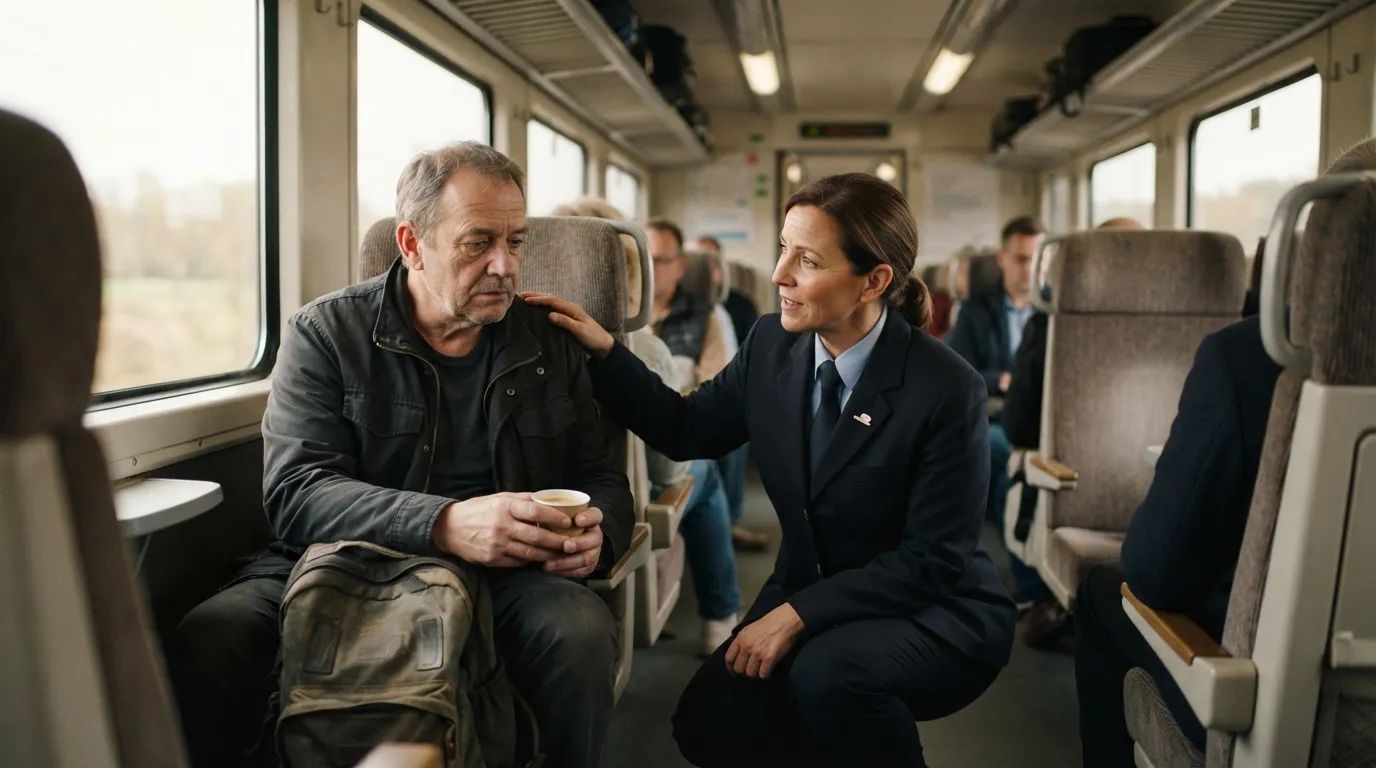
#1 – The Quiet Check-In When Something Seems Off
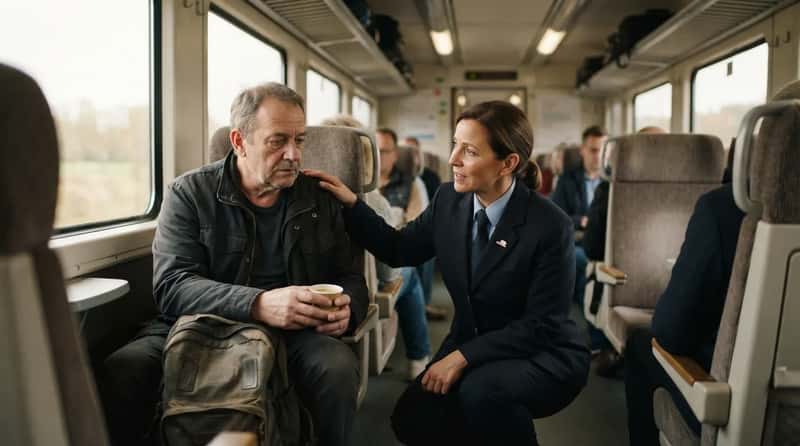
Crew members spend years watching the same people. They notice when a regular looks tired, upset, or unwell.
A calm “You okay today?” can reach someone who badly needed to hear it. Staff on many networks are encouraged to look out for passengers who may be struggling. Familiarity makes that kind of care possible, and strangers rarely give anyone the chance.
That’s the thread running through every item on this list.
None of these courtesies are guaranteed, and none are in a rulebook. They grow out of familiarity: a nod, a warning, a quiet “you okay?” The crew isn’t playing favorites. They’re human, and they notice the people who keep showing up.
Ride the same line long enough, and the train starts to feel a little like a small town on wheels.