

Traveling is one of life’s most beautiful experiences – new places, different cultures, smells, colors, and of course, flavors that can completely amaze us. But how often have you thought about what’s actually behind those tempting local delicacies? Have you ever wondered how safe it really is to eat something that looks perfect but comes from an unknown source and is prepared in a way you’re not used to? When traveling through different countries, your stomach is often the first “explorer,” and sometimes an unplanned encounter with local food can end badly. Even a small lapse in judgment can lead to discomfort that lasts for days and limits your ability to enjoy the destination.
Many situations can be easily avoided if you know which foods carry a higher risk. Food that is perfectly safe in your country might cause digestive problems, allergic reactions, or even food poisoning when you’re abroad. When traveling, the last thing you want is to spend your days in your hotel room battling stomach issues instead of exploring your destination. Knowing in advance what to avoid and how to spot risky foods is essential. In this article, we’ll reveal 13 foods to avoid while traveling and tips to stay healthy while exploring the world. Understanding these risks allows you to fully enjoy local cuisine without jeopardizing your trip.
Raw Meat and Sushi
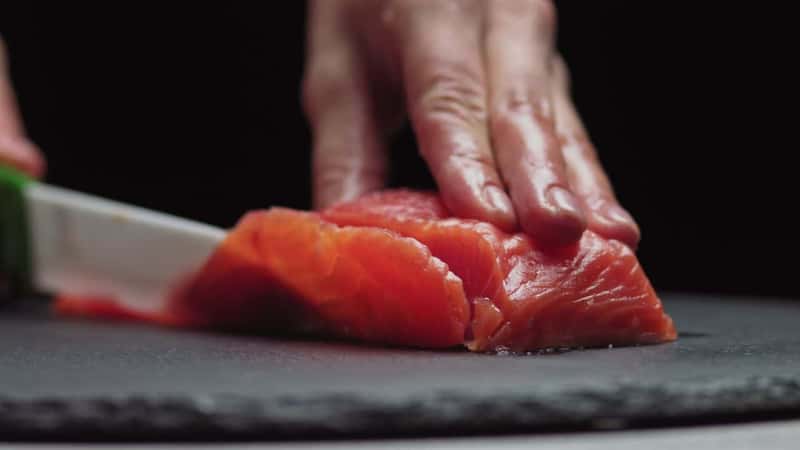
Raw meat is extremely risky for travelers because it can be easily contaminated with bacteria like Salmonella or E. coli, which your body may not recognize. Even if local residents eat such food without issue, your stomach can react differently. Sushi and tartare are particularly risky – while restaurants in major cities often follow strict safety standards, smaller towns may not meet those same hygiene standards. Eating contaminated raw meat can lead to food poisoning, dehydration, and even more serious infections that may require medical attention. Always consider that raw meat dishes may look fresh, but the preparation process behind them can hide unseen risks.
If you love sushi or raw meat, choose only restaurants with proven reputations and positive reviews. Pay attention to staff hygiene, fish storage methods, and the freshness of the product. It’s safer to wait until you find a reliable place than to risk spending your day in bed due to food borne illness. Avoid street vendors serving raw meat, and remember that even small portions can cause significant stomach distress if contaminated. Taking extra precautions ensures you can enjoy local flavors safely without compromising your trip.
Unpasteurized Dairy Products
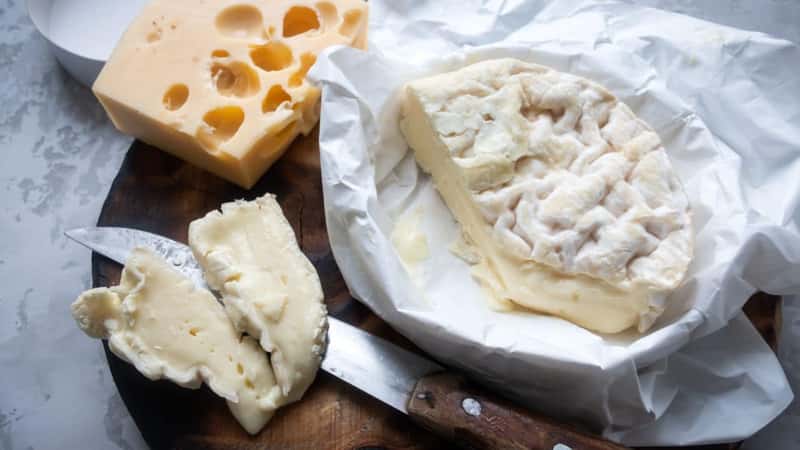
Unpasteurized dairy products, including cheese, milk, and yogurt, often contain bacteria that can cause serious digestive issues. Travelers are particularly susceptible because their bodies are not accustomed to local microorganisms. Small local producers or markets often lack strict safety controls, so even seemingly “natural” products can be dangerous. Consuming contaminated dairy can lead to diarrhea, stomach cramps, and fever, making sightseeing impossible for days. Even foods that look completely safe may carry bacteria invisible to the naked eye, so caution is essential.
To safely try local dairy, stick to supermarket-packaged or verified sources. Products that are pasteurized are much safer. Always check expiration dates and ask about pasteurization. Even when buying from trusted vendors, try a small amount first to test your body’s reaction. Avoid ice cream or fresh cheeses from street vendors if you are unsure about hygiene practices. A little patience allows you to enjoy dairy without ruining your travel experience.
Ice and Cold Drinks

Many tourists overlook ice, but in some countries, tap water is not safe to drink, which means ice can transmit bacteria or parasites, even if the beverage looks harmless. Your digestive system may react unpredictably, and a small mistake can lead to days of discomfort. Drinking unsafe beverages can ruin your trip before it even begins. Never assume that a cold drink is safe just because it looks clean – bacteria can survive freezing temperatures and still cause illness.
The safest option is bottled water and ice from reliable sources. If unsure how ice is prepared, it’s better to avoid it. Always check with the restaurant or café about their water source, and don’t assume that clear ice is automatically safe. Consider asking locals or hotel staff about the safety of tap water and ice in your area to prevent unnecessary illness. Small precautions like this can save a lot of trouble during your travels.
Fried and Oily Street Food
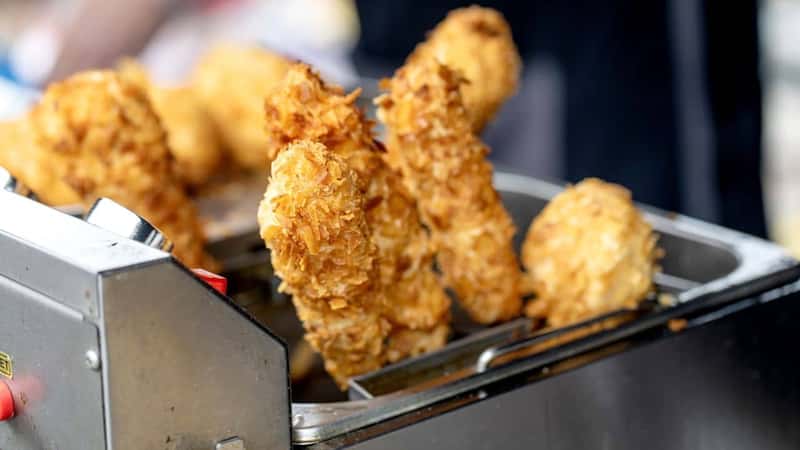
Street food is often tempting, with smells that attract even the most cautious travelers. But greasy food prepared in unhygienic conditions can cause digestive issues, and oil reused multiple times increases the risk of bacterial contamination and toxins. Consuming this food can result in diarrhea, stomach cramps, and nausea, which are particularly unpleasant during a long day of sightseeing. Street food may look fresh and appealing, but it often hides preparation shortcuts that put travelers at risk.
If you want to try local specialties, choose vendors with high food turnover and clean preparation areas. Freshly prepared items are much safer than those that have been sitting out for long periods, especially in hot climates. Observe how the food is stored and cooked; avoid anything that looks like it has been reheated multiple times. Eating small portions at first can also help minimize risk while still enjoying the flavors. Being selective ensures a tasty experience without compromising your health.
Unpasteurized Juices and Drinks Made With Tap Water

Locally squeezed juices look tempting, but if made with unboiled water, they can carry bacteria and parasites. The same risk applies to iced drinks, coffee, or tea prepared with tap water. Drinking contaminated beverages can quickly lead to stomach cramps, nausea, or diarrhea. Even drinks that appear freshly made can be unsafe if the water source is unreliable, so vigilance is key.
The safest approach is bottled water and drinks from trusted cafes or restaurants. Always ask how the water was used in preparation. Even seemingly harmless drinks can cause stomach issues if the water source is unsafe. Consider asking locals or your hotel about which drinks are safe, and avoid consuming anything that looks suspicious. Testing a small amount first is a smart precaution, allowing you to enjoy beverages without worry.
Unknown Shellfish and Seafood
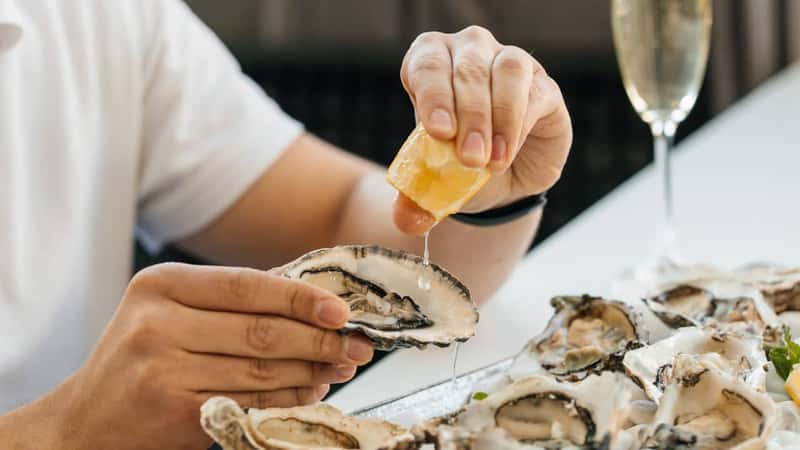
Shellfish and seafood can be extremely delicious but are also very risky if not fresh. Contaminated water or improper storage can cause serious digestive problems, including histamine poisoning or viral infections. Even a single contaminated oyster or shrimp can ruin a day of exploration. Eating seafood from untrusted sources increases the likelihood of exposure to harmful bacteria, which can be much more severe than a typical stomach upset.
To enjoy seafood safely, choose restaurants with high turnover and proven hygiene. Always verify that shellfish are fresh and fully cooked – raw shellfish are particularly dangerous in unfamiliar destinations. Avoid street vendors selling seafood in hot weather or during long hours of exposure. Observing local dining habits can also give clues about what is safe to eat. With careful selection, you can still indulge in seafood without putting your health at risk.
Street-Sold Eggs
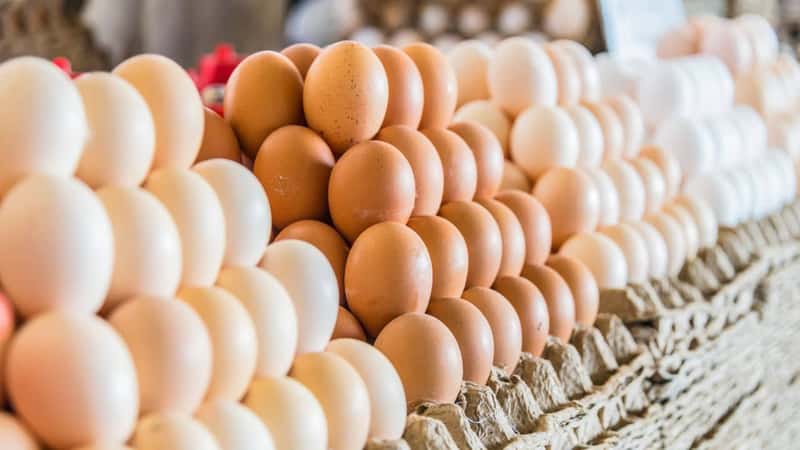
Street-sold eggs can be a tempting breakfast option, especially fried or boiled on the spot. However, they are often exposed to heat, dust, and unsanitary handling. Raw or undercooked eggs may carry Salmonella, causing severe food poisoning, which can derail your plans for days.
If you want to enjoy eggs, make sure they are thoroughly cooked and preferably from a trusted café or restaurant. Avoid dishes that use raw eggs, such as some desserts or homemade sauces. Even if the eggs appear clean, contamination can still occur during preparation. Opting for fully cooked dishes greatly reduces your risk while still allowing you to enjoy local culinary traditions.
Street-Prepared Meat Skewers
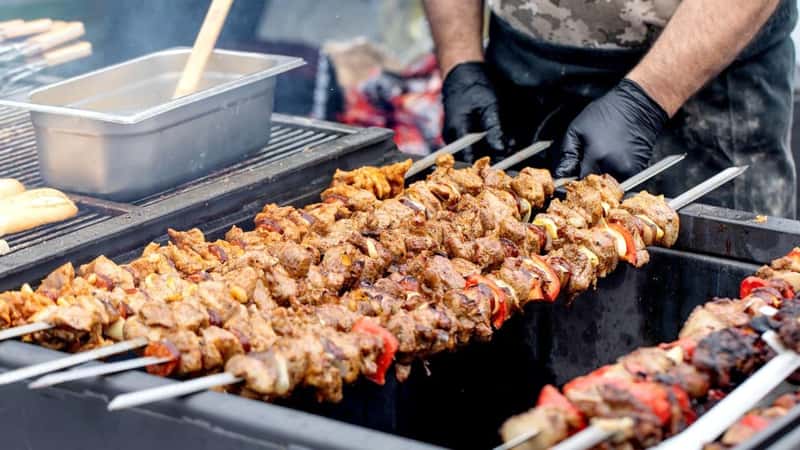
Meat skewers sold on the street are popular and often look freshly grilled. But the meat may have been sitting out before cooking or handled with contaminated utensils. Eating improperly stored or undercooked meat can result in bacterial infection or parasitic illness, which can be severe in travelers.
To minimize risk, choose vendors with high turnover and visible cooking hygiene. Make sure the meat is cooked thoroughly and served hot. Avoid items that appear pre-cooked and left at room temperature for long periods. Watching the cooking process helps you make a safer choice while still enjoying street food culture.
Raw Vegetables and Salads
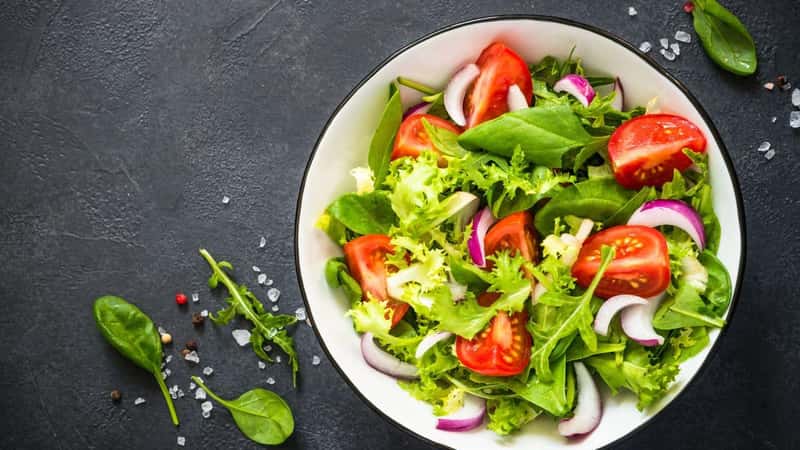
Raw vegetables and salads are healthy in many countries, but when traveling, they can be a source of contaminated water or unwashed produce. Bacteria and parasites can cling to leafy greens or raw toppings, causing diarrhea or stomach cramps. Even fresh-looking salads can harbor pathogens if washed with unsafe water.
If you want to eat fresh vegetables, opt for cooked or peeled options. Make sure salads are prepared in reputable restaurants with high hygiene standards. Avoid street-prepared salads or those that have been sitting uncovered. A simple precaution like this can save you from unpleasant digestive issues and keep your trip on track.
Soft Cheeses
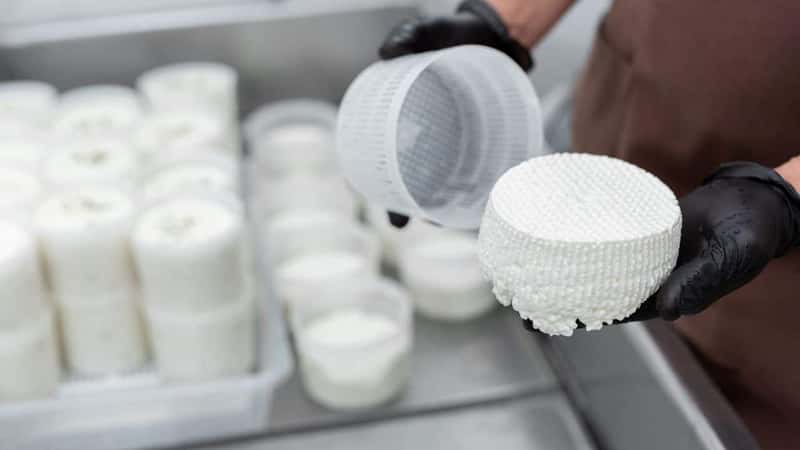
Soft cheeses like brie, camembert, or local fresh cheeses can be high-risk foods in some countries. If unpasteurized or stored improperly, they may carry Listeria or other harmful bacteria. Travelers are particularly vulnerable, and consuming these cheeses can lead to severe stomach problems and other complications.
Always choose pasteurized cheese from trusted sources or supermarkets. Check storage temperatures and expiration dates carefully. Avoid buying soft cheese from street vendors or open markets without proper refrigeration. Being selective ensures you can still enjoy local cheese flavors without endangering your health.
Cold-Prepared Foods Left Out
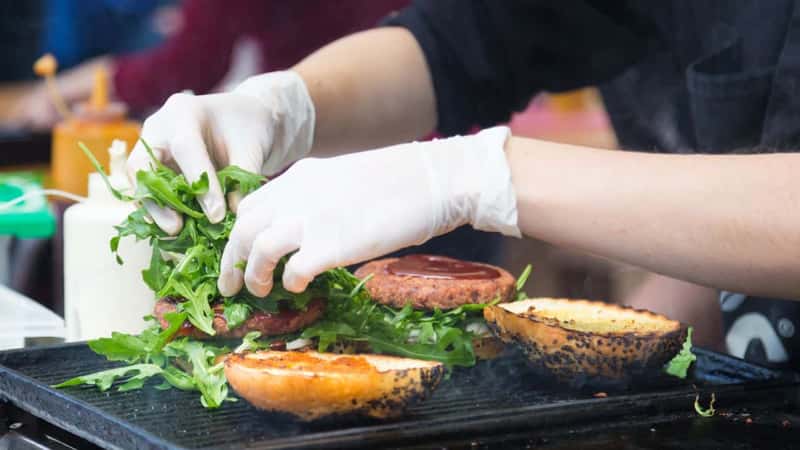
Any food left out in warm conditions can quickly become unsafe. Cold sandwiches, pre-made snacks, or meals kept on counters for hours may harbor bacteria that multiply rapidly at room temperature. Travelers are particularly at risk because their immune systems may not recognize local pathogens.
Always choose freshly prepared meals served hot. Avoid pre-packaged or exposed foods from street vendors if unsure about storage practices. Even seemingly harmless snacks can be unsafe after hours of exposure. Prioritizing freshly cooked foods helps protect your digestive health.
Exotic Street Fruits
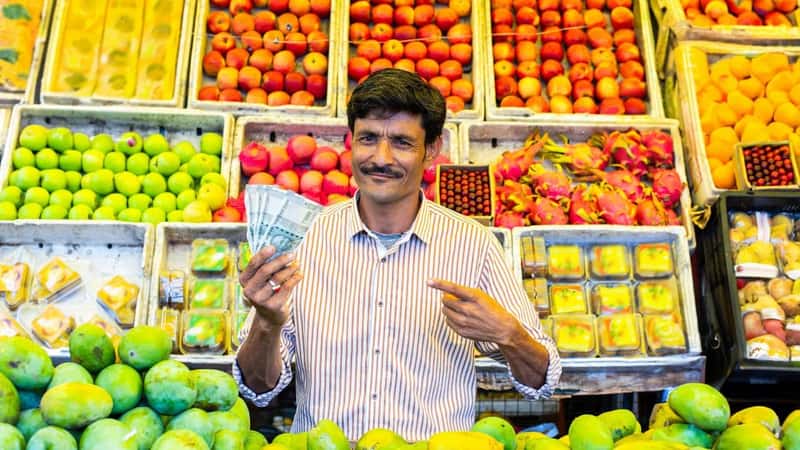
Exotic fruits sold on the street may look appealing, but they might not have been washed properly or peeled safely. Contaminated surfaces, hands, or water used for washing can transmit harmful bacteria. Travelers often underestimate the risks of raw fruit, which can result in unexpected stomach issues.
Choose fruits that can be peeled yourself, like bananas or oranges. Wash or peel fruits before eating if possible. Avoid cut fruits prepared in unsanitary conditions or served in open containers. Simple precautions can allow you to enjoy local fruit without the risk of food borne illness.
Raw Dough or Pastries
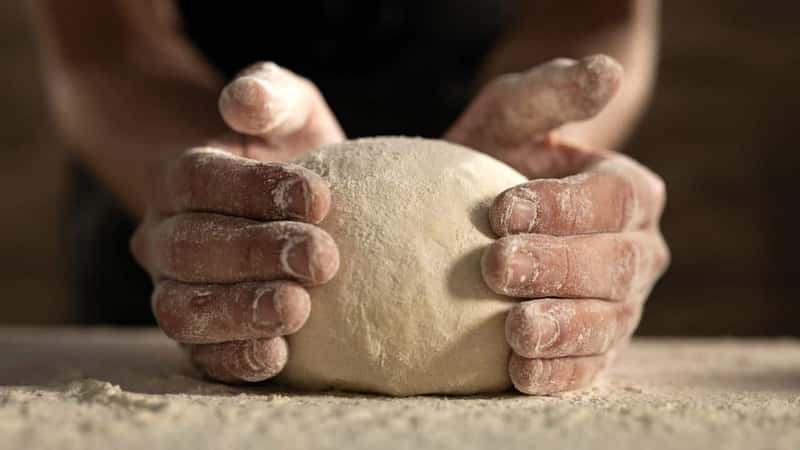
Raw dough, bread, or pastries containing uncooked eggs or flour are a hidden risk. Flour can contain bacteria like E. coli, and raw eggs add another layer of risk. Eating these raw treats might be tempting, but the consequences can be severe, especially for travelers.
Always ensure baked goods are fully cooked before consumption. Avoid tasting raw dough or pastry batter, even if it looks freshly prepared. Opt for trusted bakeries or cafes with proper hygiene practices. By sticking to fully baked items, you can enjoy local pastries safely and avoid unnecessary health problems.