Have you ever noticed how car ownership means something completely different depending on where you are? In some corners of the world, cars are just expensive headaches gathering dust in garages. Elsewhere, they’re gleaming symbols of success, carefully polished every weekend. The global relationship with automobiles varies so dramatically that it’s almost like we’re talking about entirely different objects. Let’s be real, owning a car says a lot about your lifestyle, your priorities, and sometimes your wallet. This fascinating divide reveals far more than transportation preferences.
New York City, USA
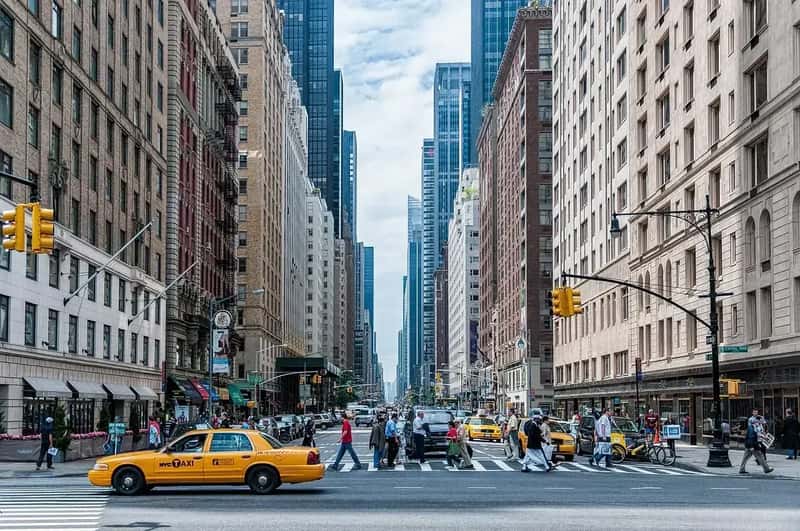
New York City has the lowest car ownership rate by far at 45.6%, according to recent U.S. Department of Transportation data. The densely packed streets of Manhattan make owning a vehicle feel more like punishment than freedom. Between astronomical parking fees that can exceed hundreds of dollars monthly and bumper-to-bumper traffic, most residents skip the hassle entirely. Just a quarter of New York City workers drove to their jobs in 2023, compared with 77% of New Yorkers outside the city, showing the stark urban-suburban split. The subway system runs around the clock, making cars genuinely unnecessary for most people.
Singapore

According to a survey conducted by Rakuten Insight in January 2024, 68 percent of respondents in Singapore stated that they do not own a car. This isn’t surprising considering the city-state’s notoriously strict vehicle regulations. Due to strict regulations and high taxes, the car ownership rate in Singapore has been relatively low compared to its neighboring countries. The government deliberately keeps car ownership down through sky-high costs and limited permits. Honestly, when public transit is that efficient and clean, why bother with the expense?
Hong Kong

Hong Kong presents another compelling case where vehicles are basically optional accessories. Only about 32 percent of the respondents in Hong Kong stated they owned a car, according to 2024 survey data. The limited availability of parking spaces and high vehicle taxes, including a first registration tax based on the vehicle’s value, have made it more expensive to buy and own a car in Hong Kong. The city’s exceptional public transport system and compact geography make walking and trains the sensible choice. Most residents view car ownership as an unnecessary luxury they’re happy to skip.
Copenhagen, Denmark
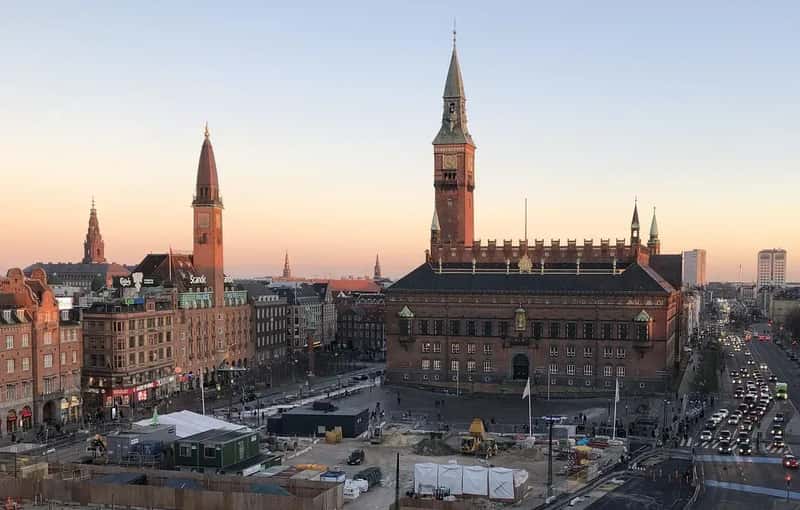
Copenhagen is home to the largest car-free zone in Europe, and the Danish capital has been pushing this agenda since the 1960s. Fifty-six percent of the capital’s inhabitants use the bicycle every day to move around; 20% opt for public transport, while just 14% use the car. The city has invested heavily in nearly 400 kilometers of dedicated bike lanes that make cycling safer and faster than driving. For every kilometer of bike lane built in Copenhagen, €400,000 in benefits were generated annually through reduced healthcare, transport, and accident costs.
Amsterdam, Netherlands
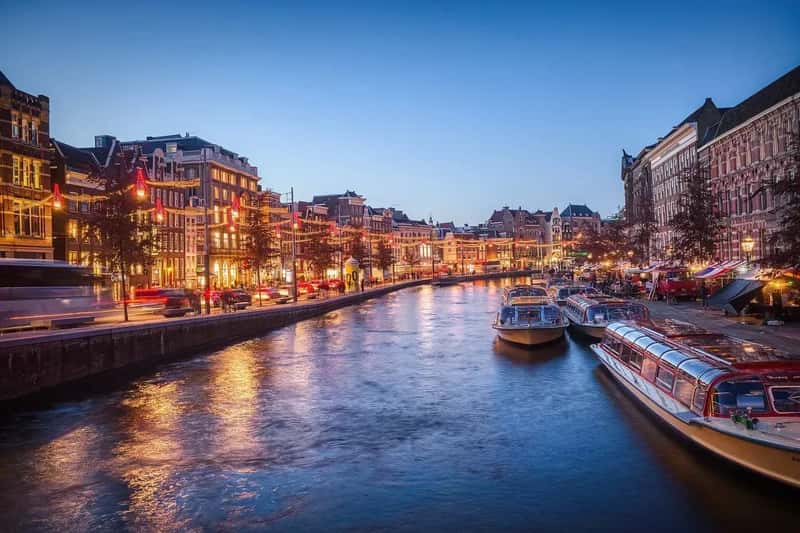
Amsterdam has become synonymous with bicycle culture, though it wasn’t always this way. 28% of all trips in the Netherlands are already made by bike, making it a global cycling leader. The city deliberately reclaimed streets from automobiles after traffic accidents surged in the 1970s. In the past two years, commuting by bike has jumped 57%, driven largely by the popularity of e-bikes and an increase in bike parking garages and charging stations. Here’s the thing: most residents find cycling genuinely faster than navigating Amsterdam’s narrow, congested streets by car.
Paris, France

Paris has aggressively pursued car reduction policies in recent years with impressive results. The French capital announced that it would ban diesel cars by 2024, with cars that run on gas expected to be phased out by 2030. The city has redesigned major intersections to prioritize pedestrians and added hundreds of kilometers of bike lanes. If you live in Paris and get rid of your car, you can claim benefits of around $700 to buy a bike, sign up for a car-sharing service, or buy a public transit pass. These incentives are genuinely changing how Parisians move around their city.
Washington D.C., USA

The nation’s capital demonstrates that even American cities can break the car dependency mold. D.C. (36%), New York state (30%), Massachusetts (12%) and New Jersey (11%) are among the places with the highest shares of households with no vehicle available. In D.C., for example, 28% of workers did their job from home in the week before respondents took the 2023 survey, which partly explains lower car ownership. The city’s extensive Metro system and walkable neighborhoods reduce the need for personal vehicles considerably.
Brussels, Belgium

Brussels has witnessed a dramatic shift away from car dominance in recent years. Brussels, Belgium’s capital, has always had pedestrian-only streets surrounding its city square, stock exchange, and Rue Neuve (shopping street) making it the second largest car-free zone in Europe. According to data from the Belgian Road Safety Institute, car drivers now account for just 30.4% of kilometres traveled in the city, down from 49.3% as recently as 2017. This transformation happened remarkably quickly, reshaping how residents navigate their city.
Boston, USA

New York, Newark and Jersey City metro areas have the lowest percentage of households with a vehicle, with Philadelphia, San Francisco and Boston metro areas coming in second, third and fourth places. Boston’s compact layout and historic street design make driving genuinely frustrating. The city’s extensive public transportation network and walkable neighborhoods encourage residents to ditch their cars. Parking scarcity and high costs further discourage vehicle ownership in central areas.
San Francisco, USA
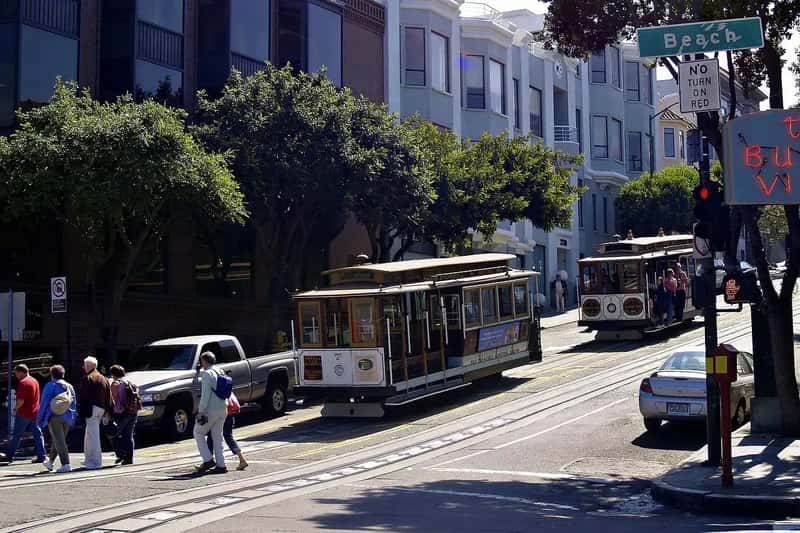
San Francisco consistently ranks among American cities with the lowest car ownership rates. Some of America’s biggest metropolitan areas have the lowest vehicle ownership in the U.S., which is most likely primarily due to ready access to public transportation and the high cost of parking your car in these cities. The city’s steep hills, narrow streets, and notorious parking challenges make cars impractical for many residents. Public transit options, including the iconic cable cars and extensive bus network, provide viable alternatives.
Philadelphia, USA

Philadelphia metro areas have the lowest percentage of households with a vehicle, coming in second place among major U.S. metropolitan areas. The city’s grid layout and public transportation system make car-free living surprisingly feasible. Many residents find the combination of buses, trains, and walkable neighborhoods sufficient for daily needs. High insurance costs and limited parking in popular neighborhoods further discourage vehicle ownership.
Hamburg, Germany
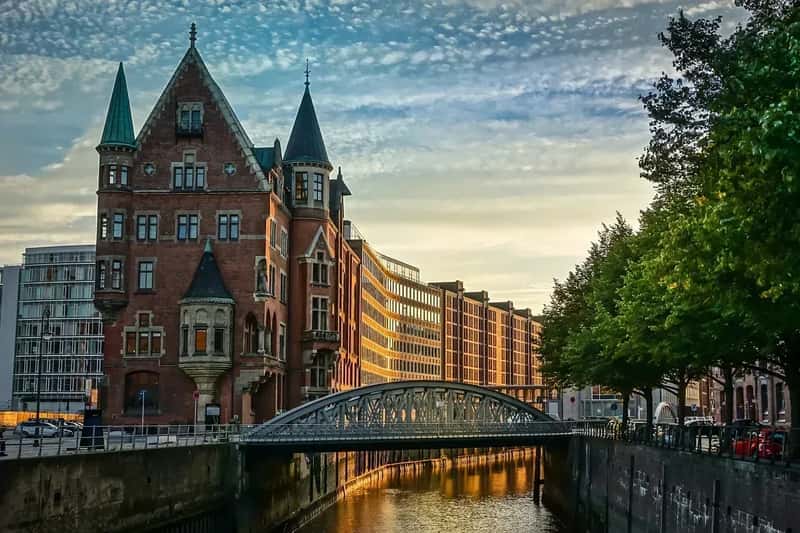
The German city is planning on making walking and biking the dominant form of transportation by reducing the number of cars allowed in specific areas of the city by 2035, with a project that calls for a Grünes Netz – a green network – that will encompass 40 percent of Hamburg. This ambitious plan will create interconnected parks, playgrounds, and car-free zones throughout the city. The project represents one of Europe’s most forward-thinking approaches to urban mobility.
Venice, Italy
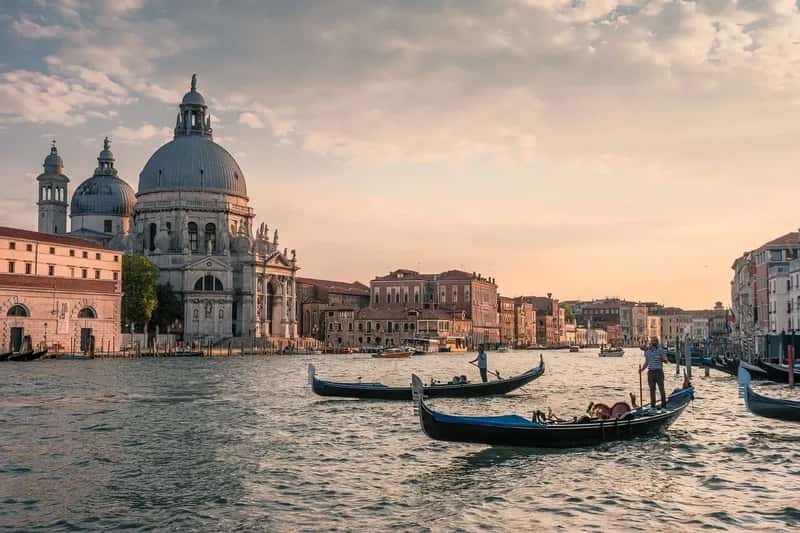
Venice presents the most extreme example where cars are physically impossible in most areas. The city’s canal-based infrastructure means boats and walking are the only real options. Cars must be left in parking garages on the mainland, making ownership pointless for residents. The absence of vehicles creates a unique atmosphere that’s both peaceful and logistically challenging.
China – The Rising Status Symbol

Luxury car sales in China are booming, driven by the country’s growing middle class and their desire for status symbols. In China and India, we’re beginning to see a surge in younger, high-net-worth individuals, with these countries seeing an 85% surge in millionaires, many of whom are becoming key consumers of luxury products. Vehicle ownership represents success and social standing in rapidly developing Chinese cities. The luxury automotive market continues expanding as more citizens achieve wealth.
India – Aspirational Vehicle Ownership

In emerging markets such as China and India, there is a growing middle class with increasing disposable income, which has led to a rise in demand for luxury cars as a symbol of status and success. Indian consumers increasingly view car ownership, particularly luxury vehicles, as markers of achievement. The automotive market continues growing alongside the country’s economic development.
Dubai, United Arab Emirates

Jetour, an SUV-only brand, has taken Dubai by storm, becoming the bestselling Chinese car brand in the UAE in 2024. Chinese automakers’ market share in the UAE jumped from 4 percent to nearly 7 percent in 2024, with the number of units sold almost doubling, increasing 86 percent according to industry data. Cars remain essential status symbols in Dubai’s car-centric culture where luxury vehicles signal wealth and success. The city’s wide highways and extreme heat make car ownership practically mandatory.
United States – Traditional Status Marker

In some countries – especially wealthier Western ones like the United States or the United Kingdom – ownership of at least one car is often seen as a crucial status symbol. Across the country, 92 percent of American households have one vehicle or more, with 37 percent of households owning two cars while 33 percent own one. Despite environmental concerns, Americans continue viewing car ownership as fundamental to lifestyle and status.
Germany – Luxury Automotive Heritage
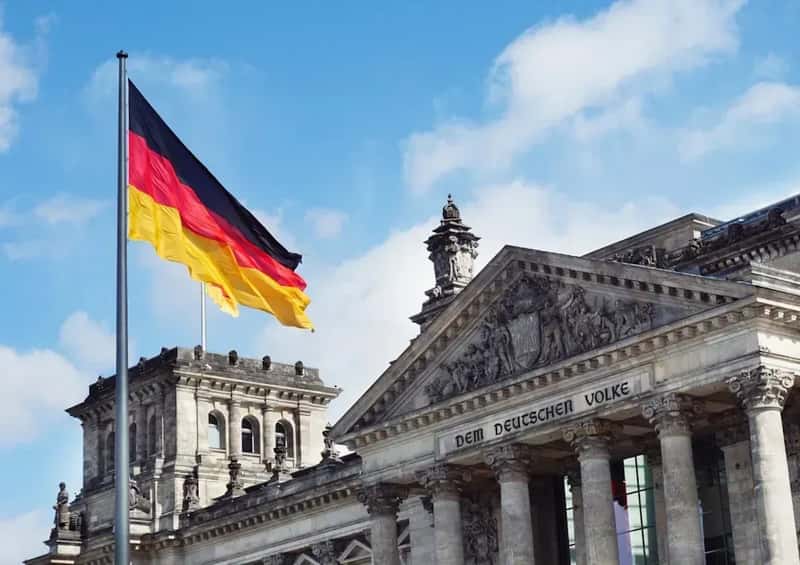
Germany produces the most luxury car brands, with German luxury automakers including Audi, BMW, Mercedes, Porsche, Maybach, and Bugatti. Europe accounts for over 48% of global luxury car production and adoption, especially in Germany and UK. German automotive engineering and luxury brands maintain their reputation as ultimate status symbols worldwide.
Portugal – High Value on Ownership
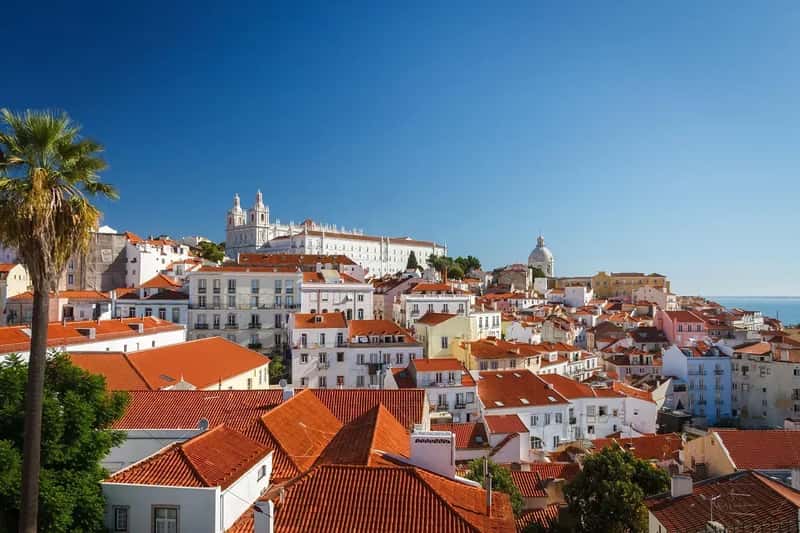
Following in the second place is Portugal among countries where people highly value car ownership. Portuguese consumers place significant importance on vehicle ownership as a lifestyle component. Cultural factors and limited public transportation in certain regions contribute to this strong preference.
The world’s relationship with cars couldn’t be more divided. Some cities have successfully reimagined urban life without automobile dependence, while others still cling to vehicles as essential markers of identity and success. It’s hard to say which approach will dominate the future. Climate concerns push toward car-free cities, yet emerging markets still associate vehicles with prosperity and freedom. What do you think about it? Will your city join the car-free revolution or keep cruising on four wheels?