Most of us pack a carry-on the same way every time. We grab the roller that has “cabin size” printed on the tag, and we trust it. Then a gate agent points to a metal frame, and a bag that has flown a dozen times suddenly doesn’t fit.
The rule that catches people isn’t a secret, but it is easy to miss. Carry-on limits are set by each airline, they count the whole bag, and the free allowance depends on your fare. Here’s what the published numbers actually say and where the surprises tend to hide.
The 22 x 14 x 9 Number Everyone Quotes
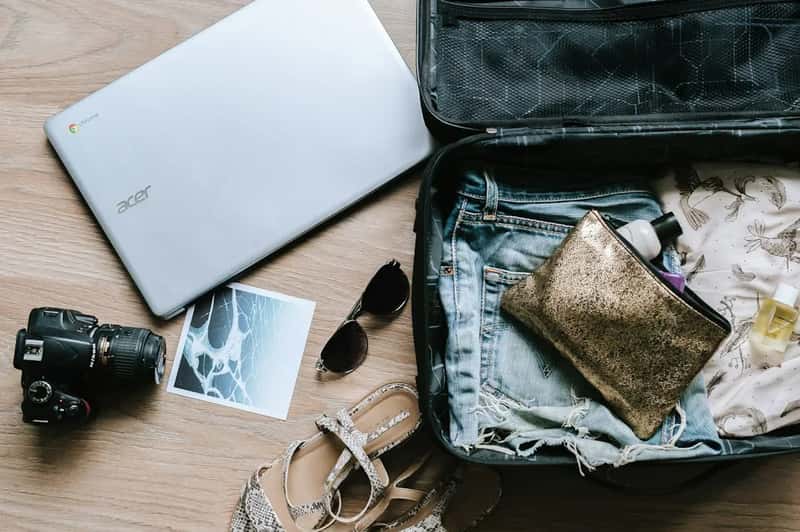
If you’ve shopped for luggage, you know the figure. The most common US carry-on limit is 22 × 14 × 9 inches (56 × 36 × 23 cm), measured including wheels and handles.[1] American, Delta, United, JetBlue and Alaska all list it for domestic flights, according to 2026 airline guides.
The number has a second form that gets less attention. Adding the three dimensions gives 45 linear inches, the figure Delta and Alaska print on their policy pages.[2] A bag that looks tidy on a product page can still push past these limits once everything is counted. Not every airline uses this size, either. Southwest and Frontier list 24 × 16 × 10[1] inches, which is noticeably more generous.
Why There Is No Single Global Standard
Many travelers assume the industry settled on one size long ago. It didn’t. IATA says carry-on allowances vary by airline, cabin class and aircraft type, and many airlines apply maximums of 56 × 45 × 25 cm as a general reference.[3] That’s larger than the US standard in two of the three dimensions.
IATA did try to simplify things in 2015 with its “Cabin OK” idea of 55 × 35 × 20 cm. The group later clarified that it is not a maximum size limit, and each airline sets its own maximum.[4] One 2026 airport guide still calls it a voluntary recommendation, not a rule any airline enforces.[2] Consumer Reports noted back then that the industry had identified more than 50 different allowable carry-on sizes.[5]
Wheels, Handles and Bulging Pockets Count
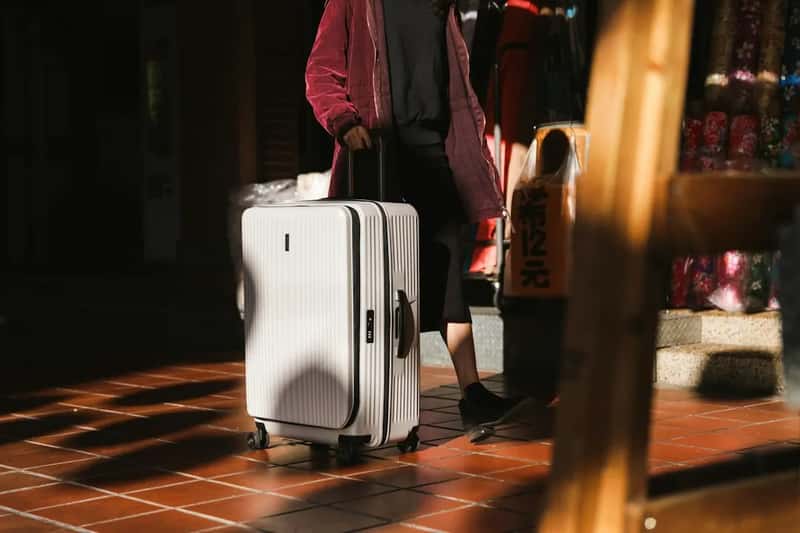
This is the detail that trips up the most people. The listed size on a bag’s tag often describes the shell, not the whole object. Airlines measure what actually has to fit in the bin or the sizer, and that includes wheels and handles.
A 2026 travel guide advises measuring the way the bag would sit in the overhead bin. That means height from the floor to the top of the extended handle, width at the widest point including external pockets, and depth including wheels.[6] A bag stuffed past its seams can also fail even if the empty shell passes. Soft-sided bags usually have a little more give than hard shells, which is why some travel advice favors them.
Your Personal Item Faces a Separate Test
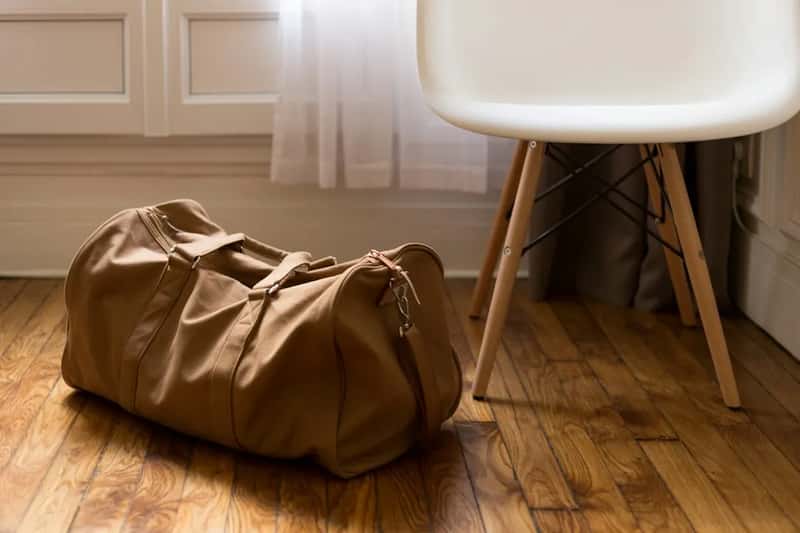
The carry-on is only half the picture. Most airlines also cap the under-seat bag, and those limits are noticeably smaller. 2026 comparisons list 18 × 14 × 8 inches for American, 17 × 10 × 9 for United, and 16.25 × 13.5 × 8 for Southwest.[1] Delta and Alaska don’t publish dimensions and say only that the bag must fit under the seat.
Budget carriers lean hardest on this distinction. At Spirit and Frontier, the personal item is free, while the full-size carry-on is a paid add-on.[1] One guide suggests that a bag around 18 x 14 x 8 inches or smaller is a safe target for most airlines.[7] If you’re carrying a backpack as your “free” bag, that’s the figure worth testing it against.
Your Fare Type Can Matter as Much as Your Bag

Even a perfectly sized roller can be the wrong bag for the ticket you bought. Some fares bundle a carry-on, and others don’t. United’s Basic Economy allows only a personal item on most domestic routes, so a full-size carry-on needs a fee or eligible status.[1]
Policies differ from carrier to carrier and change over time, so one airline’s rules say little about another’s. The same 2026 comparison shows Delta and American including a carry-on on all fares.[1] Secondary guides don’t always agree on these details. The safest habit is to read the fare conditions at booking and again before you leave for the airport.
What Gate Enforcement Really Looks Like
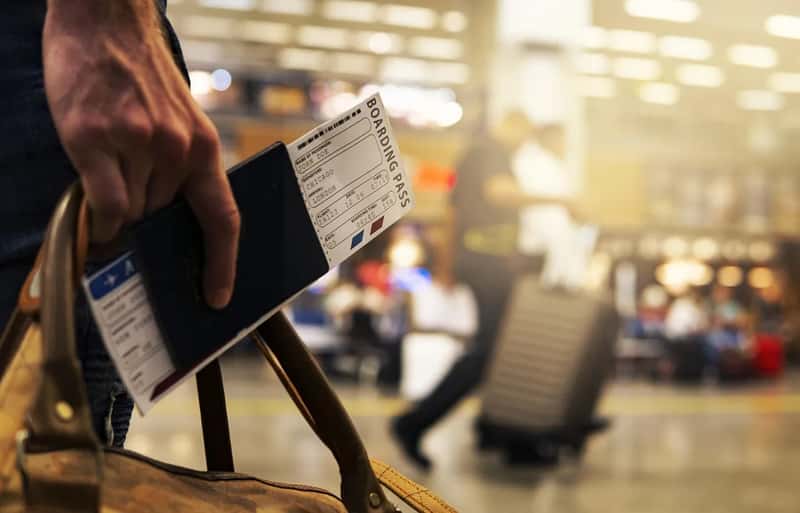
Reports on how strictly airlines check bags are mixed, and it’s worth being honest about that. One 2026 guide says United deployed automated bag sizers at 35 airports in late 2025, with plans to expand further.[8] Another says United and American moved metal sizers from boarding gates to check-in lobbies, leaving gate agents to judge bags by sight.[9] Neither is an airline announcement, so treat both as signals rather than confirmed policy.
What seems consistent is that a visibly oversized bag can still be sent to the hold. That usually means paying the standard checked-bag fee at the jet bridge.[9] Reported amounts vary a lot. One source puts them from $25 on legacy carriers to $80 to $100 on ultra-low-cost airlines.[10] Timing can also change the price, since Air Canada reportedly charges $65 to gate-check oversized bags versus $35 if checked before security.[11]
Europe Plays by Different Numbers
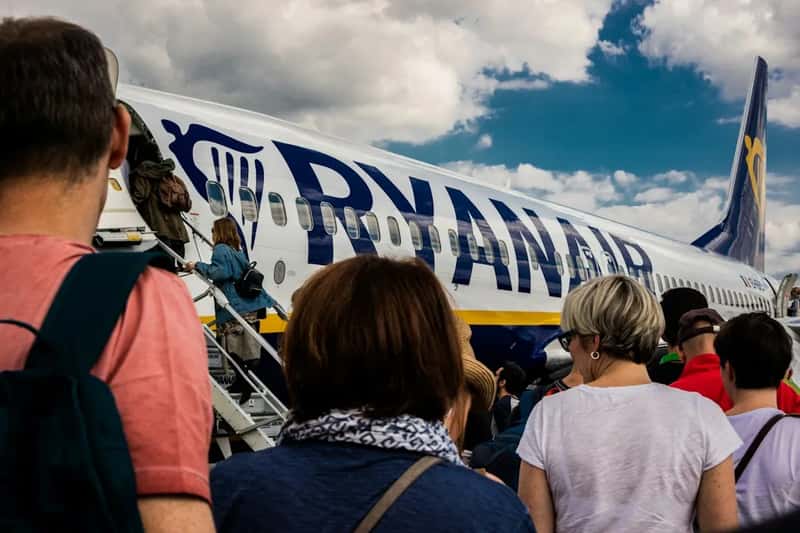
Flying in Europe means swapping inches for centimeters and learning a different free allowance. Ryanair’s free bag, which fits under the seat, was 40x25x20cm and is increasing to 40x30x20cm.[12] A larger bag comes with its paid priority option, up to 55 x 40 x 20 cm, weighing 10 kg.[13] One 2026 guide lists the gate fee for a bag that doesn’t comply at roughly 70 to 75 pounds, so check Ryanair’s own page for the current figure.
The industry is trying to bring order to this. The trade group Airlines for Europe said its members would adopt minimum under-seat dimensions of 40x30x15cm.[12] EasyJet, however, kept its more generous 45 x 36 x 20 cm allowance and a maximum weight of 15 kg.[14] At the time, broader EU rules on free cabin bags remained in negotiation among European institutions,[14] so look up where that stands before a trip.
When a Full Flight Changes the Rules
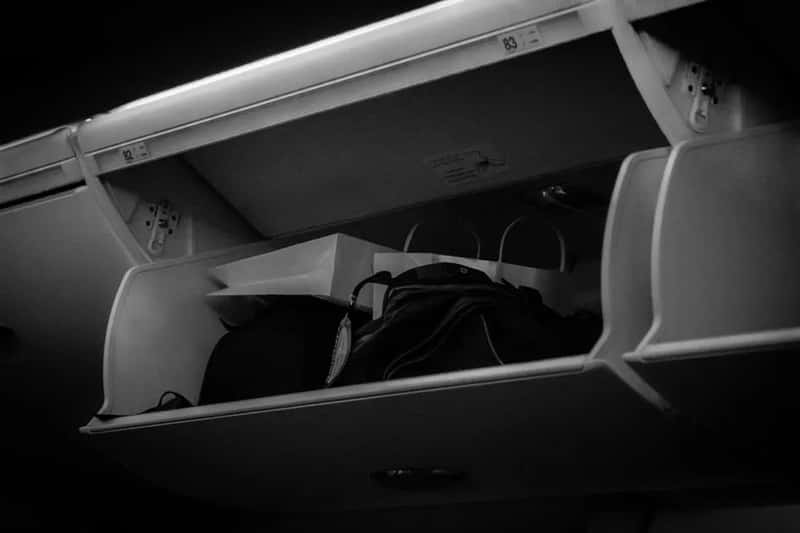
Sometimes a bag that meets every limit still ends up in the hold. Overhead space is finite, and on a full flight the last boarding groups can run out of room. One 2026 explainer notes that when bins run out, gate agents often check properly sized bags for free.[9] A free gate tag is a different situation from an oversize fee, even though both leave you without your bag.
That’s why packing strategy matters. One guide recommends putting phone, charger, meds, and ID in your personal item,[10] so nothing essential goes below if the carry-on does. Lithium batteries and power banks are another reason to keep valuables with you, since airline rules generally require them in the cabin. Think of the roller as the bag you could lose for a few hours.
A Simple Way to Avoid the Surprise
Start with the right source. TSA does not set carry-on dimensions. The airline does, while TSA screens bags.[7] That means the airline’s own baggage page is the only authority that counts, and it’s worth checking before each trip, as every airline’s rules differ.[15]
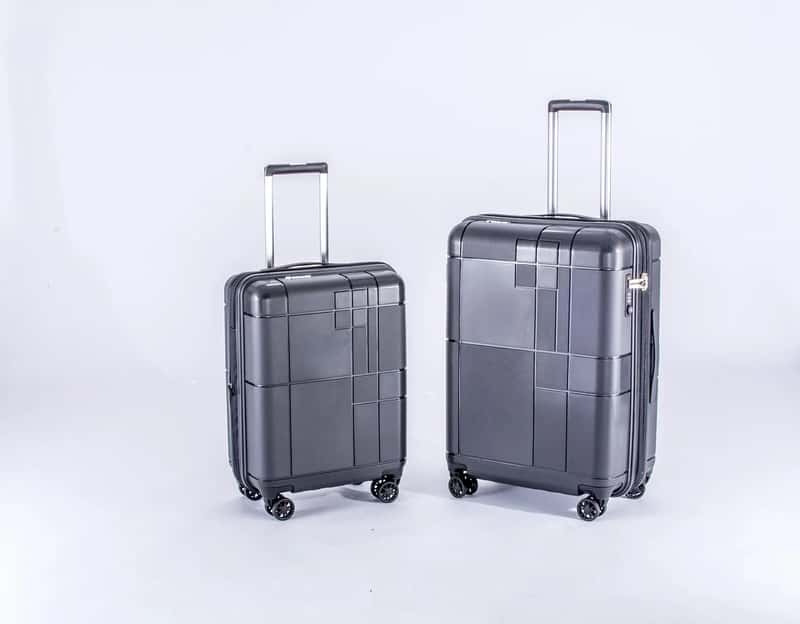
Then measure your bag yourself, handle up and pockets full, and compare it with both the carry-on and the personal item limits for your fare. If you fly several carriers, size to the strictest one you’ll use. Shopping for a new bag is easier with a compact one in mind, since the widely quoted 22 x 14 x 9 limit leaves little room for error.
Conclusion
The rule many travelers learn at the gate comes down to this: “carry-on size” isn’t one number. It’s an airline’s number, measured on the whole bag, applied to the fare you bought, and sometimes enforced differently depending on the airport and the day. The details above are published by airlines and summarized in 2026 guides, but they do shift, so confirm yours before you fly.
Five minutes with a tape measure at home costs nothing. The same measurement at the jet bridge can cost real money.