
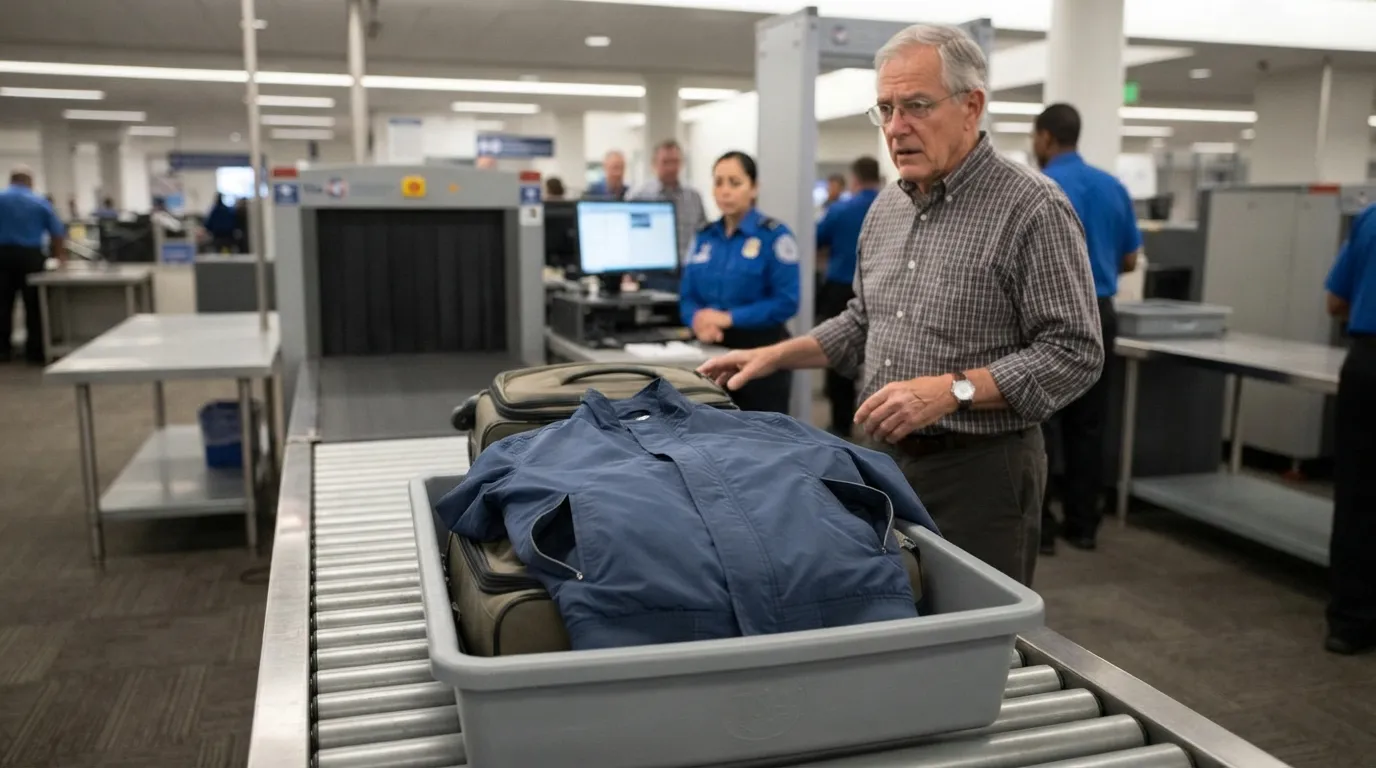
You’d think the big birthday would be what gets noticed at the checkpoint. It isn’t. TSA’s age-based break for adults starts at 75, so a 70-year-old walks into the same screening as everyone else.
What officers register in those first seconds is the bag: pills, liquids, a cane, a device that might alarm. Since TSA ended its shoe-removal requirement on July 8, 2025, even the 75-and-older perk is thinner than it used to be. Stay to the end, because the last item is the one habit that changes how every other item plays out.
#16 – Why Turning 70 Changes Nothing at Screening
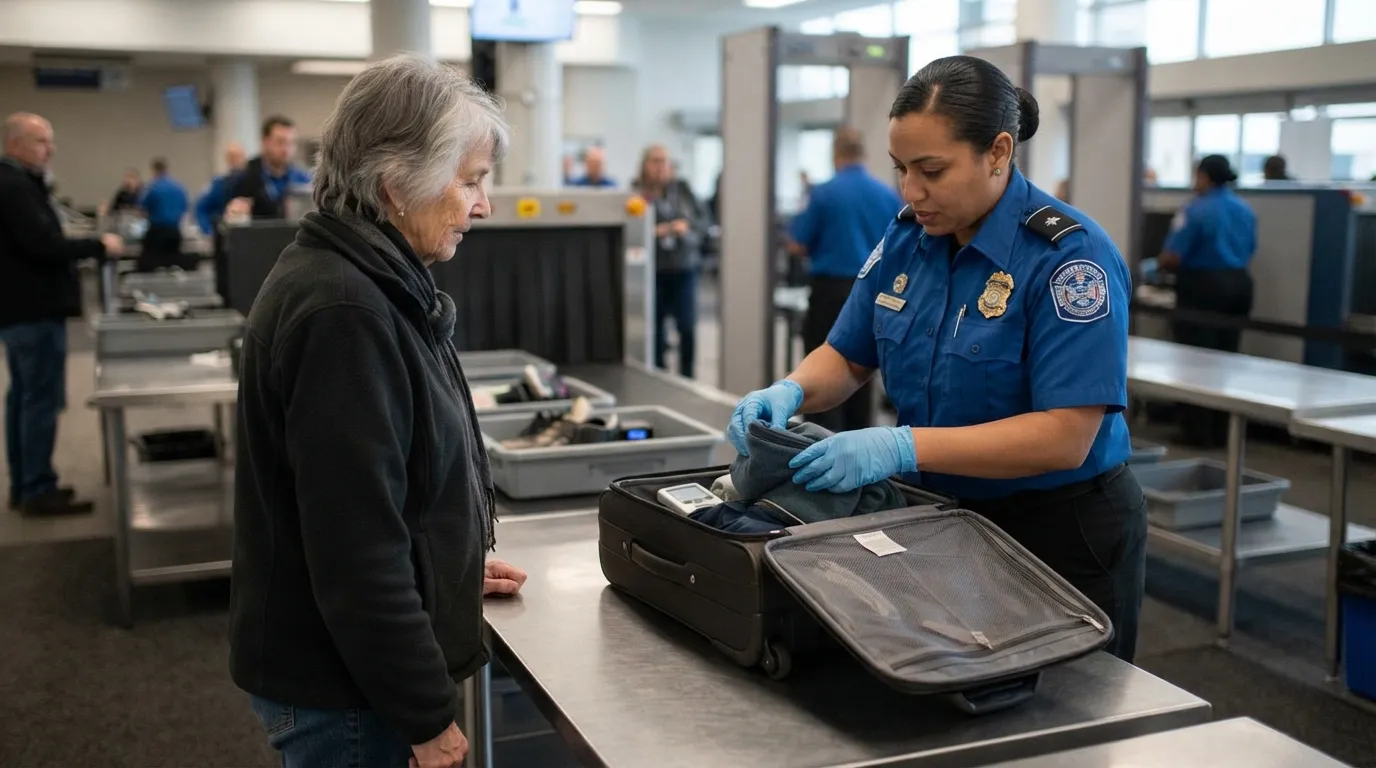
Seventy feels like a milestone, but TSA’s guidance names a different one. Passengers 75 and older can receive expedited screening through TSA’s risk-based security measures, and the wording says “can,” not “will.”
If you’re 70 to 74, standard screening applies in full. The age-based break starts at 75, not 70.
If you fly often, PreCheck is a better plan than waiting out the birthday. If you’re helping a parent who is 75 or older, state their age and ask for modified screening.
The shoes are the part that changed most recently, and the change helps every age at once.
#15 – Shoes Stay On Unless the Scanner Objects
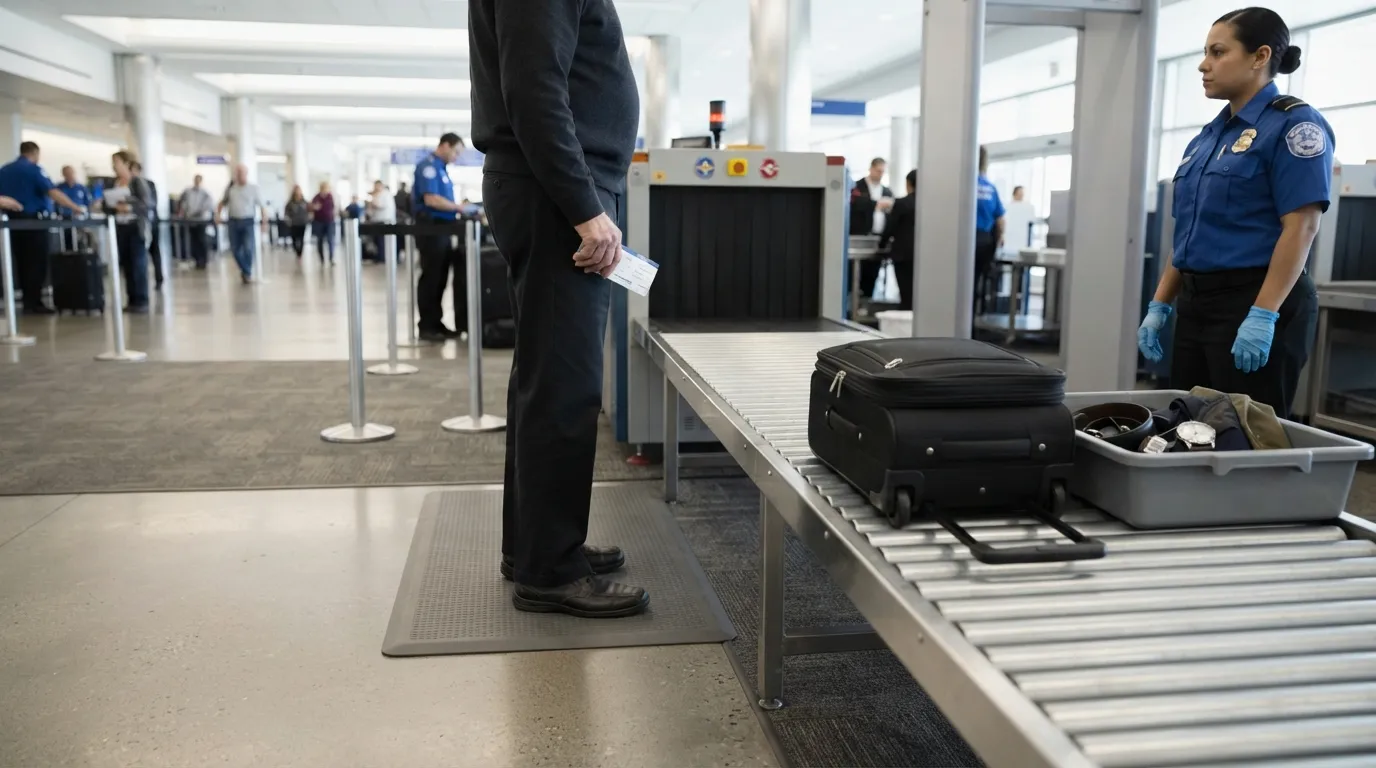
Your shoes can stay on, and that’s now true at every age. The catch is the alarm.
If one goes off or a scan flags something, an officer can still ask you to take your shoes off. TSA also says you may face a pat-down instead.
Walk up with your shoes on and take them off only if asked. If that happens, you can request to be seated for that part of the screening.
Your jacket is a different story, and it’s where assumptions trip people up.
#14 – The Light Jacket Is Where Assumptions Trip People Up
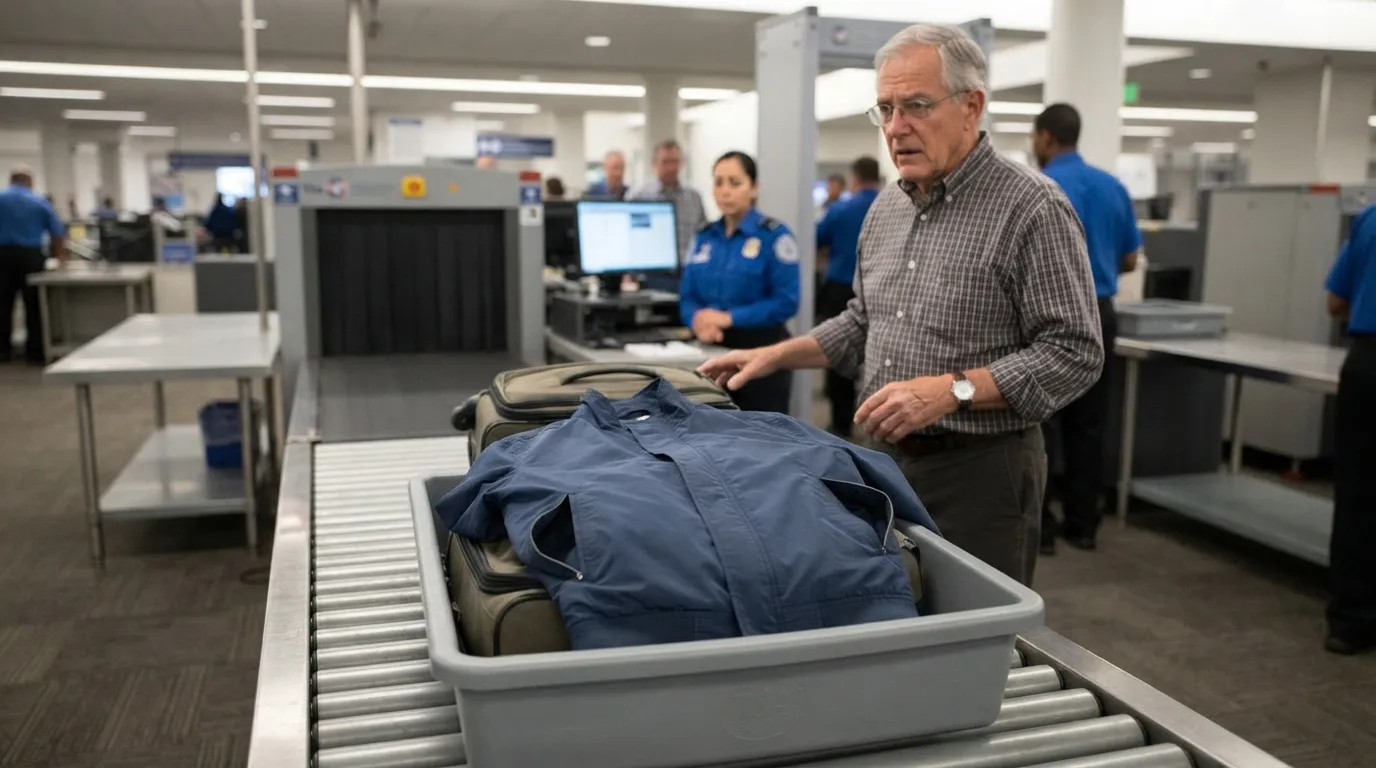
Older travelers often hear that a jacket can stay on. That’s not a safe bet at the scanner.
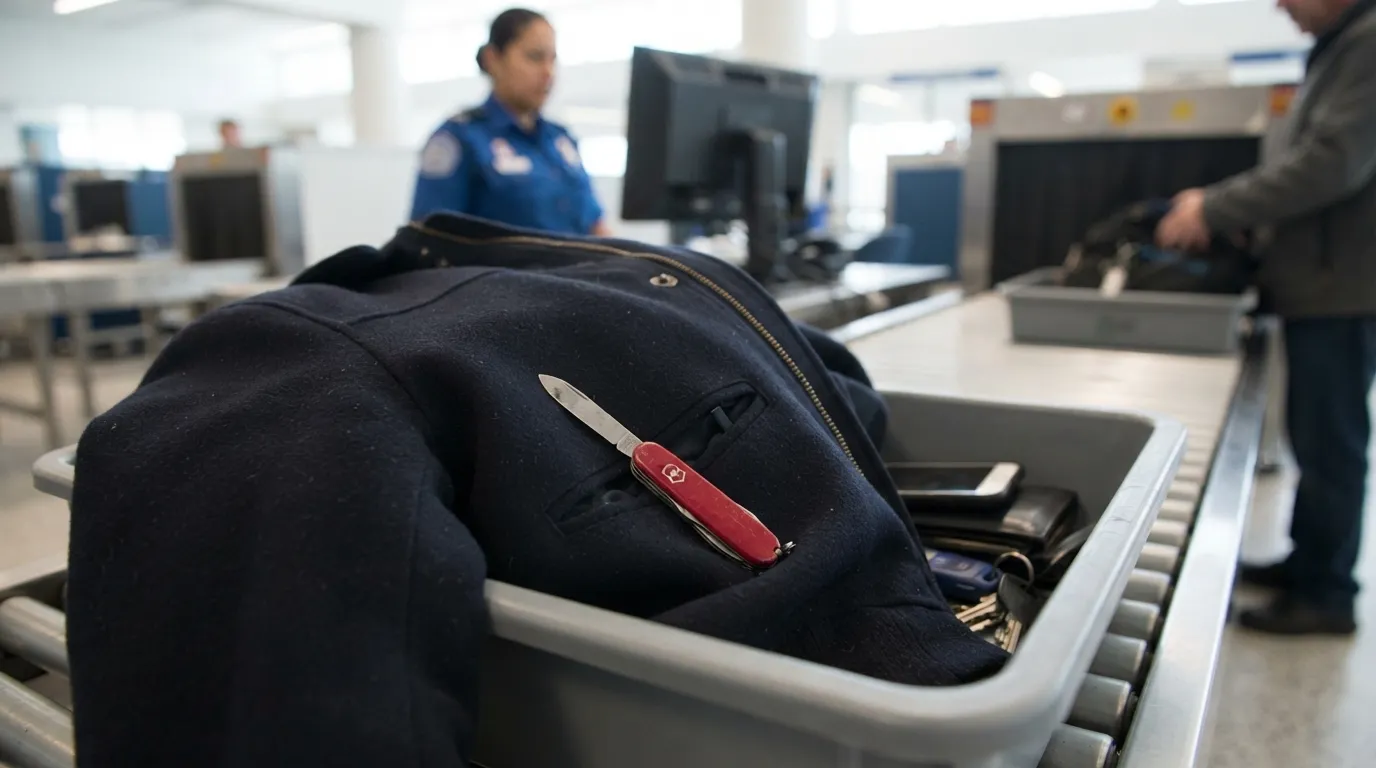
Light jackets commonly go in the bin for body-scanner screening, and PreCheck is the clearer way to keep one on. Plan on the jacket going in the bin unless the officer tells you otherwise.
Empty the pockets before you reach the belt. A phone or wallet left in a jacket rides down the conveyor without you, and that’s an easy way to lose track of something you need at the gate.
Quick Compare
- Standard lane: a light jacket commonly goes in the bin
- PreCheck lane: a lightweight jacket can stay on
- Either lane: pockets empty before the belt
Once the jacket is in the bin, the items in your bag matter more, starting with your pills.
#13 – Pills Can Fly in Unlimited Amounts
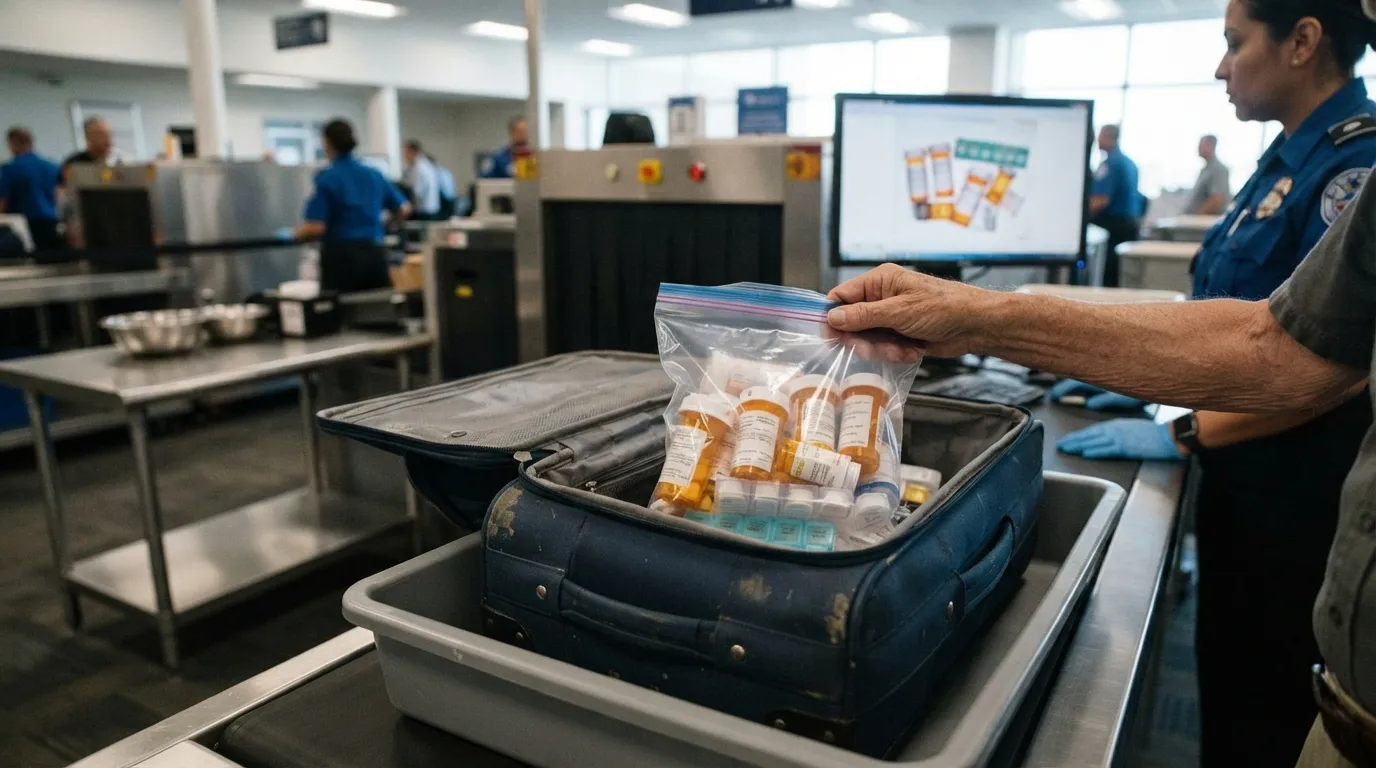
There’s no cap on how many pills you can carry. TSA allows screened pills and solid medication in unlimited amounts.
The word that matters is “screened.” Medications in pill or other solid form must undergo security screening, and clear labeling helps that go faster.
Pills can travel in your carry-on in any quantity, once they’re screened. Keep them in the carry-on, not the checked bag, because a delayed suitcase shouldn’t mean a missed dose.
Smaller than a pill bottle, and easier to forget you’re wearing, is the next item.
#12 – Hearing Aids Can Stay In
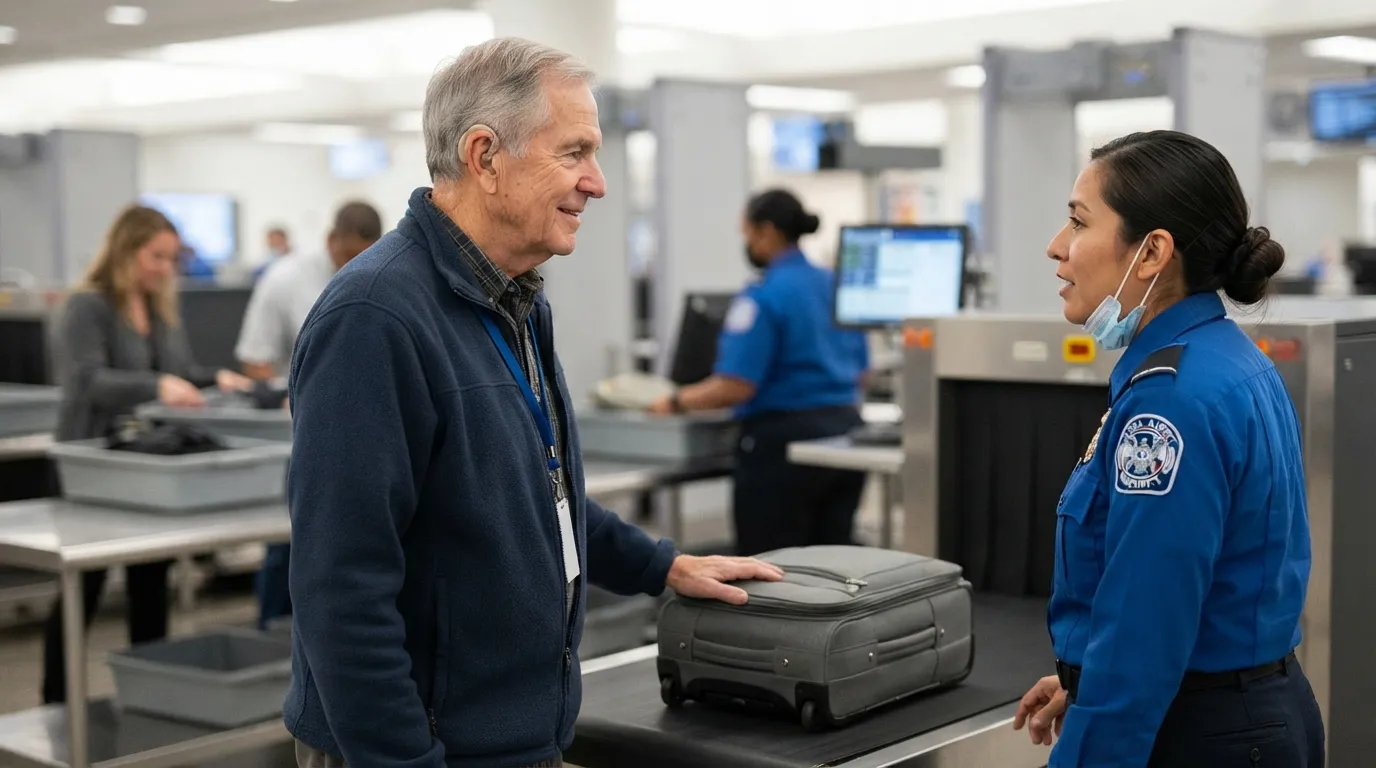
You don’t need to pull your hearing aids out at the belt. You don’t have to remove them or the exterior part of a cochlear implant, though an officer may want a closer look if they alarm.1
That’s the real reason to speak up early. A confused pat-down is easier to head off when the officer already knows, and instructions shouted across a loud hall are easy to miss.
Hearing aids and external cochlear implants stay in, and you should say you’re hard of hearing. That one sentence also prompts officers to face you when they talk.
Your cane can’t stay with you, though. It has to travel the belt like everything else.1
#11 – Even a Cane Goes Through Screening
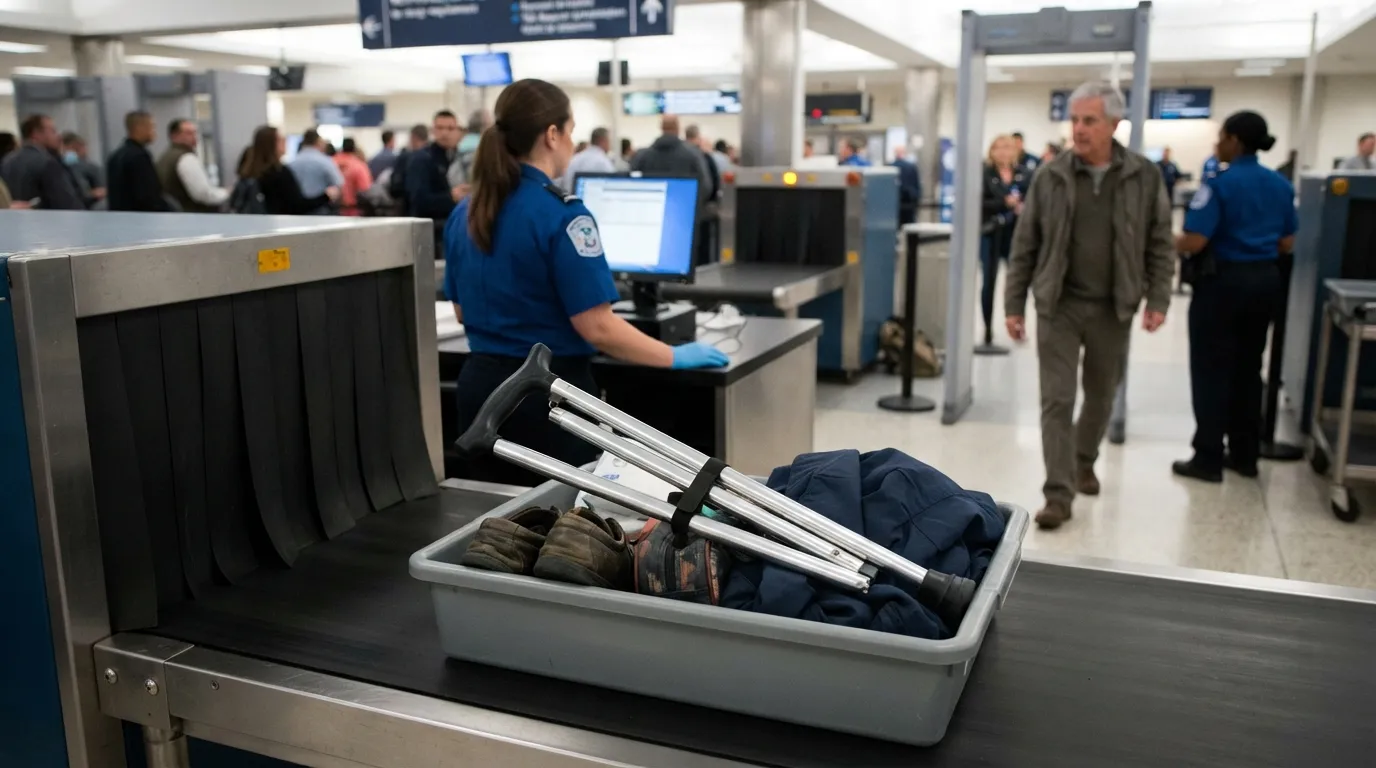
A cane looks harmless, but it still gets screened. TSA requires everyone, including people who use a scooter, wheelchair, walker or cane, to be screened in some way.
Smaller items like canes usually go through the X-ray machine, while larger devices can be inspected by an officer. Collapse your cane before it goes on the X-ray belt. Do that whenever possible.
The harder part is walking through without it. Tell the officer before the cane goes on the belt, so it’s returned the moment it clears.
Walking through is one problem. Standing in line for the whole process is another, and you may not have to.
#10 – You Don’t Have to Stand for All of It
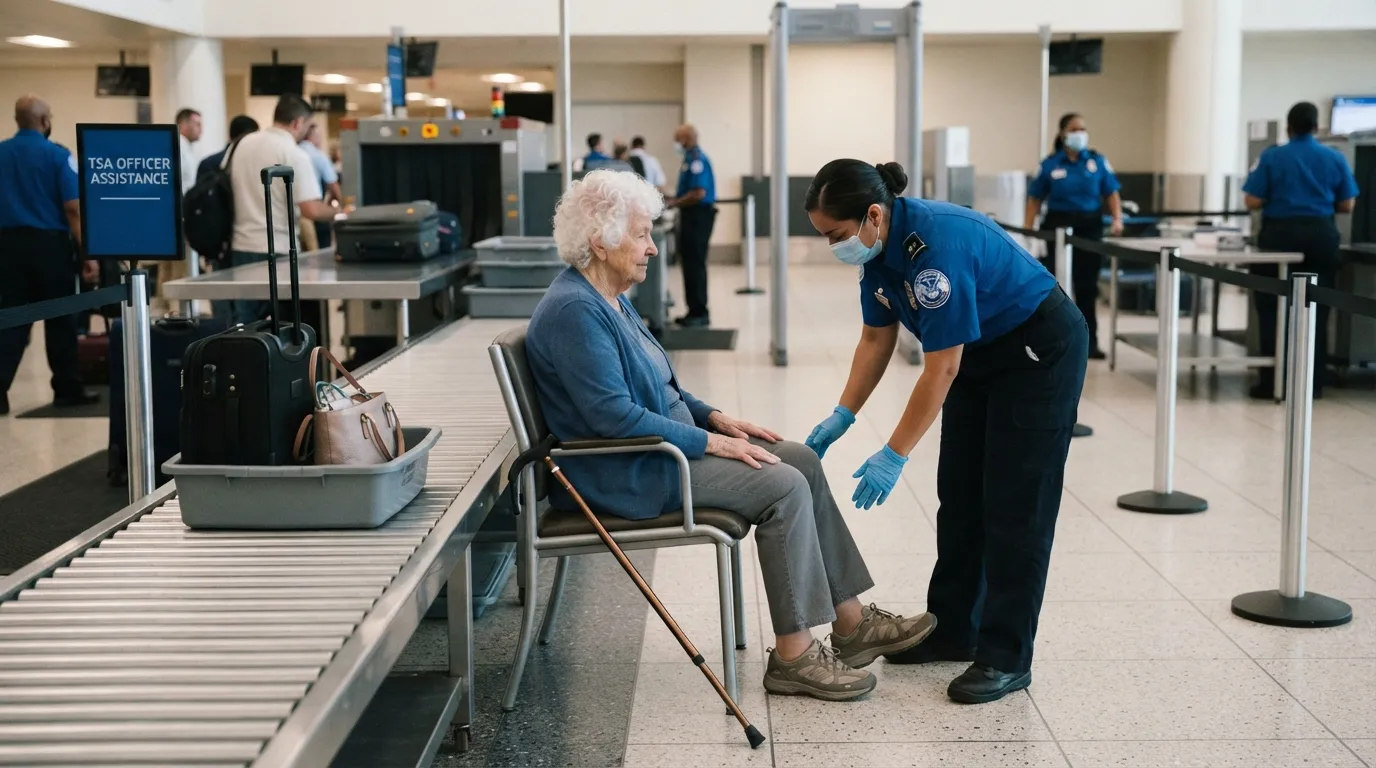
If your knees can’t take the line, say so. Passengers 75 and older who are unable to stand for screening are screened through other security methods.
Younger travelers whose conditions prevent standing or walking get a related accommodation. Their shoes don’t have to come off, but they are inspected manually.
If an alarm leads to a shoe check or pat-down, you can ask to sit. TSA says you may request to be seated during that portion of the screening.
A chair doesn’t skip the screening, though. It only changes how you get through it.
The machine at your bedside is a bigger item than a cane, and it has its own routine.
#9 – A CPAP Machine Can Fly With You
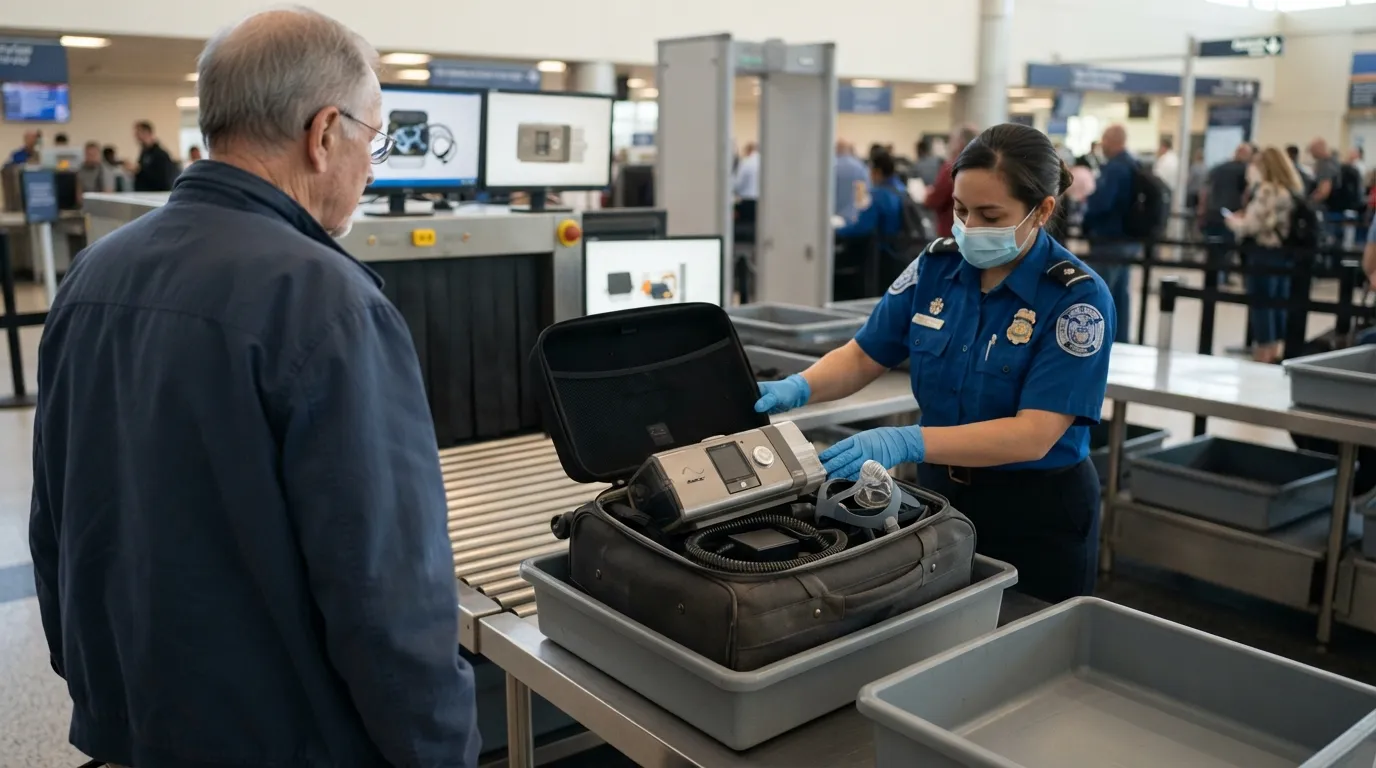
Yes, your CPAP machine can come on the plane. TSA has said it’s okay to bring one.2
The condition is screening. Medical oxygen and respiratory devices such as nebulizers, CPAP, BiPAP and APAP machines must be screened before they go through the checkpoint.
A CPAP can ride in your carry-on, but it has to be screened. Mention it before your bag goes on the belt so the officer isn’t surprised by the shape on the X-ray.
At a Glance
- Allowed: CPAP, BiPAP, APAP machines and nebulizers
- Required: screening before the checkpoint
- Best spot: your carry-on, within easy reach
- Smart move: mention it before the bag hits the belt
The same applies to any equipment that plugs in or holds medicine, which brings us to the item with a number attached.
#8 – The 3.4-Ounce Rule Bends for Medicine
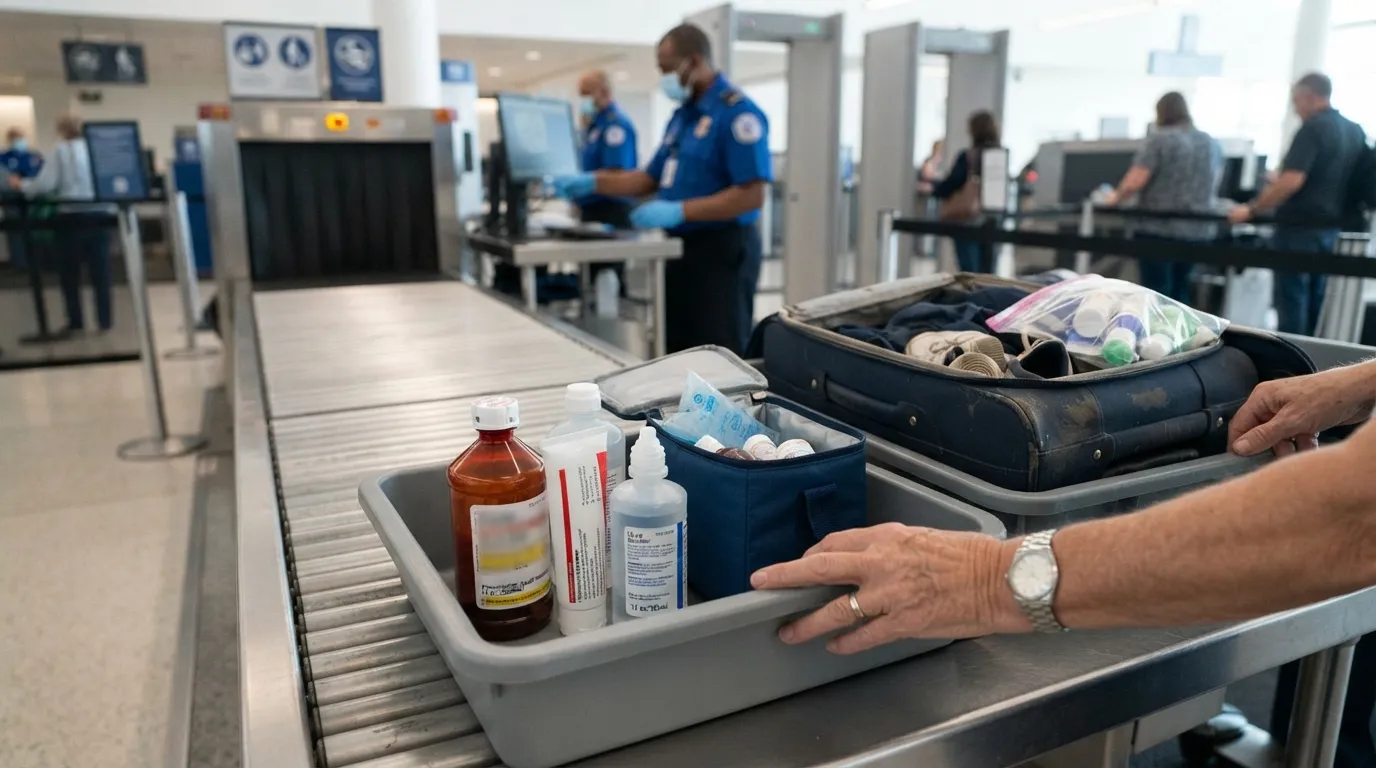
Standard travelers live by the 3.4-ounce limit, and medicine gets an exception. TSA allows larger amounts of medically necessary liquids, gels and aerosols in reasonable quantities for your flight, but you must declare them at the checkpoint.3
Take them out of your carry-on and put them in a bin. You don’t have to put them in your quart-size bag.
Declare medically necessary liquids before screening, then put them in a separate bin. If one alarms, additional screening will be required.
Medicine that has to stay cold raises its own question at the belt, and the answer isn’t what the liquid rule suggests.
#7 – Ice Packs Can Arrive Melted
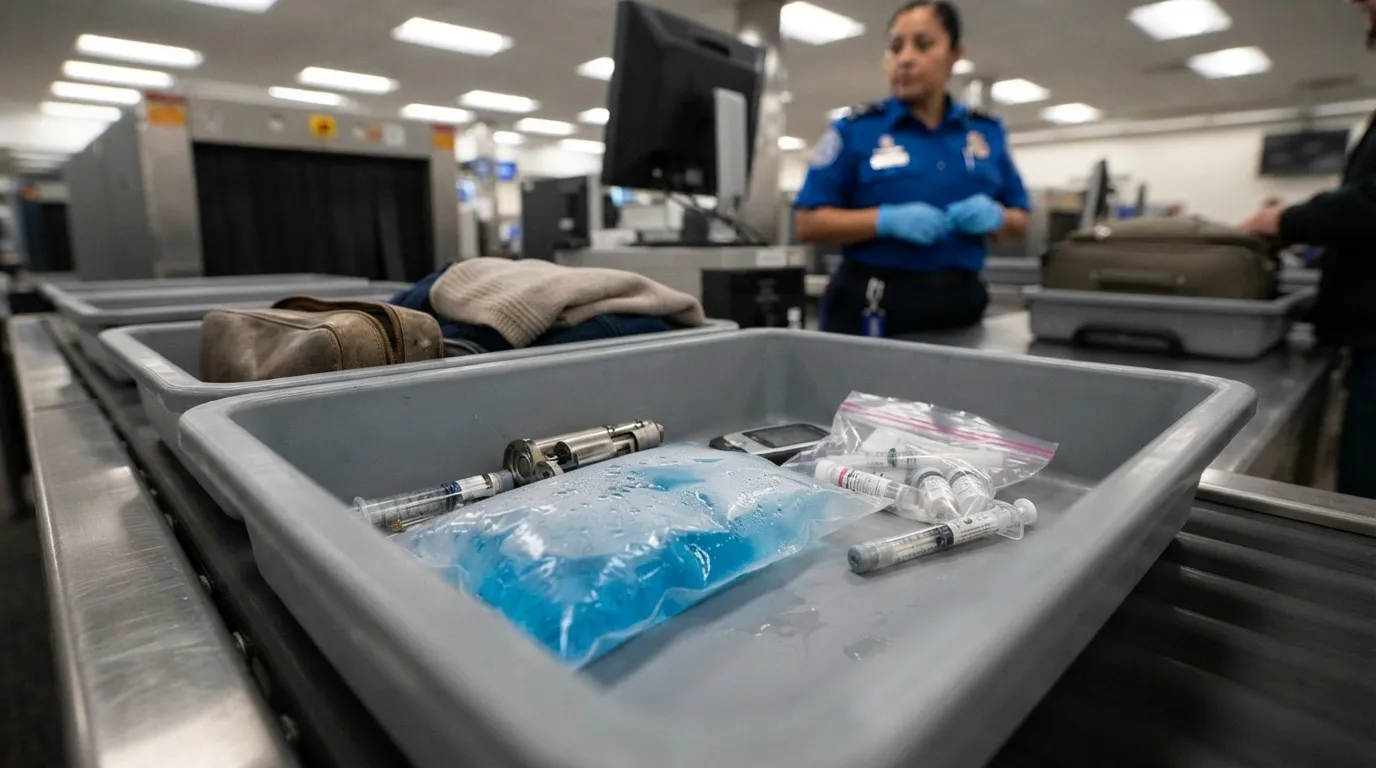
A pack that has gone soft on the way to the airport is still allowed. Ice packs, freezer packs and gel packs may be presented frozen, partially frozen or melted to keep medically necessary items cool.
That’s a break from how ordinary liquids work. A partly melted pack without context may need additional screening unless it’s declared as medically necessary.
Cooling packs can be frozen, partly frozen or melted at the checkpoint. Put the pack in the same bin as the medicine it protects, so the officer sees the reason for it.
The cold pack often travels with something sharper, and that gets a longer look.
#6 – Syringes and Pumps Are Screened Too
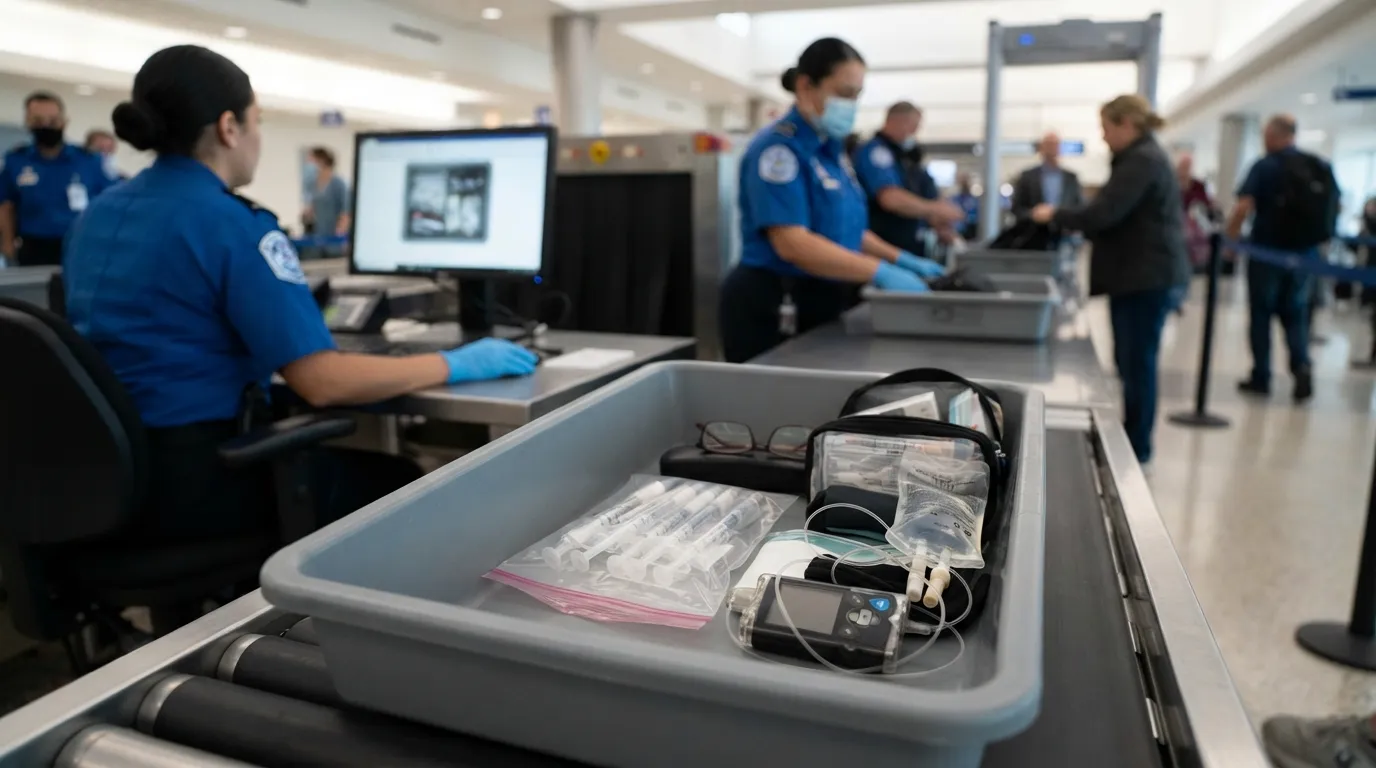
Your medicine isn’t the only thing that gets examined. All items, including supplies such as IV bags, pumps and syringes, must be screened before they enter the secure area.
If a liquid alarms, the screening widens. You or the traveling guardian will undergo additional screening, which may include AIT, a pat-down and additional screening of your carry-on.
Syringes, pumps and IV bags all go through screening before the secure area. Pack supplies together, where an officer can see the whole setup at once.
That testing often starts with a swab, and it isn’t only for liquids.
#5 – The Swab on Your Hands and Your Cane
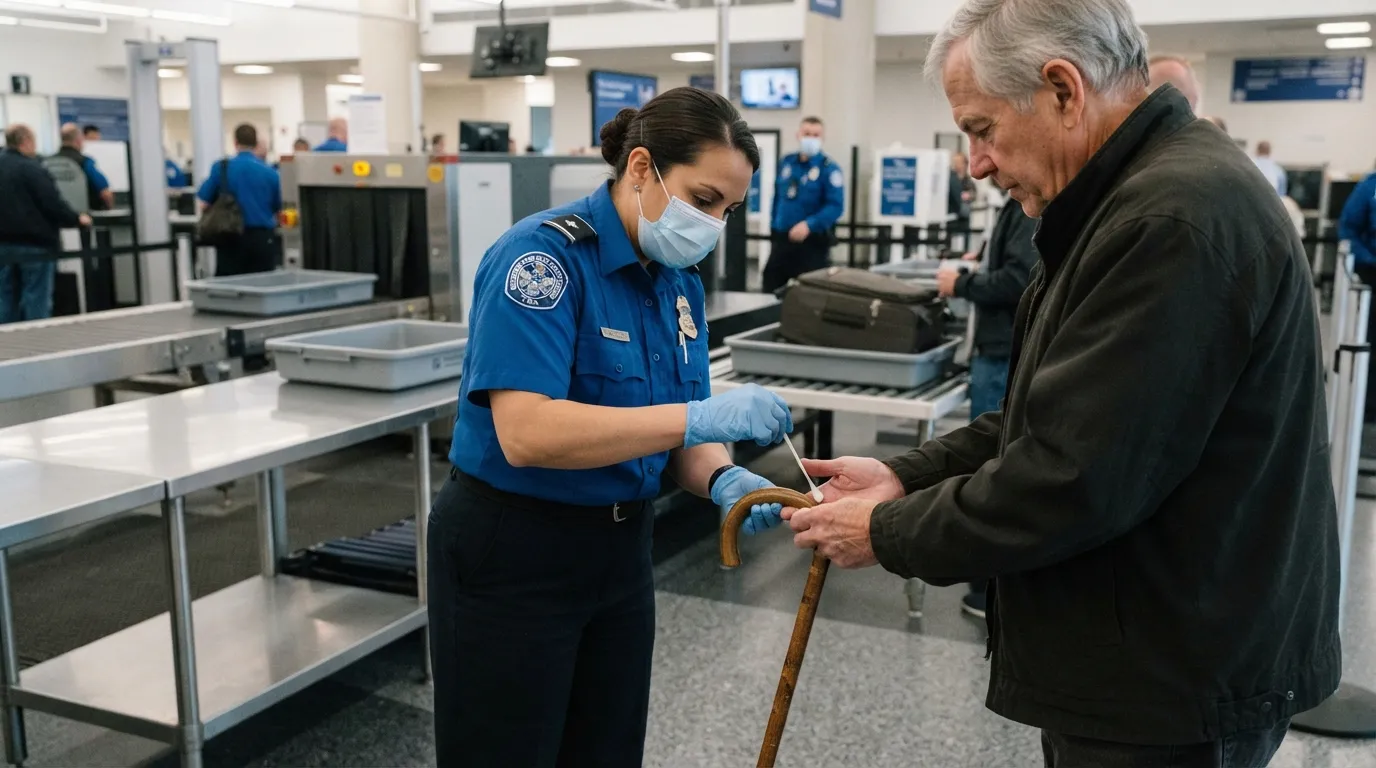
You may be asked to hold out your hands. TSA officers may swab hands, mobility aids, equipment and external medical devices to test for explosives.
The cane is included because TSA says it has found unauthorized items hidden in wheelchairs and other mobility devices. So the swab is a test applied to equipment, and it isn’t aimed at your age.
Hands, canes, walkers and external devices can all be swabbed for explosive traces. Say yes and let it run its course.
Worth Knowing
- The swab is a test of equipment and hands, not a judgment about age.
- Mobility aids and external medical devices are fair game.
- A calm yes keeps the line moving for everyone behind you.
When a swab or scanner needs explanation, the fastest tool is a card that fits in your wallet.
#4 – A Free Card That Explains You
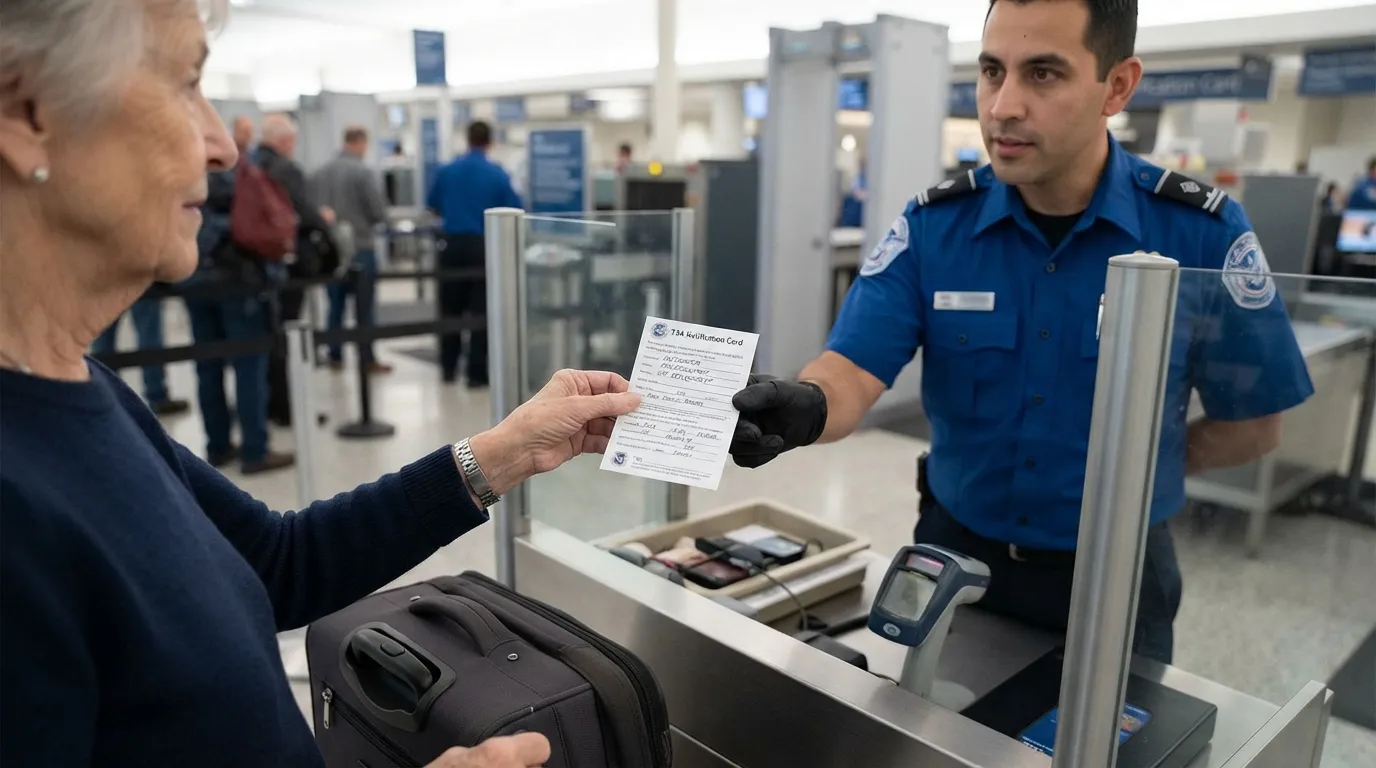
TSA offers a card that does your explaining for you. It introduced a medical notification card in 2010, and it’s free to download from TSA.gov.
You fill it in with your condition or device, then hand it to the officer when you reach them. The TSA Notification Card is free and prints from TSA.gov.
That beats describing a hip replacement aloud to a line of strangers. It lets you describe the condition discreetly.
Some conditions call for more than a card, and the one that matters most involves your chest.
#3 – Pacemakers and Joint Replacements
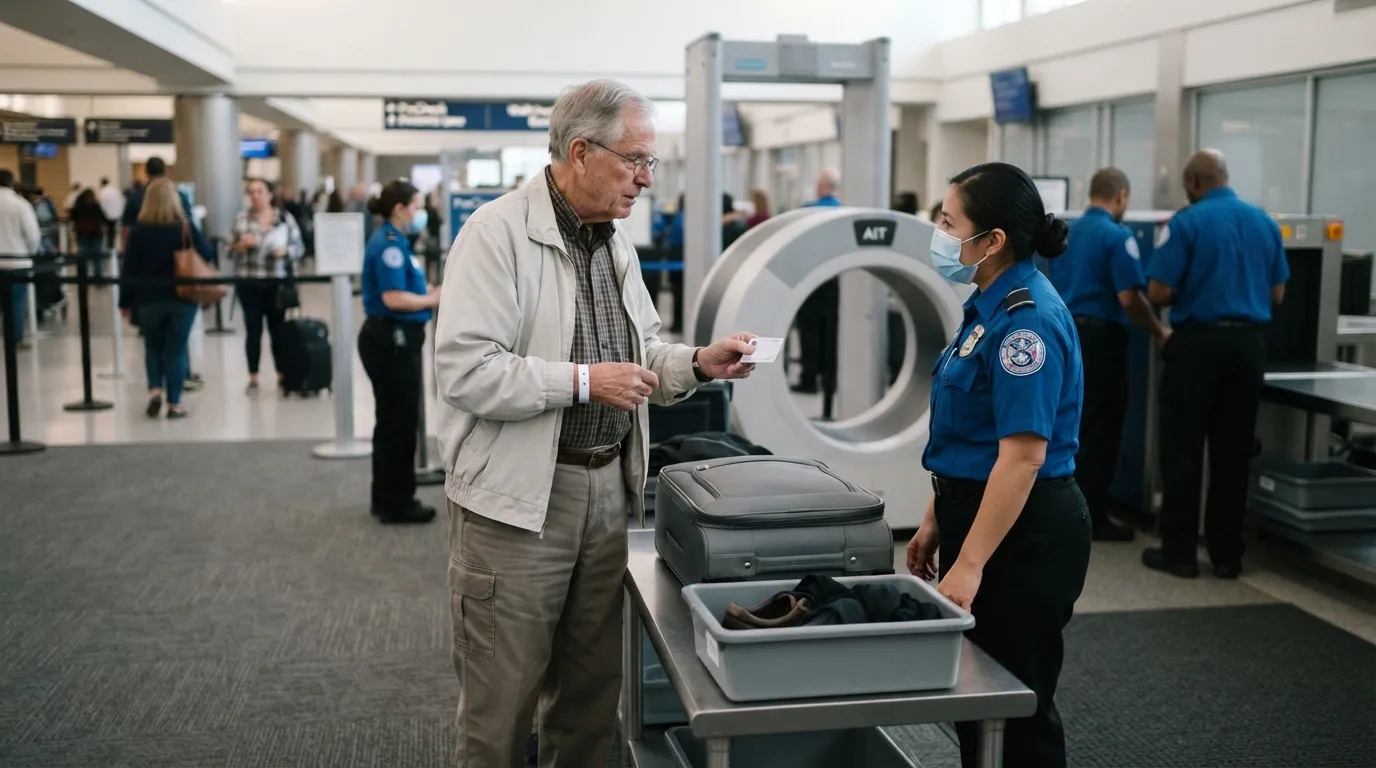
If you have a pacemaker, the metal detector isn’t for you. You should not be screened by a walk-through metal detector if you have an internal medical device such as a pacemaker.1 4
Related Stories From Weather Fox

Tell the officer about it, and about an artificial knee, hip, other metal implant or defibrillator. Advanced Imaging Technology can facilitate your screening and reduces the likelihood of a pat-down.4
Name the implant before you reach the metal detector, and show your device ID card. Keep that card where you can reach it at the first checkpoint.
A device like that is worth a phone call before you leave home, and TSA runs a helpline for it.
#2 – The Free Helpline Before You Fly
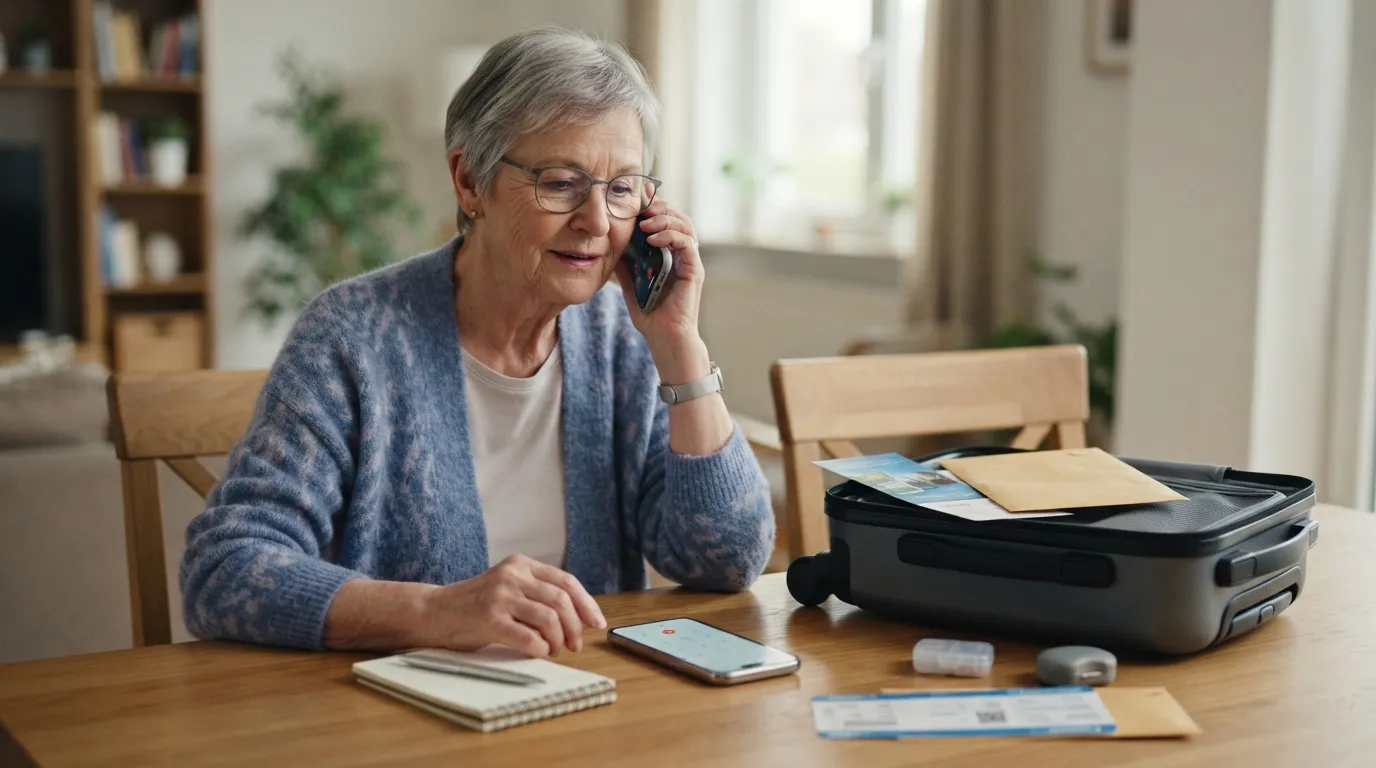
TSA staffs a helpline for exactly these situations. Travelers or their families can call 1-855-787-2227 with questions about screening, 72 hours before traveling.2 5
TSA Cares provides extra help to travelers with disabilities, medical conditions and other special circumstances. Call TSA Cares at 1-855-787-2227 at least 72 hours before you fly.6 7
If all you carry is a hearing aid and a pill case, skip the call, since the card and one sentence at the belt cover it. If you have a pacemaker, a pump or breathing equipment, make it.
Every tool so far depends on one move at the very start, and its timing matters more than anything in your bag.
#1 – Speak Before Your Bag Hits the Belt
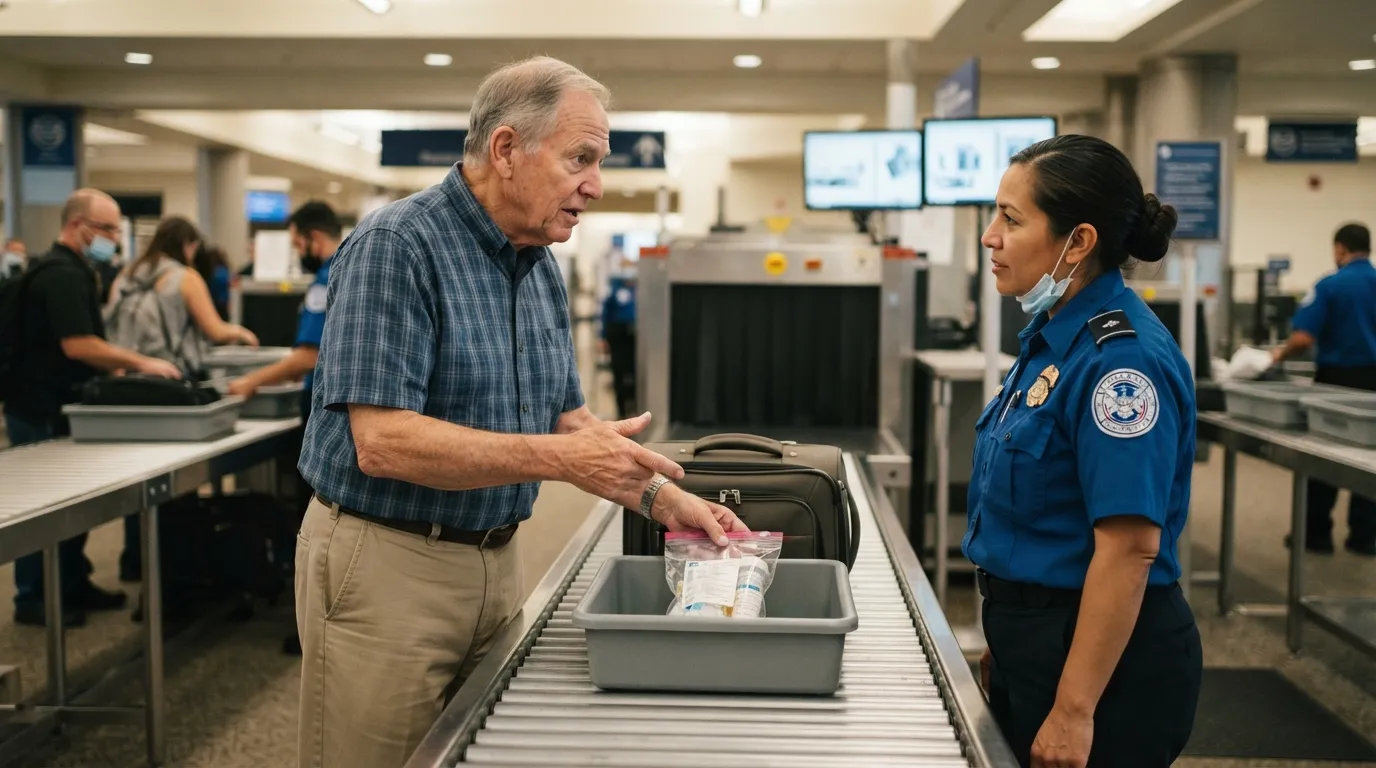
The cheapest fix on this list costs a single sentence. TSA’s guidance keeps returning to timing: tell the officer about medically necessary liquids and medications before screening begins.
The same goes for devices. You need to disclose a pacemaker or other implanted device before you reach the machine, not after it alarms.
Tell the officer before screening begins, not after the alarm. Silence is what turns a tidy check into additional screening, a pat-down and a search of your carry-on.
- Medicine and liquids: declare them, then bin them (#8)
- Implants and pacemakers: name them before the detector (#3)
- Hearing loss or a cane: say it up front (#12, #11)
Speaking first won’t excuse you from checks, since everyone is required to undergo screening by technology or a pat-down. What it changes is who controls the conversation, and the bag stays yours instead of becoming a puzzle.
So waiting for a milestone birthday won’t make the checkpoint easier. A card in your wallet, a labeled pill case on top and a plan for the cane will.
Which item in your own carry-on would you declare first, and is it packed where you can reach it in five seconds?
Bonus: The Private Screening Right Almost Nobody Uses
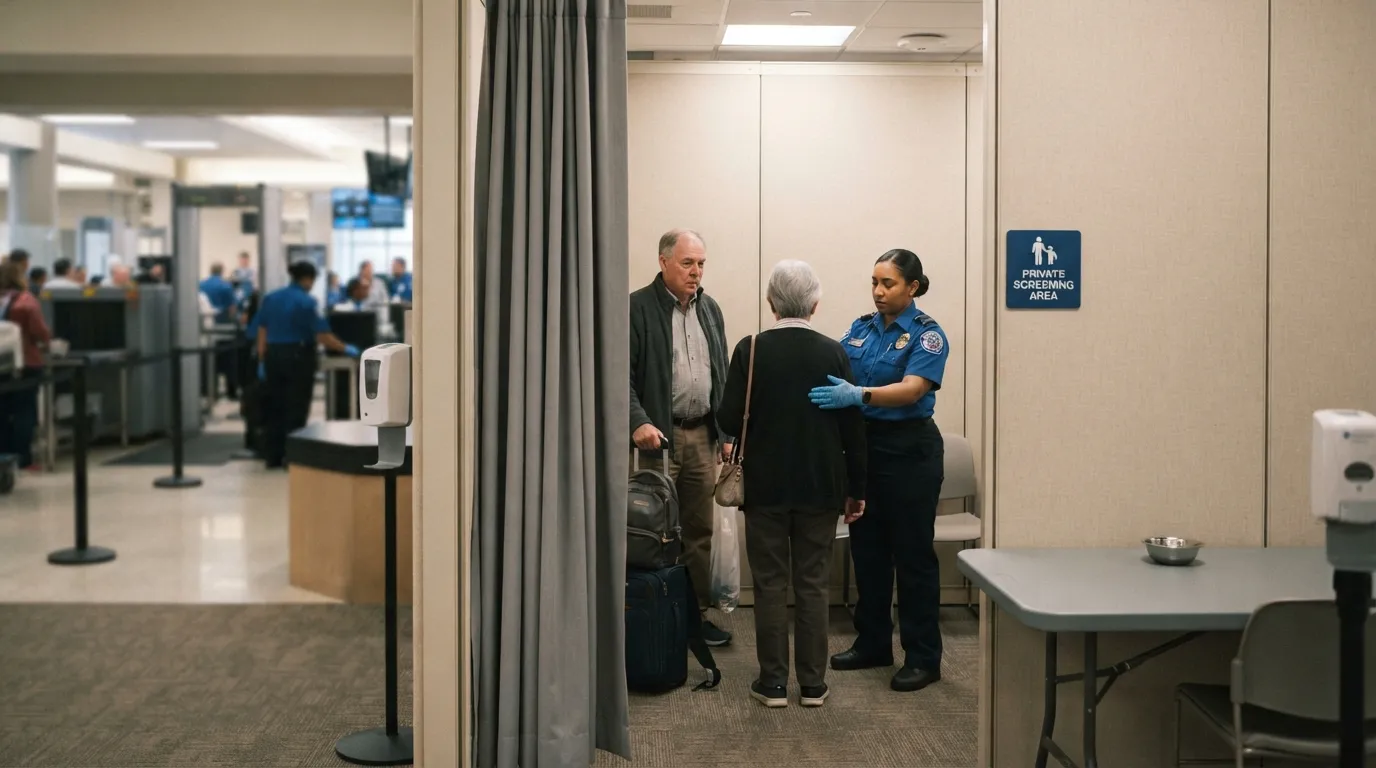
If a pat-down is needed, you are not stuck with doing it in the middle of a crowded checkpoint. You can ask for it to be done in a private screening area instead.
Most travelers never request it because nobody offers. It is especially worth asking for if a pat-down involves a medical device, a prosthetic or a sensitive area.
- Ask out loud: say, “I’d like a private screening, please.” You can make this request at any point in the process.
- Bring a witness: you can have a companion of your choice come with you to the private area.
- Ask for a supervisor or Passenger Support Specialist: if anything feels unclear, request one right there at the checkpoint, even if you never called ahead.
- Keep your items in sight: ask the officer to have your bag and cane brought to the private area, or to have your companion watch them.
Pair this with your wallet card and one early sentence, and an alarm becomes a calm, unhurried conversation rather than a public scene.
- TSA Disabilities and Medical Conditions: https://www.tsa.gov/travel/tsa-cares/disabilities-and-medical-conditions
- TSA CPAP Travel Tips: https://www.tsa.gov/news/press/releases/2022/12/22/tsa-shares-tips-travelers-disabilities-medical-devices-medical
- TSA Liquid Medications Rules: https://www.tsa.gov/travel/security-screening/whatcanibring/items/medications-liquid
- TSA Customer Service FAQ: https://www.tsa.gov/contact/customer-service
- TSA Assistance Helpline FAQ: https://www.tsa.gov/travel/frequently-asked-questions/i-need-assistance-during-screening-there-number-i-can-call-my
- TSA Notification Card: https://www.tsa.gov/sites/default/files/disability_notification_card_508.pdf?c=MY2024
- TSA Cares Medication Helpline: https://www.tsa.gov/videos/tsa-cares-traveling-medication-0