Hawaii has always carried a mythic weight in the American imagination. Turquoise water, swaying palms, volcanic peaks wrapped in clouds – it sounds perfect on paper. For decades, it was the dream. But something has shifted. Quietly at first, then loudly enough that even the data couldn’t ignore it.
More Americans are crossing Hawaii off their lists – not because the islands have lost their beauty, but because a long and complicated list of real-world headaches is getting in the way. From sticker-shock hotel rates to post-wildfire recovery struggles to a shrinking supply of vacation rentals, the reasons stack up fast. Let’s dive in.
1. Hotel Prices That Have Hit Record-Breaking Highs

Let’s start with the obvious one. Hawaii hotel rates hit a new all-time U.S. record, with the average daily rate statewide reaching $413 per night, higher than any other state. That number alone is enough to make most American families put down their coffee and close the browser tab.
That figure doesn’t include resort fees, taxes, or parking, which can quickly push the nightly cost to $600 or even more. Think about that for a second. You’re paying luxury hotel prices for what might be a standard room with an ocean view from a parking lot. Honestly, the math just doesn’t add up for most families.
2. The Overall Cost of Everything Is Simply Too High
The cost associated with visiting Hawaii means that for many, a trip to the islands is a once-in-a-lifetime opportunity. Everything from airfare and food to lodging and excursions is significantly more expensive than most places in the continental United States, and it has begun to seriously deter visitors, especially as budget options for accommodation diminish.
The part under the most strain is the mass market middle, where travelers want Hawaii but increasingly resist the full cost once airfare, lodging, dining, car rental, and activity prices are combined. That’s the crux of it, really. Hawaii is slowly becoming a destination only for the very wealthy, and that’s a problem that goes far beyond simple inflation.
3. Total Visitor Arrivals Are Falling Year After Year
The numbers don’t lie. A total of 9,642,991 visitors arrived in calendar year 2025, down slightly from 9,701,499 visitors in 2024. That sounds marginal until you zoom out. Total arrivals declined over 6 percent when compared to visitors in the first seven months of 2019.
Hawaii’s Department of Business, Economic Development and Tourism released preliminary statistics showing that visitor arrivals dropped by 4.4 percent in July 2025 compared to the same month in 2024, with the decline most noticeable in key markets such as the U.S. West, Japan, and Canada. These aren’t random blips. They’re a pattern, and patterns have meaning.
4. Reduced Airline Routes and Shrinking Air Capacity
Here’s something most travelers don’t immediately think about when planning a trip: fewer flights means higher prices and less flexibility. In July 2025, airlift to the islands was down 6.8 percent compared to 2024’s numbers.
Hawaiian Airlines, the main provider of inter-island flights and one of the top three for flights to and from the mainland, recently merged with Alaska Airlines, which has led to much speculation and uncertainty as to how services to Hawaii will be affected. Many visitors feel this merger will deal a huge blow to the islands, with more expensive inter-island flights, worse discounts, decreased flight frequency, and a loss of the spirit Hawaiian Airlines was known for providing. It’s a bit like a beloved local restaurant getting bought out by a corporate chain.
5. The Shadow of the Lahaina Wildfire Still Looms Over Maui
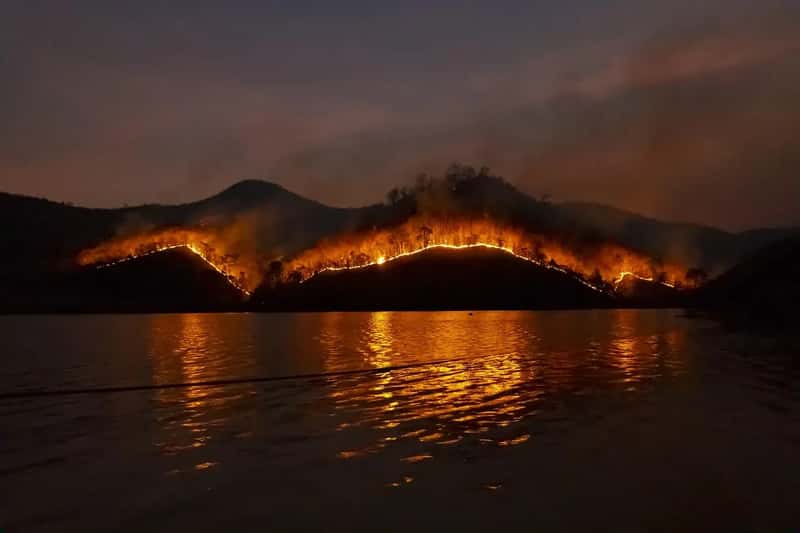
The August 2023 Lahaina wildfire on Maui was one of the deadliest in modern American history. The wildfire killed at least 101 people and destroyed housing for 6,200 families, amplifying Maui’s already acute housing shortage. The trauma was enormous, and it sent shockwaves through tourism that are still being felt today.
Statewide, there has been a 6.7 percent decrease in visitors compared to 2019 and a 23.4 percent decrease in Maui tourists specifically. Maui continues to face significant challenges with continued softness in visitation and airlift, and the lingering effects of wildfires, particularly in West Maui, are impacting bookings and visitor confidence. Many Americans simply don’t feel right vacationing somewhere still visibly healing from tragedy.
6. The Maui Vacation Rental Crackdown Is Scaring Off Visitors
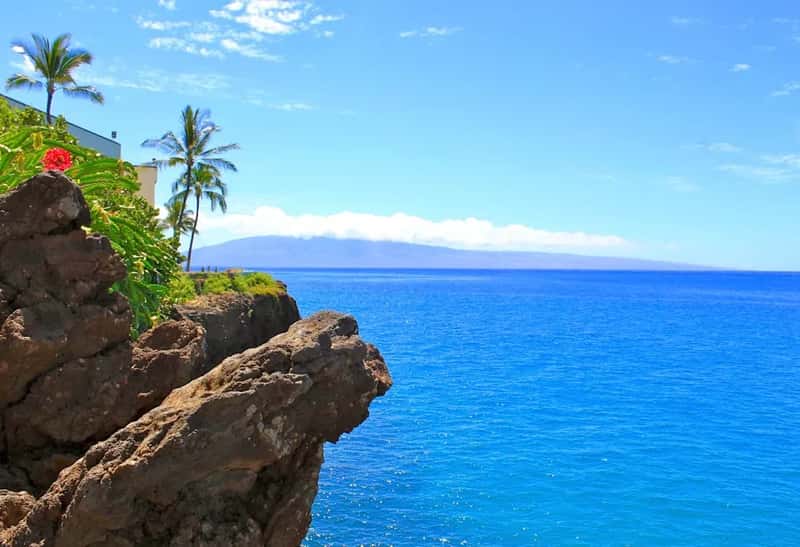
The ripple effects of Maui’s housing crisis have led to some of the most sweeping vacation rental regulations in American history. In May 2024, Maui Mayor Richard Bissen took his self-described “bold step” to phase out 7,000 short-term vacation rentals by January 1, 2026, leaning on a newly passed state law that gave the county clearer authority to do so as the island confronted a long-term housing crisis.
For visitors, the practical impact is this: fewer rental options, higher hotel rates, and a booking process that now requires due diligence. The era of finding a cheap condo on Airbnb and winging it is ending. For families and budget-conscious travelers who relied on affordable condo rentals, this is a dealbreaker – plain and simple.
7. The Decline in Repeat Visitors Is a Worrying Signal
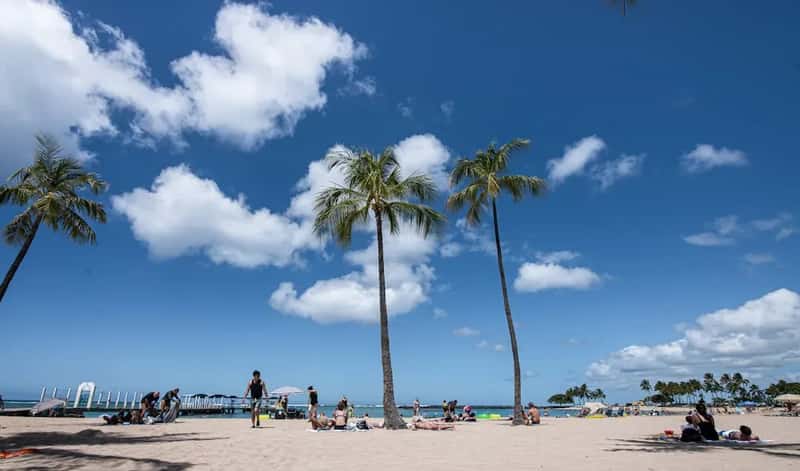
Hawaii’s tourism model has long depended on loyalty. People go once, fall in love, and come back every year. That cycle is breaking down. The number of returning visitors has dropped significantly, especially on Maui, while new first-time visitors are no longer arriving at the pace they once were.
The revenue picture looks strong, but fewer people are visiting, and the perception of value is eroding. If Hawaii alienates too many longtime visitors, it risks trading loyalty for short-term dollars. Loyal visitors are the backbone of any destination economy – lose them, and you’re always starting from scratch. I think that’s the most underappreciated danger here.
8. Residents’ Growing Frustration With Overtourism
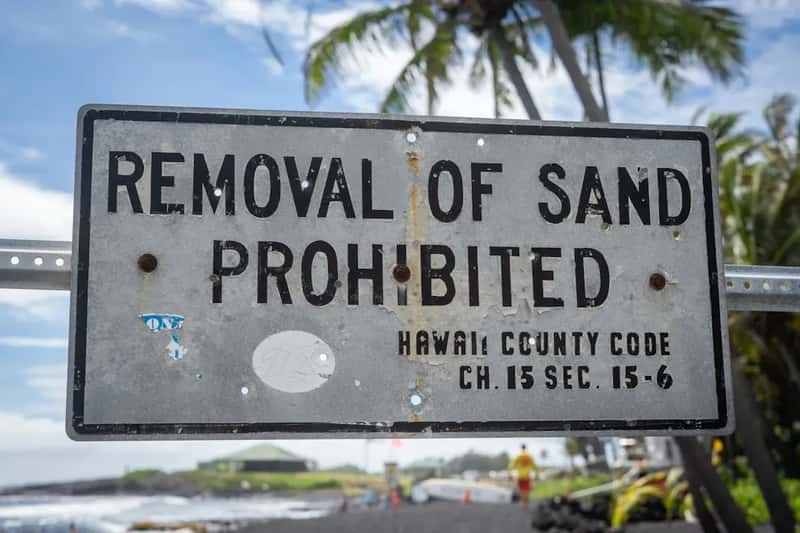
Locals are speaking up, and the message isn’t always welcoming. When asked if tourism brought more benefits than problems, roughly four in five respondents agreed in 2010. By 2023, only about half agreed. That’s a dramatic shift in public sentiment over a relatively short period.
Negative effects on locals and Native Hawaiians range from the congestion of roads to tourists trespassing on sacred land and the exoticization of indigenous heritage. The expansion of vacation rental regulations, frequent beach protests, and public outcries against over-tourism have contributed to a portrait of a destination at a crossroads. Word travels. When travelers sense they’re not fully welcome somewhere, they start looking elsewhere.
9. Hawaii Is Pricing Out the Middle-Class American Traveler

There’s a real and growing gap between what Hawaii is offering and who can actually afford to go. Hawaii’s Department of Business, Economic Development and Tourism is forecasting that just over 7 million U.S. travelers will visit the Aloha State in 2026, a decline of 2.7 percent from last year. Much of that drop is concentrated in middle-income households.
As Hawaii prioritizes higher-spending visitors over mass tourism, travelers may need to adjust how they approach their next trip. The state has consciously pivoted toward a “luxury” identity, but this approach has a blind spot. The biggest exposure is in the broad middle of the market. Luxury properties can still capture affluent travelers and push room rates higher, while lower-tier operators often compete on discounts, bundles, or shorter stays. The middle is quietly collapsing.
10. International Visitor Markets Are Also Falling Away

It’s not just Americans. Hawaii experienced a 12.5 percent decline in Oceanian visitors in 2025, with visitor numbers dropping from around 144,000 in 2024 to under 126,000 in 2025. Visitors from Canada also declined sharply, with arrivals in December 2025 dropping 14 percent from the same month in 2024.
Another challenge Hawaii’s tourism industry is bracing for is the absence of international visits from key markets, including Japan and Canada, as recent political tensions have dissuaded people from these regions from visiting. When your international markets start shrinking alongside your domestic numbers, the overall picture becomes genuinely concerning. Hawaii can’t lean on one pillar forever.
11. Competition From Other Destinations Is Fiercer Than Ever
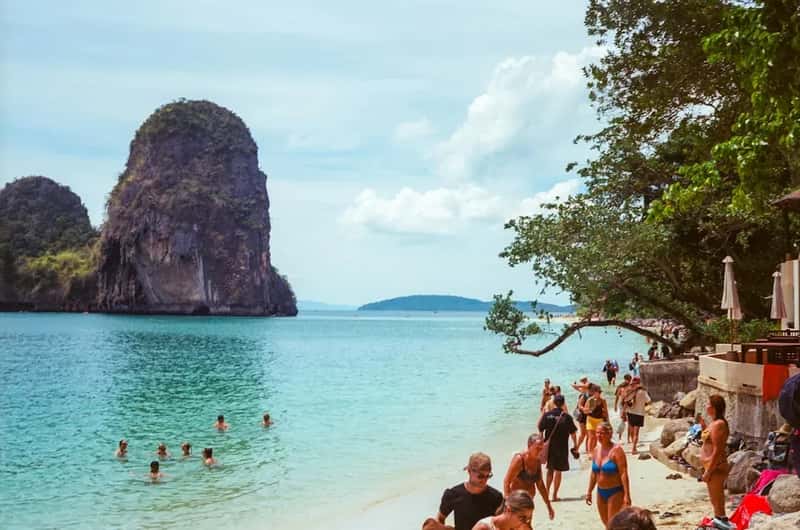
Here’s the thing: Americans have never had more fantastic alternatives. Mexico, Costa Rica, Portugal, Bali – all of these can deliver a tropical or exotic experience at a fraction of the Hawaii price tag. When you compare Hawaii to destinations like Mexico or Florida, where all-inclusives and package deals are the norm, the difference is stark.
Hawaii faces stiff competition from other destinations, and it is important for Hawaii to continue marketing to the world. That’s an understatement. When a family of four can fly to Cancun for a week, stay at an all-inclusive with food and drinks included, and spend less than two nights in a Maui hotel would cost – the choice becomes increasingly easy to make. The competition isn’t just catching up. It’s arguably pulling ahead on value.
12. The Population Is Actually Leaving Hawaii
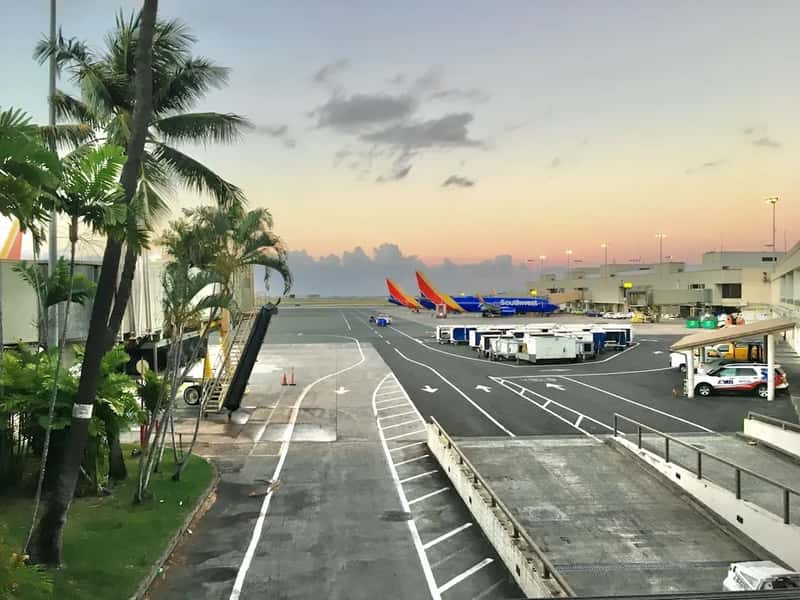
This one might surprise you. The U.S. Census Bureau said Hawaii was one of only five states to lose population between July 2024 and July 2025, which fits the broader pattern of a state still struggling to convert visitor demand into broad-based resident prosperity. When the people who live there are leaving, it says something profound about the livability of the destination.
This leaves Hawaii more exposed when shocks hit, whether from volcanic events, pandemics, wildfire disruption, or shifts in long-haul demand. It also makes it harder for tourism-centered growth to fund the kinds of wages that keep younger workers and families from leaving. A destination losing its own residents is sending a signal that tourists are increasingly picking up on, even if they can’t quite articulate it.
13. The Perceived Value Simply Isn’t There Anymore
Perhaps the most damaging shift of all is purely psychological. Both arrivals and total spending slipped almost equally in peak months, showing that higher costs alone can’t keep propping up the bottom line. Travelers are speaking with their feet, and what they’re saying is that Hawaii no longer feels worth the price.
It’s part of a broader trend that includes restrictive vacation rental policies, shifts in airline routes, rising costs, and ongoing resident frustration with over-tourism in certain regions. Spring break is simply one snapshot that illustrates the bigger picture. Hawaii still has the beauty. That hasn’t gone anywhere. What has changed is whether the total experience – the cost, the convenience, the warmth of welcome – still justifies the sacrifice. For a growing number of Americans, the honest answer is no.
Still, it would be too easy to write Hawaii off entirely. The islands remain genuinely extraordinary, and for those who can make it work financially and logistically, the magic is still very much there. The real question is whether state leaders and the tourism industry will adapt fast enough to bring the middle-class American traveler back into the picture – before they stop looking altogether.
What do you think? Is Hawaii still worth it, or have you already started planning elsewhere? Share your take in the comments.