Cruising is booming. There’s no getting around it. A record 19 million Americans are projected to go on ocean cruises in 2026, a 4.5% increase over 2024, when 18.2 million Americans went on cruise vacations. The numbers are staggering, the ships are growing, and the marketing is relentless. So why are millions of Americans still saying no?
Honestly, the reasons people skip cruises are more interesting than the reasons people take them. From norovirus nightmares and environmental guilt to the creeping dread of being trapped at sea with thousands of strangers, the skeptics have real concerns. Some of those concerns are well-founded. Others, less so. Let’s find out which is which.
1. The Fear of Norovirus and Getting Sick Onboard
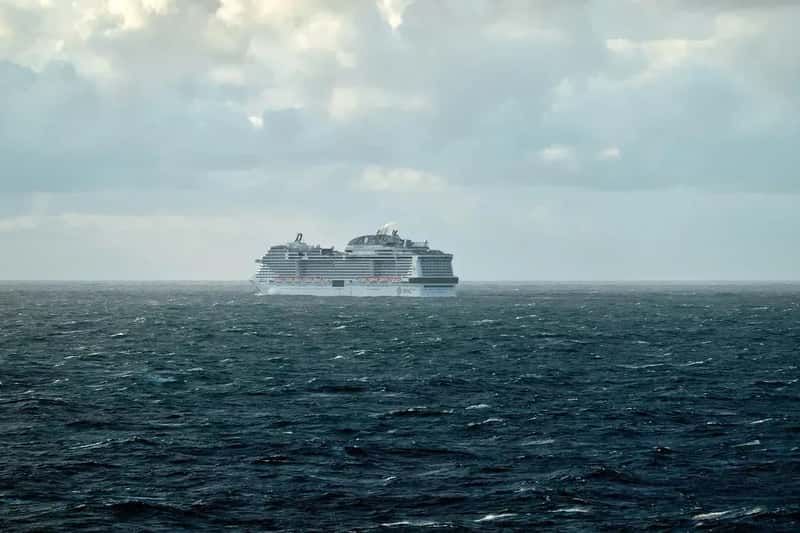
This one hits close to home for a lot of people – and not without reason. The latest data from the U.S. Centers for Disease Control and Prevention suggests 2024 was the worst year for cruise ship-based gastrointestinal outbreaks in over a decade. That’s a headline nobody in the cruise industry wanted to read.
On cruise ships, more than 90% of gastrointestinal illness outbreaks with a confirmed cause are due to norovirus. Characteristics of norovirus that facilitate outbreaks include a low infective dose, easy person-to-person transmissibility, prolonged viral shedding, absence of long-term immunity, and the ability of the virus to survive routine cleaning procedures. In a floating city packed with thousands of people sharing buffets, pools, and elevator buttons, that’s a recipe for misery.
In December 2024 alone, five cruise ships were stricken with the vomiting bug, with hundreds of passengers reporting symptoms on Cunard Line, Holland America, and Princess Cruises’ vessels. It’s worth noting, though, that norovirus is often called the “cruise ship disease,” but only 1% of reported outbreaks are associated with cruise ships. Outbreaks are actually more common on college campuses, hospitals, and nursing homes where people are living in close quarters. Valid concern. Slightly exaggerated fear.
2. The Real and Rising Cost of Cruising
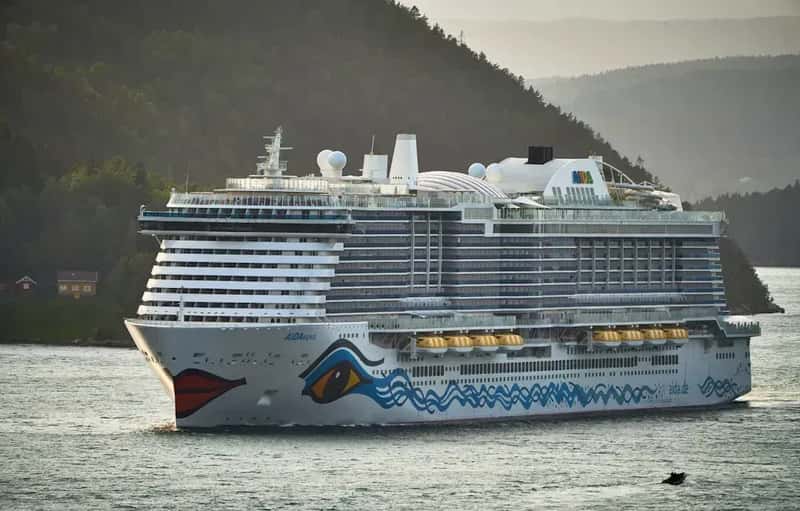
People assume a cruise is this neat all-inclusive package. Sometimes it is. Often, it isn’t. Due to pent-up demand for travel as well as inflation, cruise fares have gone up significantly. Cruises are more expensive than in 2022 and 2023. Since cruising is back to normal, cruise lines are offering fewer promotions, and it’s not uncommon for cruise prices to be 30 to 50% or more than the same sailing just a year or two ago.
Think of it like your favorite restaurant suddenly doubling prices and calling it “post-pandemic normalization.” Passengers can expect to pay more for just about everything on their cruise. With travel back in full swing, not only are cruise fares going up, but so are other onboard expenses, ranging from daily service charges and drinks to Wi-Fi. The advertised price can feel like a bait-and-switch once you add up drinks, specialty dining, excursions, and internet.
Some lines nickel-and-dime passengers with surprise onboard charges. From menu changes in the main dining room to the removal of free room service on several cruise lines, cruise passengers have real complaints. Many understand that the cost of everything has increased, but they don’t like getting less for more money. That’s a fair grievance, full stop.
3. Concerns About Overcrowding and Loss of Personal Space
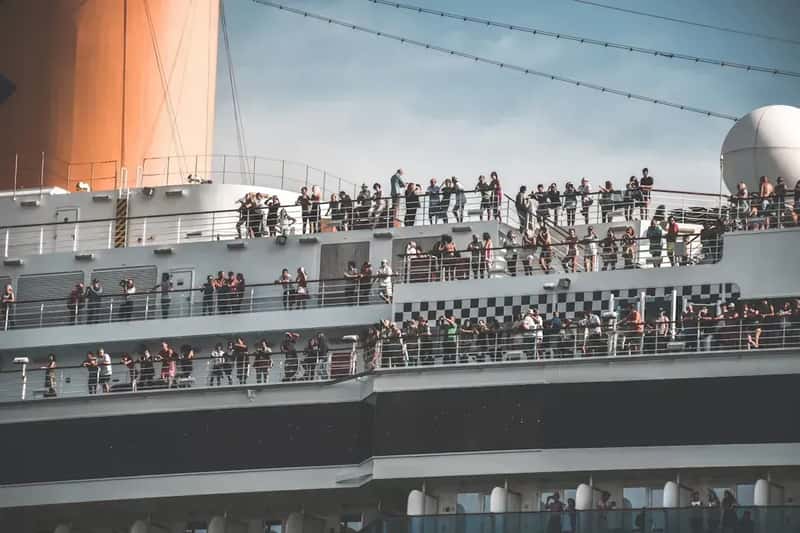
Let’s be real: the image of a peaceful ocean voyage has little to do with modern mega-ships packed beyond capacity. The issue of overcrowding and lack of space has been a common complaint among passengers. A crowded ship can lead to a less enjoyable experience, with long lines and limited spaces for relaxation and recreation. That’s putting it politely.
The number one complaint among cruise passengers is rude or inconsiderate behavior by other passengers, including drunkenness, loud arguing, and inappropriate attire in dining areas. When you’re sharing your vacation space with 5,000 strangers and there’s nowhere to escape, that kind of thing grates quickly. Think of it like living in a very fancy apartment building where you can never leave.
Cruise lines used to offer twice-a-day housekeeping – a full cleaning of the stateroom as well as a quick turn-down in the evening. Contemporary cruise lines like Carnival, Norwegian, and Royal Caribbean have now reduced daily housekeeping from twice a day to once a day. Less service, more people, and higher prices. It’s hard not to understand the frustration.
4. Environmental Guilt and Pollution Concerns
For eco-conscious travelers, this reason is a genuine dealbreaker. Calculations show that an average cruise ship emits about double the CO2 per passenger compared to an airplane over the same distance, and four times more than a gasoline car. That’s not a talking point from a fringe activist – it’s research from transport economists.
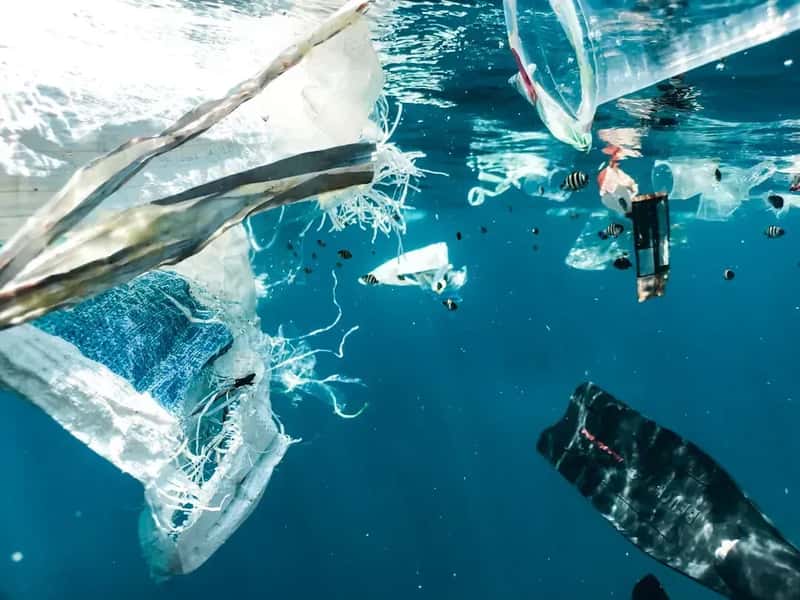
Based on 2025 to 2026 data from Transport and Environment and industry reporting, Disney Cruise Line produces around 1,481 kg of CO2 per nautical mile, while Norwegian Cruise Line averages around 1,413 kg of CO2 per nautical mile. These are massive numbers. And the pollution doesn’t stop at carbon. Solid waste generated on cruise ships – including plastic, paper, wood, cardboard, food waste, cans, and glass – is also deeply problematic. It is estimated that about 50 tons of solid waste are generated during a one-week cruise.
For decades, the cruise industry’s business practices have put the environment, climate, and public health of coastal communities, passengers, crew, and coastal and marine ecosystems at risk. Most governments have refused to enact strong regulations for the cruise industry. That concern deserves acknowledgment, and the industry’s track record gives real ammunition to critics. The guilt is not irrational.
5. The Seasickness Factor
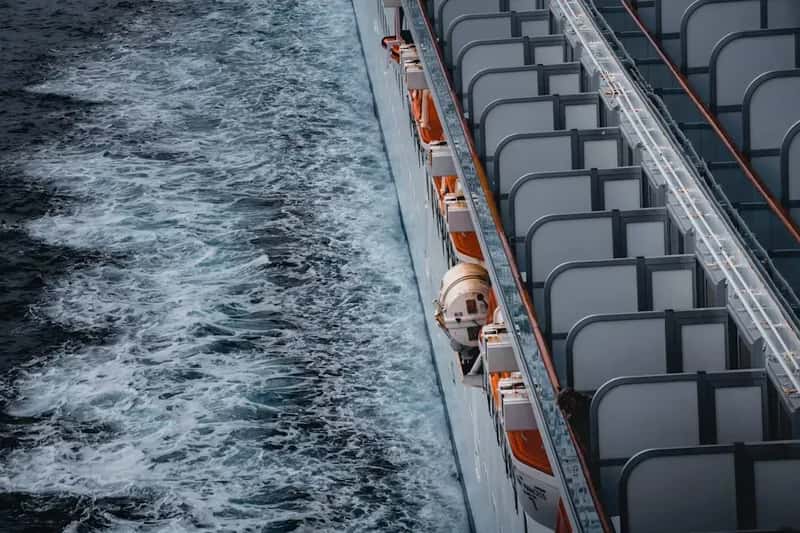
Among the most common reasons people give for not taking a cruise vacation is seasickness. It sounds almost old-fashioned in an era of stabilized mega-ships, but the fear is deeply personal. Nobody wants to spend their hard-earned vacation hunched over a railing.
Here’s the thing though: considering the large size of today’s cruise ships, seasickness is rarely a problem. With innovative design and engineering, ships can safely navigate around inclement weather and use stabilizers – fins built off a ship’s port and starboard sides along the water line – to reduce side-to-side motion. Modern ships are engineered dramatically differently from the vessels of decades past.
Still, some people are simply more prone to motion sickness than others. Around one in three people get motion sickness, but how much they’ll feel it on a cruise ship varies hugely. If you already suffer on car rides, some caution is warranted. Cruise ship stabilizers can reduce roll motion by up to 90%, which makes the fear somewhat overblown – though not completely baseless for those who are genuinely sensitive.
6. Fear of Being Trapped and Claustrophobia
This is one of those concerns that sounds irrational until you actually picture it. An AllianzGlobal survey found that 53% of respondents avoided cruising based on worries related to high-profile ship-related incidents, fear of contracting an airborne illness or becoming seasick, fear of a catastrophic wreck, or because they fear water or being stuck in small spaces. More than half. That’s a significant chunk of the non-cruising public.
Many people have irrational fears like claustrophobia or aquaphobia – fear of water. Being surrounded by open ocean with no ability to simply get off and go home is genuinely unsettling for some personalities. It’s not weakness; it’s just how some brains are wired. Think of it like someone who can’t do long flights – the confined, inescapable environment triggers something primal.
The counterargument is compelling, though. Modern mega-ships are essentially floating cities. Cruise lines have introduced larger ships which accommodate more guests and have an incredible range of amenities on board – it’s at the point now where the ship itself can be the destination. Wide-open promenades, multiple decks of outdoor space, and even surfing simulators make “trapped” feel like a stretch.
7. Concerns About Crime and Safety Onboard

Safety on cruise ships is a topic that doesn’t get nearly enough attention in the glossy brochures. In the first quarter of 2025, Carnival reported 12 crimes to the FBI under mandatory reporting rules, marking the highest number of incidents reported by a specific cruise line that year. That’s a fact worth knowing before you book.
In the first quarter of 2025, Carnival reported 12 crimes to the FBI under mandatory reporting rules. Royal Caribbean reported nine incidents in the same period. Carnival also reported 13 sexual assault cases in 2024, the highest amount on any major cruise line. These numbers are real, and they matter – especially for solo female travelers or families with teenagers.
That said, it’s worth keeping perspective. Cruising is a generally safe form of travel, with extensive safety protocols in place. Incidents are rare, though not unheard of. The issue isn’t that cruises are uniquely dangerous – it’s that the closed environment can complicate reporting and accountability in ways that land-based travel does not.
8. Overtourism at Ports and Local Backlash

Here’s something cruise brochures never mention: not everyone at your destination is happy to see you. Cruise passengers are increasingly suffering the wrath of locals fed up with overtourism, as residents greet ships with protests and chants. In extreme cases like Barcelona, citizens are spraying water on tourists, forcing them to leave the city’s main attractions.
The Alaskan capital Juneau faces overwhelming cruise traffic during its short season. Welcoming 1.6 million visitors annually, the city plans to limit daily cruise passengers in 2026. Santorini in Greece sees more cruise visitors than its population can handle, prompting local authorities to limit the number of ships allowed to dock daily. Cruise passengers frequently encounter tension from locals, even with just one ship in port.
For travelers who care about the communities they visit, this creates real ethical tension. Sailing into a port where you’re resented, overwhelming a small town’s infrastructure for five hours, and then sailing away hardly qualifies as cultural exchange. It’s more like an invasion with sunscreen. This concern has a very valid point behind it.
9. The Rigidity of the Itinerary
One of the ironies of cruise travel is that a vacation promising adventure actually delivers a remarkably controlled experience. You go where the ship goes, when the ship goes, for exactly as long as the schedule allows. Miss the last tender back to the ship and you’re essentially funding your own emergency flights home.
For free-spirited travelers who like to wander without a clock ticking, this is a legitimate dealbreaker. There have been instances where ships have experienced technical issues, leading to delays and cancellations of scheduled itineraries. Passengers have reported inconveniences caused by these maintenance problems, including missed ports of call and disrupted travel plans. And when the itinerary changes, passengers often have very limited recourse.
Think of it as booking a highly curated road trip where you can’t deviate from the route. Loved Florence from your four-hour port stop? Tough luck – the ship sails at 5 PM. The cruise industry has leaned into private island stops precisely because it can control those environments entirely, with cruise lines purchasing islands and incorporating them into itineraries, with 10 cruise line-owned destinations and five new private islands or beach clubs planned to open in the next two years. More control, less authenticity.
10. Reduced Service Standards Amid Rising Prices
There’s a word for this in the travel industry: “debasing.” It means quietly reducing quality while keeping prices stable or raising them. While cruising remains popular, cruise fare increases and cutbacks on food and service are impacting cruisers. Veterans of the industry feel this most sharply.
From menu changes in the main dining room to the removal of free room service on several cruise lines, cruise passengers have concrete complaints. While many understand that the cost of everything has increased, they don’t like getting less for more money. That’s not a frivolous complaint – it’s rational consumer behavior.
The eighth, ninth, and tenth biggest complaints among cruise passengers are unsanitary habits, long waits for seating at buffets and specialty restaurants, and difficulty securing reservations at specialty restaurants. If you’re paying premium prices and still waiting in line for dinner, it’s fair to question the value proposition of the whole exercise.
11. Itinerary Disruptions From Geopolitical Instability
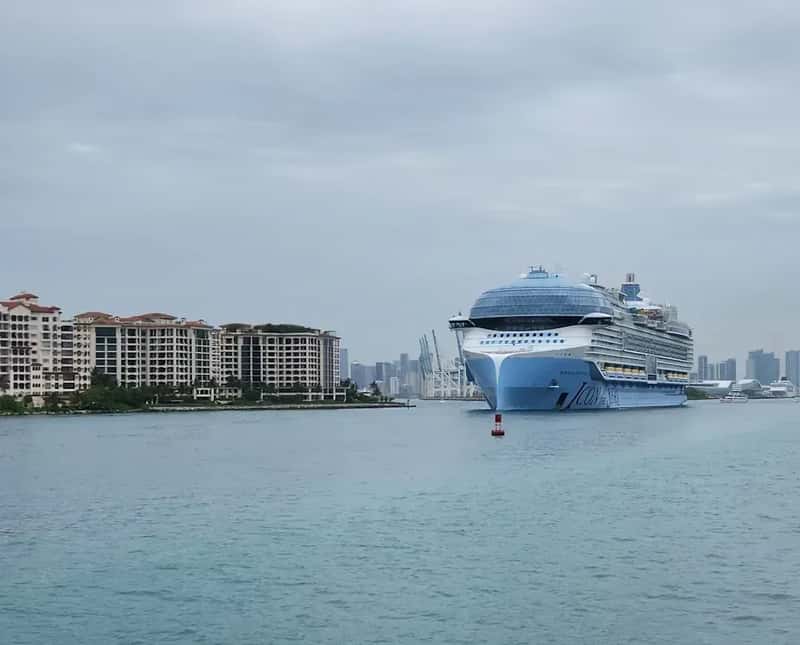
This is a newer concern, and one most people don’t think about when browsing cruise deals. The reality of a globally operating fleet is that wars, unrest, and geopolitical crises can reroute or cancel your entire vacation with little warning. The cruise industry has had to rethink its plans significantly, as industry leaders increasingly believe problems in the Red Sea will persist.
MSC Cruises also changed its 2024 to 2025 program for the MSC Opera, which had been scheduled for the Red Sea and Middle East. The ship instead spent the winter season in the Canary Islands, offering replacement 7-night itineraries. Flexibility you never expected to need suddenly becomes essential – and cruise contracts historically offer limited compensation for itinerary changes outside of the cruise line’s control.
12. Health Risks for Vulnerable Passengers
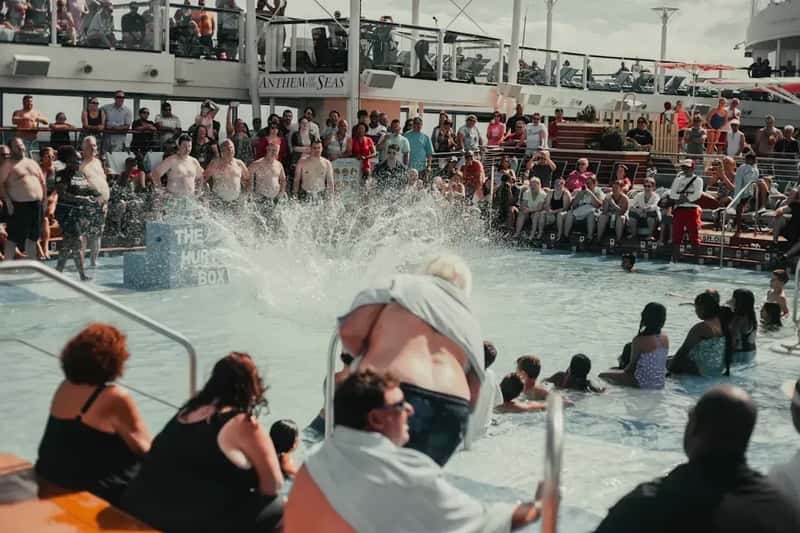
Not everyone is in the same physical condition when they board a cruise ship, and the medical reality onboard is something every traveler should consider honestly. Respiratory illnesses are the most common medical complaint on cruise ships. During pre-travel visits, healthcare providers evaluate whether vaccines or boosters are needed and emphasize the importance of practicing good respiratory hygiene and cough etiquette while onboard.
Cruise ship travel presents a unique combination of health concerns. Travelers from diverse regions brought together in the often crowded, semi-enclosed shipboard environment can facilitate person-to-person, foodborne, and waterborne transmission of communicable diseases. For immunocompromised individuals, older adults, or pregnant women, this environment deserves serious consideration.
Because travelers at sea might need to rely on a ship’s medical capabilities for an extended period, potential cruise passengers with preexisting medical needs should prepare accordingly. Medical facilities on cruise ships can vary widely depending on ship size, itinerary, cruise duration, and passenger demographics. Roughly half of all passengers seeking medical care onboard are over 65 years old. It’s a real concern with real stakes, especially far from shore.
13. The Feeling That Cruises Just Aren’t “Real” Travel
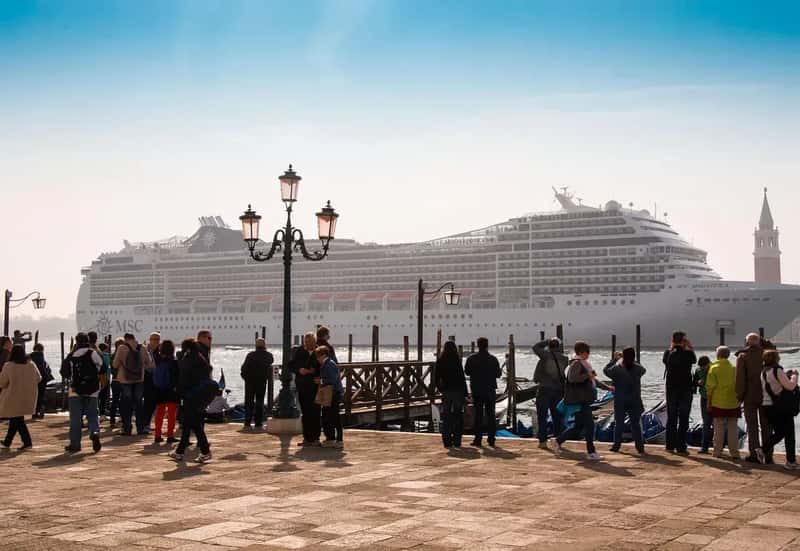
This is perhaps the most personal and subjective reason on the list – but it’s genuinely felt by a significant portion of the traveling public. Many Americans who skip cruises don’t do so out of fear or finances. They skip them out of preference. A floating resort that docks in port for a few hours and then sails away feels, to many, like a facsimile of travel rather than the real thing.
There’s something to that. Some ports have responded to cruise guests by implementing tourist fees, limiting the number of ships in port, or prohibiting ships from docking altogether. When destinations start rejecting your mode of travel, it’s a signal worth paying attention to. Venice, for example, banned cruise ships from docking at its port entirely. Many cruise lines still offer “Venice” itineraries, but they now dock in nearby cities and bus passengers into the city.
The irony is rich: you book a cruise to see iconic places, and those places have decided they’d rather not host you in that format. For travelers seeking depth, connection, and genuine immersion in a culture, a four-hour port stop sandwiched between buffets and shuffleboard may simply not be enough. It’s hard to say this concern is wrong – it’s more a matter of what kind of travel makes you feel alive.
So, Do the Critics Have a Point?
Honestly? Some of them absolutely do. 2024 marked the worst year for cruise ship gastrointestinal outbreaks in over a decade, and cruise ships emit roughly double the CO2 per passenger compared to airplanes over the same distance. Environmental damage, hidden fees, overcrowding, service cuts, and health risks are not invented grievances – they’re documented patterns backed by real data.
At the same time, according to the Cruise Lines International Association, 34.6 million tourists took a cruise vacation in 2024, up more than 9% from 2023 and up more than 16% from pre-pandemic 2019, with the number projected to rise to 37.7 million in 2026. The industry is reaching new audiences, with nearly a third of passengers over the past two years taking a cruise for the first time. Clearly, for tens of millions of people, the calculation still works out in cruising’s favor.
The skeptics raise legitimate questions about value, ethics, health, and authenticity. The cruise industry, for its part, keeps sailing full. What’s most interesting is that both things are simultaneously true – and where you land probably says as much about you as a traveler as it does about cruising itself. What would make you reconsider? Tell us in the comments.