Hawaii has long held a near-mythical status in the minds of travelers. Those turquoise waters, dramatic volcanic landscapes, fragrant plumeria – it’s the kind of destination people spend years dreaming about. For decades, the islands practically sold themselves.
Yet something has shifted. Quietly at first, then more noticeably, a growing number of travelers are pausing, reconsidering, or outright skipping their Hawaii trips. The reasons are layered, real, and backed by hard data. Some might surprise you. Let’s dive in.
1. Visitor Numbers Are Genuinely Falling
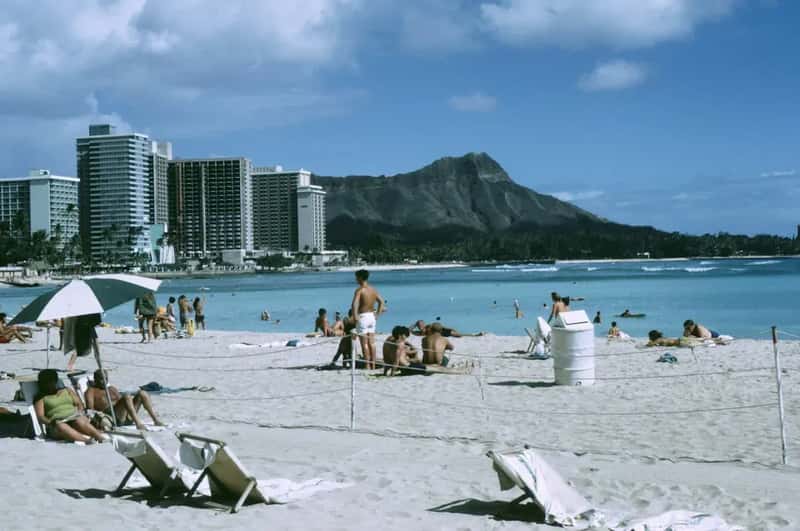
Let’s start with the numbers, because they tell a story that is hard to argue with. According to the Hawaii Department of Business, Economic Development and Tourism (DBEDT), total visitor arrivals and total visitor spending in July 2025 declined compared to the same month the previous year, with just 873,430 total visitors that month – down roughly four and a half percent from July 2024.
The pattern holds across the full year. Looking back at calendar year 2025, despite some challenges, total arrivals were basically flat at just under 9.65 million visitors, a slight decline of about half a percent compared to 2024. Meanwhile, Hawaii has witnessed a decline in tourist visits in recent years, with nearly half a million fewer tourists in 2025 compared to pre-pandemic levels.
Honestly, this is not a small blip. This is a sustained signal that something structural has changed in how travelers are evaluating Hawaii as a destination. The momentum has clearly stalled.
2. The Cost of Getting There Has Skyrocketed
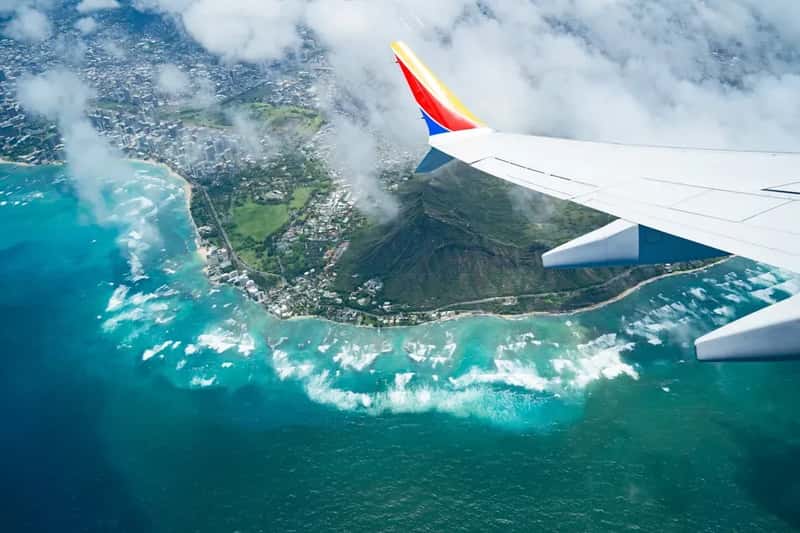
Flying to Hawaii used to feel like an accessible indulgence. That is not really the case anymore. Airfare-tracking company Hopper reports that the average roundtrip fare from the U.S. mainland to Hawaii has risen about twenty-two percent compared to 2019 levels. For East Coast travelers, that difference adds up fast.
A traveler flying from Los Angeles to Maui for the December holidays found roundtrip economy fares at nearly $1,200 on Hawaiian Airlines. A Seattle to Honolulu trip in February priced at $724 roundtrip on Alaska Airlines. From New York’s JFK to Honolulu in July 2025, Delta listed some fares at $1,453 roundtrip.
Peak season fares essentially price out a significant chunk of middle-income families. Plane tickets to Hawaii can get really expensive during the holidays and peak seasons, and during high season, tickets can as much as double. That’s before you even think about hotels or rental cars.
3. Hawaii Is Simply One of the Most Expensive Destinations in America
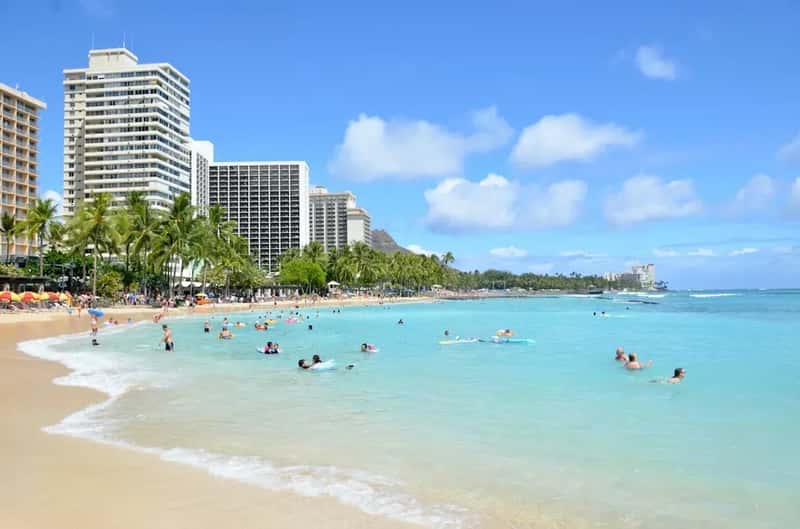
Even once you land, the spending doesn’t slow down. Budget travelers in Hawaii spend around $149 per day on average, mid-range travelers spend $393 per day, and luxury travelers spend around $1,096 per day. That mid-range number is sobering – a week for two people at that rate adds up quickly.
Hawaii is generally considered one of the most expensive places to visit and live in the United States. The core reason? The high cost of living and travel in Hawaii can be attributed to several interconnected factors, starting with island isolation: Hawaii is the most isolated population center on Earth, located thousands of miles from the U.S. mainland.
Food, activities, gas, groceries – everything is imported. The state of Hawaii has the highest cost of living in the United States, and whether it’s accommodation, dining, activities, or even gasoline, everything is noticeably more expensive than on the American mainland. A family vacation that might cost $7,000 elsewhere can balloon to nearly double in Hawaii.
4. Hotel and Accommodation Prices Have Nearly Doubled Since 2019

Here’s the thing – even budget travelers who planned carefully a few years ago are now getting sticker shock. Since the COVID crisis, real estate prices have skyrocketed, directly affecting hospitality, with prices nearly doubling since 2019, and this increase has affected all types of lodging, whether hotels, Airbnb, or direct rentals from private owners.
One Canadian traveler described paying $115 per night at a Kauai property in 2017, $160 in 2018, $180 in 2022 – and now they cannot find anything under $450 to $500 per night, far outpacing the rise in inflation. That is not a small price creep. That is a completely different vacation category.
Many hotels charge daily resort fees ranging from $25 to $50 or more, which stack on top of room rates that are already high. For a family of four, the estimated cost of a Hawaii trip in 2025 was roughly $11,829 – a figure that has climbed dramatically from pre-pandemic years.
5. The Maui Wildfires Changed Everything
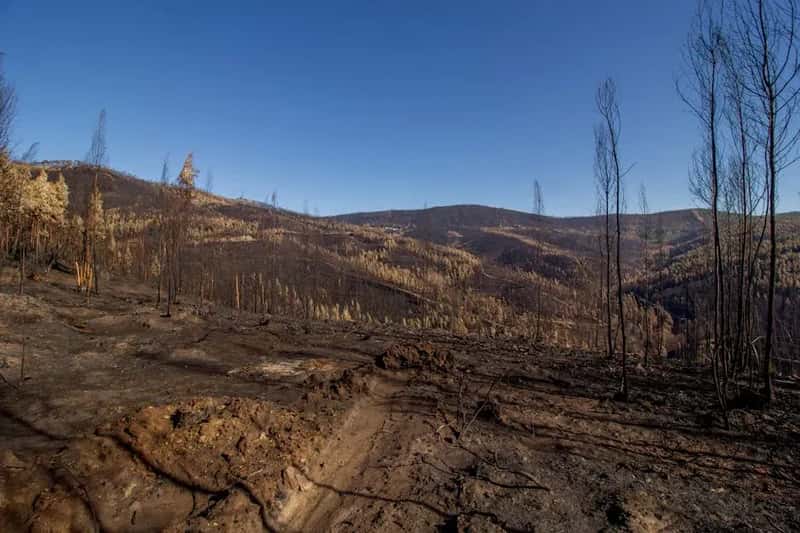
The August 2023 Lahaina wildfire was devastating in every sense of the word. In the aftermath of a deadly wildfire resulting in over 100 lives lost, Lahaina – a historical whaling town in Maui that was once the centerpiece of the Hawaiian monarchy – began the difficult task of rebuilding. The emotional weight of that tragedy rippled far beyond the island itself.
In the first half of 2024, Maui had 1.1 million visitors – down twenty-four percent from a year earlier, according to the Hawaii Tourism Authority. Visitor spending also fell twenty-four percent. The ripple effect spread beyond Maui too: the wildfire that destroyed Lahaina is continuing to have a ripple effect, with tourism decreases on several Hawaiian islands including Maui, which experienced a more than ten percent decrease in visitor numbers for the first ten months of 2024.
Two years later, many visitors still cannot bring themselves to return to Maui. Guilt follows them, and they are not alone. Many longtime visitors feel the same quiet conflict. It’s not just logistics. It’s emotional. And that emotional barrier to returning is harder to fix than a marketing campaign.
6. Vacation Rental Chaos Is Spooking Travelers
For years, vacation rentals were the secret weapon for budget-conscious Hawaii travelers. A condo with a kitchen saved money on food. A multi-room rental made sense for families. That world is now under serious threat. In December 2025, Maui Mayor Richard Bissen signed Bill 9 into law, which phases out roughly 7,000 apartment-zoned vacation rentals, known as Minatoya List properties, with phase-out deadlines of January 1, 2029 for West Maui and January 1, 2031 for the rest of the county.
Two lawsuits challenging the law are currently working through the courts, and some property owners are already pulling their rentals off the market rather than wait out the uncertainty. Because the Minatoya List may not even be complete, travelers genuinely may not be able to tell whether a specific property is affected.
I think this is one of the most underreported disruptions in Hawaii travel right now. The legal landscape shifted significantly in late 2025, and the risk of booking the wrong property is higher than it has ever been. For families who relied on affordable rental options, this is a direct hit to the value equation.
7. Canadian Visitors Are Staying Away in Record Numbers

Canada has historically been one of Hawaii’s most loyal international markets. That loyalty is fraying fast. Visitor arrivals from Canada were down more than twenty percent in October 2025, and impacted by economic and political uncertainty, there have been fewer visitors from Canada in every single month of 2025 compared to 2024.
The currency gap is a major driver. There’s a simple explanation for the lack of Canadian visitors: the horrible exchange rate. When $300 USD becomes $432 CAD, travelers look elsewhere to spend their vacation dollars. That math is brutal, and it’s not going away anytime soon.
In the first ten months of 2025, there were just under 309,000 visitors from Canada, compared to roughly 342,000 visitors in the same period of 2024 – nearly a ten percent drop across the board. The Canada story is one of Hawaii’s most serious structural tourism challenges right now.
8. Japan’s Visitor Numbers Are Still Nowhere Near Pre-Pandemic Levels
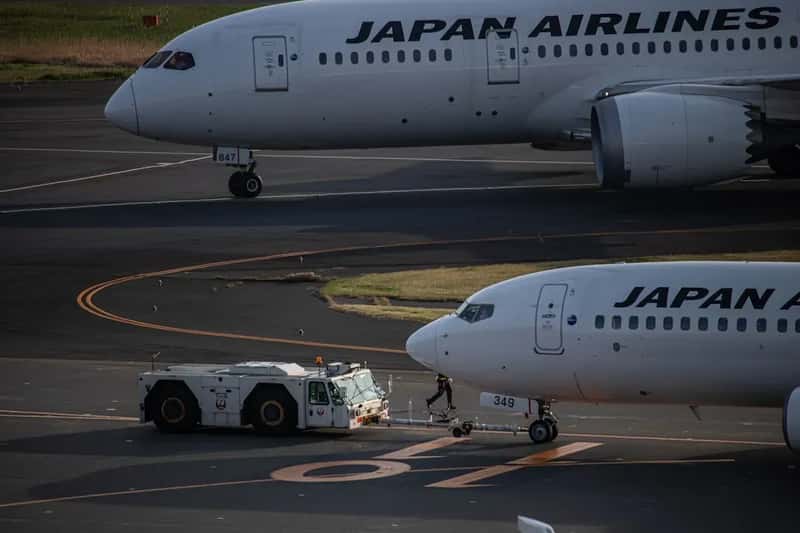
Japan was once Hawaii’s golden international market. Those days feel distant. Japan, once a powerhouse for Hawaii tourism, is still down fifty-five percent compared to 2019. Despite some increased airlift for summer 2025, the exchange rate, sluggish economic growth, and reduced air capacity are just part of the story.
There were only about 52,900 visitors from Japan in January 2024, still dramatically lower than January 2019’s figure of more than 120,000 visitors – a decline of more than fifty percent from pre-pandemic levels. The recovery has been slow and uneven.
There are some green shoots: in December 2025, visitors from Japan grew more than eight percent compared to December 2024, and they spent nearly $105 million during the month. Still, the overall gap from 2019 levels remains enormous. The Japan market alone represents billions in lost tourism revenue for Hawaii annually.
9. Overtourism Has Created Serious Local Tensions

This one cuts deep. There is real resentment among Native Hawaiians who feel their heritage is being exploited for profit. The influx of tourists can disrupt the traditional way of life and create a sense of cultural displacement. Some travelers are picking up on this tension and choosing to stay away out of respect.
Many tourism-related jobs are low-paying, leaving local residents struggling to afford the high cost of living. The housing market is particularly affected, with property prices driven up by demand from wealthy tourists and investors, making it difficult for Native Hawaiians and long-time residents to secure affordable housing.
Following the relaxation of pandemic restrictions, local infrastructure has suffered from the surge in visitors that heavily burden public services, including roads, businesses, and the natural landscape. Streets are closed because of overcrowding, and profit-driven pollution has compromised the environment. Let’s be real – nobody wants to feel like an unwelcome burden on the very community they’re visiting.
10. Air Capacity Has Not Fully Recovered
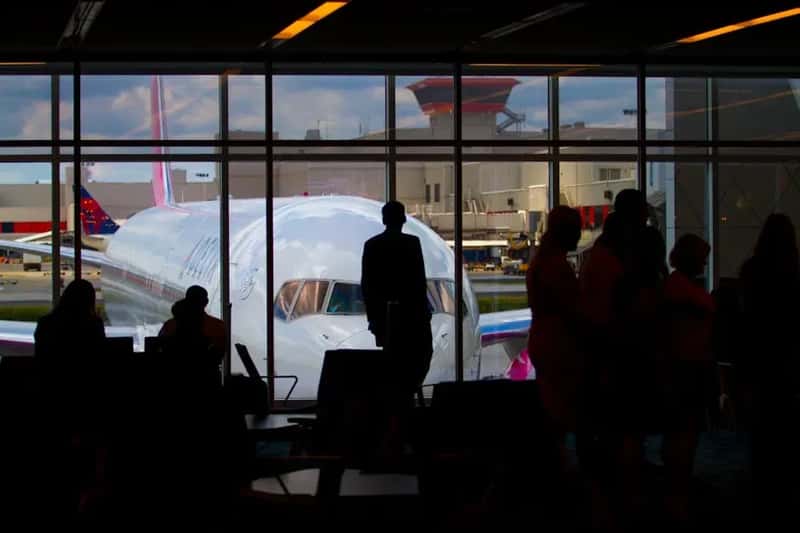
Fewer flights mean fewer options and higher prices. International air capacity to Hawaii is still significantly below 2019 levels. International air capacity in August 2025 increased slightly from 2024, but continued to be significantly less compared to August 2019 – down more than thirty percent in both flights and seats.
Airline seat capacity has fluctuated, with some airlines reducing or eliminating routes to Hawaii as part of broader post-pandemic network adjustments. Despite Hawaii’s reputation for tourism, its air connectivity has faced setbacks, limiting the overall volume of international visitors.
The result is a structural squeeze. Fewer seats plus consistent demand equals higher prices. Rising travel costs have impacted discretionary spending, causing travelers to reconsider long-haul destinations. When travelers crunch the numbers, Hawaii increasingly loses the comparison.
11. Competing Destinations Are Getting Seriously Attractive
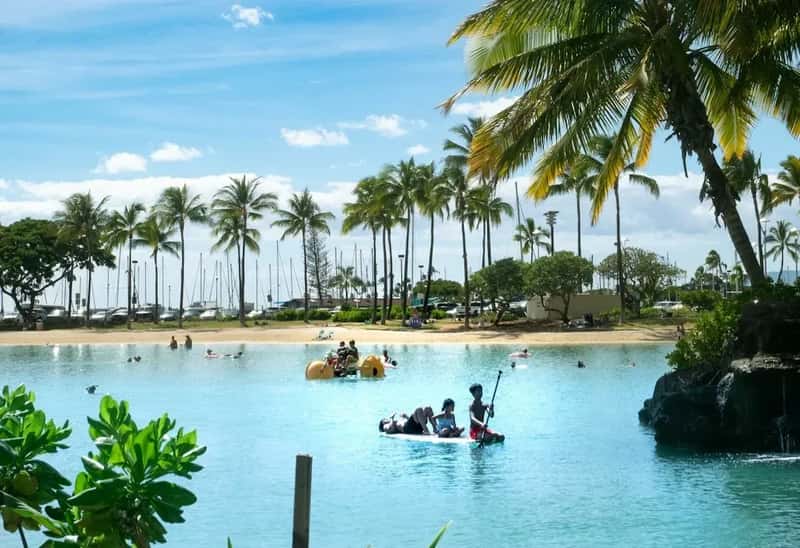
This is perhaps the most dangerous long-term threat Hawaii faces. Travelers who once defaulted to Hawaii now have compelling alternatives. Rising costs are prompting more travelers to consider alternative Pacific destinations, including Tahiti, which offers unique appeal amid challenges. Southeast Asia, Mexico, and Portugal are all pulling budget away.
Hawaii faces stiff competition from other destinations, and it is important for Hawaii to continue marketing to the world, according to DBEDT’s own visitor reports. That’s not a comfortable thing for state authorities to admit publicly, but it’s real. The world has opened up and travelers have choices.
Locals began to resent tourists taking over the islands and the once laid-back attitudes began to evaporate. There are simply too many other places in the world to visit at less money and with more warmth. For many travelers, that calculation is now tilting away from Hawaii.
12. The Broader Hawaiian Economy Is Structurally Fragile
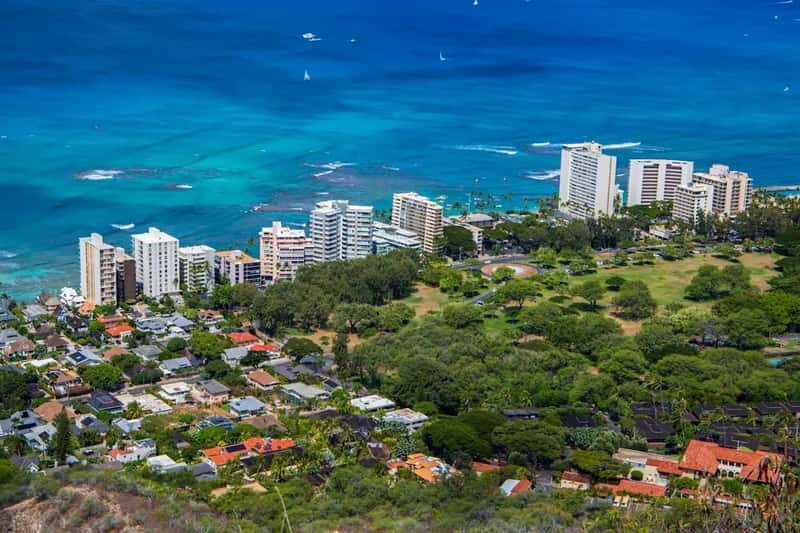
Here’s a lesser-known but important angle. Hawaii still depends on tourism, but slower wage and productivity growth are deepening economic strain, with implications for residents, visitors, and travel businesses. A destination where the underlying economy is strained tends to show it – in service quality, infrastructure, and the general feel of a place.
Hawaii is more exposed when shocks hit, whether from volcanic events, pandemics, wildfire disruption, or shifts in long-haul demand. For travelers, that means the risk of disruption to a carefully planned vacation is higher than at many other comparable destinations. Think of it like booking a flight on an airline that runs a very thin operation – things go smoothly until they don’t.
DBEDT’s 2025 visitor reports repeatedly showed a pattern where arrivals lagged or softened even when nominal spending improved, which signals that headline revenue can hide softer demand underneath. Fewer people are coming, but those who come are spending more. It’s a high-end pivot, not a recovery – and it leaves many potential visitors behind.
13. The “Value for Money” Perception Has Fundamentally Broken Down
At the core of everything is a simple question: is Hawaii worth it? Increasingly, travelers are answering no. The Hawaii Tourism Authority’s most recent visitor report noted that higher travel costs continue to influence arrivals and spending. UHERO’s State Forecast Update on Visitor Industry Trends also reached similar conclusions, warning that rising travel costs could weigh on Hawaii’s economy.
Repeat visitors who once came annually are now staying home or exploring alternatives in the South Pacific. These are not bargain hunters who were never really the target market. These are loyal, repeat visitors who loved Hawaii – and they are walking away because the value no longer stacks up.
Within North America, which is already an expensive region, Hawaii is a very expensive destination compared to other places. It is in the top ten percent of cities in North America for its travel costs. When travelers realize that a week in Italy, Bali, or Costa Rica can deliver comparable beauty at a fraction of the price, the choice becomes very hard to justify.
Conclusion: Is Paradise Still Worth It?

Hawaii is not failing. Let’s be clear about that. Hawaii welcomed nearly 9.7 million visitors in 2024, who collectively spent $20.6 billion, demonstrating that despite rising costs, travelers continue to prioritize the islands. The islands are still magnetic, still stunning, still culturally rich. Nothing about that has changed.
Yet the rethink is real and it is happening for legitimate reasons: cost barriers, post-wildfire sentiment, strained local communities, shrinking international markets, and a growing global menu of alternatives. The travelers who are pausing are not wrong to pause.
Hawaii has a generational decision to make about what kind of destination it wants to be, and for whom. The answer to that question will shape what the islands look like for travelers – and for locals – for decades to come. So honestly, what would it take for you to still say yes to Hawaii?